








Home > Blog > Diamond & CBN Wheels with SMART CUT® Technology: Improving Grinding Performance, Reducing Manufacturing Costs, and Achieving Consistent Results
Diamond & CBN Wheels, blog, Grinding

Diamond & CBN Wheels with SMART CUT® Technology: Improving Grinding Performance, Reducing Manufacturing Costs, and Achieving Consistent Results

Table of Contents

Grinding is often viewed as a finishing operation. In reality, it is one of the most influential processes in manufacturing. The quality of a grinding operation affects dimensional accuracy, surface integrity, tool life, coating adhesion, inspection results, and overall production costs.

Many manufacturers focus on achieving a required dimension while overlooking what occurs beneath the surface. A component may pass inspection yet fail prematurely because excessive grinding heat altered the material structure. A carbide cutting tool may meet specifications but exhibit shortened service life because grinding damage weakened the cutting edge. A ceramic component may require excessive polishing because microfractures were introduced during grinding.

These problems rarely originate during inspection or assembly. In many cases, they begin at the grinding stage.

For manufacturers processing carbide, ceramics, hardened steels, composites, glass, sapphire, quartz, semiconductor materials, and other difficult to machine materials, selecting the correct grinding wheel is often the difference between a stable process and a costly one.

Diamond and CBN wheels have become the preferred solution for these demanding applications because they provide superior cutting efficiency, improved dimensional control, and greater process consistency than conventional abrasives. However, wheel performance depends on more than just the abrasive type.

The interaction between abrasive concentration, bond system, wheel structure, machine rigidity, coolant delivery, and process parameters ultimately determines grinding success.

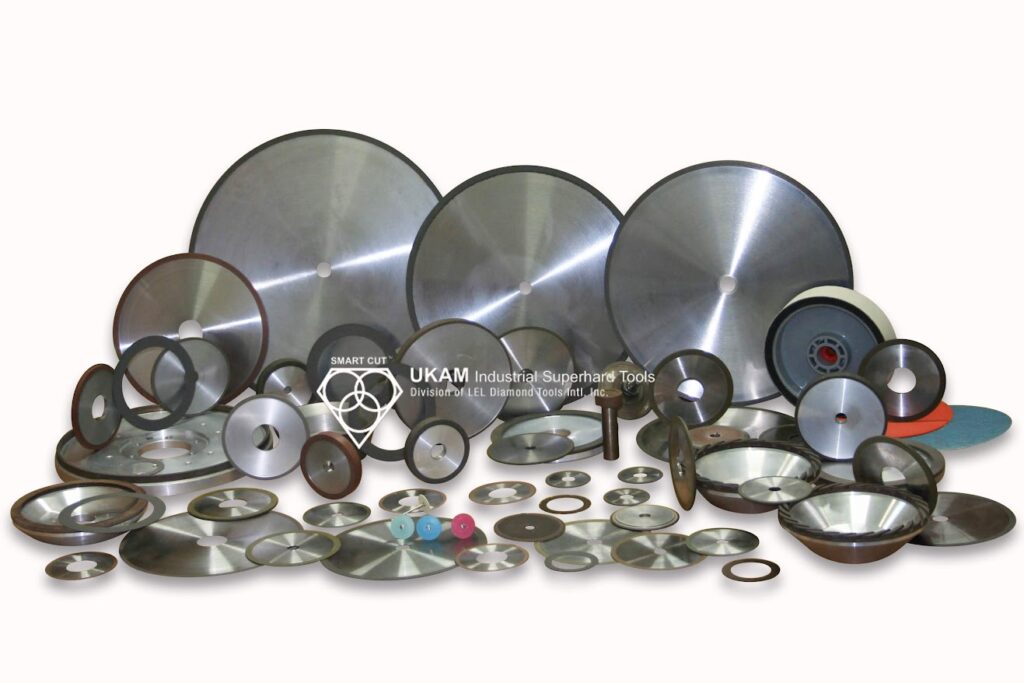
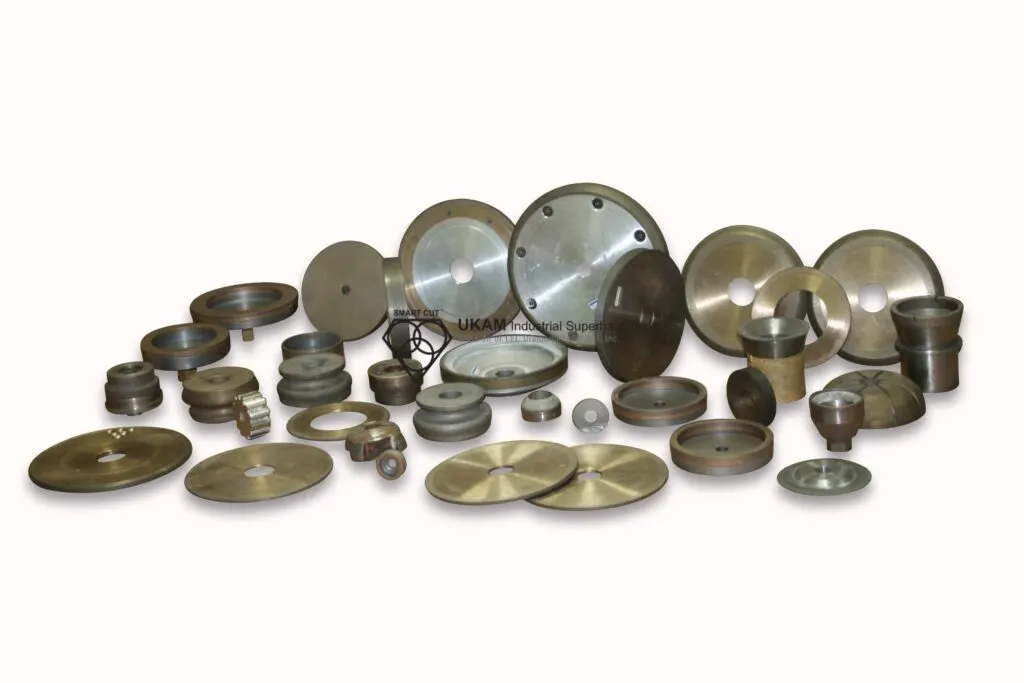
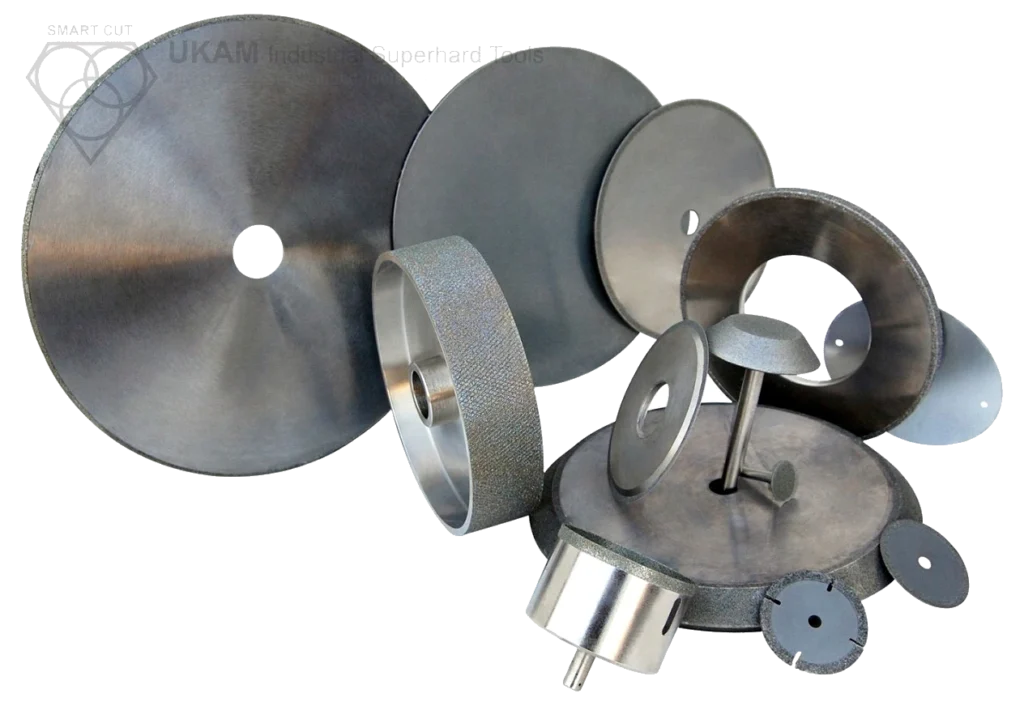
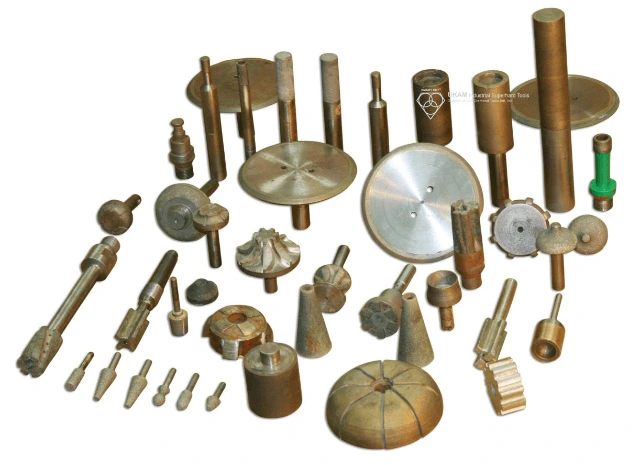
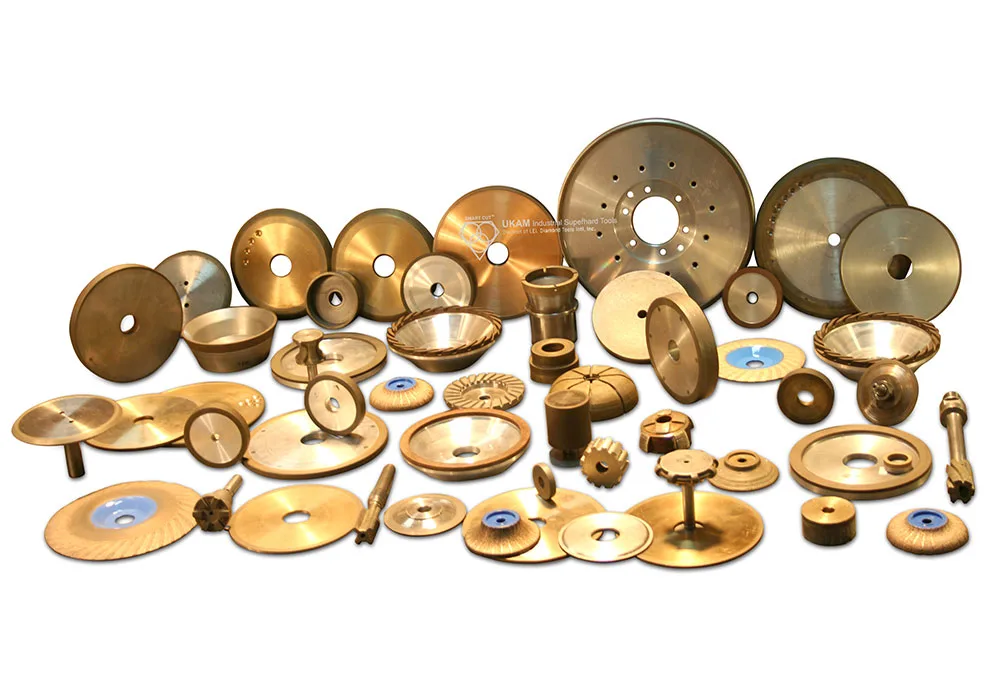
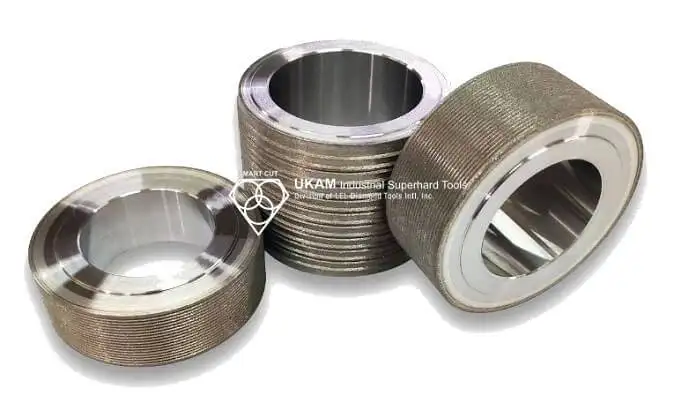
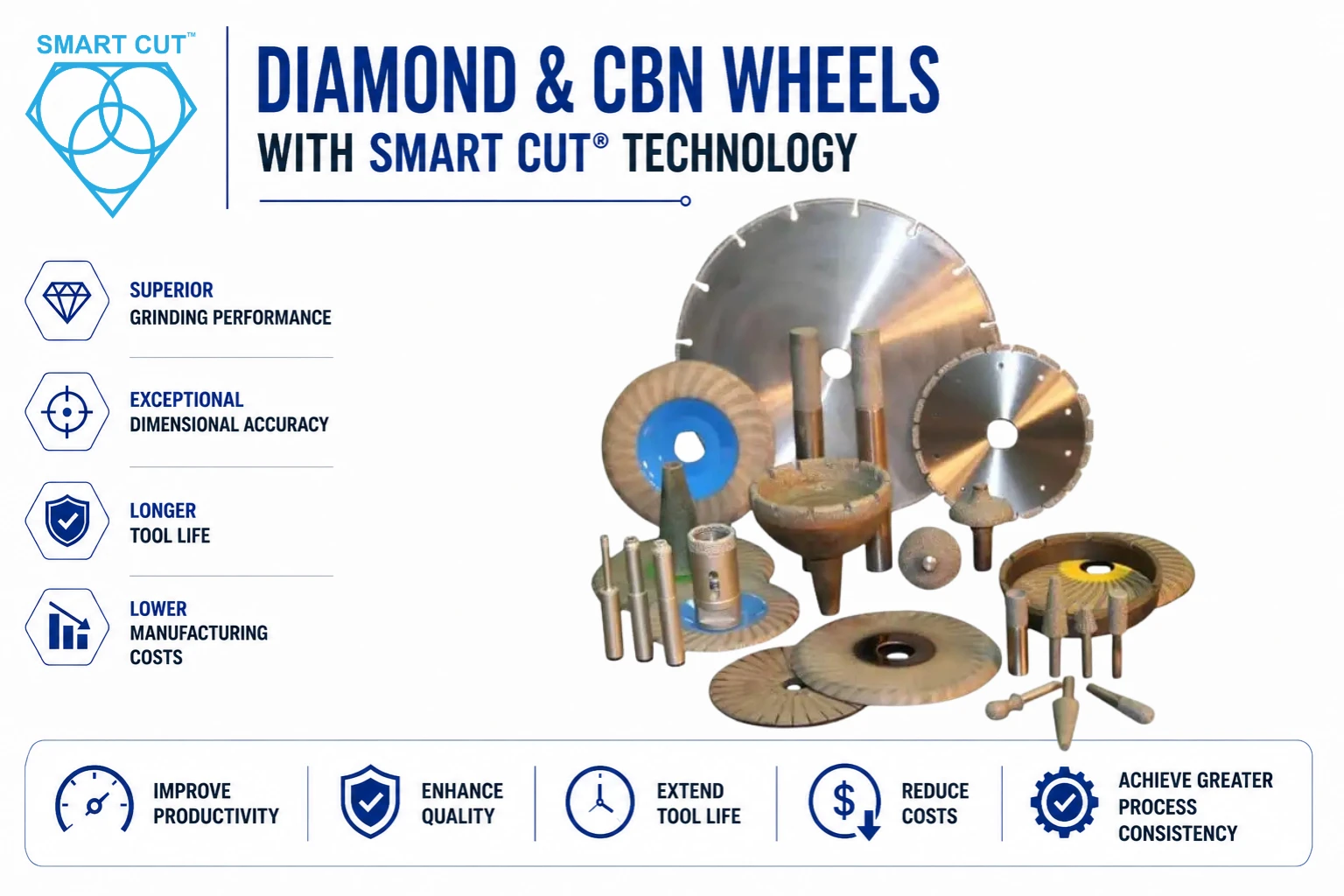
SMART CUT® Diamond and CBN Wheels are engineered with these factors in mind, helping manufacturers improve productivity while reducing process variability and production costs.

Trusted by Tens of Thousands of Manufacturers, Laboratories Research Institutions Worldwide Since 1990

American Based Manufacturer

Established in 1990

Custom manufacturing

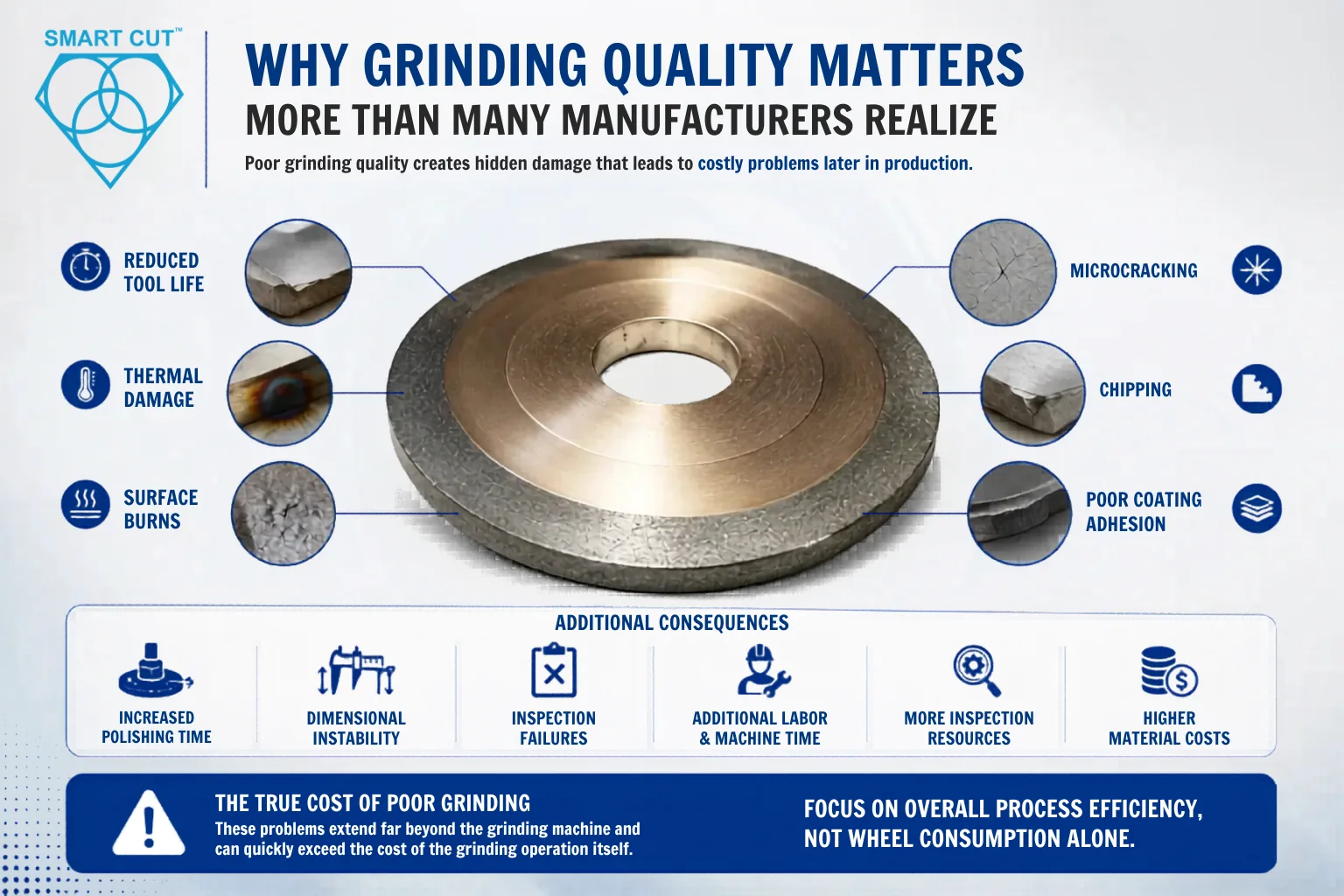
Why Grinding Quality Matters More Than Many Manufacturers Realize

The consequences of poor grinding often remain hidden until later in production.

A part may leave the grinding operation looking acceptable. During coating, polishing, machining, or assembly, defects begin to appear. Engineers frequently investigate downstream operations before discovering that the root cause originated during grinding.

Common consequences include:

  • Reduced tool life
  • Thermal damage
  • Surface burns
  • Microcracking
  • Chipping
  • Poor coating adhesion
  • Increased polishing time
  • Dimensional instability
  • Inspection failures

The cost of these problems extends far beyond the grinding machine.

Additional labor, machine time, inspection resources, and material costs can quickly exceed the cost of the grinding operation itself.

For this reason, experienced manufacturing engineers evaluate grinding performance based on overall process efficiency rather than wheel consumption alone.

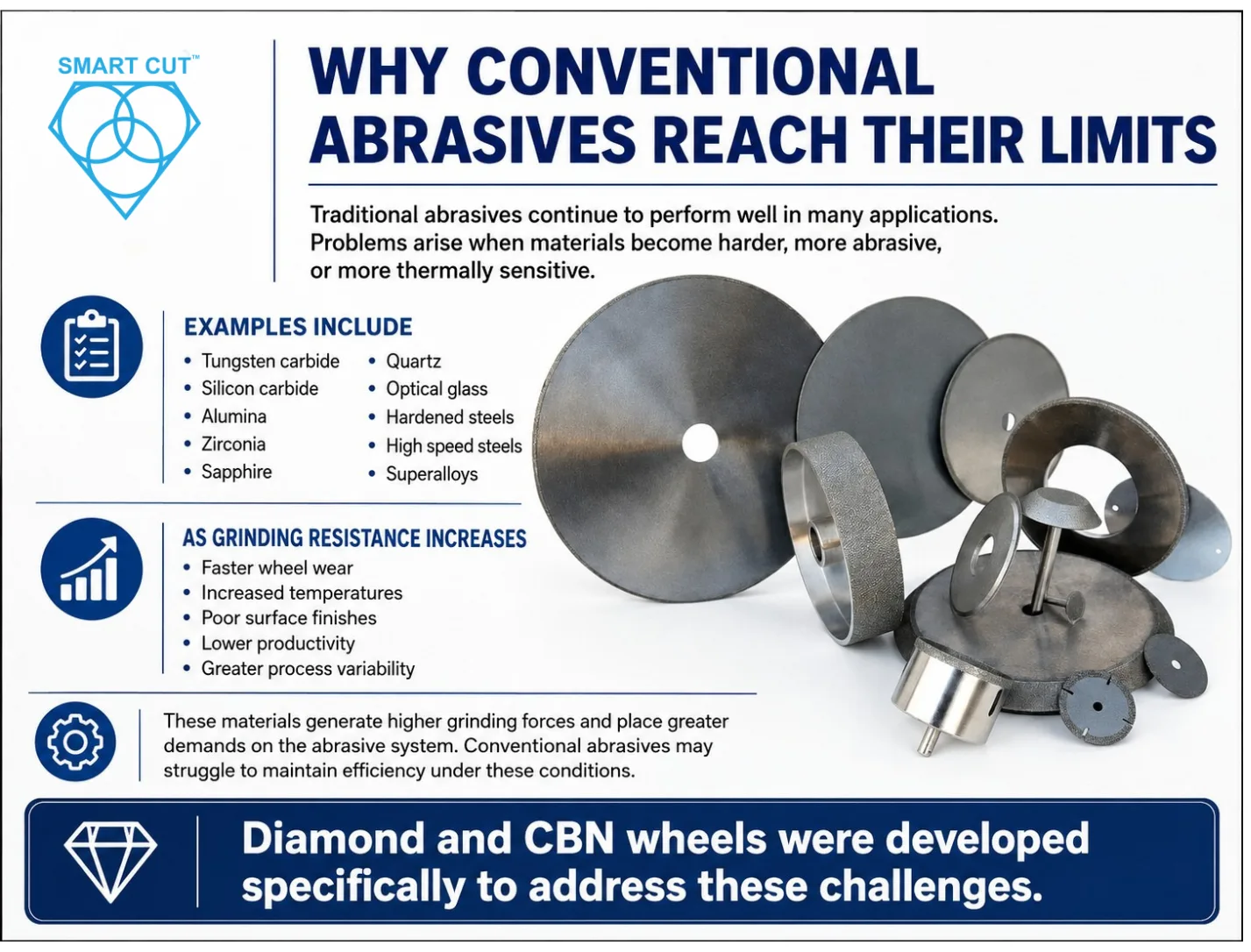
Why Conventional Abrasives Reach Their Limits

Traditional abrasives continue to perform well in many applications. Problems arise when materials become harder, more abrasive, or more thermally sensitive.

Examples include:

  • Tungsten carbide
  • Silicon carbide
  • Alumina
  • Zirconia
  • Sapphire
  • Quartz
  • Optical glass
  • Hardened steels
  • High speed steels
  • Superalloys

These materials generate higher grinding forces and place greater demands on the abrasive system.

As grinding resistance increases, manufacturers often encounter:

  • Faster wheel wear
  • Increased temperatures
  • Poor surface finishes
  • Lower productivity
  • Greater process variability

Conventional abrasives may struggle to maintain efficiency under these conditions.

Diamond and CBN wheels were developed specifically to address these challenges.

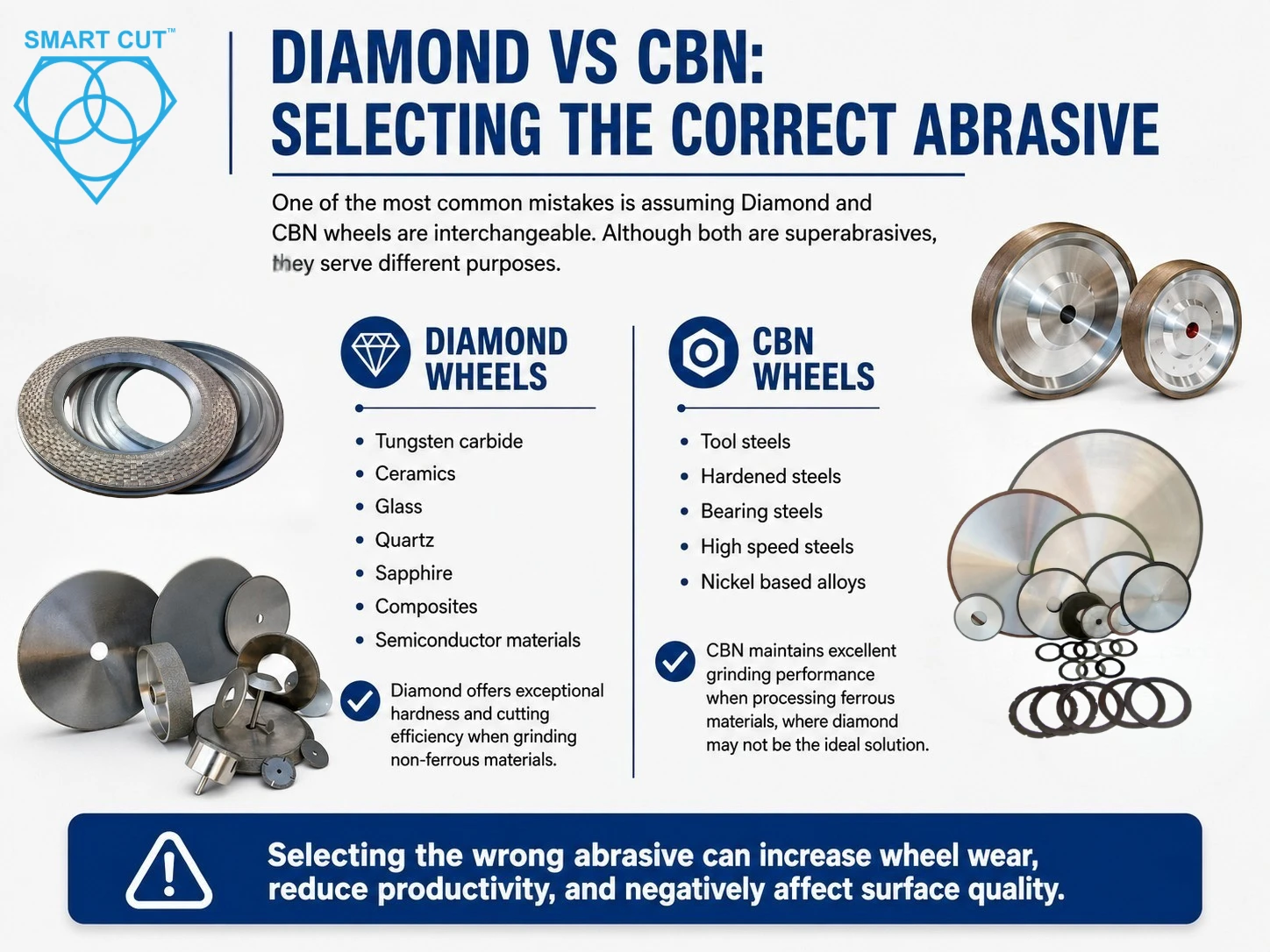
One of the most common mistakes is assuming Diamond and CBN wheels are interchangeable.

Although both are superabrasives, they serve different purposes.

Diamond Wheels

Diamond wheels are typically used for:

  • Tungsten carbide
  • Ceramics
  • Glass
  • Quartz
  • Sapphire
  • Composites
  • Semiconductor materials

Diamond offers exceptional hardness and cutting efficiency when grinding non ferrous materials.

CBN Wheels

CBN wheels are generally preferred for:

  • Tool steels
  • Hardened steels
  • Bearing steels
  • High speed steels
  • Nickel based alloys

CBN maintains excellent grinding performance when processing ferrous materials, where diamond may not be the ideal solution.

Selecting the wrong abrasive can increase wheel wear, reduce productivity, and negatively affect surface quality.

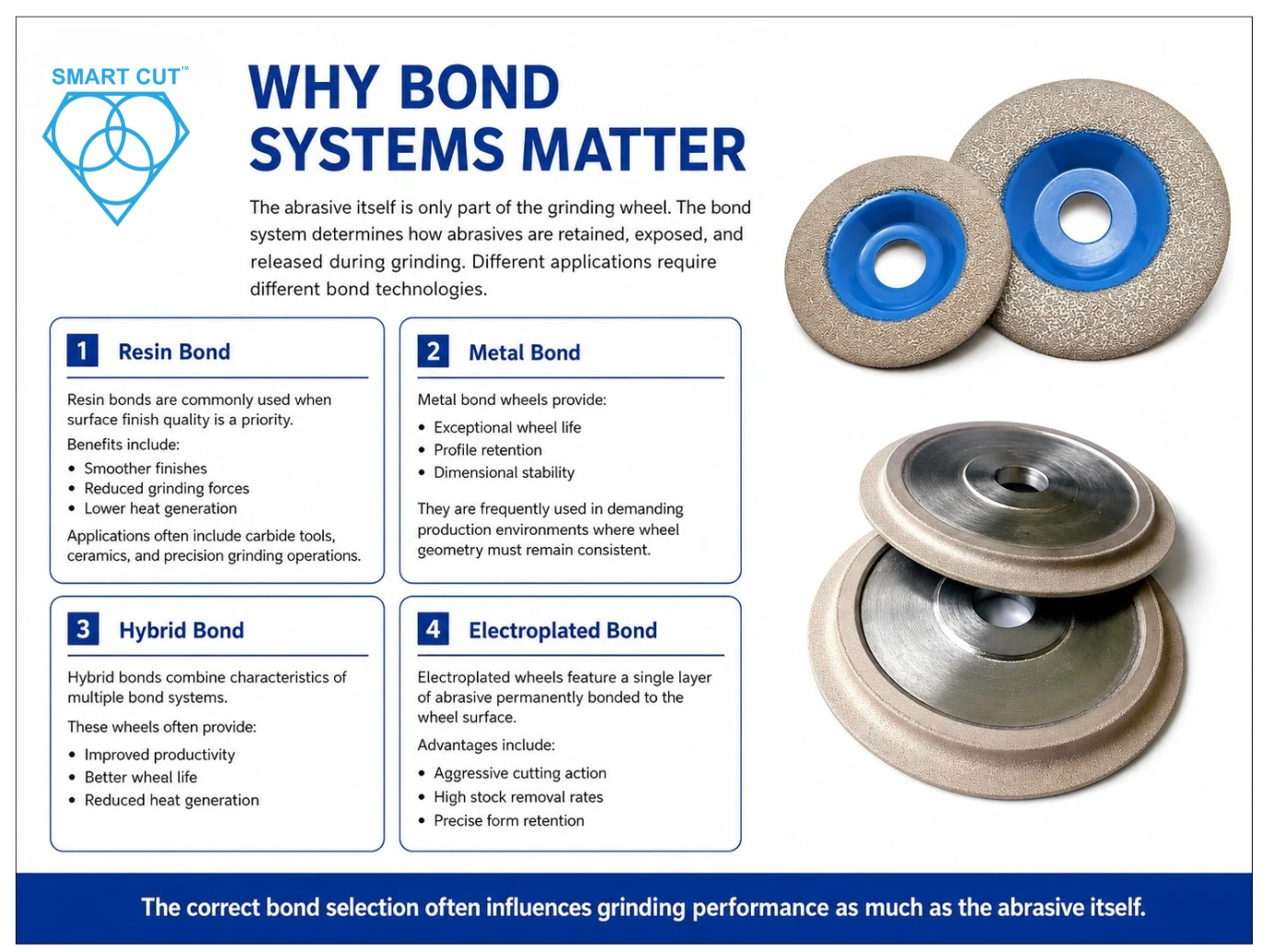
Why Bond Systems Matter

The abrasive itself is only part of the grinding wheel.

The bond system determines how abrasives are retained, exposed, and released during grinding.

Different applications require different bond technologies.

Resin Bond

Resin bonds are commonly used when surface finish quality is a priority.

Benefits include:

  • Smoother finishes
  • Reduced grinding forces
  • Lower heat generation

Applications often include carbide tools, ceramics, and precision grinding operations.

Metal Bond

Metal bond wheels provide:

  • Exceptional wheel life
  • Profile retention
  • Dimensional stability

They are frequently used in demanding production environments where wheel geometry must remain consistent.

Hybrid Bond

Hybrid bonds combine characteristics of multiple bond systems.

These wheels often provide:

  • Improved productivity
  • Better wheel life
  • Reduced heat generation

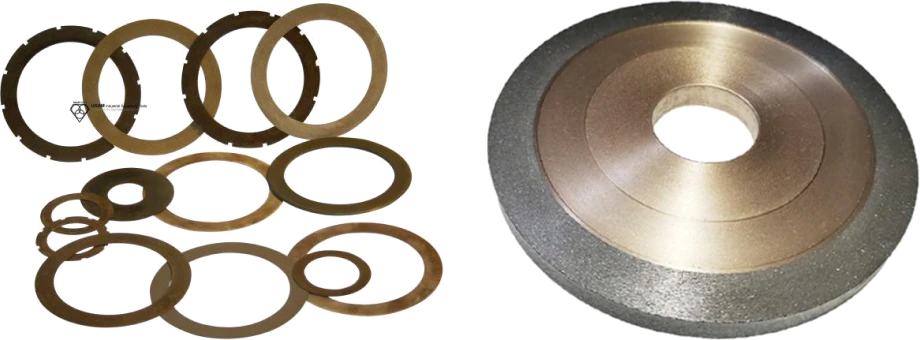
Electroplated Bond

Electroplated wheels feature a single layer of abrasive permanently bonded to the wheel surface.

Advantages include:

  • Aggressive cutting action
  • High stock removal rates
  • Precise form retention

The correct bond selection often influences grinding performance as much as the abrasive itself.
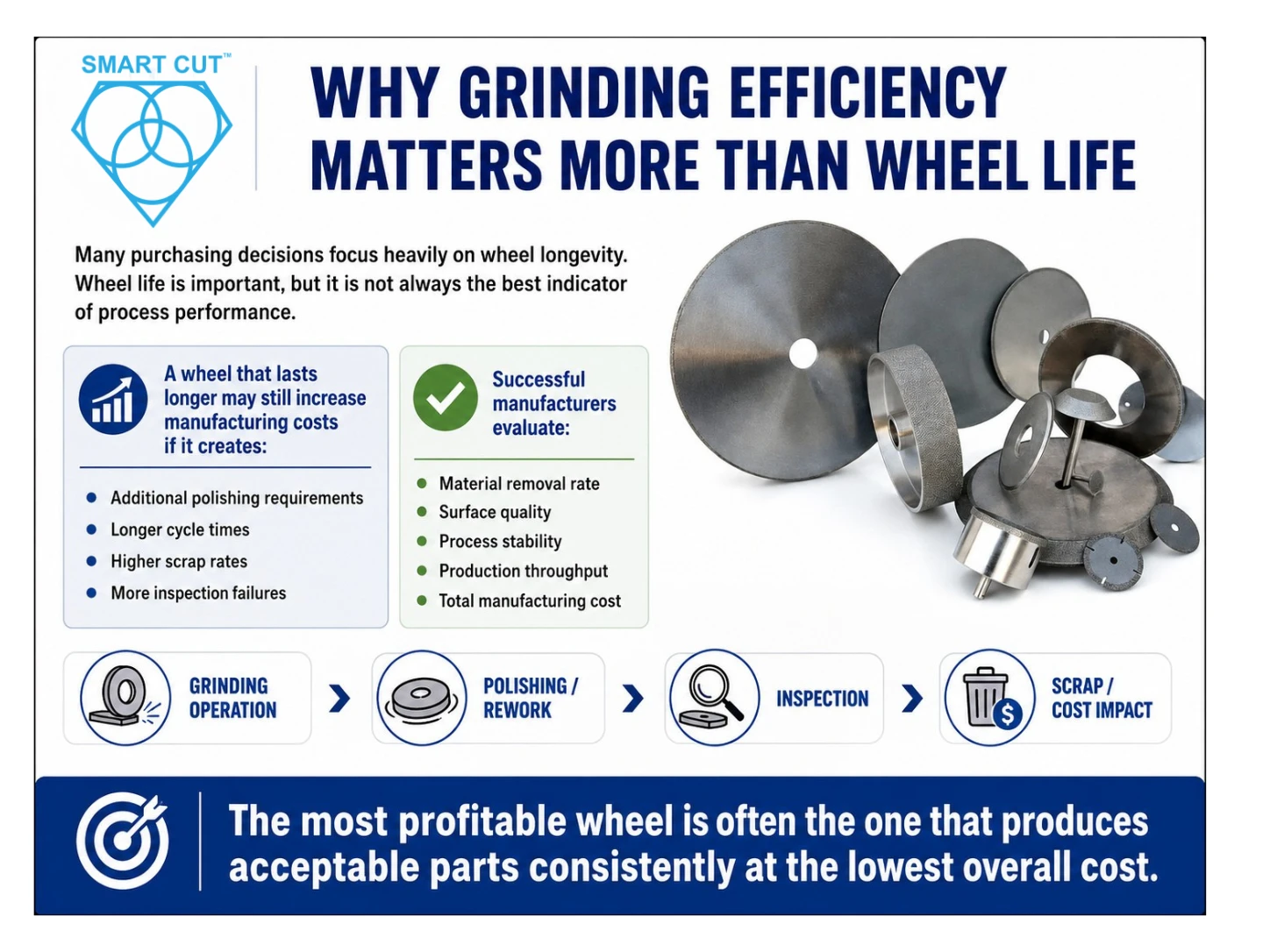
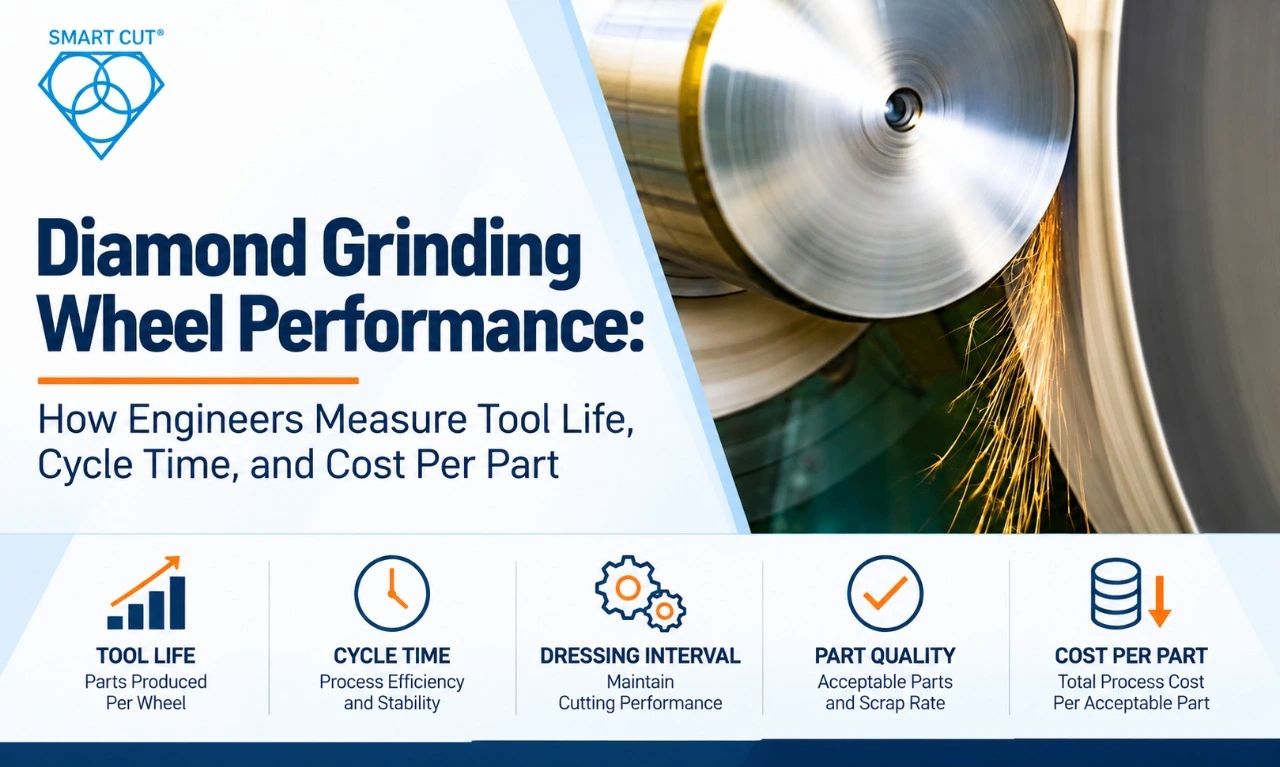
Why Grinding Efficiency Matters More Than Wheel Life

Many purchasing decisions focus heavily on wheel longevity.

Wheel life is important, but it is not always the best indicator of process performance.

A wheel that lasts longer may still increase manufacturing costs if it creates:

  • Additional polishing requirements
  • Longer cycle times
  • Higher scrap rates
  • More inspection failures

Successful manufacturers evaluate:

  • Material removal rate
  • Surface quality
  • Process stability
  • Production throughput
  • Total manufacturing cost

The most profitable wheel is often the one that produces acceptable parts consistently at the lowest overall cost.

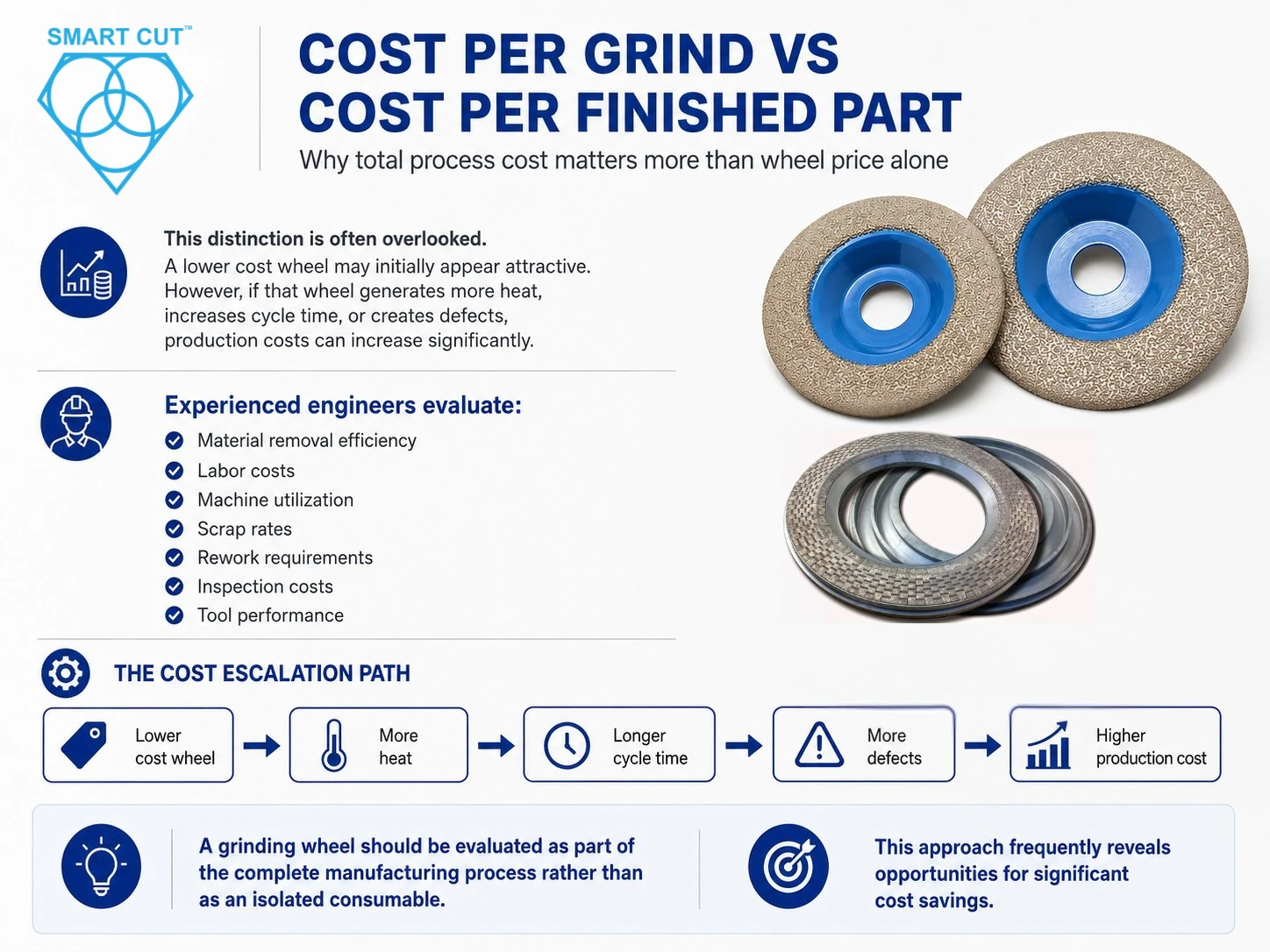
Cost Per Grind vs Cost Per Finished Part

This distinction is often overlooked.

A lower cost wheel may initially appear attractive. However, if that wheel generates more heat, increases cycle time, or creates defects, production costs can increase significantly.

Experienced engineers evaluate:

  • Material removal efficiency
  • Labor costs
  • Machine utilization
  • Scrap rates
  • Rework requirements
  • Inspection costs
  • Tool performance

A grinding wheel should be evaluated as part of the complete manufacturing process rather than as an isolated consumable.

This approach frequently reveals opportunities for significant cost savings.

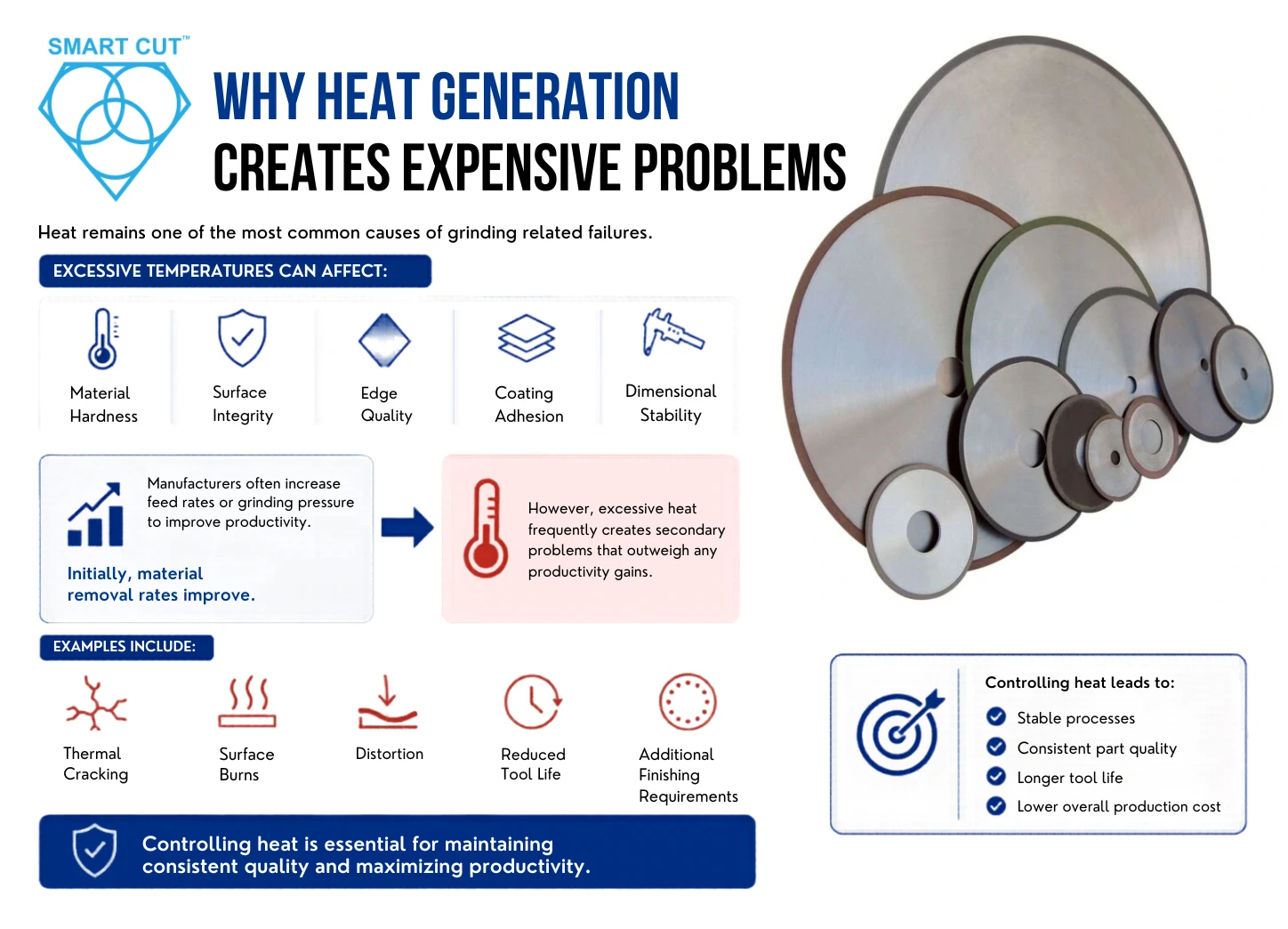
Why Heat Generation Creates Expensive Problems

Heat remains one of the most common causes of grinding related failures.

Excessive temperatures can affect:

  • Material hardness
  • Surface integrity
  • Edge quality
  • Coating adhesion
  • Dimensional stability

Manufacturers often increase feed rates or grinding pressure to improve productivity.

Initially, material removal rates improve.

However, excessive heat frequently creates secondary problems that outweigh any productivity gains.

Examples include:

  • Thermal cracking
  • Surface burns
  • Distortion
  • Reduced tool life
  • Additional finishing requirements

Controlling heat is essential for maintaining consistent quality and maximizing productivity.

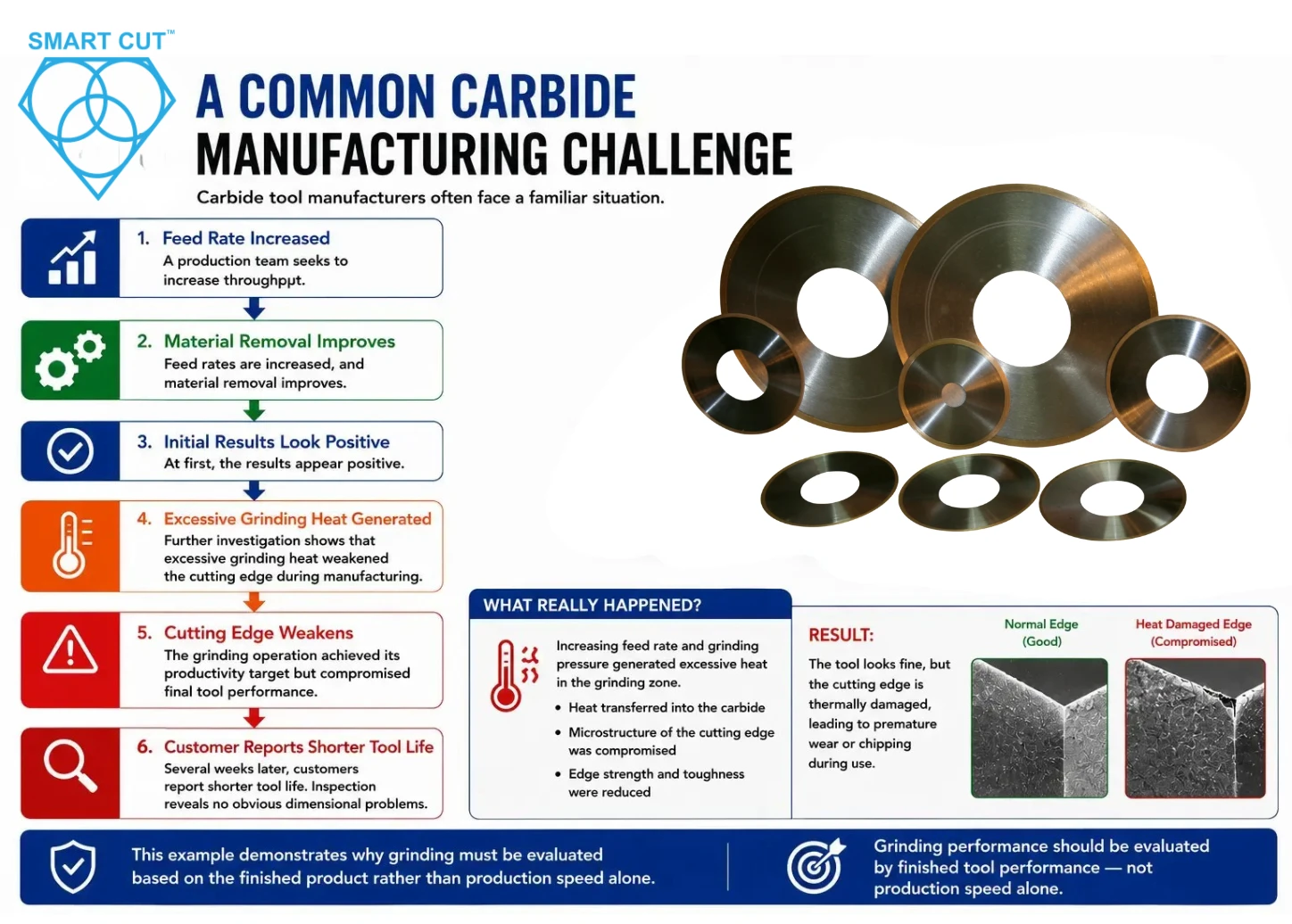
A Common Carbide Manufacturing Challenge

Carbide tool manufacturers often face a familiar situation.

A production team seeks to increase throughput. Feed rates are increased, and material removal improves.

At first, the results appear positive.

Several weeks later, customers report shorter tool life.

Inspection reveals no obvious dimensional problems.

Further investigation shows that excessive grinding heat weakened the cutting edge during manufacturing.

The grinding operation achieved its productivity target but compromised final tool performance.

This example demonstrates why grinding must be evaluated based on the finished product rather than production speed alone.

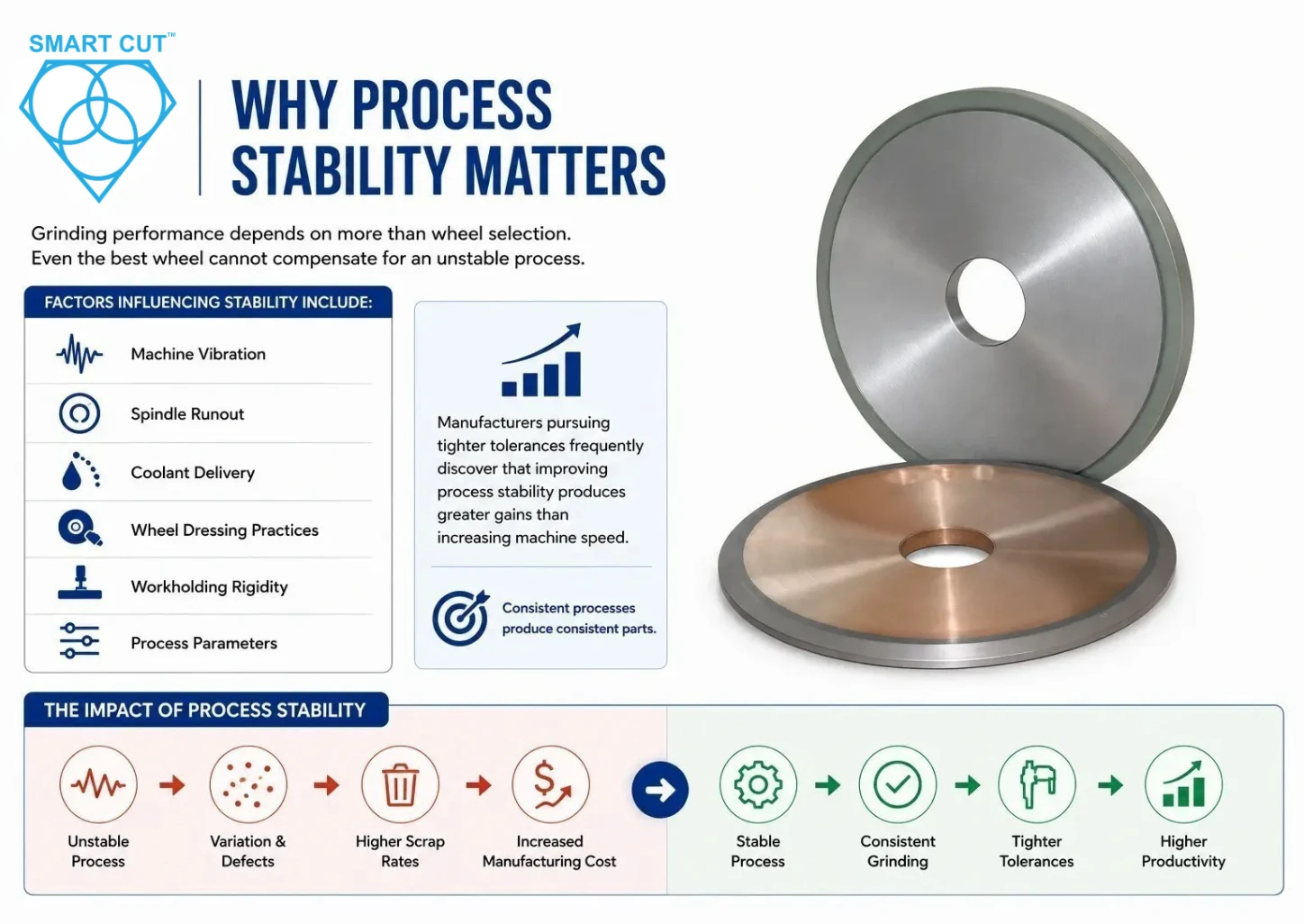
Why Process Stability Matters

Grinding performance depends on more than wheel selection.

Even the best wheel cannot compensate for an unstable process.

Factors influencing stability include:

  • Machine vibration
  • Spindle runout
  • Coolant delivery
  • Wheel dressing practices
  • Workholding rigidity
  • Process parameters

Manufacturers pursuing tighter tolerances frequently discover that improving process stability produces greater gains than increasing machine speed.

Consistent processes produce consistent parts.

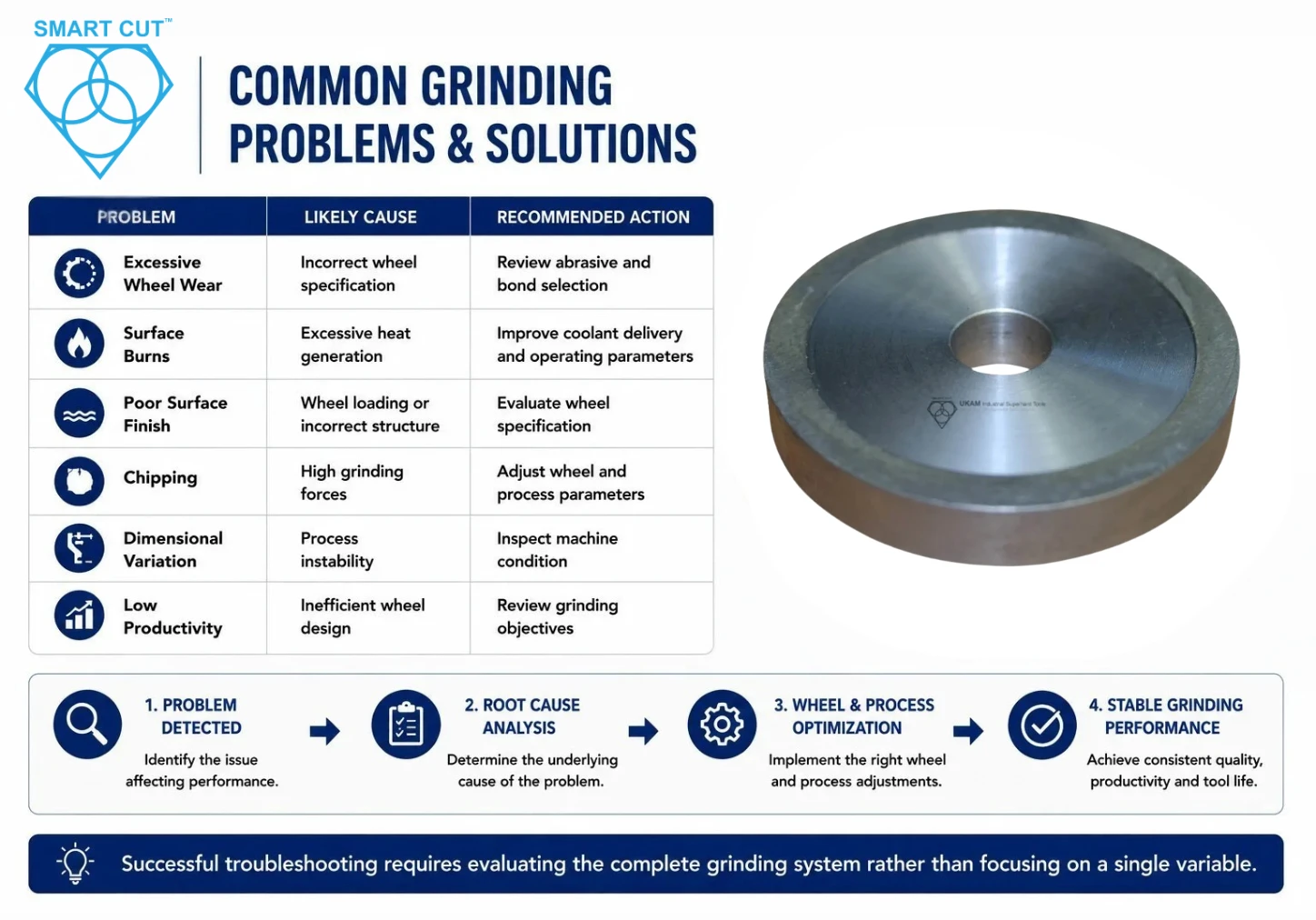
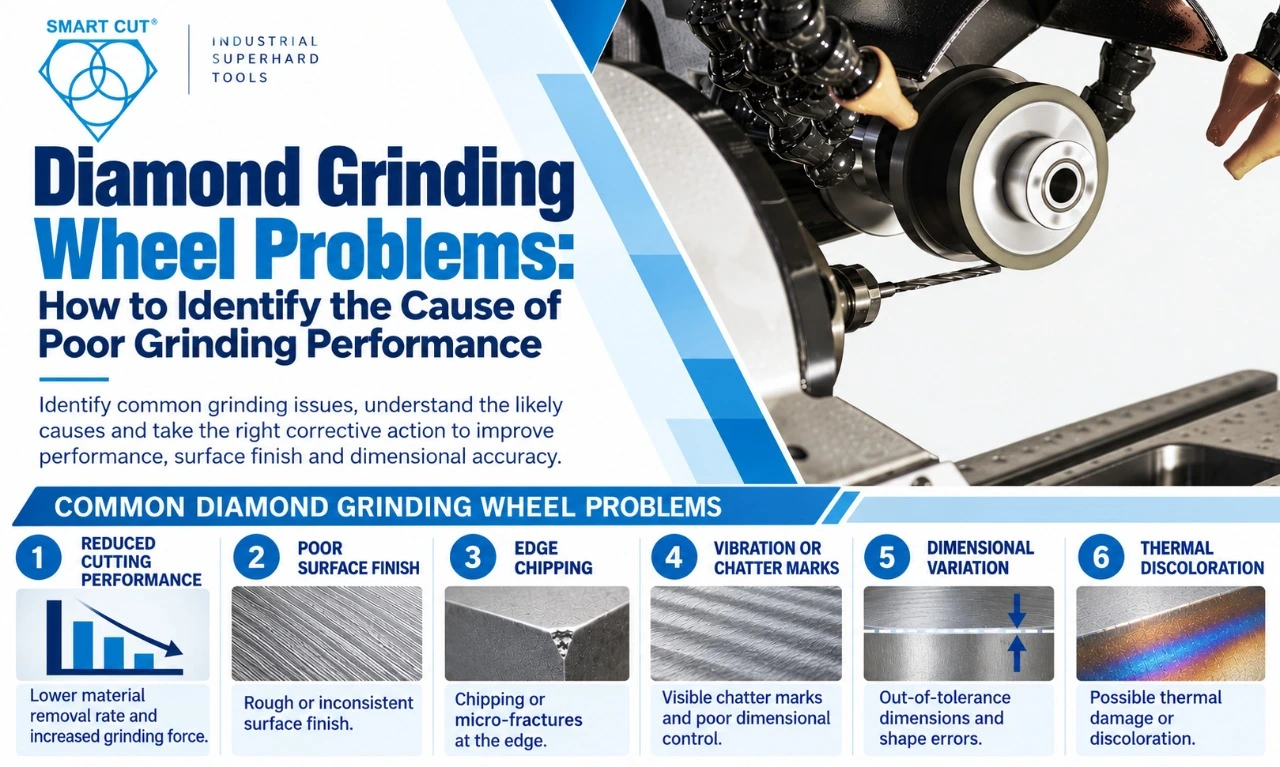
Common Grinding Problems and Solutions

ProblemLikely CauseRecommended Action
Excessive Wheel WearIncorrect wheel specificationReview abrasive and bond selection
Surface BurnsExcessive heat generationImprove coolant delivery and operating parameters
Poor Surface FinishWheel loading or incorrect structureEvaluate wheel specification
ChippingHigh grinding forcesAdjust wheel and process parameters
Dimensional VariationProcess instabilityInspect machine condition
Low ProductivityInefficient wheel designReview grinding objectives

Successful troubleshooting requires evaluating the complete grinding system rather than focusing on a single variable.

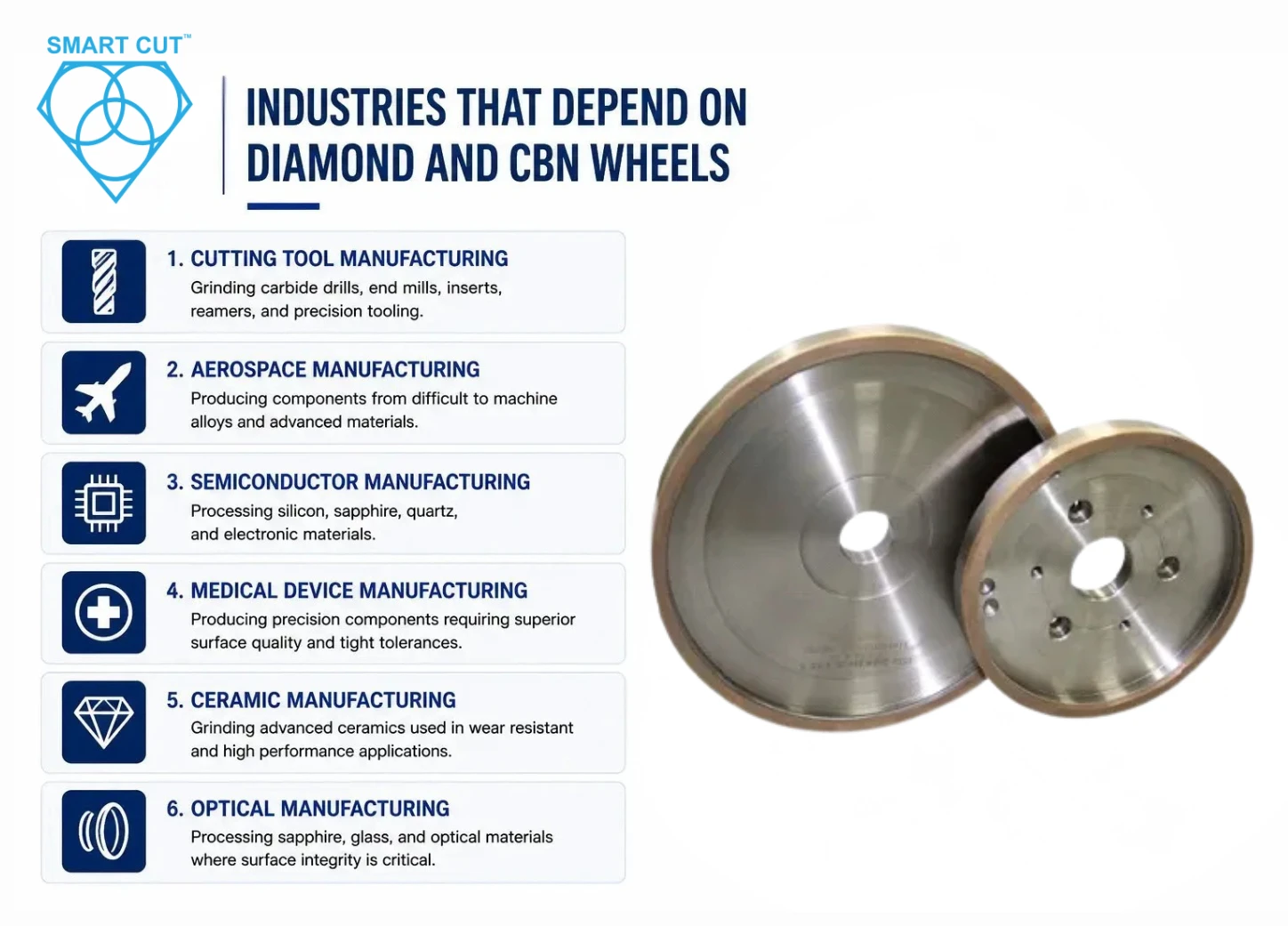
Industries That Depend on Diamond and CBN Wheels

Cutting Tool Manufacturing

Grinding carbide drills, end mills, inserts, reamers, and precision tooling.

Aerospace Manufacturing

Producing components from difficult to machine alloys and advanced materials.

Semiconductor Manufacturing

Processing silicon, sapphire, quartz, and electronic materials.

Medical Device Manufacturing

Producing precision components requiring superior surface quality and tight tolerances.

Ceramic Manufacturing

Grinding advanced ceramics is used in wear resistant and high performance applications.

Optical Manufacturing

Processing sapphire, glass, and optical materials where surface integrity is critical.

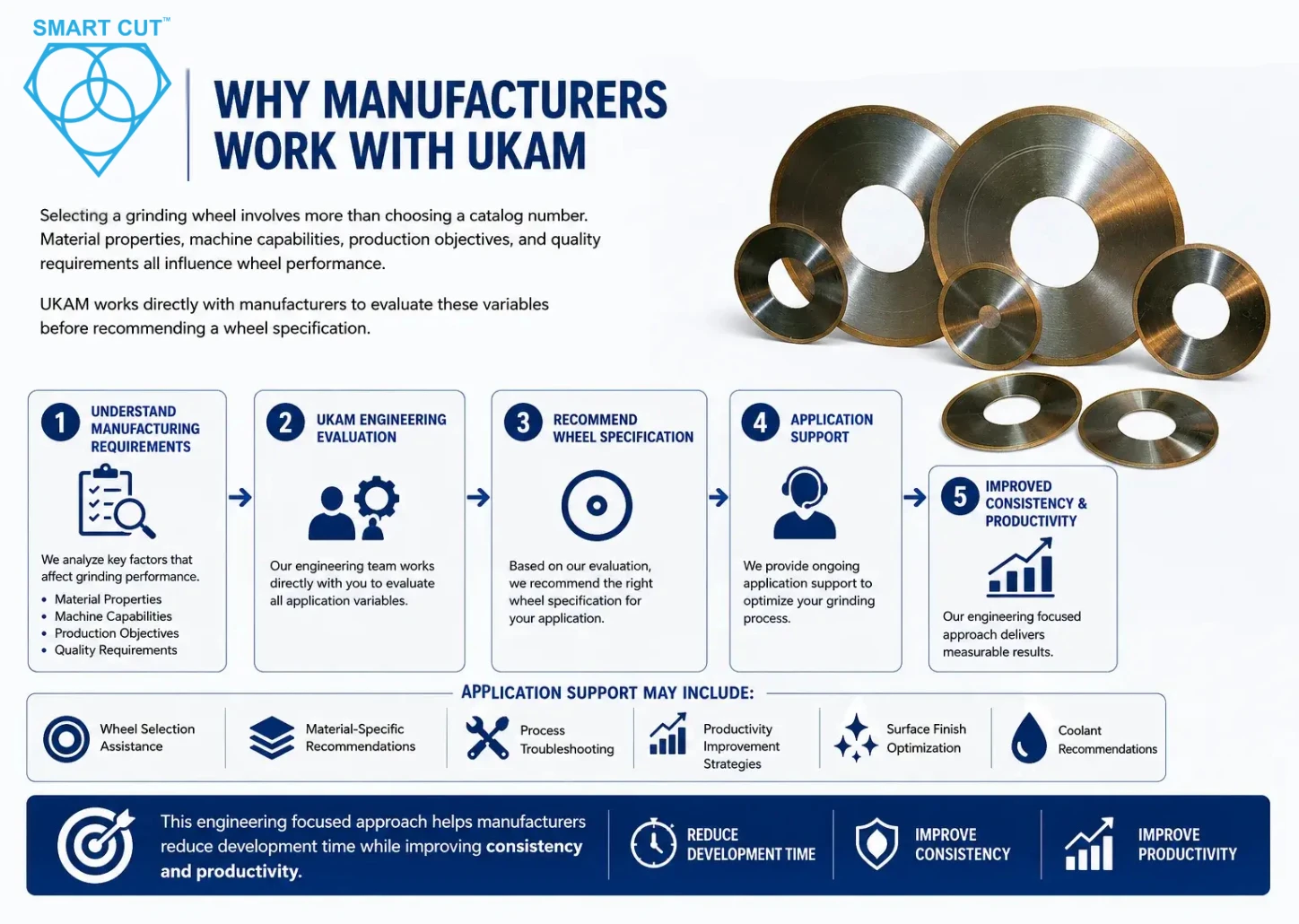
Why Manufacturers Work With UKAM

Selecting a grinding wheel involves more than choosing a catalog number.

Material properties, machine capabilities, production objectives, and quality requirements all influence wheel performance.

UKAM works directly with manufacturers to evaluate these variables before recommending a wheel specification.

Application support may include:

  • Wheel selection assistance
  • Material-specific recommendations
  • Process troubleshooting
  • Productivity improvement strategies
  • Surface finish optimization
  • Coolant recommendations

This engineering focused approach helps manufacturers reduce development time while improving consistency and productivity.

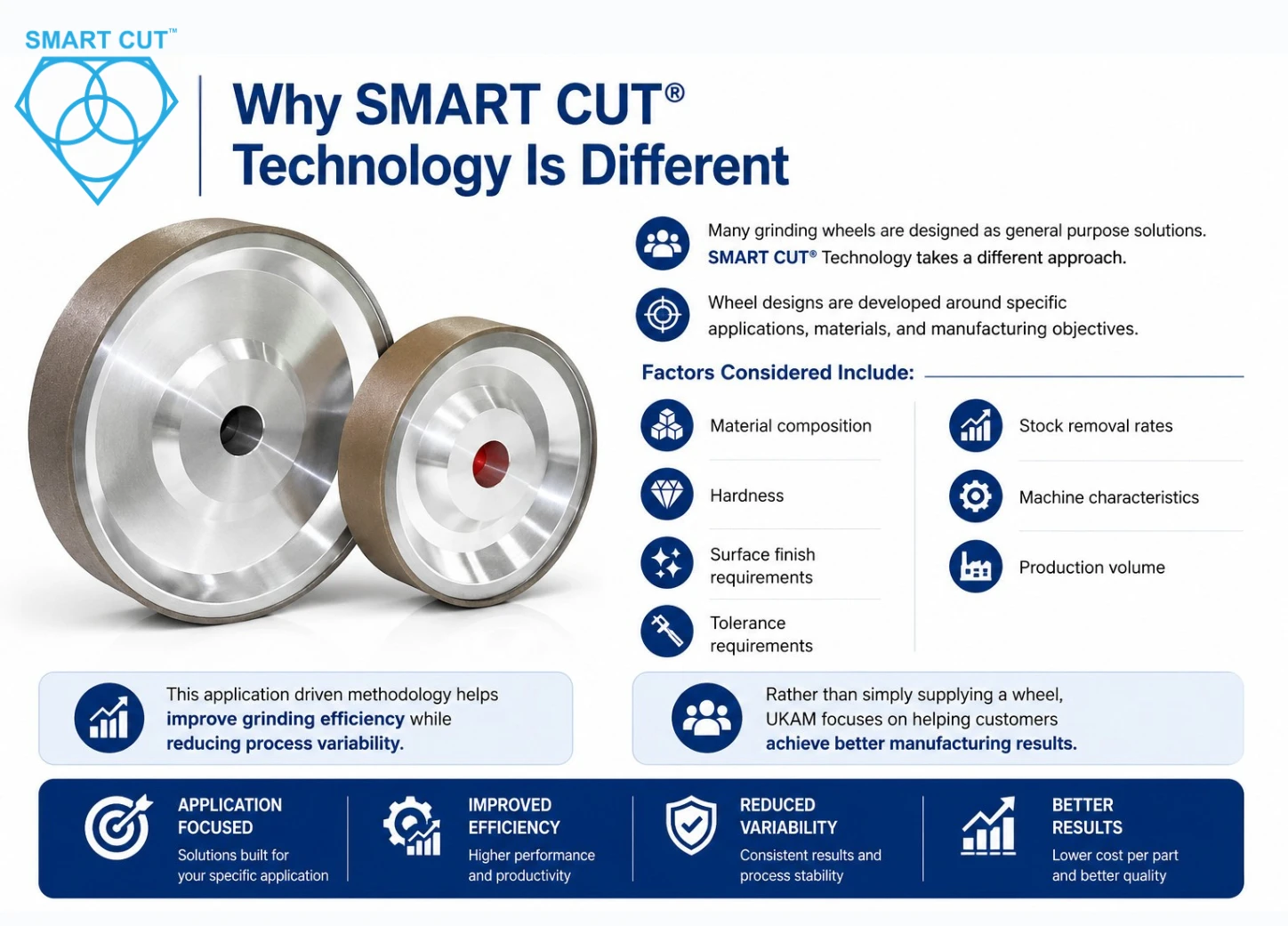
Many grinding wheels are designed as general purpose solutions.

SMART CUT® Technology takes a different approach.

Wheel designs are developed around specific applications, materials, and manufacturing objectives.

Factors considered include:

  • Material composition
  • Hardness
  • Surface finish requirements
  • Tolerance requirements
  • Stock removal rates
  • Machine characteristics
  • Production volume

This application driven methodology helps improve grinding efficiency while reducing process variability.

Rather than simply supplying a wheel, UKAM focuses on helping customers achieve better manufacturing results.

Frequently Asked Questions

Diamond wheels are generally preferred for carbide, ceramics, glass, sapphire, quartz, composites, and non ferrous materials. CBN wheels are typically used for hardened steels and ferrous alloys.

The bond system controls abrasive retention, wheel wear characteristics, heat generation, and grinding performance.

Yes. An incorrect wheel specification can increase cycle times, create defects, generate excessive heat, and reduce productivity.

Different materials require different grinding strategies. Matching wheel design to the application helps improve consistency, quality, and manufacturing efficiency.

Conclusion

Grinding performance influences far more than surface finish.

The grinding process affects dimensional accuracy, tool life, inspection results, throughput, and overall manufacturing profitability.

Diamond and CBN wheels offer substantial advantages for processing difficult to machine materials, but achieving optimal results requires more than just selecting an abrasive.

Wheel design, bond selection, process stability, coolant management, and application specific engineering all contribute to success.

SMART CUT® Diamond and CBN Wheels help manufacturers improve consistency, reduce process variability, and achieve better grinding performance across a wide range of industrial applications.

By focusing on the complete manufacturing process rather than wheel selection alone, manufacturers can reduce scrap, improve productivity, and lower total production costs.

Trusted by Tens of Thousands of Manufacturers, Laboratories,
Research Institutions Worldwide Since 1990

American Based Manufacturer

Established in 1990

Custom manufacturing

RELATED ARTICLES

Brian is an experienced professional in the field of precision cutting tools, with over 27 years of experience in technical support. Over the years, he has helped engineers, manufacturers, researchers, and contractors find the right solutions for working with advanced and hard-to-cut materials. He’s passionate about bridging technical knowledge with real-world applications to improve efficiency and accuracy.

As an author, Brian Farberov writes extensively on diamond tool design, application engineering, return on investment strategies, and process optimization, combining technical depth with a strong understanding of customer needs and market dynamics.

author-avatar

About Brian Farberov

Brian is an experienced professional in the field of precision cutting tools, with over 27 years of experience in technical support. Over the years, he has helped engineers, manufacturers, researchers, and contractors find the right solutions for working with advanced and hard-to-cut materials. He’s passionate about bridging technical knowledge with real-world applications to improve efficiency and accuracy. As an author, Brian Farberov writes extensively on diamond tool design, application engineering, return on investment strategies, and process optimization, combining technical depth with a strong understanding of customer needs and market dynamics.