








blog, Cutting

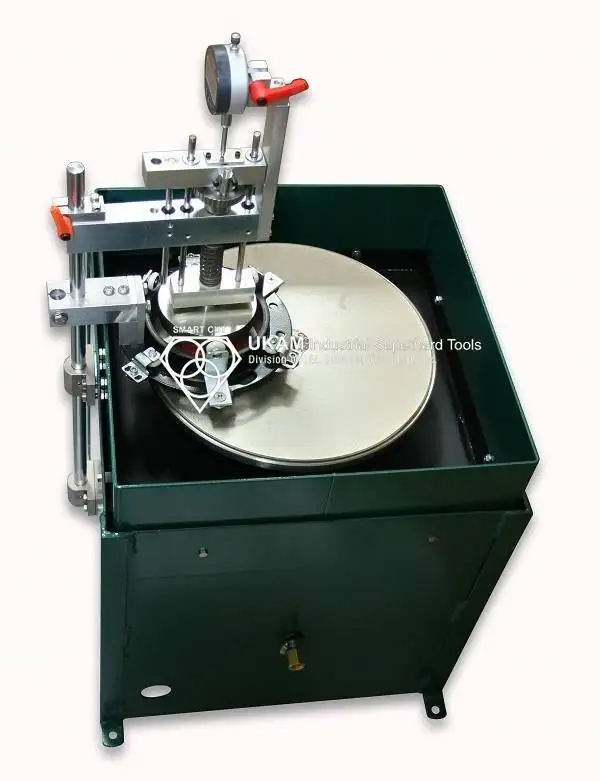
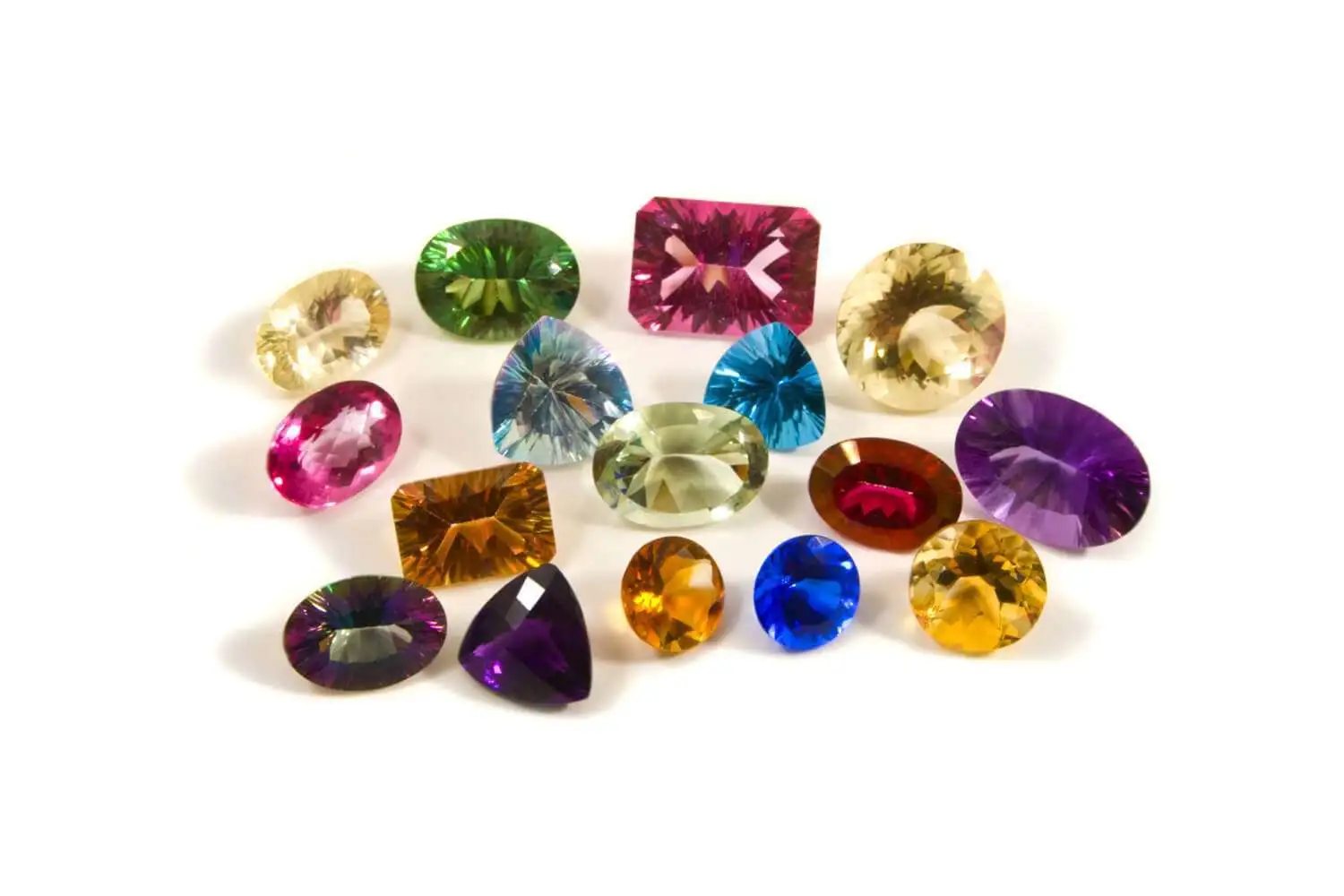
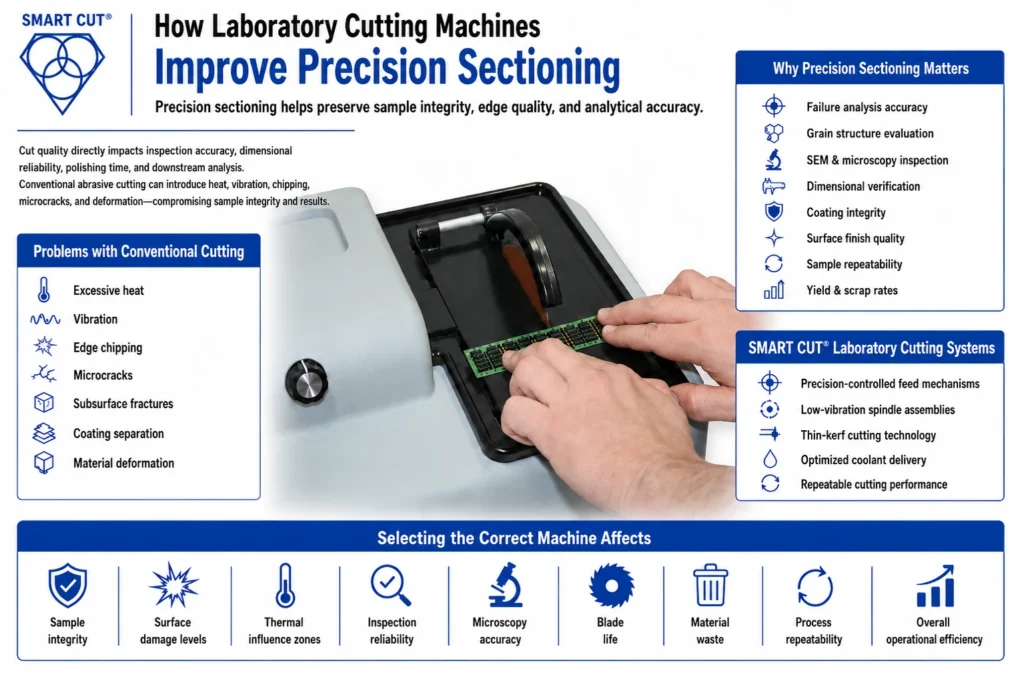
How Laboratory Cutting Machines Improve Precision Sectioning

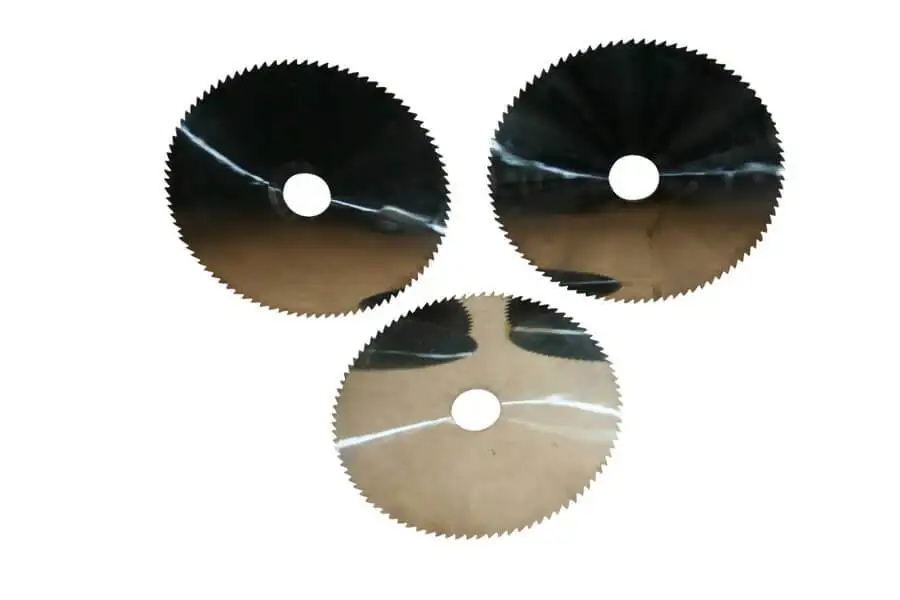
In precision material preparation, the quality of the cut directly affects inspection accuracy, edge integrity, dimensional reliability, polishing time, and downstream analytical results. Standard abrasive cutting equipment often introduces excessive heat, vibration, edge chipping, microcracks, subsurface fractures, coating separation, or material deformation — particularly when sectioning brittle, ultra-hard, composite, or advanced engineering materials.
Continue reading
Smart Cut PCD Cutting Tools
blog, Tool Selection

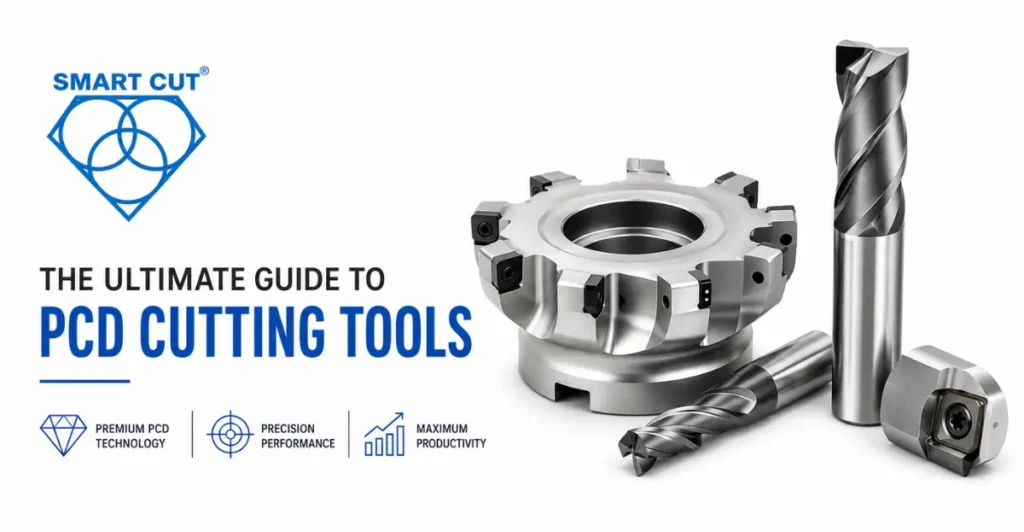
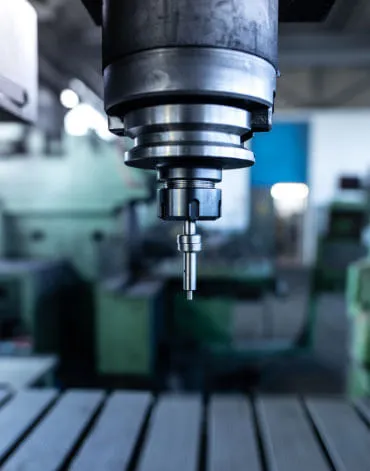
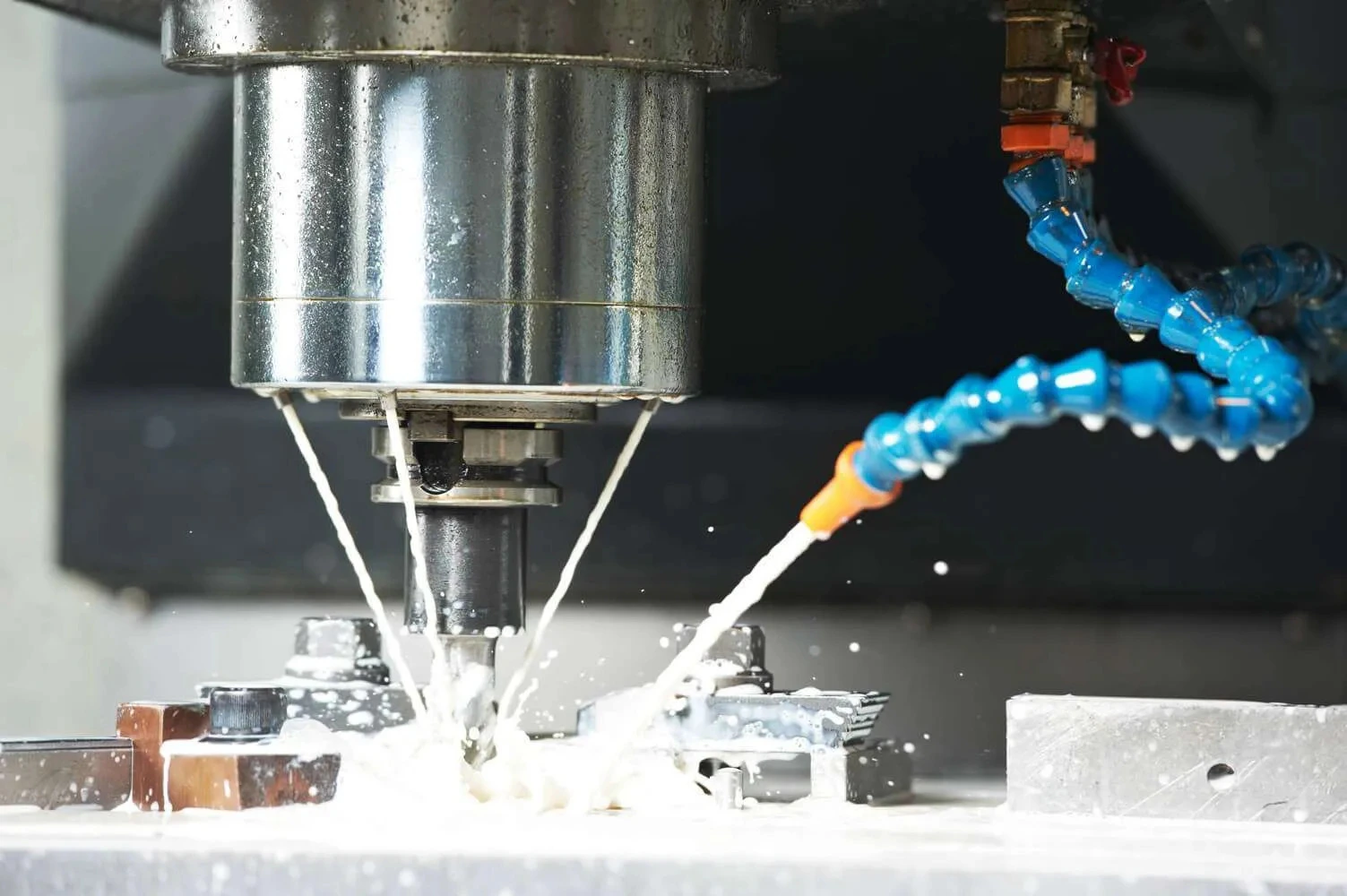
PCD End Mill vs. Face Mill: What Every Engineer Should Know Before Choosing a Milling Tool

When your production line depends on consistent part geometry, surface finish, and repeatable tolerances, choosing the wrong milling tool is not a minor inconvenience. It means scrap parts, broken tooling, and unplanned downtime. For engineers and process planners working with non-ferrous metals, composites, and ultra-hard materials, the choice between a PCD end mill and a PCD face mill comes up constantly.
Continue reading
Diamond Abrasive Safety
blog, Materials

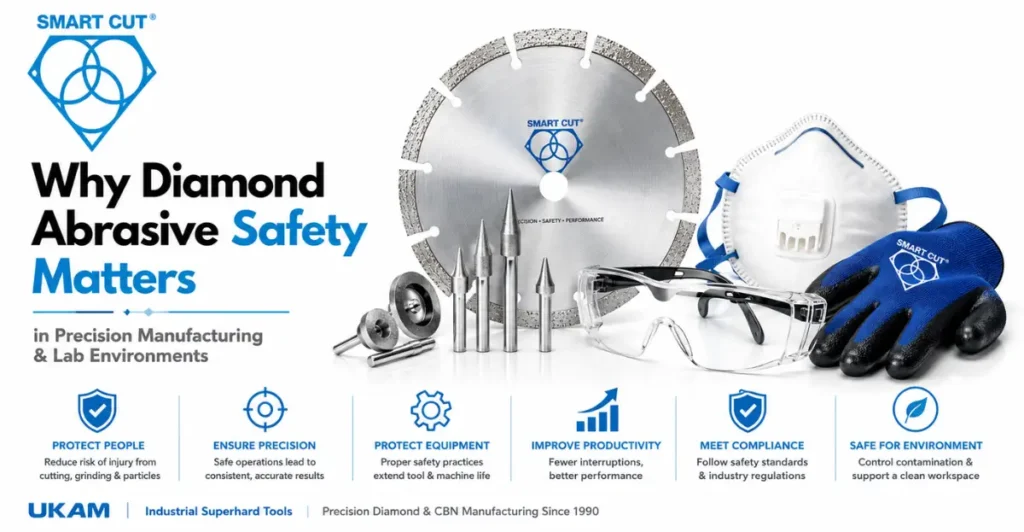
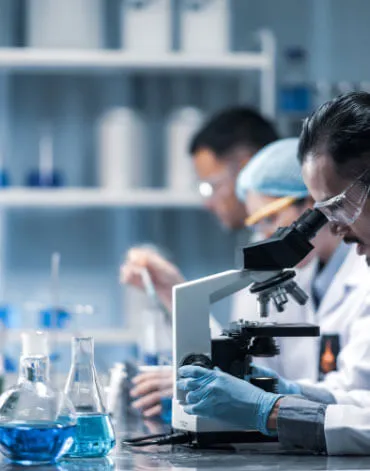
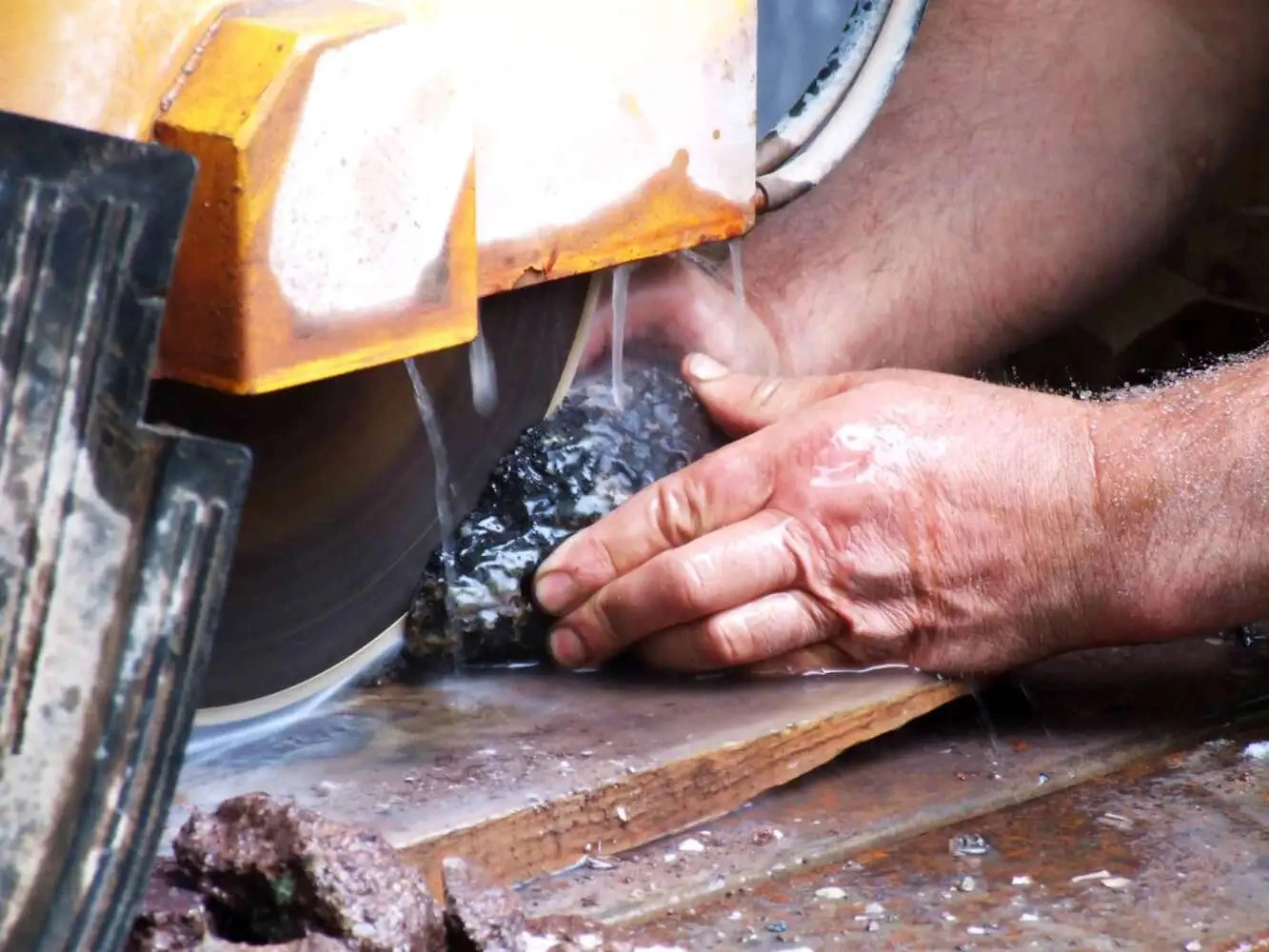
Why Diamond Abrasive Safety Matters in Precision Manufacturing & Lab Environments

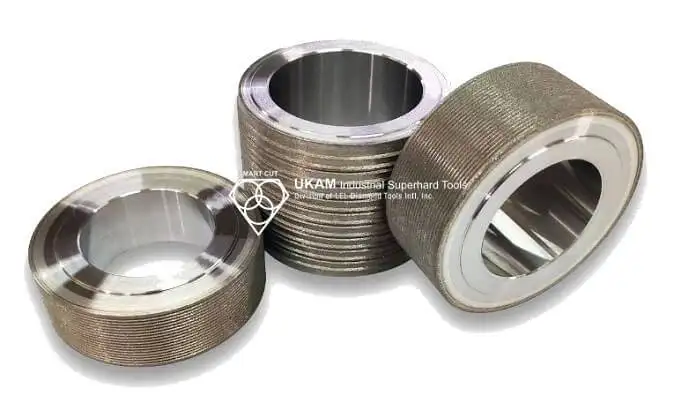
For engineers, QC technicians, and lab managers working with superhard materials, diamond abrasives are indispensable. They deliver the consistency, repeatability, and dimensional accuracy that modern production and research demand. But across decades of manufacturing precision diamond and CBN tools for industry, UKAM has observed one recurring blind spot in even well-run facilities: safety practices rarely keep pace with the performance capabilities of the abrasives being used.
Continue reading
semiconductor wafer manufacturing process
semiconductor industry, blog

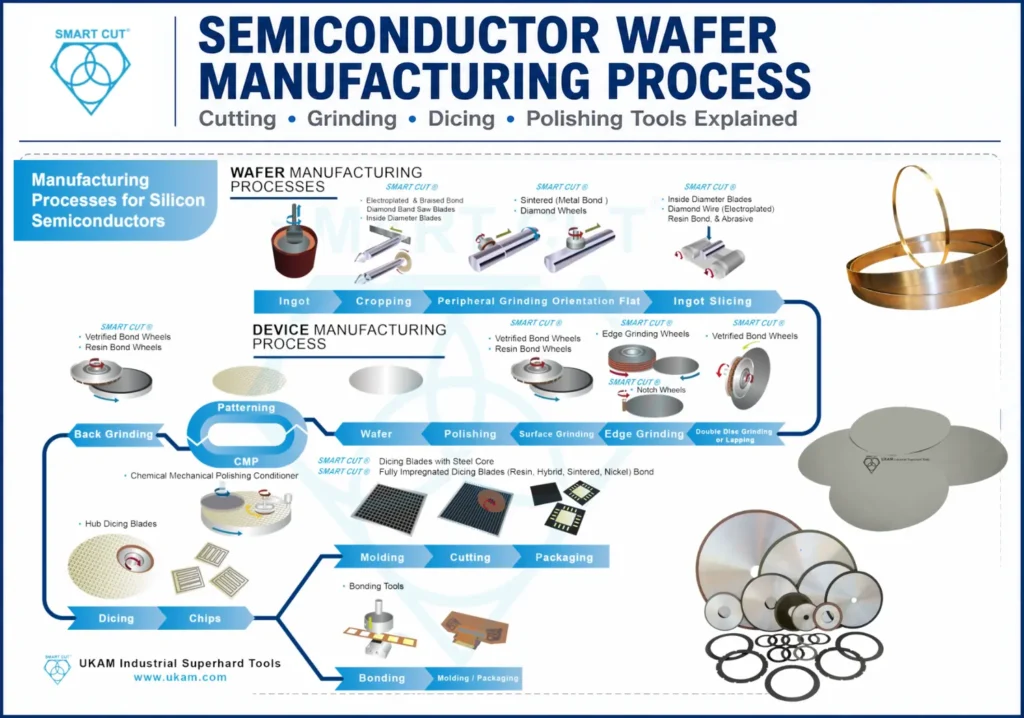
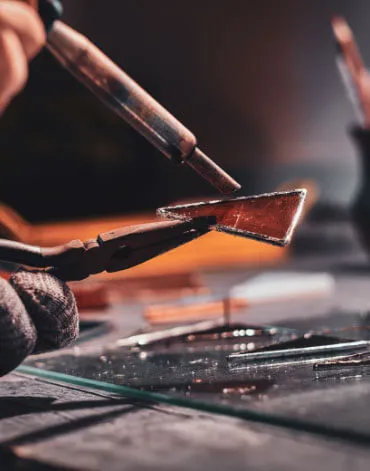
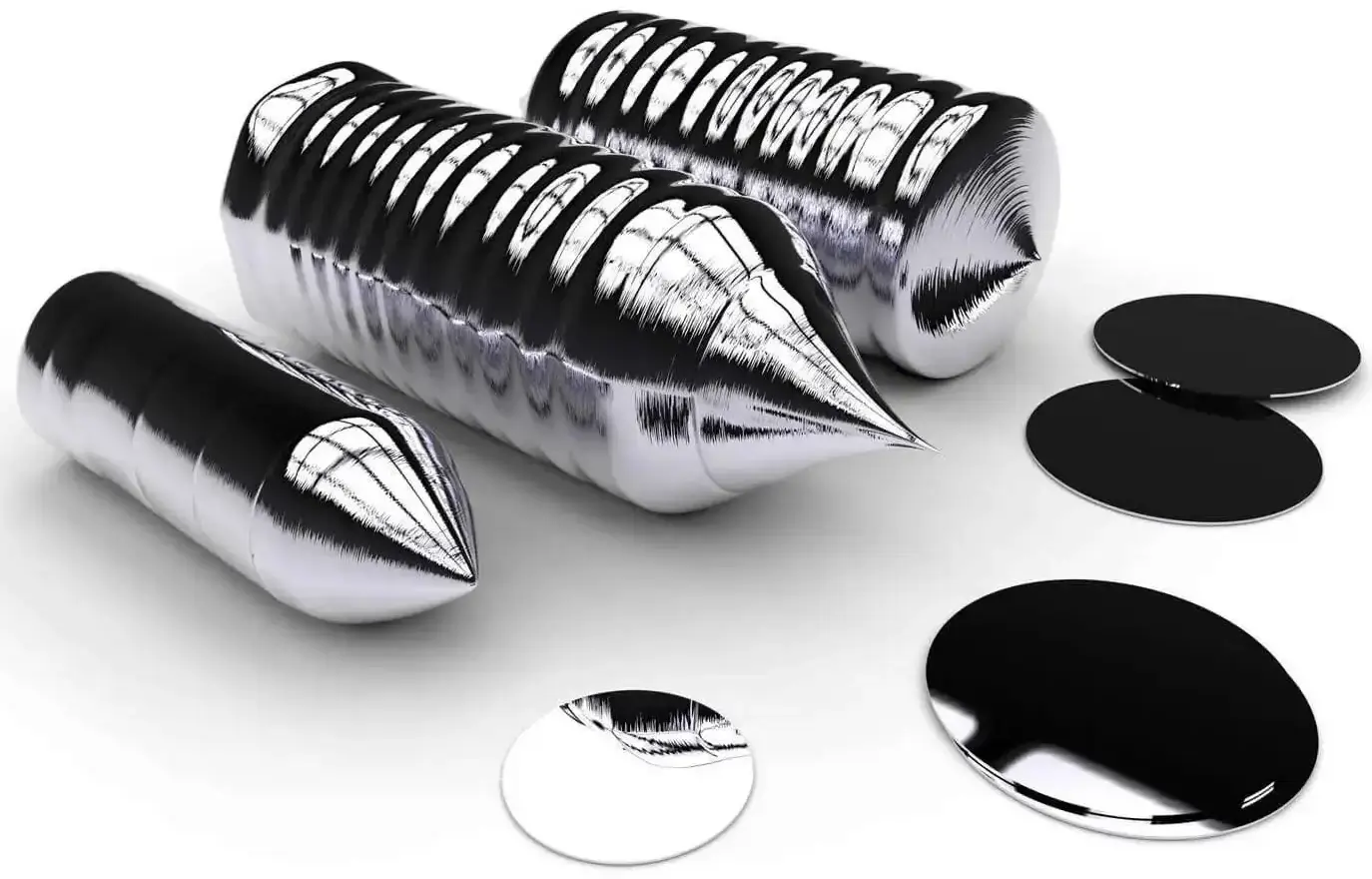
Semiconductor Wafer Manufacturing Process: Cutting, Grinding, Dicing & Polishing Tools Explained

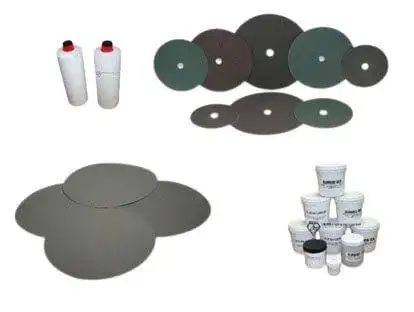
Modern semiconductor manufacturing demands extreme precision at every stage — from preparing a silicon ingot to singulating individual chips. Each operation directly shapes device performance, production yield, surface integrity, and cost per wafer. As chips become smaller, thinner, and more complex, the diamond tooling and abrasive consumables used throughout the process have become equally critical to the finished product as the semiconductor material itself.
Continue reading