
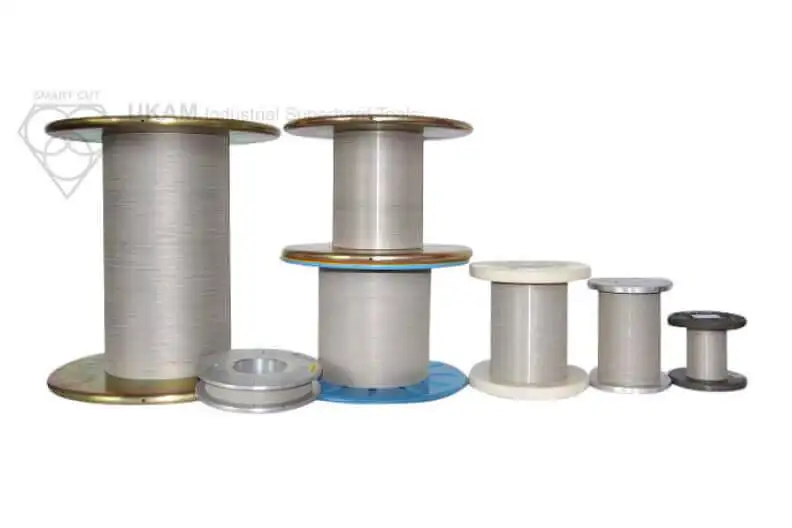








Diamond Wire Saw: Maximizing Material Yield and Precision Cutting of Advanced Materials
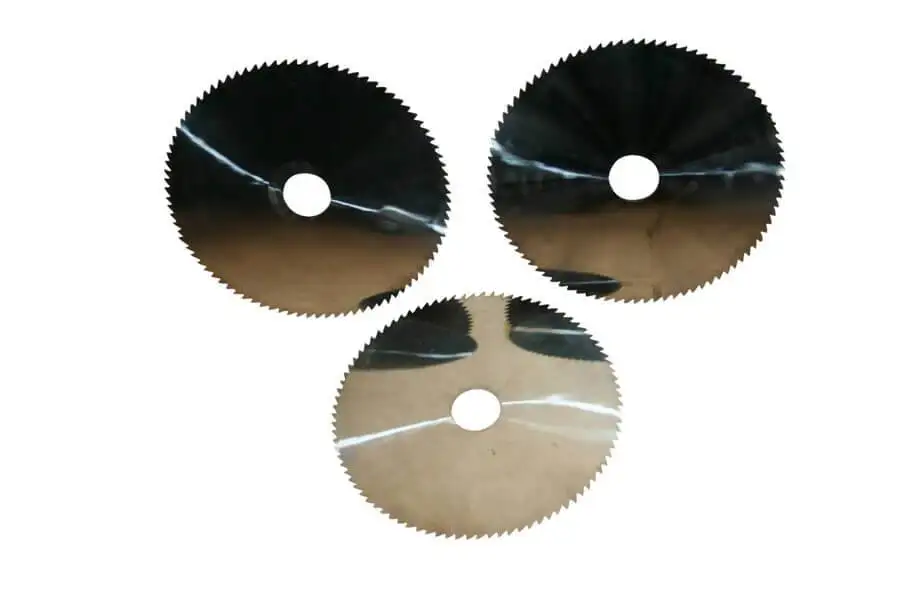
Manufacturers processing sapphire, germanium, silicon, quartz, technical ceramics, optical crystals, and advanced electronic materials face a common challenge: every cut removes material, introduces some degree of stress, and influences the quality of every downstream operation.
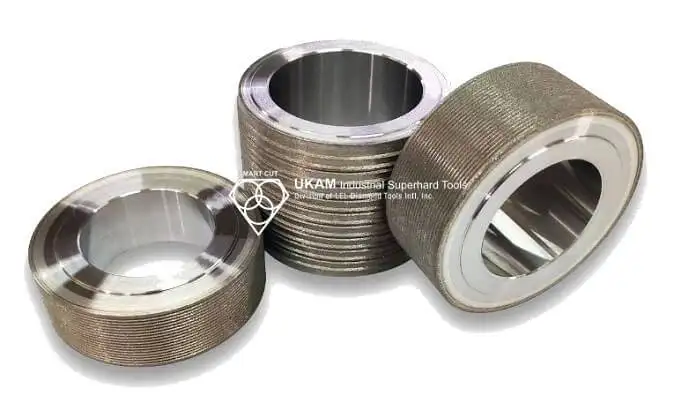
Electroplated Diamond Edge Grinding Wheels: Improving Edge Quality, Reducing Subsurface Damage, and Increasing Manufacturing Yield
In many manufacturing operations, the most critical feature of a component is not the surface. It is the edge.
A component can meet dimensional tolerances, achieve the required surface finish, and pass initial inspection, yet still fail during assembly, coating, polishing, handling, or field use because of damage introduced during edge grinding. Small chips, microcracks, and subsurface fractures often begin at the edge and propagate throughout the material under mechanical or thermal stress.
How to Switch Superabrasive Grinding Wheel Suppliers
Switching grinding wheel or diamond tool suppliers is one of the most avoided decisions in precision manufacturing. The hesitation is understandable. A change in abrasive specification can shift surface finish, tighten or loosen dimensional tolerances, and alter cycle times in ways that take weeks to isolate and diagnose.
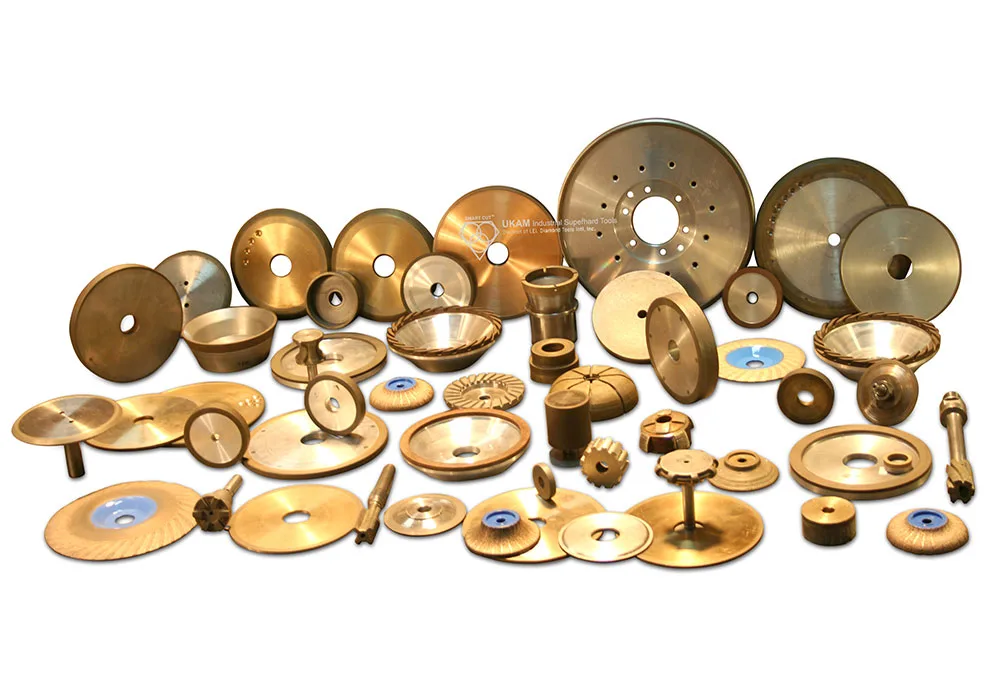
Diamond & CBN Wheels with SMART CUT® Technology: Improving Grinding Performance, Reducing Manufacturing Costs, and Achieving Consistent Results
Grinding is often viewed as a finishing operation. In reality, it is one of the most influential processes in manufacturing. The quality of a grinding operation affects dimensional accuracy, surface integrity, tool life, coating adhesion, inspection results, and overall production costs.
Diamond Milling Tools for Precision Machining of Advanced Materials
Conventional carbide end mills and abrasive tooling often struggle when machining advanced engineering materials such as alumina ceramics, sapphire, quartz, silicon carbide, ferrites, tungsten carbide, and carbon composites. In production environments, problems such as rapid edge wear, thermal cracking, glazing, dimensional instability, and excessive edge chipping become increasingly common as material hardness and brittleness increase.
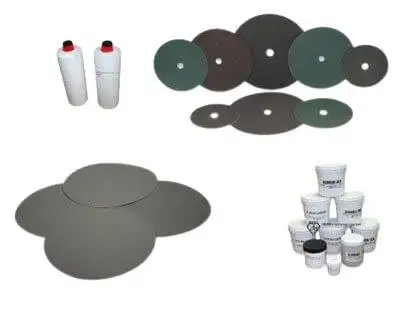
Abrasive Grinding Belts for Metallography and Precision Sample Preparation
In metallographic sample preparation, surface quality directly affects analytical accuracy. Poor grinding consistency, excessive deformation, deep scratches, overheating, and edge rounding can compromise microscopic analysis and lead to inaccurate material characterization. For laboratories, quality control departments, research facilities, and production environments, the grinding stage is one of the most critical steps in the entire sample preparation process.
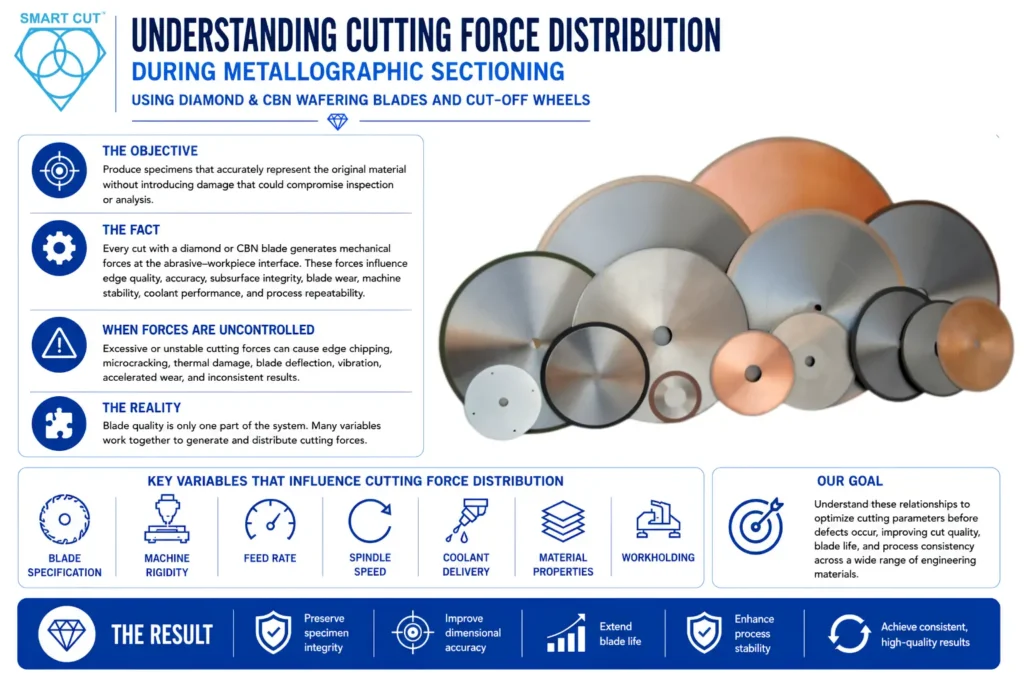
How Laboratory Cutting Machines Improve Precision Sectioning
In precision material preparation, the quality of the cut directly affects inspection accuracy, edge integrity, dimensional reliability, polishing time, and downstream analytical results. Standard abrasive cutting equipment often introduces excessive heat, vibration, edge chipping, microcracks, subsurface fractures, coating separation, or material deformation — particularly when sectioning brittle, ultra-hard, composite, or advanced engineering materials.
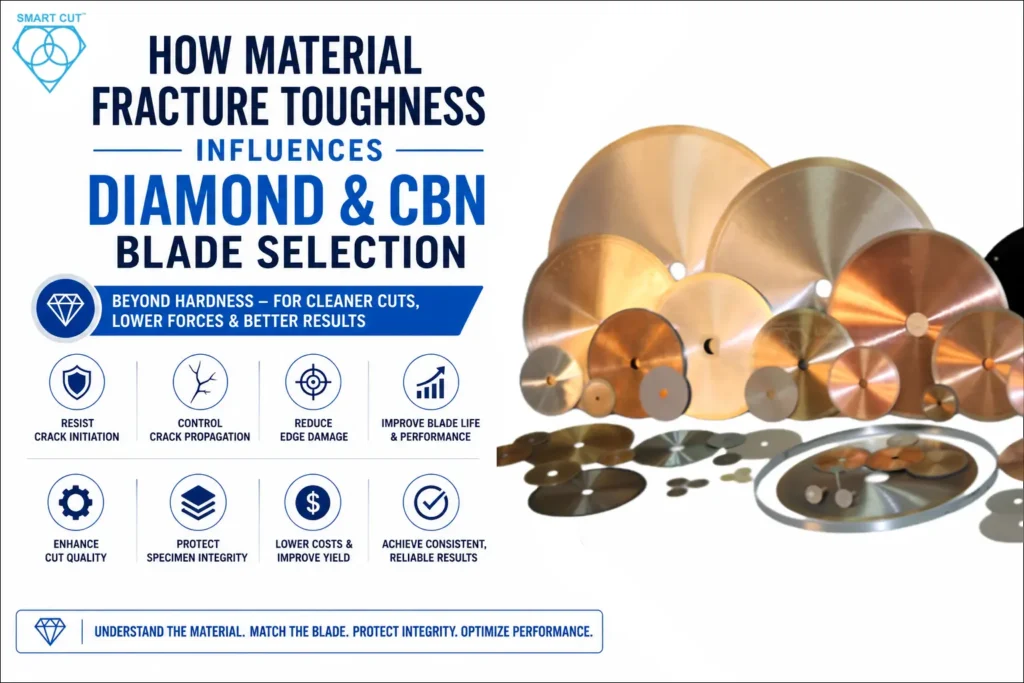
How to Select a Diamond Blade for 99.5% Alumina Ceramic Without Edge Chipping
99.5% alumina ceramic is one of the most widely used advanced ceramics in semiconductor, aerospace, electronics, medical, optics, and industrial manufacturing applications. It offers excellent hardness, dielectric properties, wear resistance, and thermal stability — but it is also highly brittle and sensitive to edge chipping during cutting.
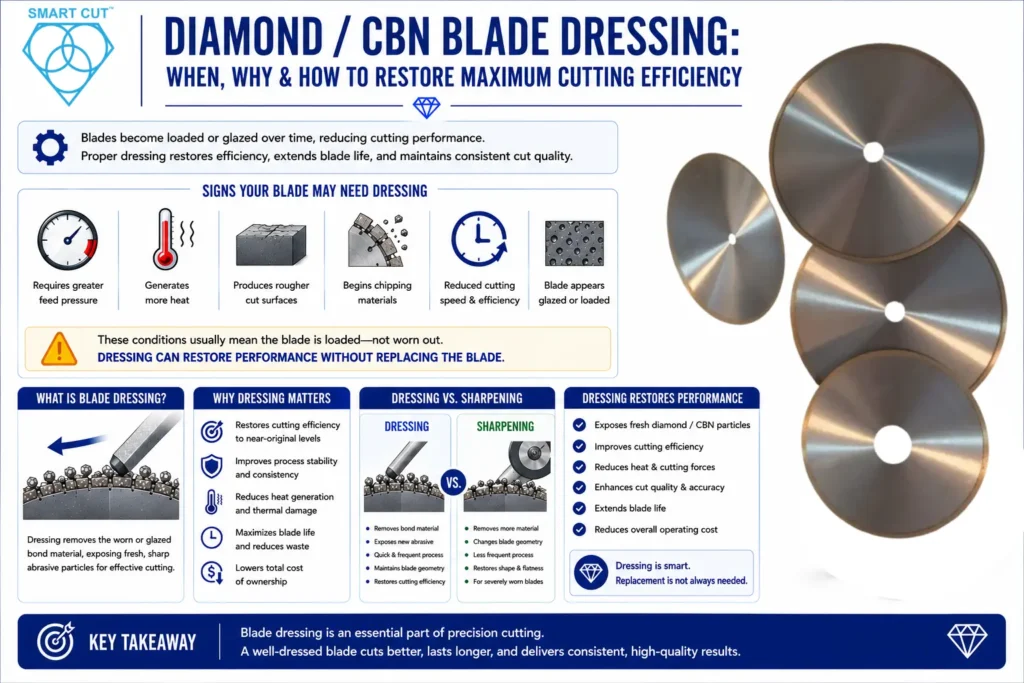
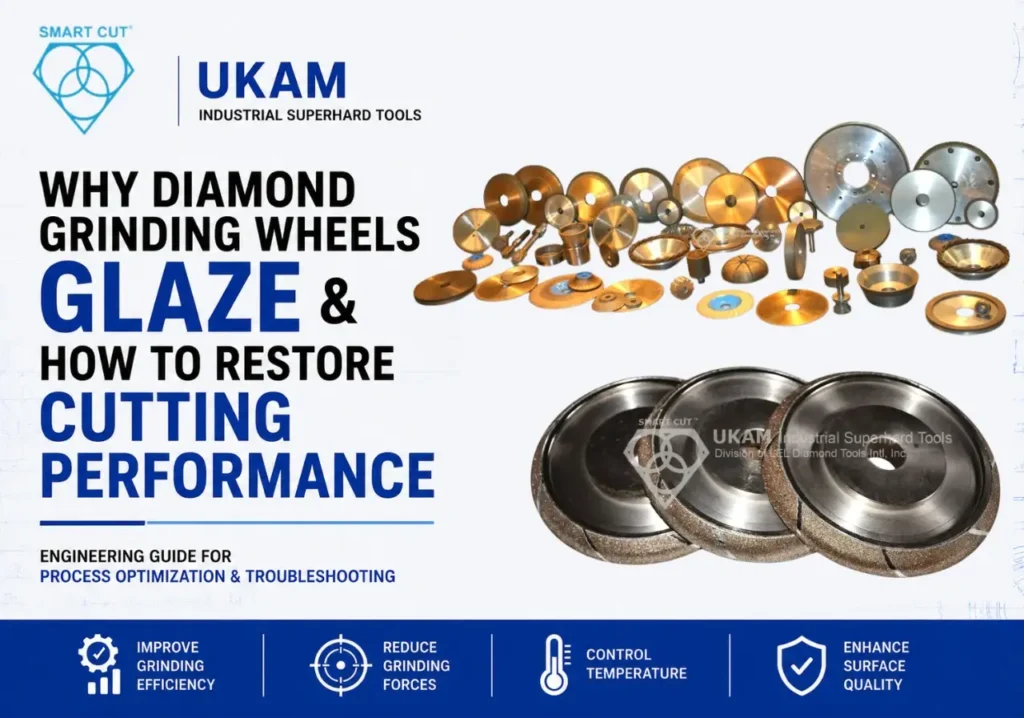
Diamond Grinding Wheel Loading and Glazing: Complete Technical Guide for Engineers
Diamond & cbn Wheel loading and wheel glazing are the two most common causes of performance failure in precision diamond grinding — ceramics, glass, carbide, sapphire, composites, semiconductor materials. At UKAM, these two conditions account for the majority of technical support calls we receive every week.