
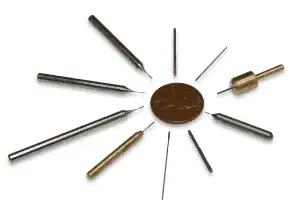
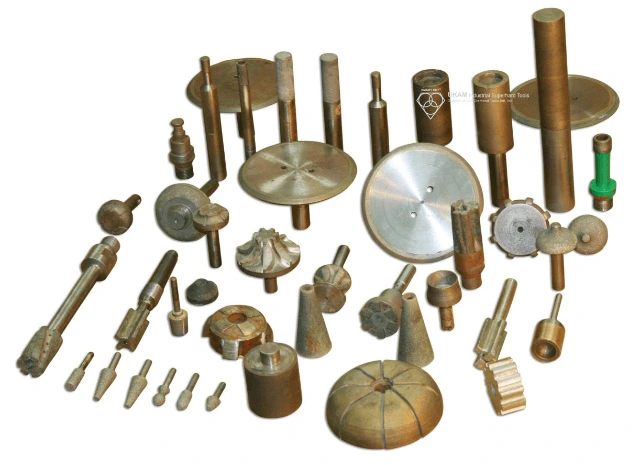
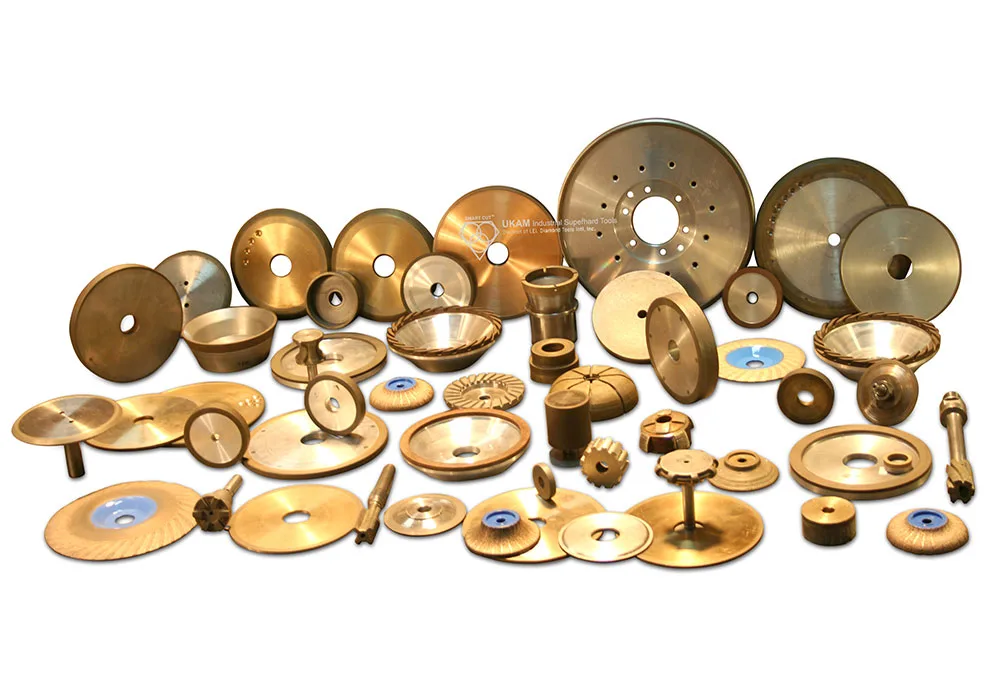
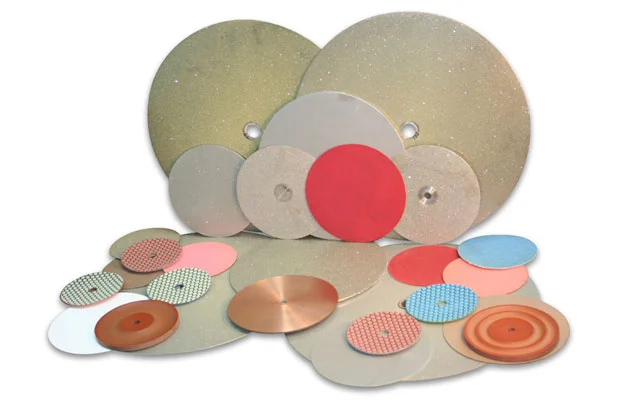
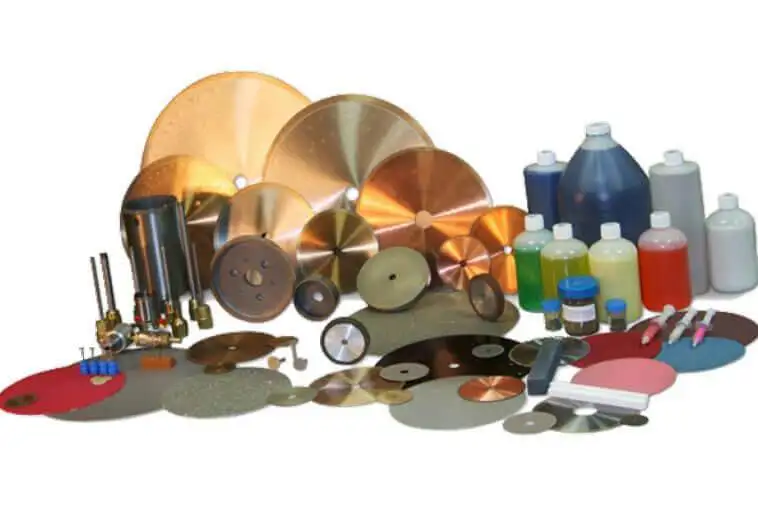







Slicing and dicing wheels for precision applications
blog, Grinding

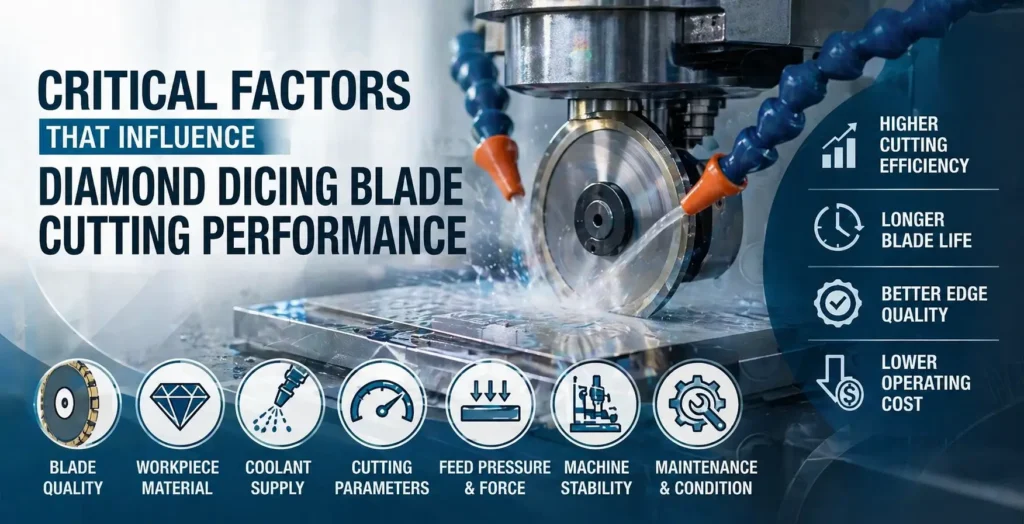
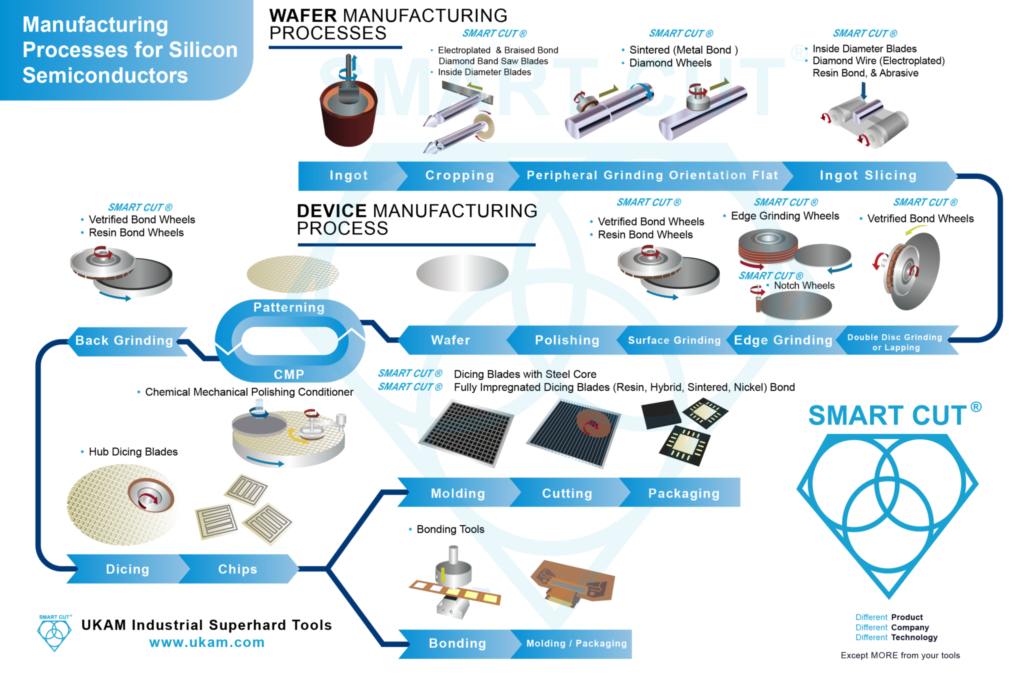
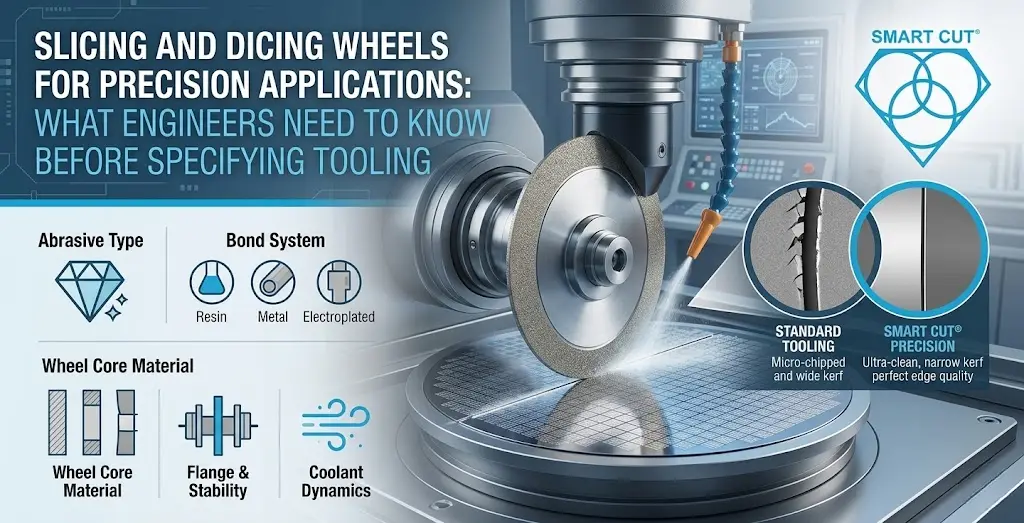
Slicing and Dicing Wheels for Precision Applications: What Engineers Need to Know Before Specifying Tooling

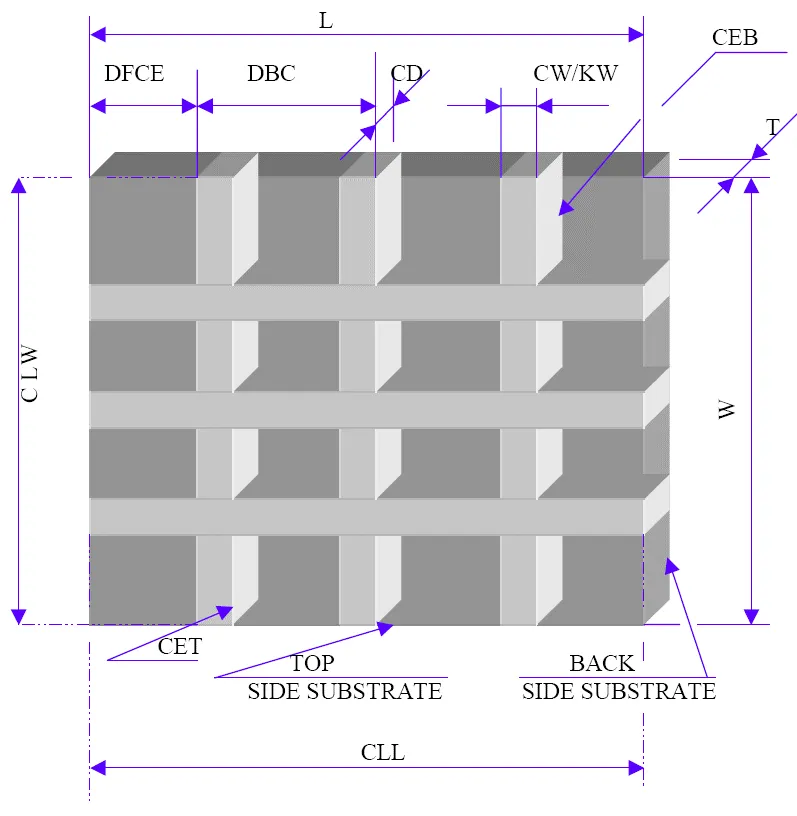
When you’re processing silicon wafers, advanced ceramics, optical glass, or compound semiconductors, the margin for error is essentially zero. A single chipped edge, an inconsistent kerf, or a thermally damaged substrate doesn’t just mean rework — it means scrapped material, delayed production schedules, and direct cost impact on your operation.
Continue reading
Metal Bond Diamond Discs
Metallography / Sample Preparation, blog

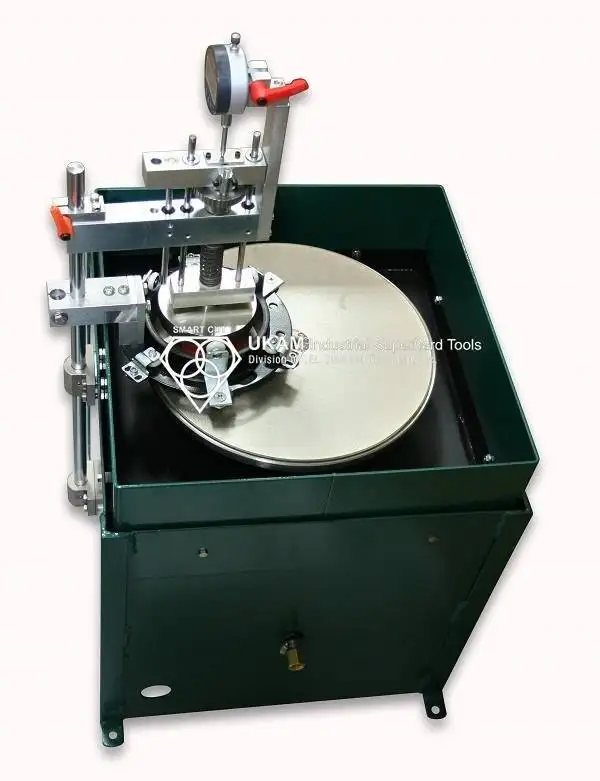
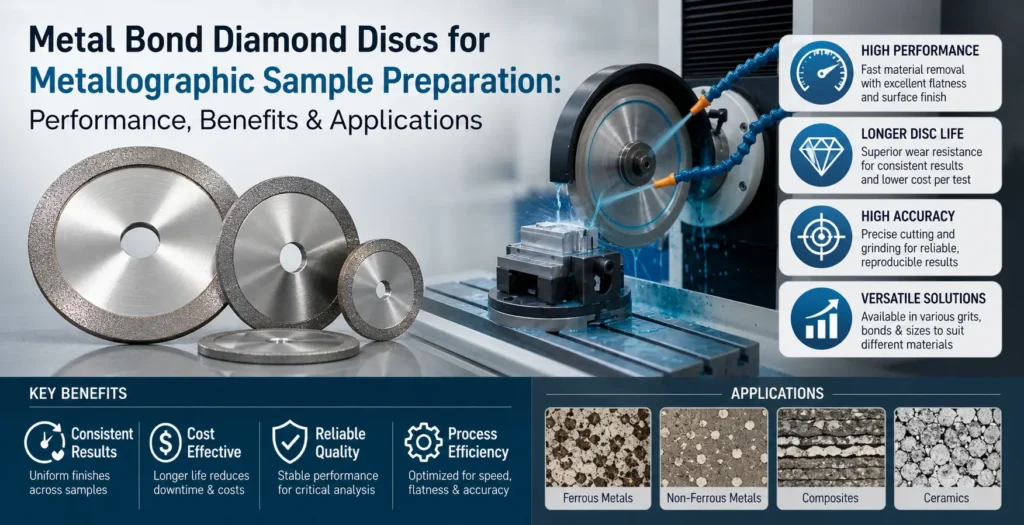
Metal Bond Diamond Discs for Metallographic Sample Preparation: Performance, Benefits & Applications

Proper sample preparation is a key contributor to accurate metallographic analysis. Research on the microstructure of materials, the appearance of material defects, or their formation, and which heat treatment processes can lead to certain influences on the structure requires at least some stage of preparation, for which reliability is important. Usually, the first step of this procedure is grinding, and the grinding tools have a significant effect on the quality of the resulting specimen.
Continue reading
blog, Lapping Discs

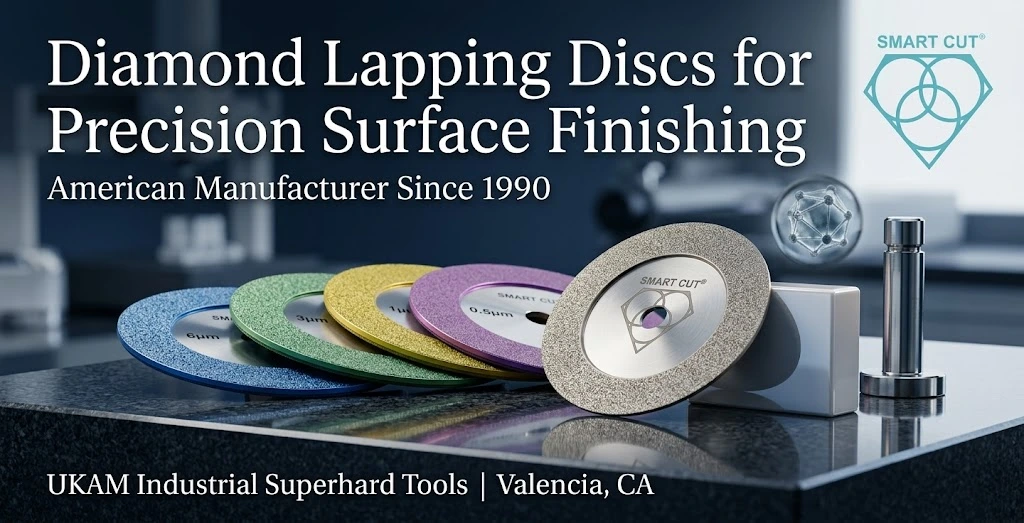
Diamond Lapping Discs for Precision Surface Finishing

Diamond grit size is one of the most significant factors influencing the performance of diamond debt cutting, grinding, and polishing tools. While operators in many applications may focus on machine settings, feed rates, or coolant conditions, they often ignore the fact that, like any material, diamond abrasive particle size is a fundamental requirement that dictates tool/material interaction.
Continue reading
blog, Troubleshooting

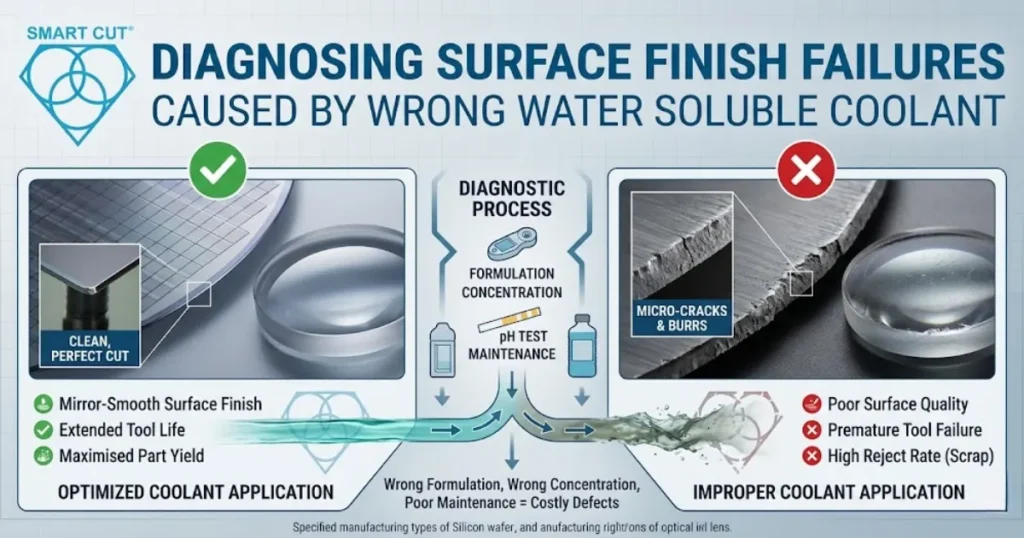
Diagnosing Surface Finish Failures Caused by Wrong Water Soluble Coolant

In precision manufacturing — semiconductor dicing, advanced ceramics, photonics, optical grinding — the fluid in your cutting zone is not a secondary concern. It directly determines tool life, yield, surface finish, and part integrity. Water soluble coolant is one of the most mismanaged variables in precision operations. Wrong formulation, wrong concentration, or poor maintenance will cost you in scrap, tool wear, and rework. This guide covers what you need to know.
Continue reading
blog, Cutting

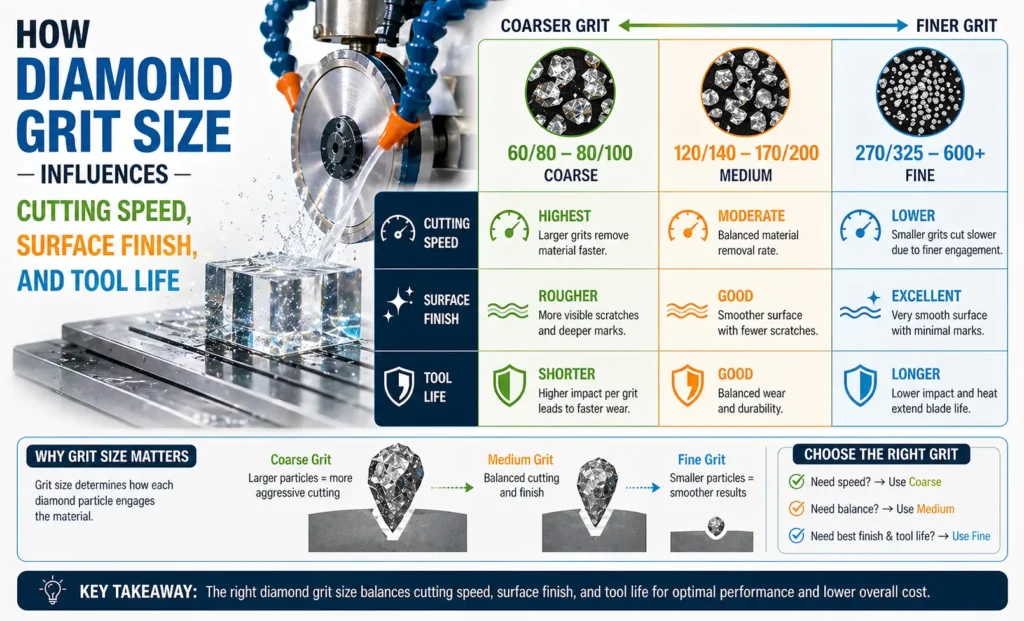
How Diamond Grit Size Influences Cutting Speed, Surface Finish, and Tool Life

Diamond grit size is one of the most significant factors influencing the performance of diamond debt cutting, grinding, and polishing tools. While operators in many applications may focus on machine settings, feed rates, or coolant conditions, they often ignore the fact that, like any material, diamond abrasive particle size is a fundamental requirement that dictates tool/material interaction.
Continue reading
blog, Grinding

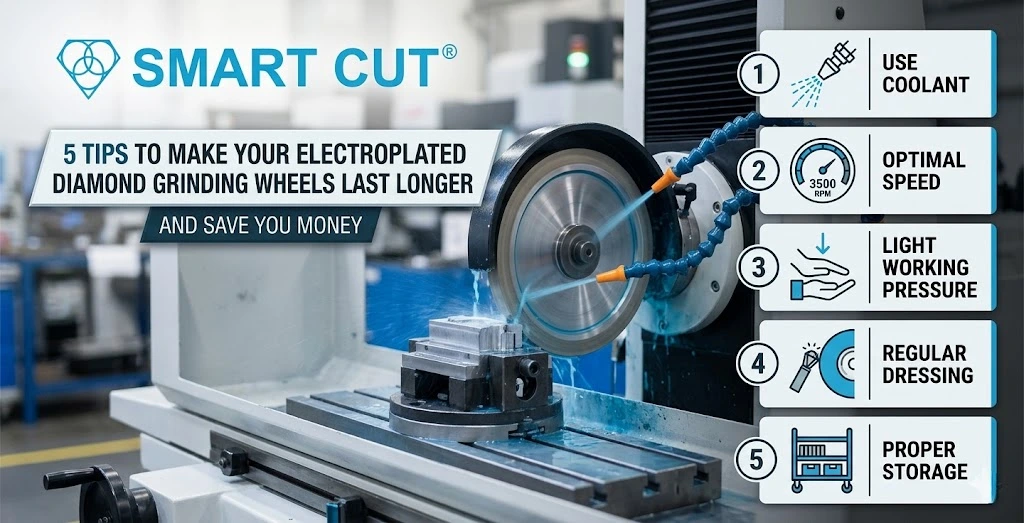
5 Tips That Make Your Electroplated Diamond Grinding Wheels Last Longer — And Save You Money

When you invest in precision electroplated diamond wheels, you are investing in one of the most aggressive, high-performance abrasive technologies available in industrial manufacturing. Unlike multi-layer bonded systems, electroplated tools expose a single layer of diamond or CBNcrystals locked into a nickel matrix — maximizing protrusion height, cutting speed, and profile fidelity. That precision comes at a cost. Once that single layer is gone, the wheel is done.
Continue reading