








Semiconductor Wafer Grinding: Reduction in Edge Chipping Using Resin Bond Diamond Wheels
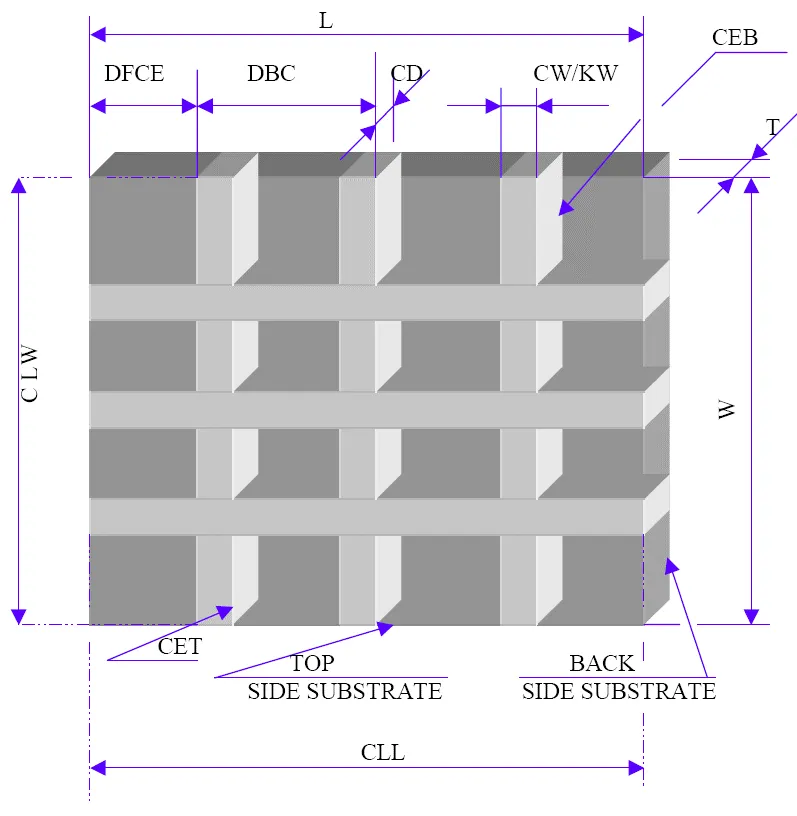
Edge chipping during semiconductor wafer grinding was generating unacceptable scrap rates on GaAs, sapphire, and silicon carbide substrates used in RF devices, power electronics, and optoelectronic manufacturing. During qualification trials a metal bond diamond wheel optimized primarily for wheel life and dimensional retention. Production data showed progressive edge fracture, thermal haze, and subsurface cracking during finish grinding passes.
Why Diamond Blades Fail Prematurely During Silicon Carbide Cutting
A manufacturer producing silicon carbide substrates for power electronics and semiconductor applications experienced severe diamond blade wear during precision slotting and wafer separation operations. Blade life dropped below acceptable production thresholds within weeks after transitioning from alumina-based ceramic components to silicon carbide. Operators reported increasing spindle load, thermal discoloration near cut edges, unstable kerf width, and excessive dressing frequency during long production runs.
Advanced Ceramic Cutting: Reducing Edge Chipping in Alumina Components
Edge chipping remains one of the most common and costly challenges when machining advanced ceramic materials. While dimensional tolerances may remain within specification, microscopic edge damage can propagate during downstream processing, resulting in scrap, rework, assembly failures, and reduced component reliability.
Common Causes of Thermal Damage During PCD Grinding Operations
A manufacturer producing PCD cutting tools for aerospace aluminum machining and composite machining applications experienced recurring thermal damage during finish grinding operations. Operators reported edge discoloration, unstable wheel wear, inconsistent edge radius formation, surface haze, and premature insert failure during production validation.
Vitrified Bond Diamond Grinding Wheels for PDC Cutter Grinding
PDC cutter grinding fails in three specific ways: thermal damage to the diamond layer, chipping at the diamond-carbide interface, and wheel glazing that stops material removal entirely. Each failure mode has a distinct cause and a distinct fix. Most process problems trace back to one of three decisions: the wrong bond system, inadequate coolant delivery, or unchanged parameters across the diamond-carbide transition zone.
This guide addresses all three. It covers the material science behind PDC grinding difficulty, why vitrified bond outperforms alternative systems, how to set starting parameters, how to manage the transition zone, and what wheel specification variables actually control surface finish and tool life.
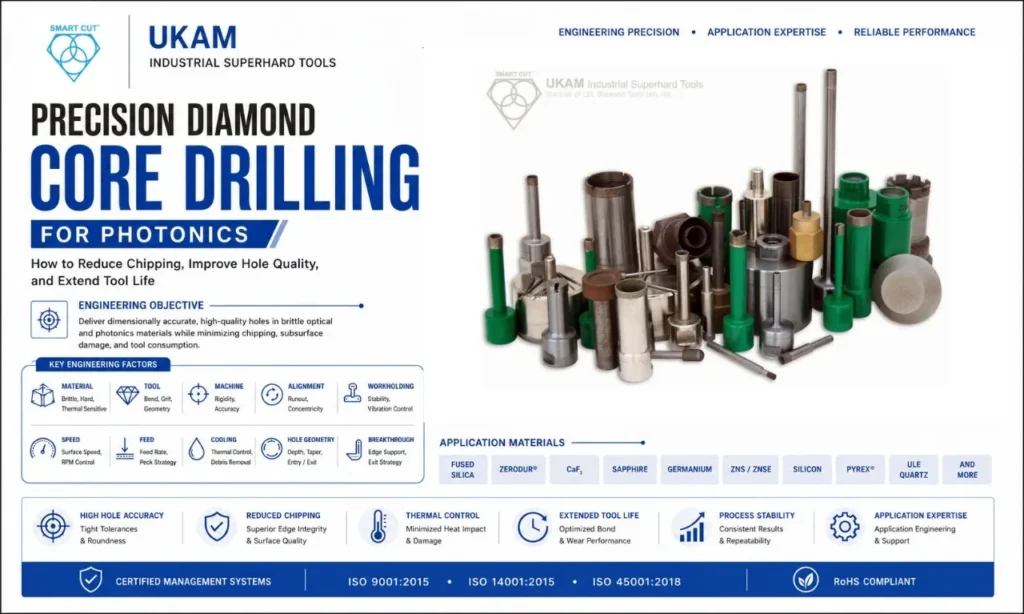
Why Diamond Core Drills Overheat — and How to Control Heat in Every Application
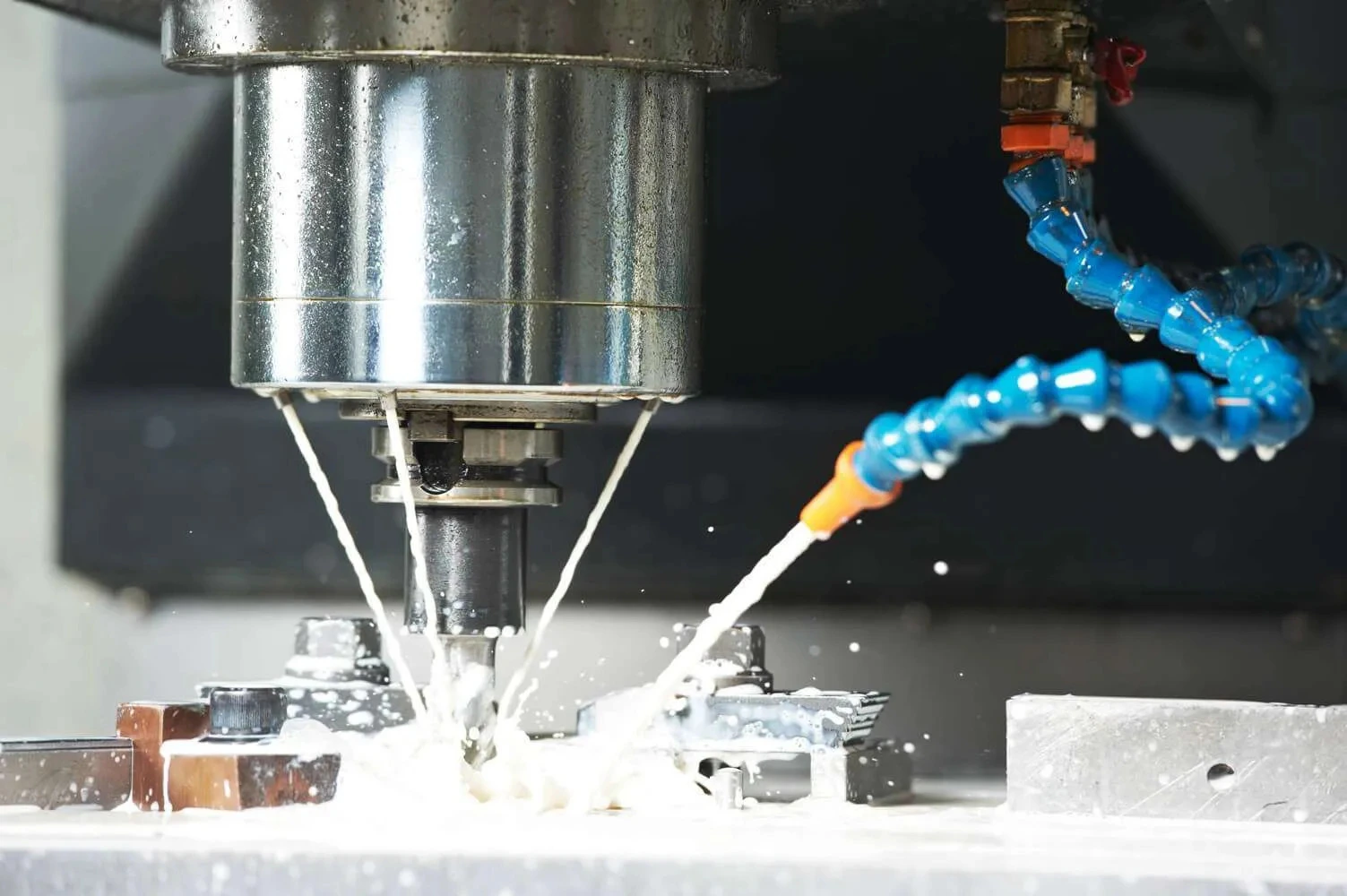
Heat is the primary mechanism of diamond core drill failure. It softens the bond matrix, glazes the cutting face, cracks brittle workpieces, and collapses swarf evacuation, which then generates more heat. The failure is self-reinforcing once it begins.
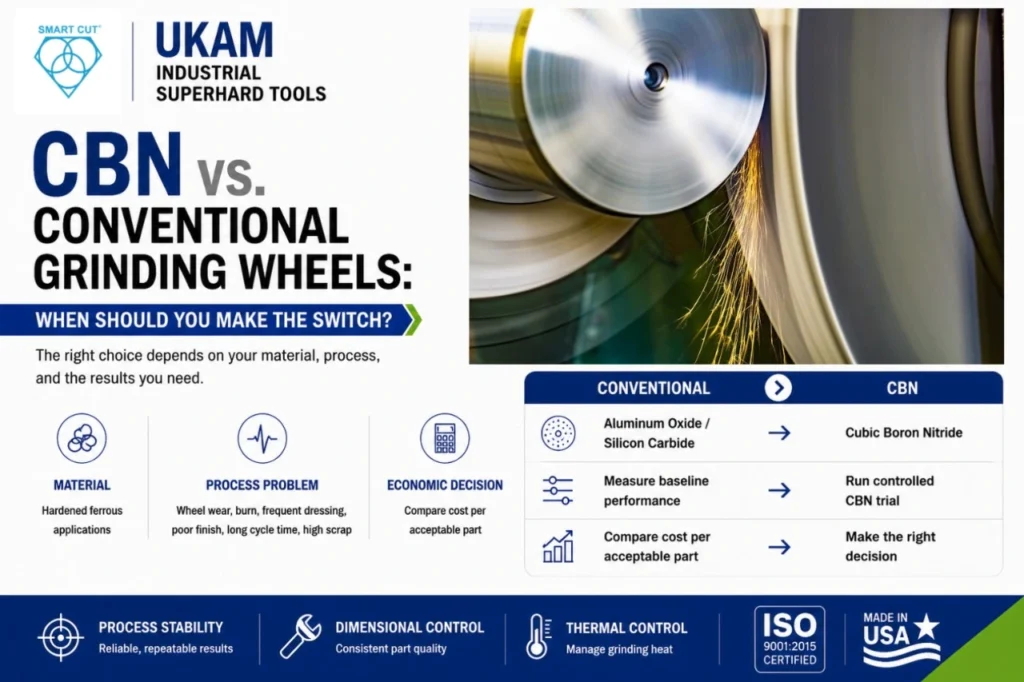
How to Switch Superabrasive Grinding Wheel Suppliers
Switching grinding wheel or diamond tool suppliers is one of the most avoided decisions in precision manufacturing. The hesitation is understandable. A change in abrasive specification can shift surface finish, tighten or loosen dimensional tolerances, and alter cycle times in ways that take weeks to isolate and diagnose.
How to Select a Diamond Blade for 99.5% Alumina Ceramic Without Edge Chipping
99.5% alumina ceramic is one of the most widely used advanced ceramics in semiconductor, aerospace, electronics, medical, optics, and industrial manufacturing applications. It offers excellent hardness, dielectric properties, wear resistance, and thermal stability — but it is also highly brittle and sensitive to edge chipping during cutting.
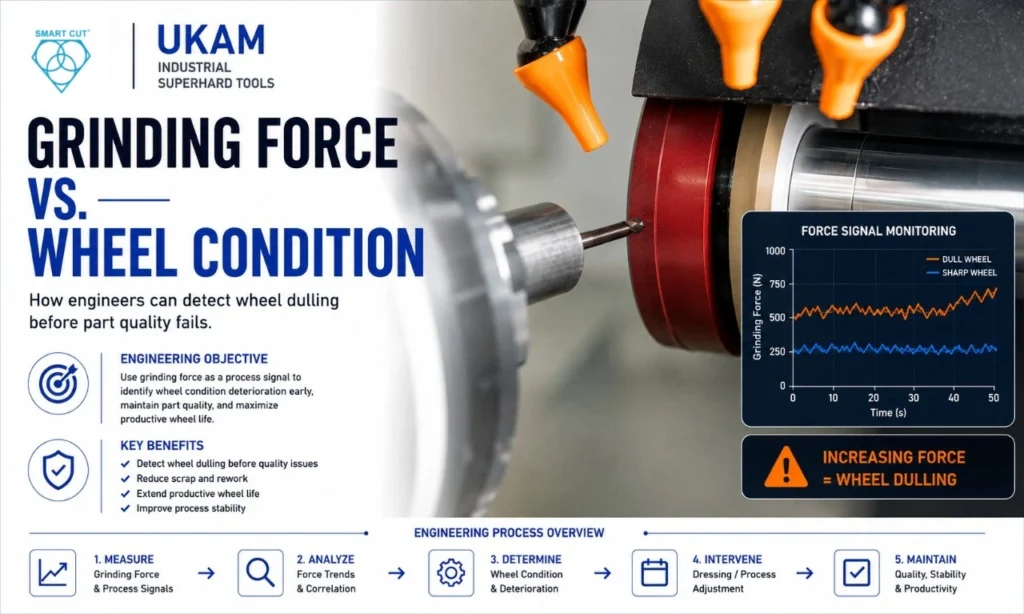
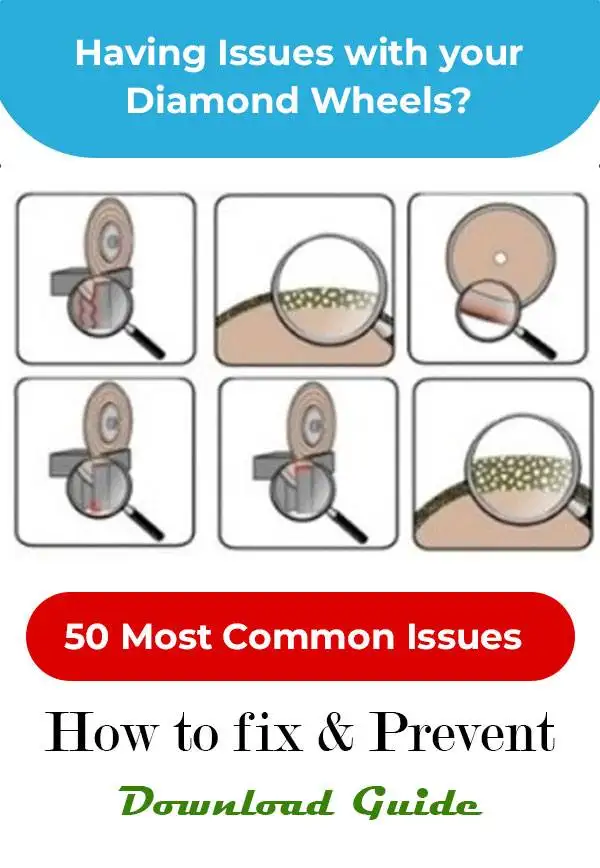
Diamond Grinding Wheel Loading and Glazing: Complete Technical Guide for Engineers
Diamond & cbn Wheel loading and wheel glazing are the two most common causes of performance failure in precision diamond grinding — ceramics, glass, carbide, sapphire, composites, semiconductor materials. At UKAM, these two conditions account for the majority of technical support calls we receive every week.