



















Diamond Wheels and Cup Wheels: How Engineers Select Diamond CBN Wheels for Precision Grinding

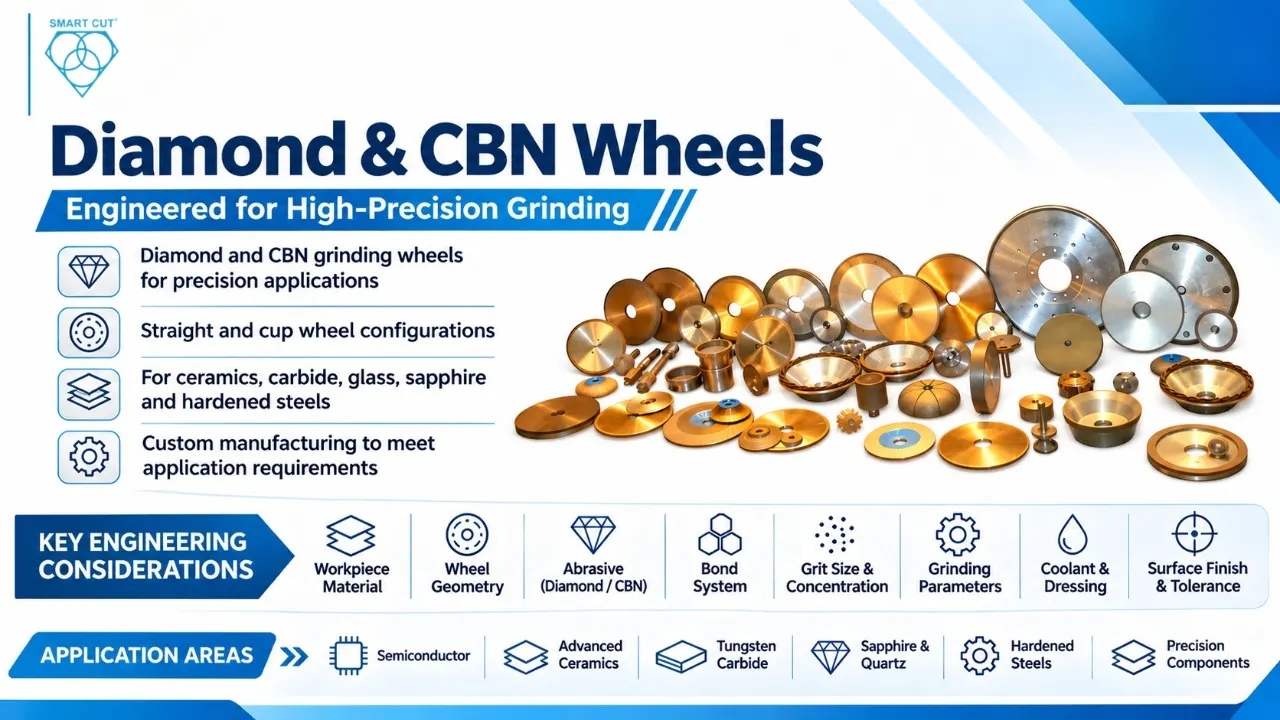
Table of Contents
Toggle
American Based Manufacturer

Established in 1990


Custom manufacturing


Selecting the correct diamond or CBN grinding wheel requires more than matching abrasive type to workpiece hardness. Wheel geometry, bond system, grit size, abrasive concentration, machine capability, coolant delivery, and required surface quality all influence grinding performance.
An unsuitable wheel specification can contribute to excessive grinding forces, loading, thermal damage, poor surface finish, dimensional variation, and unnecessary wheel consumption.
For manufacturing and process engineers, the objective is to establish a wheel specification that meets dimensional and surface requirements while maintaining stable production performance and acceptable cost per part.
This guide explains how to evaluate diamond CBN wheels, compare straight and cup wheel configurations, select appropriate abrasive and bond systems, establish operating conditions, troubleshoot common grinding problems, and qualify a wheel for a specific application.
What Engineers Need to Consider Before Selecting a Grinding Wheel
A superabrasive grinding wheel is a combination of abrasive grains, bond material, and wheel structure. Each component influences how the wheel interacts with the workpiece and how it behaves during grinding.
Before selecting a wheel, engineers should establish the following application requirements.
|
Selection factor |
Engineering information required |
Why it matters |
|---|---|---|
|
Material grade, composition, hardness and condition |
Determines abrasive compatibility and wear behaviour |
|
|
Grinding operation |
Surface, cylindrical, internal, face or profile grinding |
Influences wheel geometry and contact conditions |
|
Wheel geometry |
Outside diameter, thickness, bore and profile |
Determines machine compatibility and working contact |
|
Abrasive type |
Diamond or CBN |
Determines suitability for the workpiece material |
|
Grit size |
Required finish and material removal |
Influences cutting behaviour and surface characteristics |
|
Concentration |
Abrasive concentration and distribution |
Influences abrasive availability and wheel structure |
|
Bond system |
Resin, metal, vitrified, electroplated or hybrid |
Influences grain retention, wear and dressing requirements |
|
Machine capability |
RPM, spindle power, rigidity and mounting |
Establishes operating limits and process stability |
|
Type, concentration, flow and delivery direction |
Influences heat removal and debris evacuation |
|
|
Quality requirements |
Tolerance, surface finish and edge condition |
Defines measurable acceptance criteria |
|
Production requirements |
Cycle time, wheel life and production volume |
Supports cost-per-part evaluation |
A useful baseline should be recorded before changing wheel specifications or grinding parameters. Without this information, it becomes difficult to determine whether a performance change came from the wheel, machine, coolant, material variation, or operating conditions.
Diamond Wheels vs. CBN Wheels: Choosing the Correct Abrasive
Diamond and cubic boron nitride (CBN) are both superabrasive materials. However, their chemical and thermal behaviour differs, making them suitable for different grinding applications.
The correct selection depends primarily on workpiece composition, operating temperature, grinding conditions, and the required quality of the finished component.
Diamond grinding wheels
Diamond wheels are commonly selected for grinding hard, brittle, and non-ferrous materials.
Typical applications include:
Diamond provides high hardness and wear resistance, making it suitable for materials that are difficult to machine using conventional abrasives.
However, diamond can experience accelerated chemical wear when grinding ferrous materials, particularly at elevated interface temperatures. For this reason, diamond is generally not the default abrasive for hardened steel grinding.
CBN grinding wheels
Cubic boron nitride is commonly selected for grinding hardened ferrous materials.
Typical applications include:
CBN offers good thermal and chemical stability in many ferrous grinding applications.
Its suitability still depends on the specific steel grade, hardness, grinding temperature, wheel specification, and machine conditions.
Cubic boron nitride is commonly selected for grinding hardened ferrous materials.
Typical applications include:
Diamond vs. CBN selection table
|
Engineering requirement |
Diamond abrasive |
CBN abrasive |
|---|---|---|
|
Advanced ceramics |
Common selection |
Generally not the first choice |
|
Tungsten carbide |
Common selection |
Application dependent |
|
Sapphire and quartz |
Common selection |
Generally not the first choice |
|
Glass grinding |
Common selection |
Generally not the first choice |
|
Silicon and semiconductor materials |
Common selection |
Application dependent |
|
Hardened tool steel |
Generally unsuitable as a default |
Common selection |
|
Hardened alloy steel |
Generally unsuitable as a default |
Common selection |
|
Ferrous material grinding |
Requires careful evaluation |
Commonly preferred |
|
Non-ferrous hard materials |
Commonly preferred |
Application dependent |
Engineering consideration: Material classification alone does not establish the final wheel specification. Engineers should also evaluate material grade, binder or matrix composition, hardness, grinding temperature, coolant conditions, and required finish.
Diamond Grinding Wheels vs. Diamond Cup Wheels
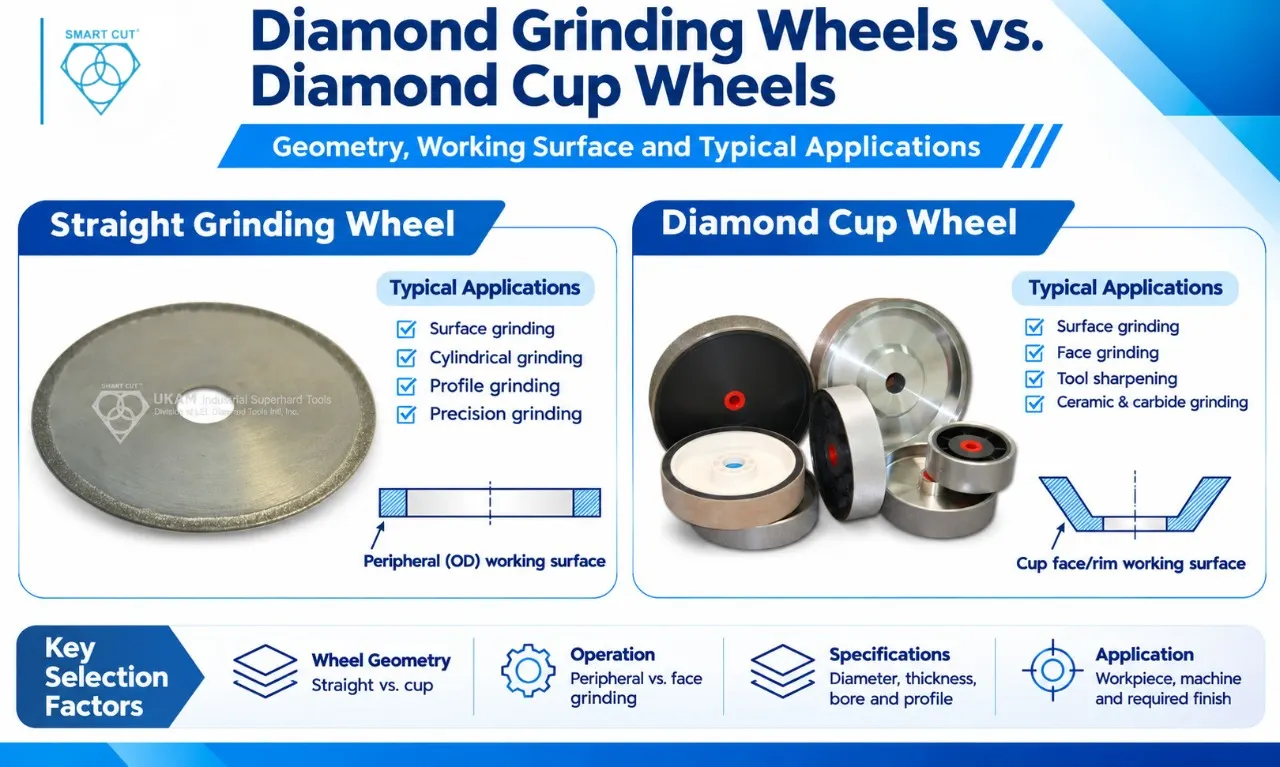
Wheel geometry determines how the abrasive surface engages with the workpiece and how the grinding operation is performed.
Two commonly used configurations are straight grinding wheels and cup wheels.
Straight grinding wheels
Straight wheels are commonly used for peripheral grinding operations.
Depending on the machine and wheel design, applications can include:
- Surface grinding
- Cylindrical grinding
- Profile grinding
- Precision component grinding
- General-purpose grinding operations
The wheel’s outside diameter, thickness, bore, and working profile must match the machine and intended operation.
Diamond cup wheels
Diamond cup wheels are designed for applications where the cup face or rim provides the working grinding surface.
Typical applications include:
- Surface grinding
- Face grinding
- Tool sharpening
- Grinding hard and brittle materials
- Removing material from ceramic and carbide components
- Specific precision grinding and finishing operations
Cup wheel geometry can provide access to particular workpiece surfaces and profiles. However, the actual contact area depends on the wheel design, workpiece geometry, machine setup, and grinding engagement.
Geometric considerations for cup wheels
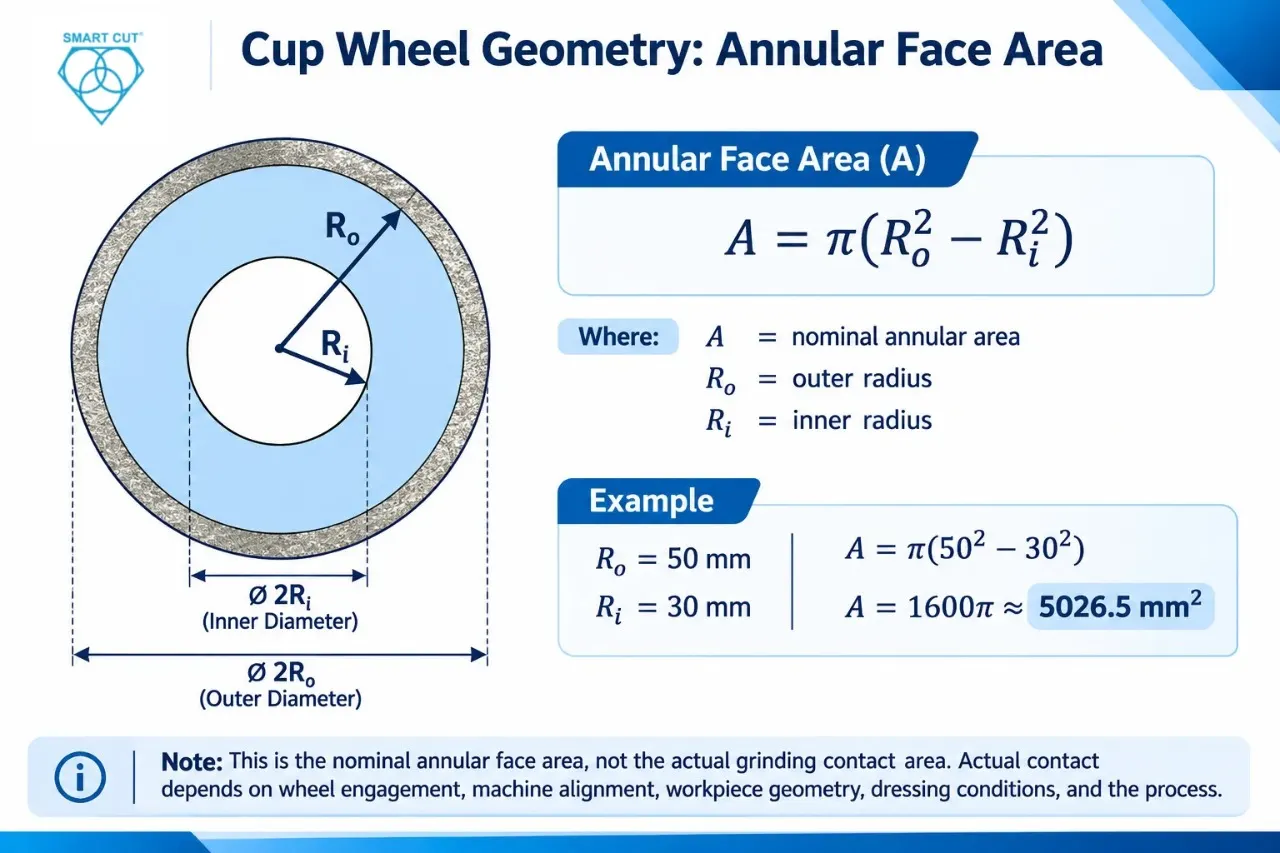
For a simple annular cup face, the nominal geometric area can be calculated using:
A = π(Ro2 − Ri2)
Where:
A = nominal annular area
Ro= outer radius
Ri= inner radius
For example, if the outer radius is 50 mm and the inner radius is 30 mm:
A = π(502 − 302)
A = 1600π ≈ 5026.5 mm2
This represents the nominal annular face area, not the actual grinding contact area.
Actual contact depends on wheel engagement, machine alignment, workpiece geometry, dressing condition, and the grinding process.
Straight wheel vs. cup wheel comparison
|
Parameter |
Straight wheel |
Cup wheel |
|---|---|---|
|
Main working geometry |
Peripheral surface or specified profile |
Cup face, rim or specified profile |
|
Common applications |
Surface, cylindrical and profile grinding |
Face grinding, surface grinding and sharpening |
|
Contact configuration |
Depends on wheel orientation and operation |
Depends on cup face or rim engagement |
|
Main design considerations |
Diameter, thickness, bore and profile |
Outside diameter, inside diameter, cup depth and rim geometry |
|
Machine compatibility |
Must match spindle and mounting arrangement |
Must match spindle, mounting and clearance requirements |
How to Select the Correct Diamond or CBN Bond System
Bond selection influences how abrasive grains are retained, how the wheel wears, and how cutting edges are exposed during grinding.
A bond that is too hard for an application may retain worn abrasive grains and contribute to glazing. A bond that wears too quickly may cause excessive wheel consumption and dimensional instability.
The correct balance depends on workpiece material, grinding pressure, contact area, coolant, machine rigidity, and the required finish.
Common superabrasive bond systems
|
Bond type |
General characteristics |
Typical engineering considerations |
|---|---|---|
|
Uses a resin matrix to retain abrasive grains |
Often considered for controlled grinding and finishing applications |
|
|
Uses a metallic matrix with strong grain retention |
Commonly evaluated where wear resistance and profile retention are important |
|
|
Uses a ceramic bond structure |
Can provide controlled porosity and dressing characteristics depending on design |
|
|
Uses an electrodeposited metal layer to retain abrasive grains |
Often used for defined profiles and applications requiring exposed abrasive |
|
|
Combines characteristics of different bond technologies |
Requires application-specific evaluation |
These are general characteristics, not universal performance guarantees. Actual behaviour depends on the bond formulation, abrasive specification, wheel construction, and grinding conditions.
How bond selection affects grinding performance
Engineers should evaluate the following:
- Grain retention: The bond must retain abrasive grains under the forces generated during grinding.
- Bond wear: Bond wear determines how the wheel structure changes during use.
- Abrasive exposure: The wheel must provide suitable exposed cutting edges for the intended operation.
- Dressing requirements: Dressing and conditioning methods depend on wheel construction and bond type.
- Profile retention: Applications involving narrow features or controlled geometries may require particular attention to wheel wear and profile stability.
- Thermal behaviour: Grinding temperature, coolant delivery, and workpiece sensitivity should be considered when selecting the wheel construction.
A bond specification should therefore be evaluated as part of the complete wheel design rather than selected independently.
Selecting Diamond and CBN Grit Size
Grit size influences the interaction between abrasive grains and the workpiece.
Coarser grits are generally considered for higher material removal requirements, while finer grits are commonly evaluated for finishing and tighter surface-quality requirements.
However, grit size alone does not determine surface finish or material removal rate.
Other factors include:
Grit selection considerations
|
Grinding objective |
General grit selection consideration |
|---|---|
|
Higher material removal |
Evaluate coarser grit configurations |
|
Controlled intermediate grinding |
Evaluate the balance between removal rate and finish |
|
Evaluate finer grit configurations |
|
|
Tight dimensional requirements |
Evaluate grit, bond, machine rigidity and process stability together |
|
Evaluate grit size, feed, engagement and material support |
A finer grit is not automatically the best choice for every precision application. If the wheel cuts inefficiently under the selected conditions, grinding forces and thermal loading may increase.
How grit size influences material removal and surface finish
Grit size affects the number and scale of abrasive cutting interactions across the wheel’s working surface. Coarser abrasive generally supports more aggressive material removal, while finer abrasive is commonly considered for finishing operations where surface quality is a priority.
However, the relationship is not determined by grit size alone.
A finer grit may produce a smoother surface under suitable conditions, but it can also increase grinding forces if the wheel does not cut effectively or if the bond and operating parameters are unsuitable. Similarly, a coarse grit may improve removal rate but create unacceptable surface damage in brittle materials.
Engineers should evaluate grit size alongside:
- Abrasive concentration and distribution
- Bond characteristics and grain retention
- Wheel speed and feed rate
- Depth of cut and contact conditions
- Coolant delivery
- Workpiece brittleness and material condition
For precision applications, the final grit specification should be established through controlled trials and verified using the required surface-finish and dimensional inspection methods.
Establishing Grinding Speed and Operating Parameters
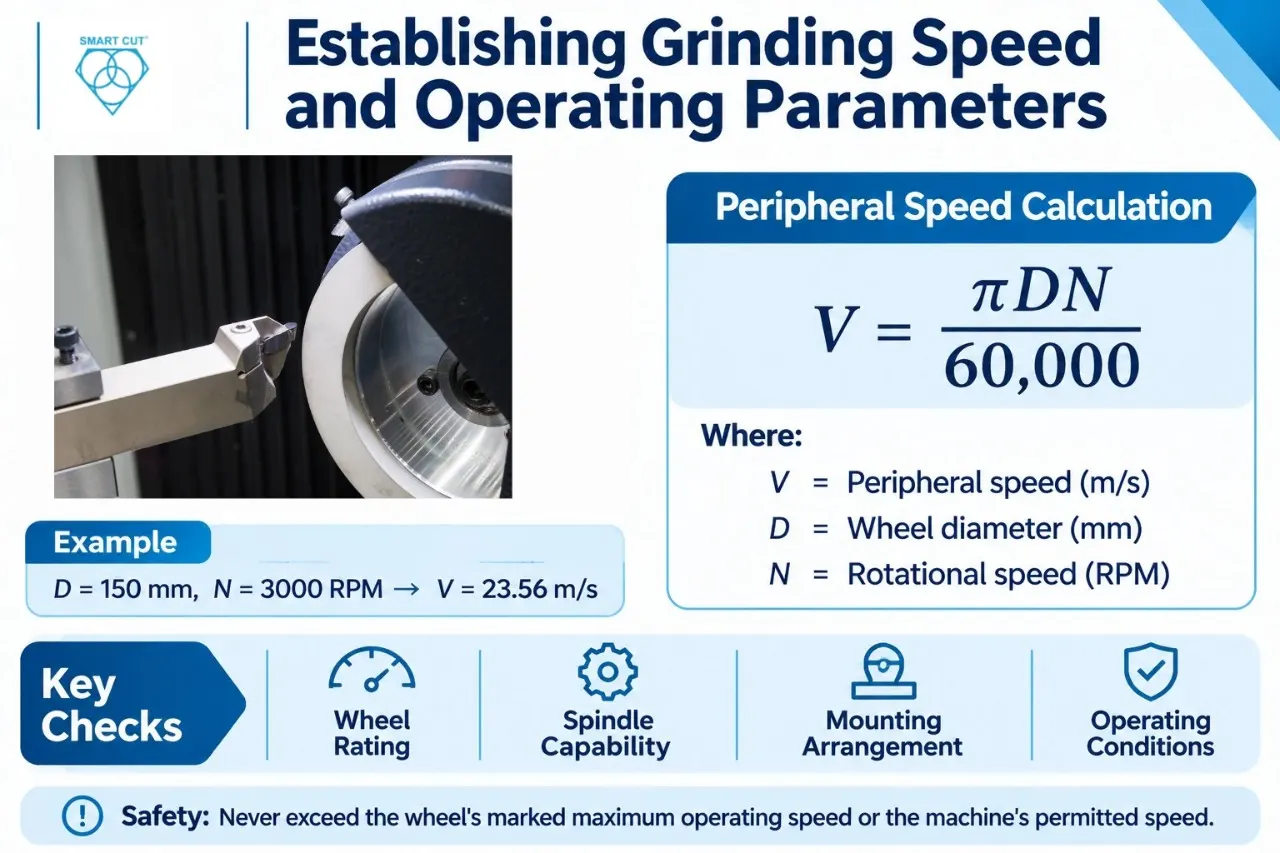
Wheel speed must remain within the wheel manufacturer’s rated operating limit and the machine’s permitted operating range.
Engineers should verify the wheel rating, spindle capability, mounting arrangement, and operating conditions before starting a grinding trial.
Peripheral speed calculation
Peripheral speed can be calculated using:
V = πDN60,000
Where:
V = peripheral speed in m/s
D = wheel diameter in mm
N = rotational speed in RPM
Example:
For a 150 mm diameter wheel operating at 3,000 RPM:
V = π × 150 × 300060,000
V ≈ 23.56 m/s
This is a calculated peripheral speed, not a recommended operating speed.
The actual operating speed must not exceed the wheel’s rated maximum speed or any lower machine or application limit.
Other operating parameters to record
|
Parameter |
Why it matters |
|---|---|
|
Establishes rotational speed |
|
|
Peripheral speed |
Allows comparison across wheel diameters |
|
Feed rate |
Influences grinding engagement and cycle time |
|
Depth of cut |
Influences material removal and grinding forces |
|
Workpiece speed |
Affects contact conditions in applicable operations |
|
Coolant flow |
Influences heat removal and debris evacuation |
|
Dressing interval |
Influences wheel condition and process consistency |
|
Grinding cycle time |
Supports productivity and cost comparison |
Changing several parameters simultaneously makes it difficult to identify the cause of a performance difference.
For qualification trials, change one variable at a time where practical, or use a controlled experimental design when several variables need to be evaluated together.
Dressing, Truing and Conditioning of Superabrasive Wheels
Dressing, truing and conditioning are related but different activities.
Truing
Truing restores the wheel’s geometric accuracy, including concentricity and the required profile.
It is particularly relevant where dimensional accuracy and controlled wheel geometry are required.
Dressing
Dressing changes the working surface of the wheel to restore suitable grinding behaviour.
Depending on the wheel construction, this may involve exposing abrasive grains or modifying the bond surface.
Conditioning
Conditioning refers more broadly to preparing or restoring the wheel’s working surface to achieve the intended grinding behaviour.
The appropriate method depends on the abrasive, bond system, wheel construction, and manufacturer’s recommendations.
Important: Dressing methods are not interchangeable across all superabrasive wheels. Electroplated wheels, for example, generally have a single abrasive layer and are not conventionally dressed in the same way as many resin, metal or vitrified bond wheels.
Engineers should follow the wheel manufacturer’s recommendations for the specific construction.
Common Diamond and CBN Grinding Problems and Their Causes
Grinding defects can have several possible causes. A particular symptom does not automatically identify a specific wheel or process problem.
For example, poor surface finish may result from wheel condition, machine vibration, workpiece movement, dressing, coolant delivery, or unsuitable grinding parameters. Similarly, rapid wheel wear may be associated with bond characteristics, abrasive selection, grinding pressure, or operating conditions.
The factors listed below are diagnostic starting points, not definitive diagnoses. Engineers should inspect the wheel and workpiece, review recorded process conditions, and change parameters through controlled trials wherever practical.
Common grinding problems and engineering checks
|
Observed problem |
Possible contributing factors |
Engineering checks |
|---|---|---|
|
Wheel loading |
Material adhesion, unsuitable wheel structure, inadequate coolant delivery or grinding conditions |
Inspect wheel surface, coolant flow and workpiece material behaviour |
|
Excessive grinding force |
Dull abrasive condition, unsuitable bond, excessive engagement or poor process setup |
Review spindle load, feed, depth of cut and wheel condition |
|
Rapid wheel wear |
Bond wear, unsuitable wheel specification, excessive grinding pressure or operating conditions |
Compare wheel wear against material removed |
|
Poor surface finish |
Grit selection, vibration, machine condition, dressing or process instability |
Inspect surface finish, spindle condition and grinding parameters |
|
Ceramic edge chipping |
Workpiece support, excessive engagement, feed conditions or unsuitable grinding sequence |
Review entry and exit conditions, fixture and feed |
|
Grinding burn or thermal damage |
Excessive heat generation, inadequate coolant or unsuitable operating conditions |
Inspect the workpiece and review thermal and coolant conditions |
|
Profile loss |
Wheel wear, bond characteristics, dressing method or excessive contact pressure |
Measure wheel geometry and evaluate wear distribution |
Material-specific troubleshooting considerations
Advanced ceramics
Ceramic grinding requires attention to brittleness, edge integrity, grinding forces, and possible subsurface damage. Surface roughness alone does not establish whether subsurface damage is present.
Evaluate binder composition, carbide grade, grinding conditions, and wheel compatibility. Excessive grinding forces or unsuitable conditions may affect edge quality and surface integrity.
Sapphire and quartz
These materials require controlled grinding conditions because brittle fracture and edge damage can influence finished-part acceptance.
For CBN grinding applications, evaluate grinding temperature, coolant delivery, wheel condition, and the possibility of thermal damage to the workpiece.
A Step-by-Step Method for Qualifying Diamond and CBN Wheels
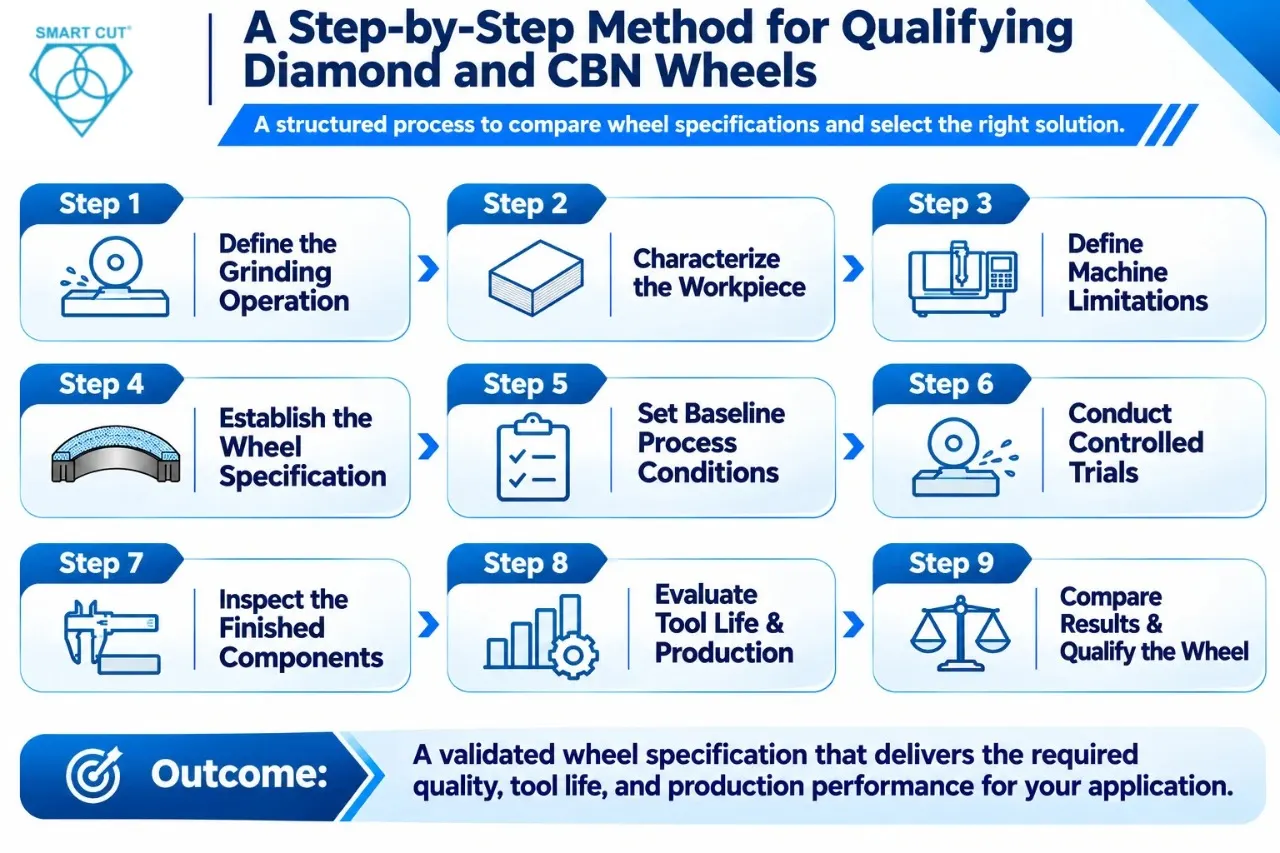
A structured qualification process helps engineers compare wheel specifications without introducing unnecessary process variation.
Step 1: Define the grinding operation
Document whether the application involves surface, cylindrical, internal, face, or profile grinding.
Record the required material removal, finished geometry, and production volume.
Step 2: Characterize the workpiece
Record:
- Material grade and composition
- Hardness or relevant material condition
- Workpiece dimensions
- Initial surface condition
- Required dimensional tolerance
- Required surface finish
- Edge-quality requirements
Step 3: Define machine limitations
Record spindle speed, available power, mounting dimensions, machine rigidity, coolant system, and permitted wheel dimensions.
Step 4: Establish the wheel specification
Evaluate:
- Diamond or CBN abrasive
- Grit size
- Concentration
- Bond type
- Wheel diameter
- Thickness
- Bore
- Working profile
The final specification should be compatible with both the application and the machine.
Step 5: Establish baseline process conditions
Record wheel speed, feed rate, depth of cut, coolant conditions, dressing method, and cycle time.
These settings provide the reference point for subsequent trials.
Step 6: Conduct controlled grinding trials
Use consistent workpiece material, machine setup, coolant conditions, and inspection methods.
Avoid changing multiple variables without a defined test plan.
Step 7: Inspect the finished components
Evaluate the parameters relevant to the application:
- Dimensional accuracy
- Surface roughness
- Edge chipping
- Visible surface defects
- Thermal damage indicators
- Subsurface damage, where required by the application
Step 8: Evaluate wheel consumption and production performance
Record wheel wear, dressing frequency, parts produced, cycle time, scrap, and downtime.
Step 9: Compare the results
Compare wheel specifications using the same measurement methods and production conditions.
The selected wheel should meet the acceptance criteria consistently, not simply deliver the lowest initial purchase price.
How to Compare Diamond and CBN Wheels Using Cost Per Part
Wheel purchase price alone does not provide a reliable basis for supplier or specification comparison.
A lower-priced wheel may require more frequent replacement, additional dressing, longer cycle times, or produce a higher rejection rate.
A useful comparison should account for the major production costs.
Cost per acceptable part formula
Ca = Cw/L + Cd/D + Cm(T/60)1 − S
Where :
Cₐ = grinding cost per acceptable part
Cw = wheel purchase cost
L = attempted parts produced per wheel
Cd = cost per dressing event
D = attempted parts between dressing events
Cm = machine operating cost per hour
T = grinding cycle time in minutes per part
S = scrap fraction
Illustrative supplier comparison
The following figures are hypothetical and demonstrate how engineers can compare wheel economics. They are not actual UKAM customer results, supplier quotations, or measured performance data.
|
Parameter |
Supplier A |
Supplier B |
|---|---|---|
|
Wheel purchase price |
$420 |
$310 |
|
Attempted parts per wheel |
1,200 |
700 |
|
Dressing cost per event |
$18 |
$18 |
|
Parts between dressing events |
300 |
150 |
|
Cycle time |
2.4 min |
2.1 min |
|
Machine cost |
$90/hour |
$90/hour |
|
Scrap rate |
2.5% |
4% |
Calculated cost comparison
|
Cost component |
Supplier A |
Supplier B |
|---|---|---|
|
Wheel cost per attempted part |
$0.35 |
$0.44 |
|
Dressing cost per attempted part |
$0.06 |
$0.12 |
|
Machine cost per attempted part |
$3.60 |
$3.15 |
|
Total cost per attempted part |
$4.01 |
$3.71 |
|
Scrap-adjusted cost per acceptable part |
$4.11 |
$3.87 |
In this illustrative example, Supplier B has a lower calculated cost per acceptable part despite having a shorter wheel life and higher scrap rate.
The example demonstrates why engineers should evaluate the complete production economics rather than comparing wheel prices alone.
The calculation uses a steady-state allocation of dressing cost. Actual production comparisons should use observed dressing events, wheel consumption, and accepted-part quantities.
The model excludes setup, labour, changeover, coolant, inspection, maintenance, and downtime costs. These should be added when they materially affect the application.
How to Evaluate a Diamond or CBN Wheel Manufacturer
A wheel manufacturer should be evaluated on its ability to understand the grinding application and establish a suitable specification.
The supplier evaluation should cover more than price and availability.
|
Evaluation factor |
Questions engineers should ask |
|---|---|
|
Does the manufacturer understand the workpiece material and its grinding characteristics? |
|
|
Abrasive selection |
Can the supplier explain why diamond or CBN is appropriate? |
|
Bond selection |
Can the bond system be matched to the grinding operation? |
|
Wheel geometry |
Can the required dimensions and profile be specified accurately? |
|
Machine compatibility |
Are mounting dimensions and operating limits considered? |
|
Can the supplier review process conditions and technical requirements? |
|
|
Specification documentation |
Are the wheel specifications clearly documented? |
|
Quality control |
Are relevant manufacturing and inspection requirements defined? |
|
Custom manufacturing |
Can the wheel be manufactured to application-specific requirements? |
A technically capable supplier should be able to discuss the application requirements before recommending a wheel configuration.
UKAM SMART CUT® Diamond and CBN Wheels
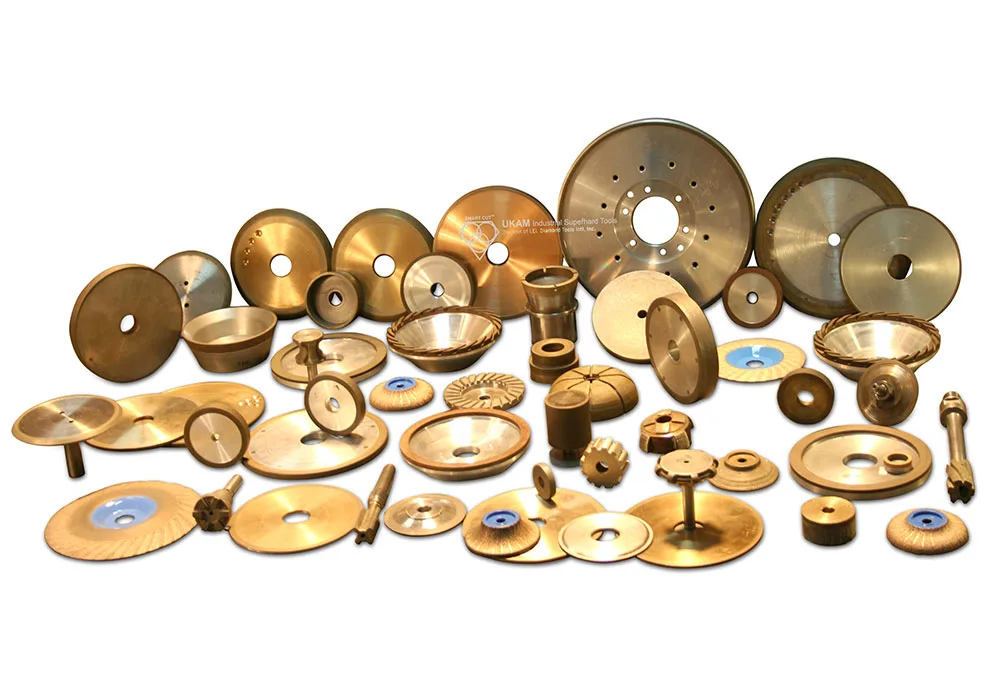
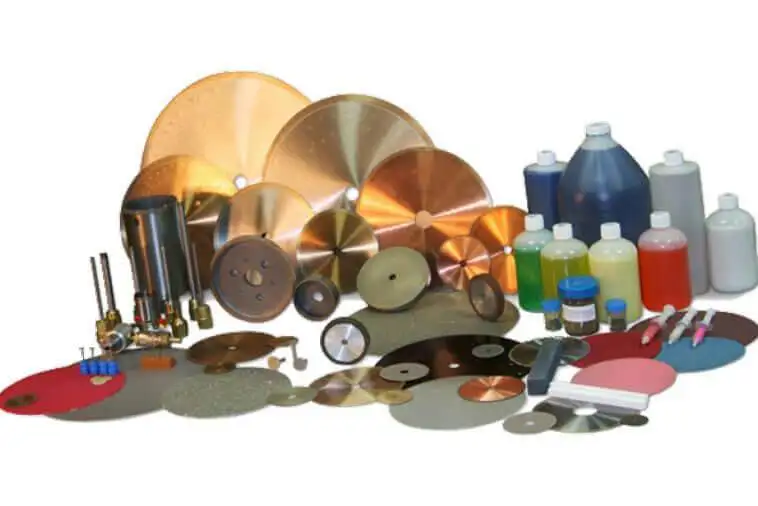
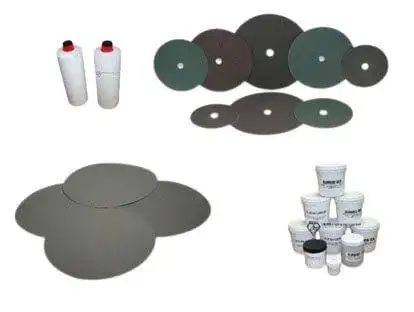
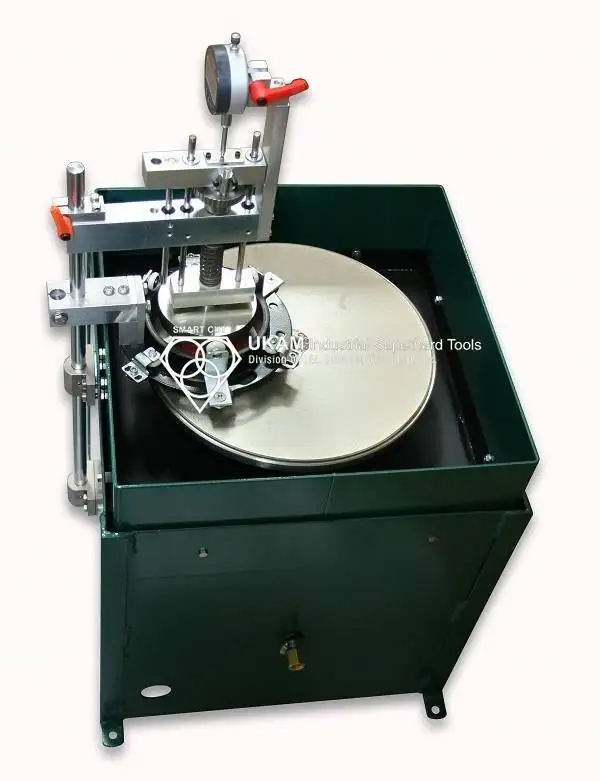
UKAM Industrial Superhard Tools manufactures diamond and CBN tooling for precision applications involving advanced and difficult-to-machine materials.
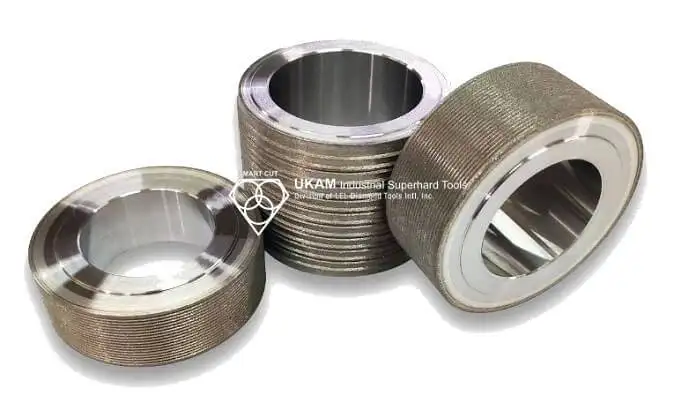
The SMART CUT® 2A2T Diamond and CBN Wheels product range is an option for engineers evaluating superabrasive wheel solutions for their applications.
Wheel selection should consider the workpiece material, grinding operation, required wheel dimensions, machine arrangement, surface-finish requirements, and production conditions.
UKAM’s custom manufacturing process includes reviewing application requirements, recommending a suitable configuration, confirming the agreed specification, manufacturing and inspecting the finished tool, and providing follow-up support.
The final wheel specification should be confirmed with UKAM before ordering. Engineers should not assume that one standard configuration will meet every application’s requirements.
Considering SMART CUT® 2A2T Diamond and CBN Wheels?
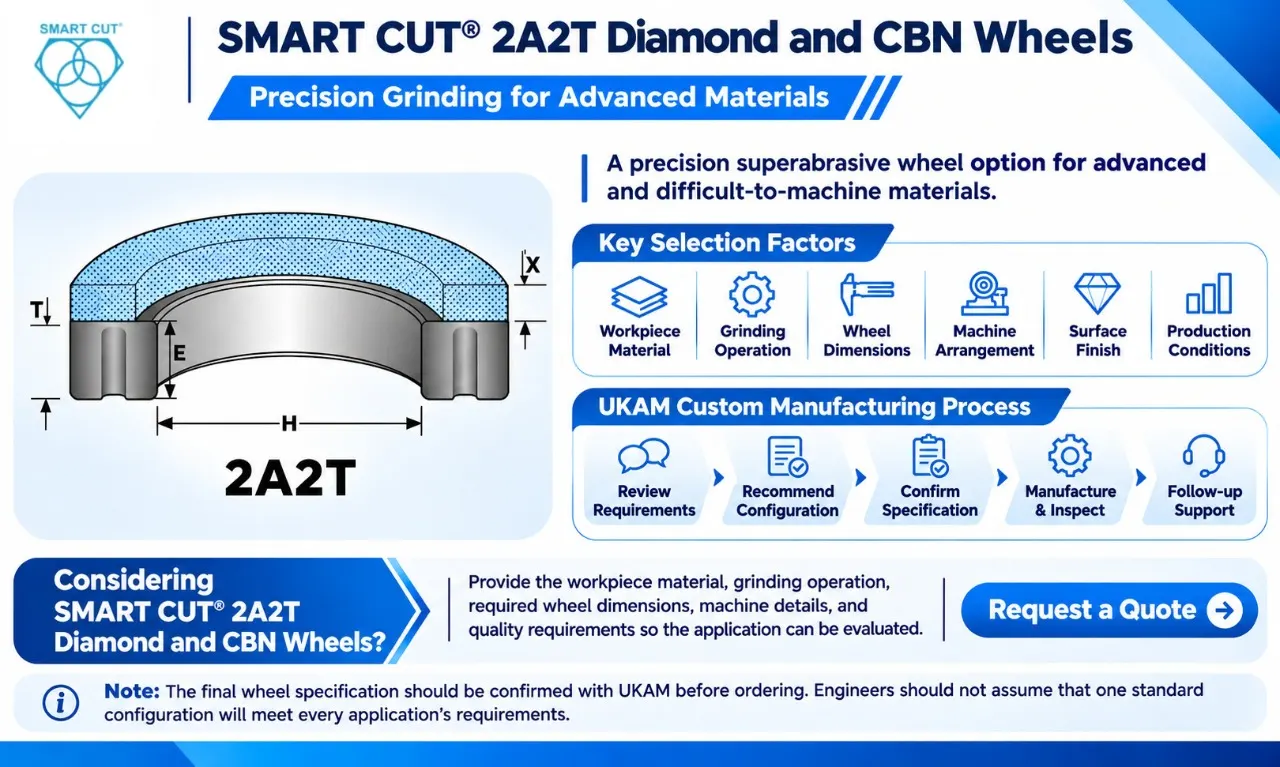
Provide the workpiece material, grinding operation, required wheel dimensions, machine details, and quality requirements so the application can be evaluated.
Request a Quote for SMART CUT® 2A2T Diamond and CBN Wheels
For applications requiring a non-standard configuration, you can also discuss your requirements through UKAM’s custom manufacturing service.
Information to Include in a Diamond or CBN Wheel RFQ
An accurate request for quotation helps the manufacturer evaluate the application and reduces the risk of incomplete or unsuitable specifications.
Workpiece and application
- Material name and grade
- Material composition, where available
- Hardness or material condition
- Workpiece dimensions
- Drawing or component photograph, if available
Grinding operation
- Surface, cylindrical, internal, face or profile grinding
- Grinding area and contact geometry
- Required material removal
- Current grinding process
- Production quantity
Wheel requirements
- Diamond or CBN abrasive, if already specified
- Wheel diameter
- Wheel thickness
- Bore size
- Required profile
- Existing wheel specification, if available
Machine information
- Machine manufacturer and model
- Spindle speed range
- Available spindle power
- Mounting arrangement
- Coolant type and delivery method
Quality requirements
- Dimensional tolerances
- Surface finish requirements
- Edge-quality requirements
- Inspection method
- Special process acceptance criteria
Providing these details allows the manufacturer to evaluate the application more accurately and discuss possible wheel configurations.
Need Help Specifying Your Grinding Wheel?
If your application requires a custom wheel configuration, provide your technical requirements for review.
Discuss Custom Diamond and CBN Wheel Manufacturing with UKAM
Common Mistakes When Selecting Diamond and CBN Grinding Wheels
Several selection mistakes can result in unnecessary trial costs or unstable grinding performance.
|
Common mistake |
Why it creates problems |
Better engineering approach |
|---|---|---|
|
Selecting a wheel based only on price |
Ignores wheel consumption, cycle time and scrap |
Compare cost per acceptable part |
|
Selecting abrasive based only on hardness |
Ignores chemical compatibility and thermal behaviour |
Evaluate material composition and grinding conditions |
|
Assuming finer grit always produces better results |
May increase grinding forces under unsuitable conditions |
Evaluate grit, bond and operating parameters together |
|
Can result in poor machine compatibility or contact conditions |
Confirm dimensions and working profile |
|
|
Changing several process variables simultaneously |
Makes cause-and-effect analysis difficult |
Use controlled qualification trials |
|
Ignoring coolant delivery |
Can affect temperature and debris removal |
Evaluate coolant flow and delivery at the grinding interface |
|
Applying the same dressing method to every bond |
Different wheel constructions require different methods |
Follow bond-specific manufacturer recommendations |
|
Comparing wheel life without production context |
Does not account for dressing, scrap or cycle time |
Evaluate complete production economics |
Frequently Asked Questions About Diamond and CBN Grinding Wheels
Diamond wheels are commonly used for hard, non-ferrous and non-metallic materials such as ceramics, carbide, glass, sapphire and quartz. CBN wheels are commonly used for grinding hardened ferrous materials such as tool steels and alloy steels. The final choice depends on material composition and grinding conditions.
A diamond cup wheel is considered when the grinding operation requires a cup-shaped wheel configuration and the intended working face or rim matches the application. Engineers should evaluate workpiece geometry, machine arrangement, wheel dimensions, contact conditions and required finish before selecting the configuration.
Diamond is generally not the default abrasive for hardened ferrous steel grinding because chemical wear can become significant at elevated interface temperatures. CBN is commonly considered for these applications.
There is no universally best bond. Resin, metal, vitrified, electroplated and hybrid bonds have different characteristics. Selection depends on material, grinding operation, wheel geometry, required finish, machine capability and dressing requirements.
No. Finer grit can support finer finishing, but surface quality also depends on bond characteristics, wheel condition, grinding parameters, machine rigidity, coolant delivery and workpiece material. A finer grit that does not cut effectively can increase grinding forces and thermal loading.
Peripheral speed is calculated using:
V = πDN/60,000
Where D is wheel diameter in millimetres and N is rotational speed in RPM. The calculated speed must remain within the wheel manufacturer’s rated maximum speed and the machine’s operating limits.
Dressing frequency depends on the wheel construction, bond type, workpiece material, grinding conditions and required surface quality. Some wheel types require specific conditioning procedures, while electroplated wheels generally do not use conventional dressing. Follow the manufacturer’s recommendations.
Loading can result from workpiece material adhesion, unsuitable wheel structure, inadequate coolant delivery, or inappropriate grinding conditions. Engineers should inspect the wheel surface and review process parameters before changing the wheel specification.
Compare wheel purchase cost, wheel life, dressing requirements, cycle time, scrap rate, dimensional performance and surface quality. A cost-per-acceptable-part calculation provides a more useful comparison than purchase price alone.
Provide the workpiece material and grade, grinding operation, wheel dimensions, required profile, machine details, operating speed, coolant conditions, and quality requirements. A component drawing or existing wheel specification can also help the manufacturer evaluate the application.
Conclusion: Select Grinding Wheels Based on the Complete Application
Selecting diamond and CBN wheels requires a systematic evaluation of material compatibility, abrasive type, bond construction, grit size, wheel geometry, machine capability and operating conditions.
The lowest purchase price or finest available grit does not automatically produce the best grinding result.
Engineers should establish baseline process data, qualify wheel specifications through controlled trials, inspect finished components, and compare production economics using wheel consumption, dressing, cycle time and scrap.
A properly defined wheel specification provides a more reliable basis for achieving the required dimensional accuracy, surface quality and production consistency.
For application-specific requirements, UKAM Industrial Superhard Tools can review your grinding operation and discuss suitable diamond and CBN wheel configurations.
Trusted by Tens of Thousands of Manufacturers, Laboratories,
Research Institutions Worldwide Since 1990
American Based Manufacturer
Established in 1990
