

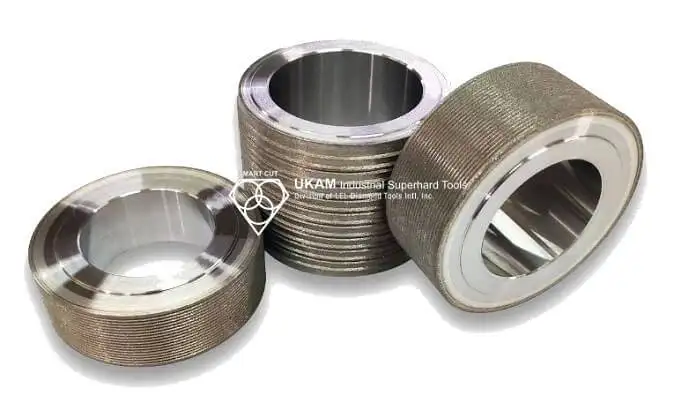








Vitrified Bond Diamond Grinding Wheels for PDC Cutter Grinding

Vitrified Bond Diamond Grinding Wheels for PDC Cutter Grinding

PDC cutter grinding fails in three specific ways: thermal damage to the diamond layer, chipping at the diamond-carbide interface, and wheel glazing that stops material removal entirely. Each failure mode has a distinct cause and a distinct fix. Most process problems trace back to one of three decisions: the wrong bond system, inadequate coolant delivery, or unchanged parameters across the diamond-carbide transition zone. This guide addresses all three. It covers the material science behind PDC grinding difficulty, why vitrified bond outperforms alternative systems, how to set starting parameters, how to manage the transition zone, and what wheel specification variables actually control surface finish and tool life.
Continue reading

How to Switch Superabrasive Grinding Wheel Suppliers

Switching grinding wheel or diamond tool suppliers is one of the most avoided decisions in precision manufacturing. The hesitation is understandable. A change in abrasive specification can shift surface finish, tighten or loosen dimensional tolerances, and alter cycle times in ways that take weeks to isolate and diagnose.
Continue reading

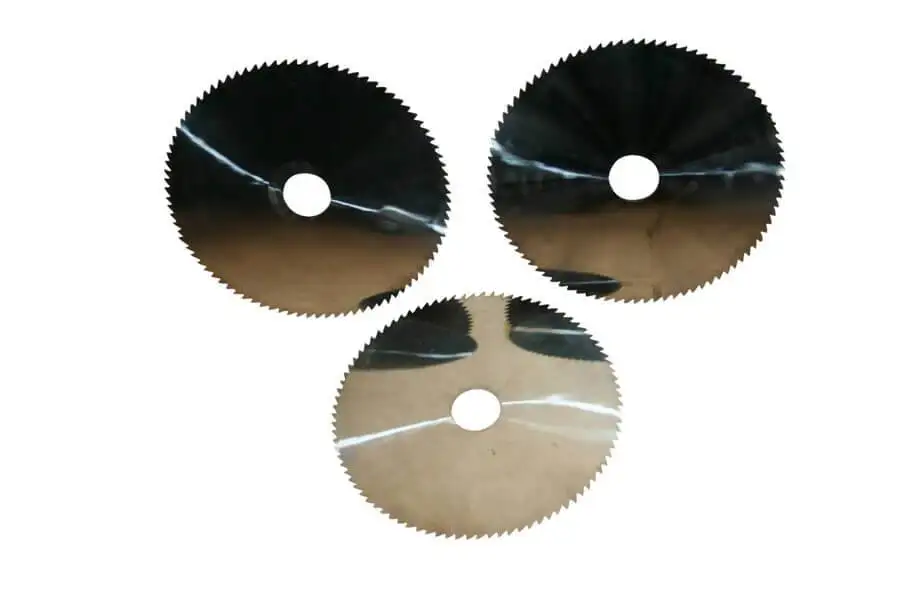
How to Select a Diamond Blade for 99.5% Alumina Ceramic Without Edge Chipping

Published by UKAM Industrial Superhard Tools — American manufacturer of precision diamond & CBN tools since 1990. 99.5% alumina ceramic is one of the most widely used advanced ceramics in semiconductor, aerospace, electronics, medical, optics, and industrial manufacturing applications. It offers excellent hardness, dielectric properties, wear resistance, and thermal stability — but it is also highly brittle and sensitive to edge chipping during cutting.
Continue reading
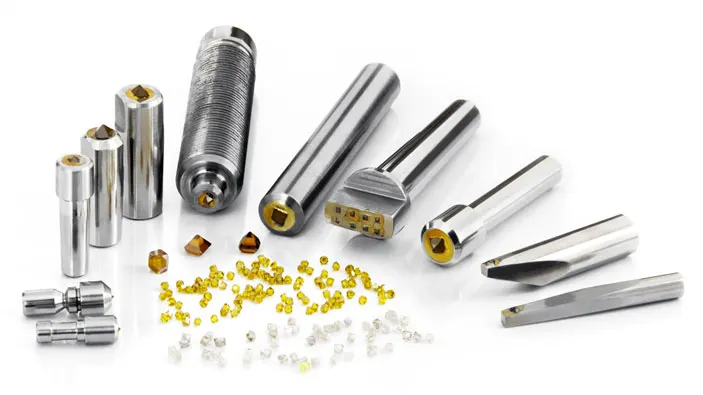
Smart Cut PCD Cutting Tools

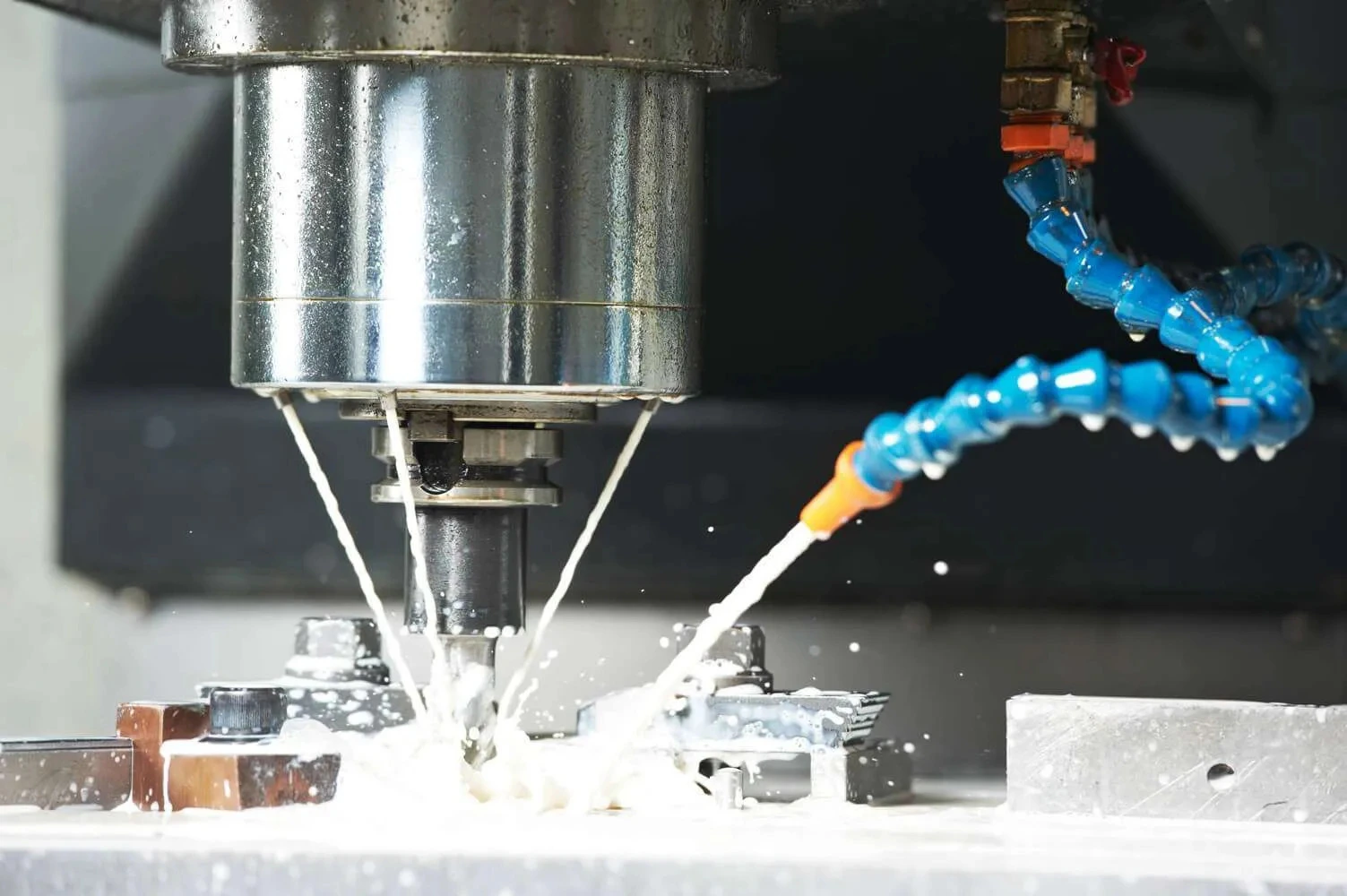
PCD End Mill vs. Face Mill: What Every Engineer Should Know Before Choosing a Milling Tool

When your production line depends on consistent part geometry, surface finish, and repeatable tolerances, choosing the wrong milling tool is not a minor inconvenience. It means scrap parts, broken tooling, and unplanned downtime. For engineers and process planners working with non-ferrous metals, composites, and ultra-hard materials, the choice between a PCD end mill and a PCD face mill comes up constantly.
Continue reading
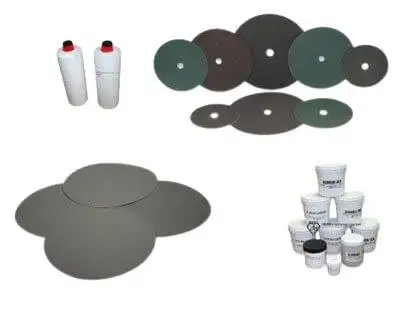
Diamond Abrasive Safety

Why Diamond Abrasive Safety Matters in Precision Manufacturing & Lab Environments

For engineers, QC technicians, and lab managers working with superhard materials, diamond abrasives are indispensable. They deliver the consistency, repeatability, and dimensional accuracy that modern production and research demand. But across decades of manufacturing precision diamond and CBN tools for industry, UKAM has observed one recurring blind spot in even well-run facilities: safety practices rarely keep pace with the performance capabilities of the abrasives being used.
Continue reading

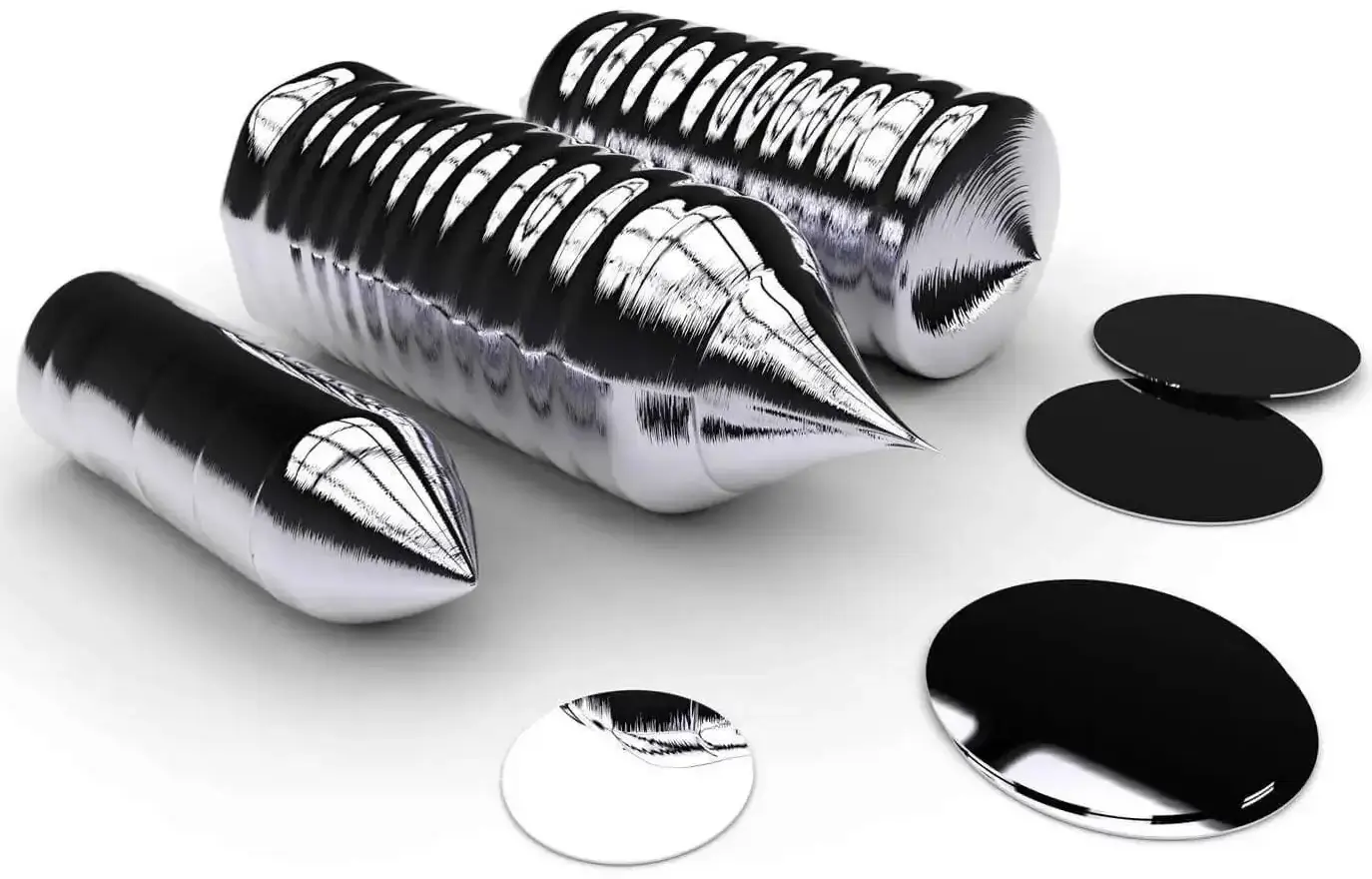
Semiconductor Wafer Manufacturing Process: Cutting, Grinding, Dicing & Polishing Tools Explained

Modern semiconductor manufacturing demands extreme precision at every stage — from preparing a silicon ingot to singulating individual chips. Each operation directly shapes device performance, production yield, surface integrity, and cost per wafer. As chips become smaller, thinner, and more complex, the diamond tooling and abrasive consumables used throughout the process have become equally critical to the finished product as the semiconductor material itself.
Continue reading