









CBN Grinding Wheel Suppliers in the USA — How to Choose the Right One for Your Application
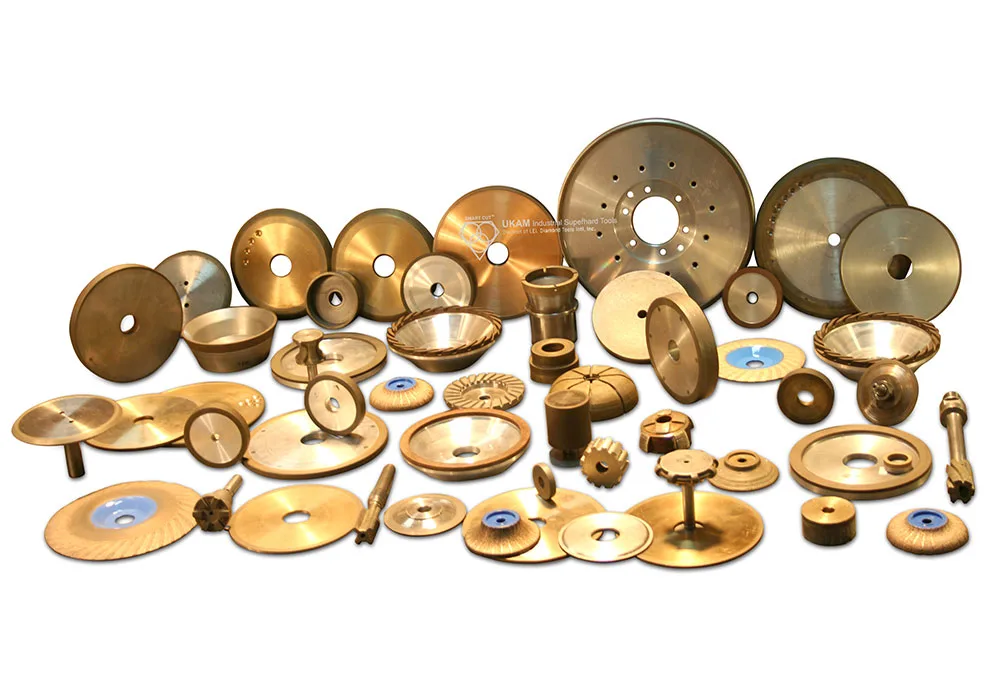
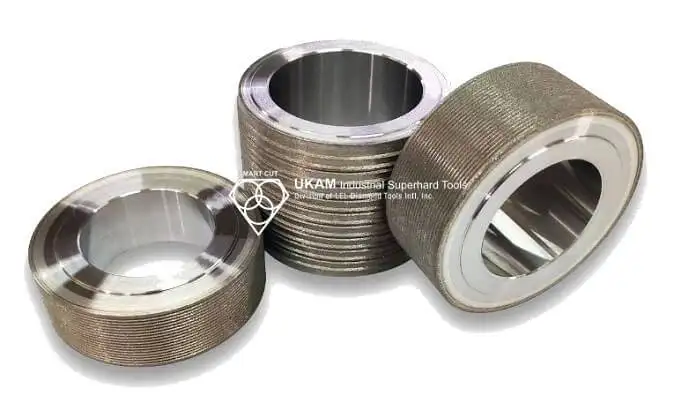
When your production line depends on precision grinding of hardened steels, tool steels, superalloys, or ferrous materials, the quality of your CBN grinding wheel manufacturer supplier can make or break your output. Not all suppliers are created equal — and in a competitive industrial environment, sourcing the wrong wheel means poor surface finish, premature wear, unexpected downtime, and wasted budget.
This guide walks you through everything procurement managers, engineers, and manufacturing professionals need to know before selecting a CBN grinding wheel manufacturer supplier in the USA — including what questions to ask, what specifications to look for, and why an American-based manufacturer like UKAM Industrial Superhard Tools continues to be the trusted choice for demanding industrial and research applications.
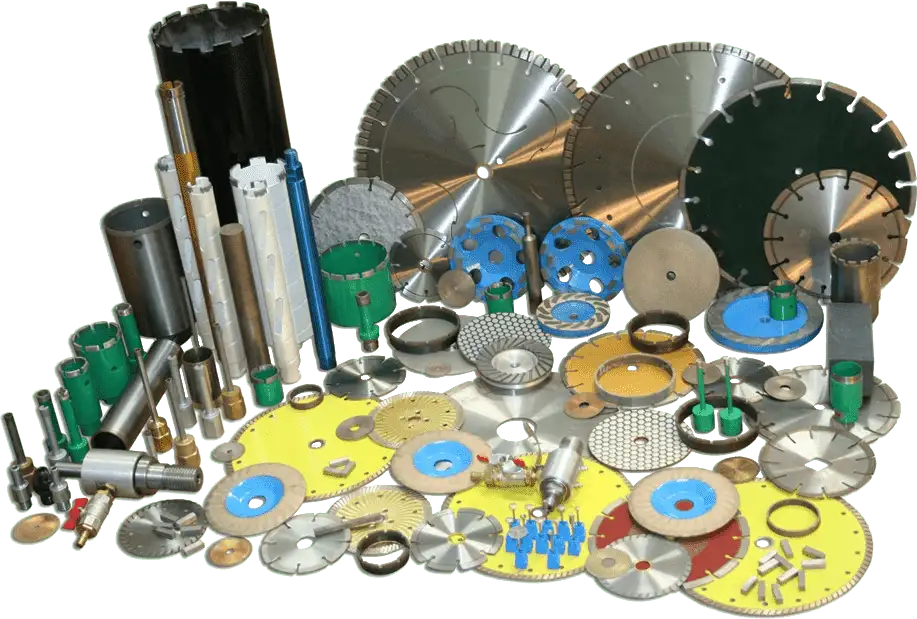
Diamond Core Drills: Best Practices for Speed, Accuracy, and Tool Life
Diamond core drills are widely used in industries that require precise hole creation in extremely hard or brittle materials. From ceramics and glass to advanced composites and semiconductor substrates, these tools allow operators to produce accurate holes while minimizing material damage. Diamond core drills are grinding, rather than cutting, like conventional twist drill bits. It uses a hollow drill body, where diamond particles embedded in the tool bond are used gradually to abrade the surface of the workpiece and remove material in a ring-shaped path. As a different system for removing material, its setup and operating practices also need to be suitable to obtain consistent results. This guide explains that drilling speed, procedures for truing and dressing diamond cores, chip control, and tool configuration have been identified as the most important factors affecting diamond core drilling performance.
Selecting Right Diamond Drill for your Application
Selecting the right diamond drill or bit for your application is one of the most important steps in achieving successful drilling results. The correct choice not only improves accuracy and efficiency but also saves time, reduces costs, and minimizes trial and error. This guide has been created for all levels of users whether you are a beginner, a researcher, a contractor, or an experienced manufacturing engineer seeking process optimization. Today’s industries face a rapidly expanding range of materials that are harder, more brittle, and more complex than ever before. Advanced ceramics, composites, semiconductors, optical materials, and exotic alloys are increasingly replacing traditional substrates, often rendering older drill designs and methods obsolete. These new materials require advanced diamond tools and updated techniques to achieve consistent, high-quality results. Although the marketplace offers hundreds of diamond drills, bits, accessories, and machines, it often provides very little guidance on how to select the right tool. Many users end up experimenting for days or weeks, trying different drills, speeds, and setups. This trial-and-error approach wastes time, increases costs, and leads to unnecessary material loss. By focusing on the key variables that affect drill performance, including material properties, drill geometry, equipment capability, and application requirements you can make informed decisions that align with your objectives. Proper planning, careful tool selection, and attention to detail in setup and technique will ultimately determine the success of your operation. This article outlines the critical factors to consider when choosing a diamond drill, helping you avoid common mistakes and achieve reliable, repeatable results for your specific application.
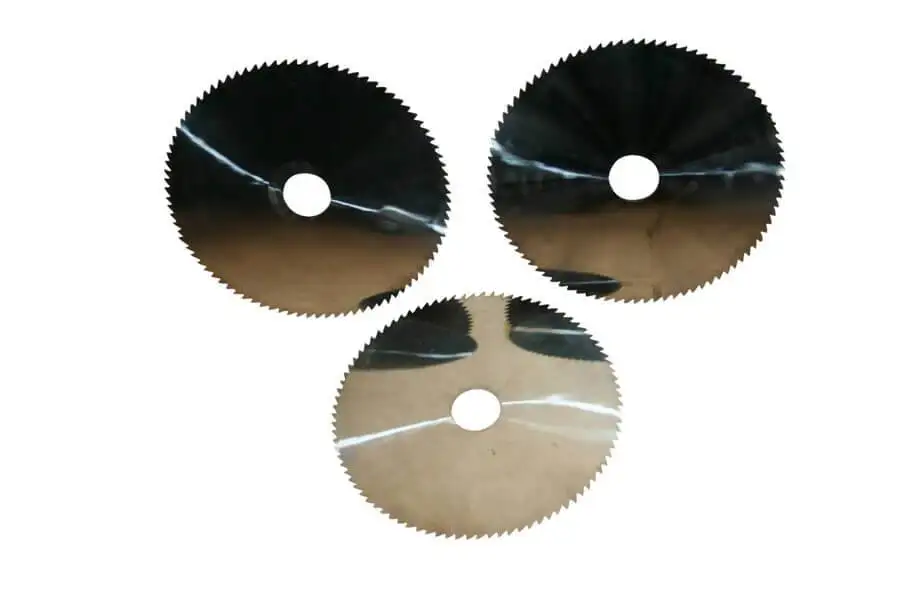
Abrasive Saws vs Precision Saws: How to Choose the Right Cutting Solution for Your Application
Whether in a factory for industrial production or in the research lab, testing lab, and inspection area of a university or high-tech company, cutting is frequently just the beginning of an extensive process. And perhaps...
Diamond Backgrinding Wheels: An In-Depth Guide to Wafer Thinning and Precision Grinding
With the further shrinking of semiconductor devices and ramping up of performance, wafer processing has become increasingly stringent. Perhaps one of the most important steps, and yet often underemphasized, is backgrinding. Key to this is diamond backgrinding...
Sample Preparation Consumables for Metallography: Selection, Function, and Best Practices
Careful sample preparation is the key to good metallographic analysis. Although equipment features and process conditions are significant factors, the impact of sample preparation consumables is equally crucial for surface quality, reproducibility, and trustworthiness in microstructural assessment. Consumables...
Diamond Core Drill Bit Guide: How to Choose the Right One for Precision Cutting (USA)
Choosing the correct diamond core drill bit is one of the most important decisions for achieving precision drilling, faster cutting speeds, and longer tool life. Whether you’re drilling concrete, granite, porcelain tile, marble, or masonry, your bit selection directly impacts efficiency, hole quality, and overall project cost. This USA-focused buyer’s guide explains exactly how to select the right bit for your application while avoiding the most common performance and durability mistakes.
Why Diamond Polishing Paste Is the Go-To Choice for Precision Finishing Across Industries
Diamond polishing paste is a high-performance finishing compound made from precisely graded diamond particles suspended in a carrier fluid such as oil or water. It is engineered to deliver exceptional surface finishes on extremely hard...
Diamond Blades for Glass: The Complete Guide to Cutting Glass Safely, Cleanly, and Precisely
Glass is one of the hardest materials to cut. It is a tough, brittle material that is extremely heat and vibration resistant. Kegs: Small cutting errors can result in chipping, cracking or catastrophic failure of the work piece....