
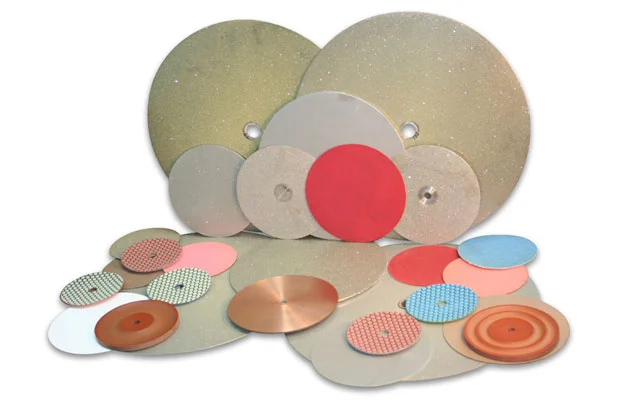









Abrasive Grinding Belts for Metallography and Precision Sample Preparation
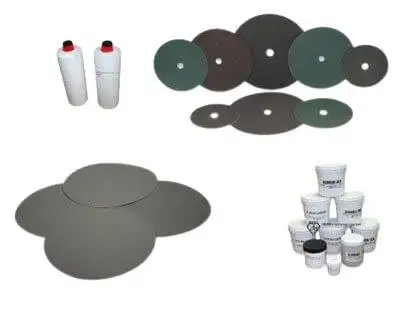
In metallographic sample preparation, surface quality directly affects analytical accuracy. Poor grinding consistency, excessive deformation, deep scratches, overheating, and edge rounding can compromise microscopic analysis and lead to inaccurate material characterization. For laboratories, quality control departments, research facilities, and production environments, the grinding stage is one of the most critical steps in the entire sample preparation process.
How Laboratory Cutting Machines Improve Precision Sectioning
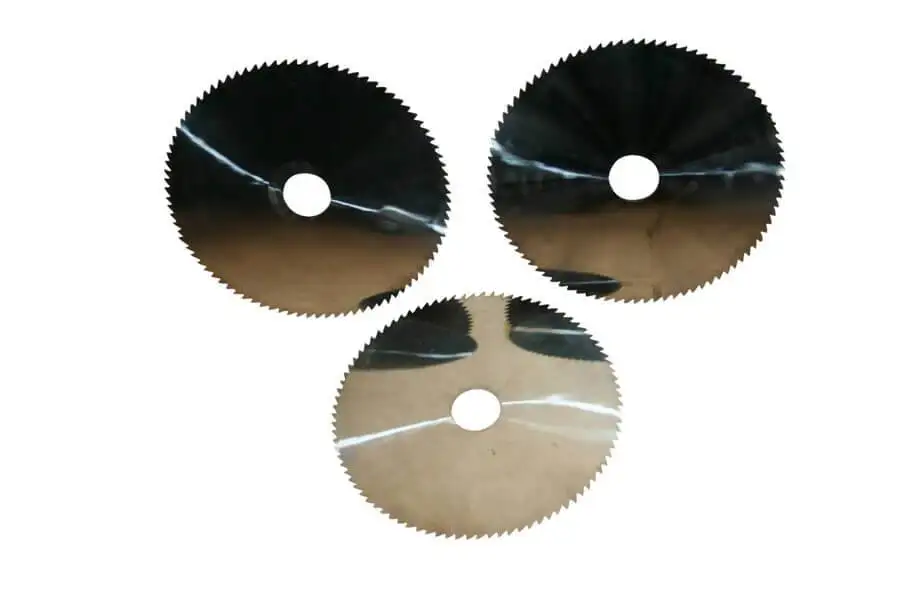
In precision material preparation, the quality of the cut directly affects inspection accuracy, edge integrity, dimensional reliability, polishing time, and downstream analytical results. Standard abrasive cutting equipment often introduces excessive heat, vibration, edge chipping, microcracks, subsurface fractures, coating separation, or material deformation — particularly when sectioning brittle, ultra-hard, composite, or advanced engineering materials.
How to Select a Diamond Blade for 99.5% Alumina Ceramic Without Edge Chipping
Published by UKAM Industrial Superhard Tools — American manufacturer of precision diamond & CBN tools since 1990.
99.5% alumina ceramic is one of the most widely used advanced ceramics in semiconductor, aerospace, electronics, medical, optics, and industrial manufacturing applications. It offers excellent hardness, dielectric properties, wear resistance, and thermal stability — but it is also highly brittle and sensitive to edge chipping during cutting.
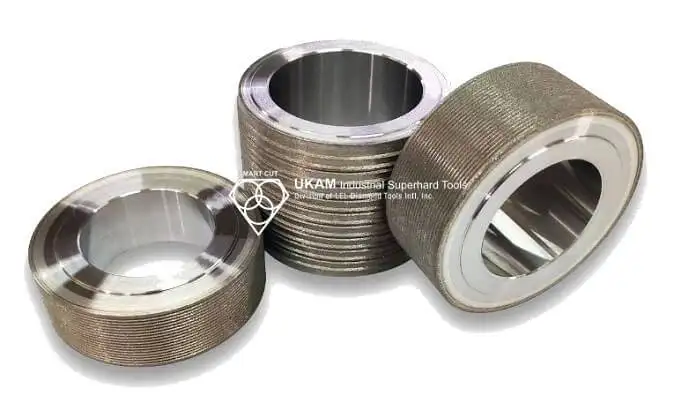
Diamond Grinding Wheel Loading and Glazing: Complete Technical Guide for Engineers
Diamond & cbn Wheel loading and wheel glazing are the two most common causes of performance failure in precision diamond grinding — ceramics, glass, carbide, sapphire, composites, semiconductor materials. At UKAM, these two conditions account for the majority of technical support calls we receive every week.
Why Water Swivels Are Critical in Diamond Core Drilling Applications
In diamond core drilling operations, most attention is usually placed on drill bit selection, spindle speed, feed rates, and machine power. However, one critical component that directly affects drilling efficiency and tool life is often overlooked — the water swivel.
Diamond Core Drills: The Complete Expert Guide to Precision Drilling, Bond Selection & Material Application
Whether you’re drilling reinforced concrete on a job site, coring a silicon wafer in a semiconductor cleanroom, or producing optical-grade bores in fused quartz — the engineering challenge is the same: you need the right diamond core drill, configured correctly for your material, machine, and quality requirements.
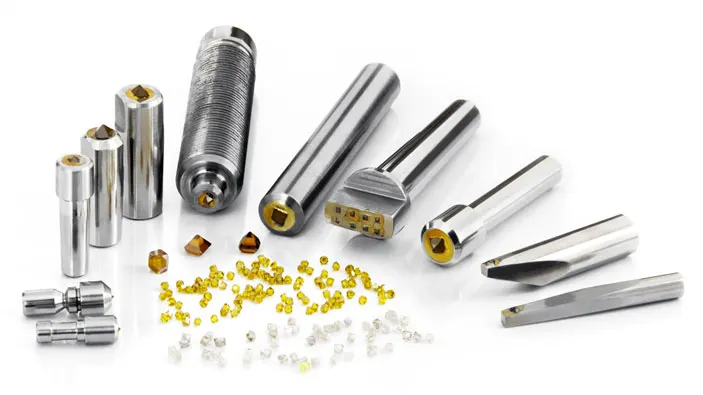
PCD End Mill vs. Face Mill: What Every Engineer Should Know Before Choosing a Milling Tool
When your production line depends on consistent part geometry, surface finish, and repeatable tolerances, choosing the wrong milling tool is not a minor inconvenience. It means scrap parts, broken tooling, and unplanned downtime. For engineers and process planners working with non-ferrous metals, composites, and ultra-hard materials, the choice between a PCD end mill and a PCD face mill comes up constantly.
Why Diamond Abrasive Safety Matters in Precision Manufacturing & Lab Environments
For engineers, QC technicians, and lab managers working with superhard materials, diamond abrasives are indispensable. They deliver the consistency, repeatability, and dimensional accuracy that modern production and research demand. But across decades of manufacturing precision diamond and CBN tools for industry, UKAM has observed one recurring blind spot in even well-run facilities: safety practices rarely keep pace with the performance capabilities of the abrasives being used.
Semiconductor Wafer Manufacturing Process: Cutting, Grinding, Dicing & Polishing Tools Explained
Modern semiconductor manufacturing demands extreme precision at every stage — from preparing a silicon ingot to singulating individual chips. Each operation directly shapes device performance, production yield, surface integrity, and cost per wafer. As chips become smaller, thinner, and more complex, the diamond tooling and abrasive consumables used throughout the process have become equally critical to the finished product as the semiconductor material itself.