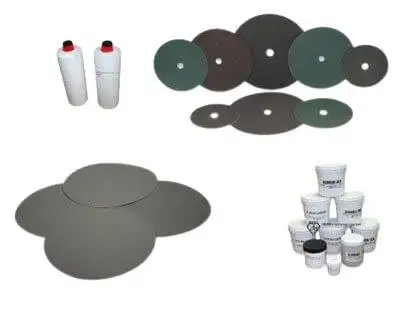
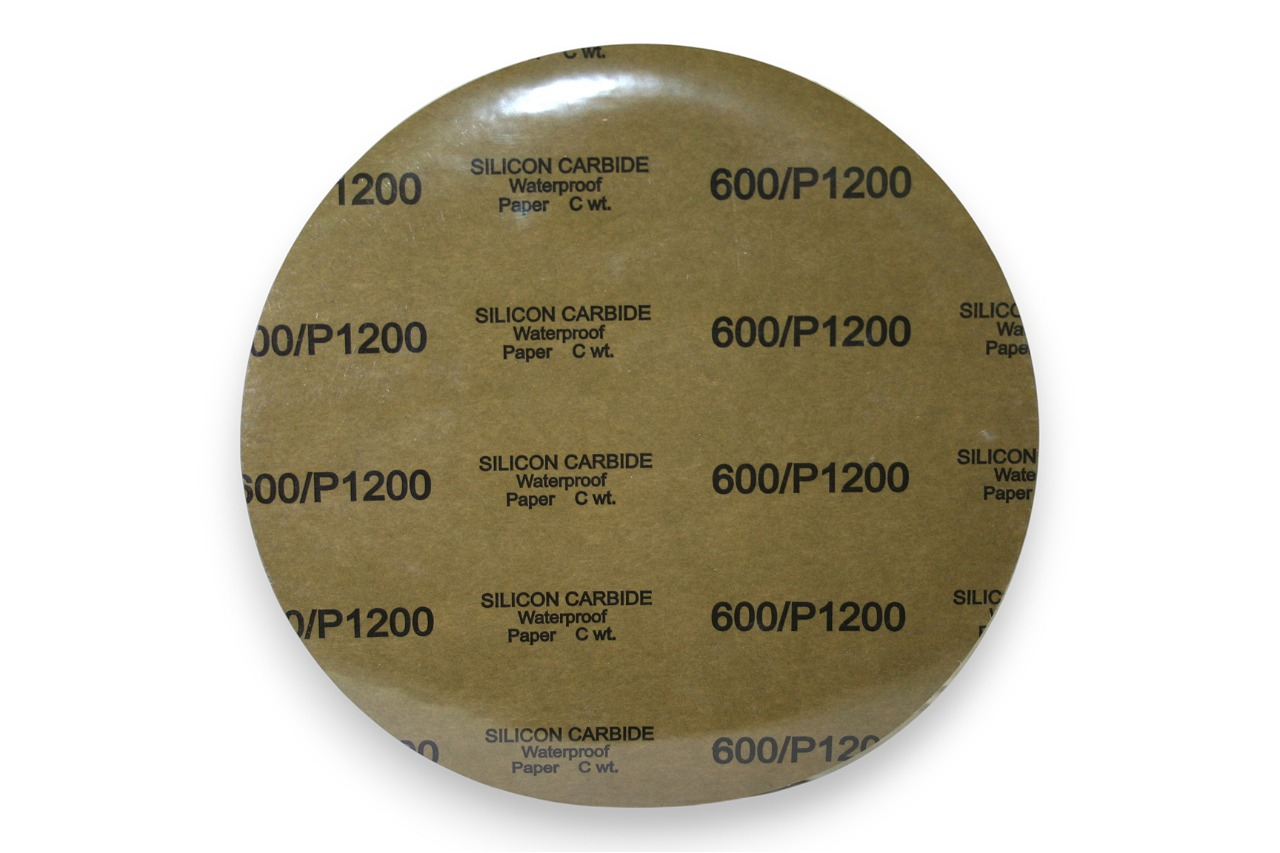
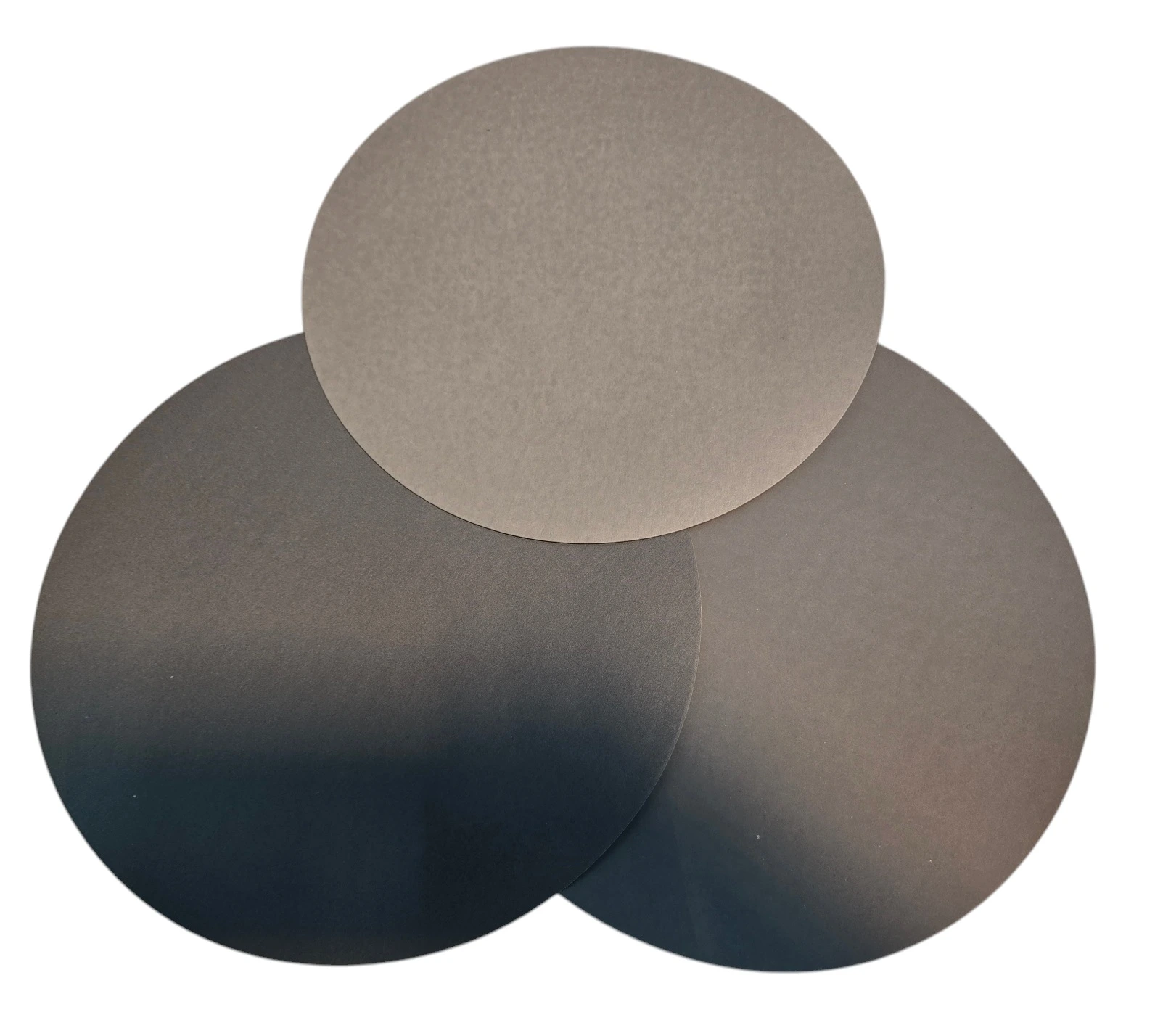
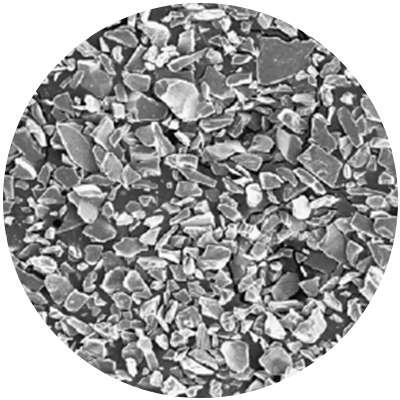
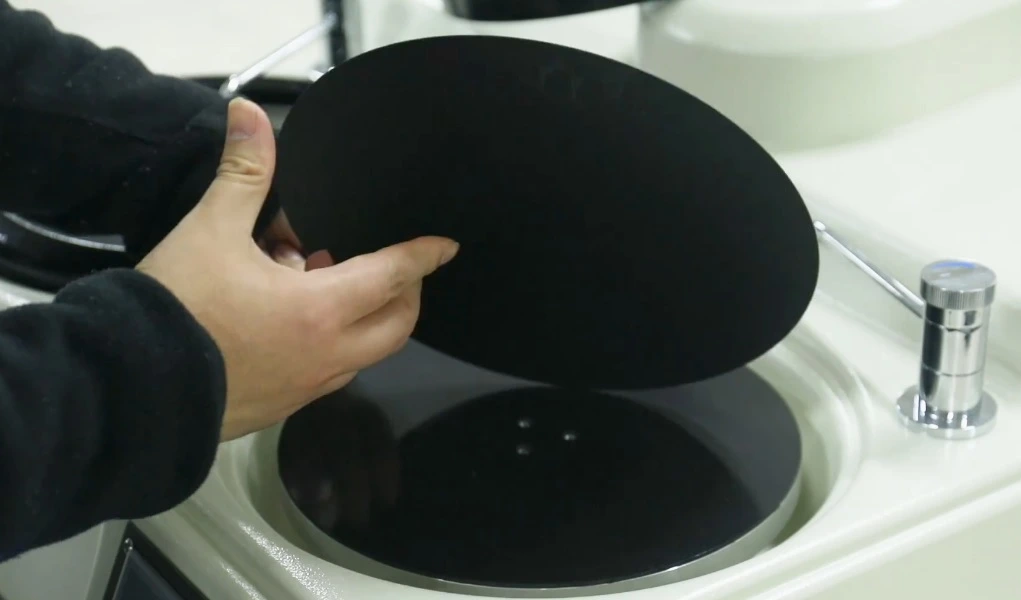
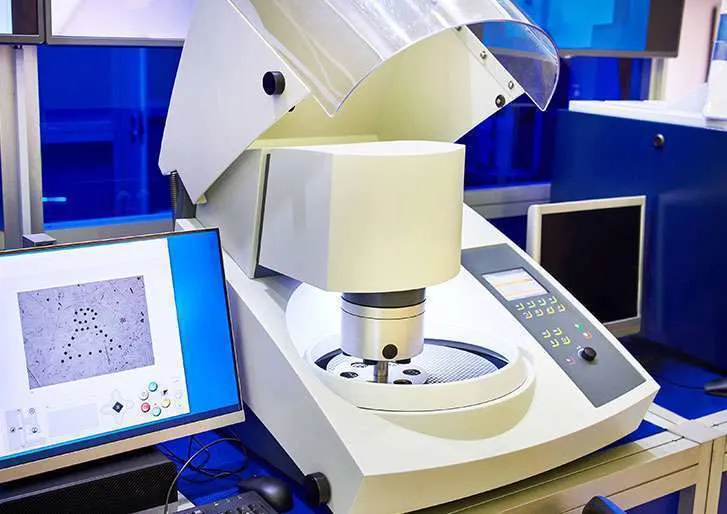
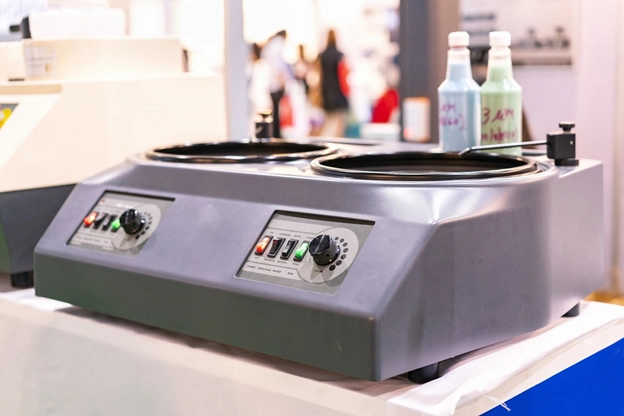
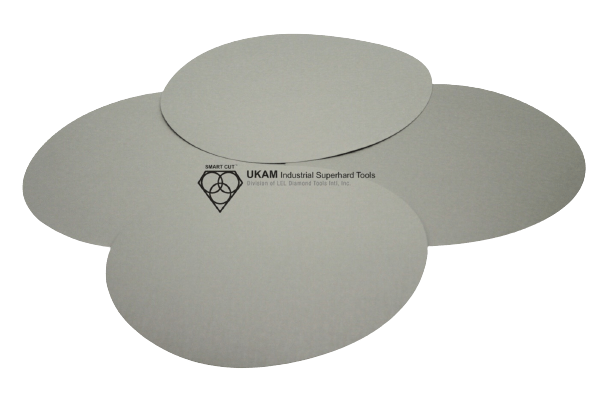
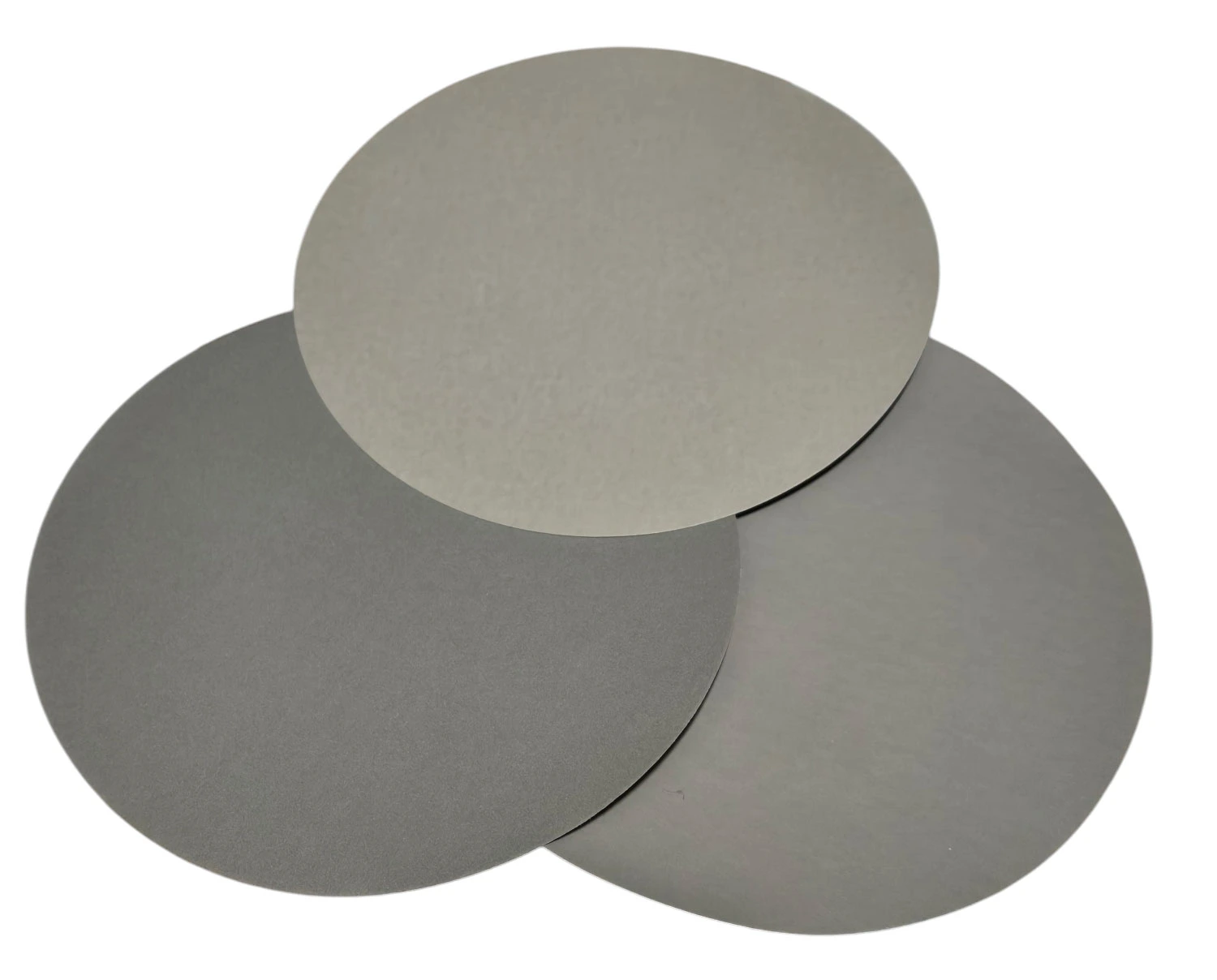
SMART CUT® abrasive paper features micro-graded silicon carbide that accelerates the cutting process while minimizing heat build-up, preserving the metallurgical integrity of the specimen. The even distribution of the grains delivers a consistent and controlled scratch pattern, crucial for achieving an excellent surface finish.
The construction of the paper includes a waterproof resin bond that enhances its durability and prevents disintegration in wet environments, ensuring prolonged usability and consistent performance under various conditions. The flexible C-weight paper backing is specifically designed to effectively manage contoured surfaces, making it ideal for complex sample shapes without compromising the abrasive surface’s integrity.
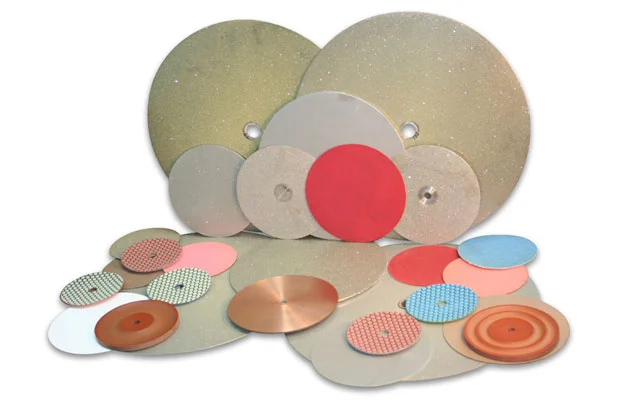
SMART CUT® Silicon Carbide Abrasive Paper is available in various formats including discs, sheets, and rolls. These are designed to meet diverse tooling and user preferences and are compatible with industry standards. With its extended lifespan and ability to produce consistent results, SMART CUT® abrasive paper offers a cost-effective solution for laboratories that prioritize high reproducibility.
Silicon Carbide Paper Selection & Usage Guide
Metallographic / Sample Preparation Process

1. Select the Right Silicon Carbide Paper
Grit Size Determination
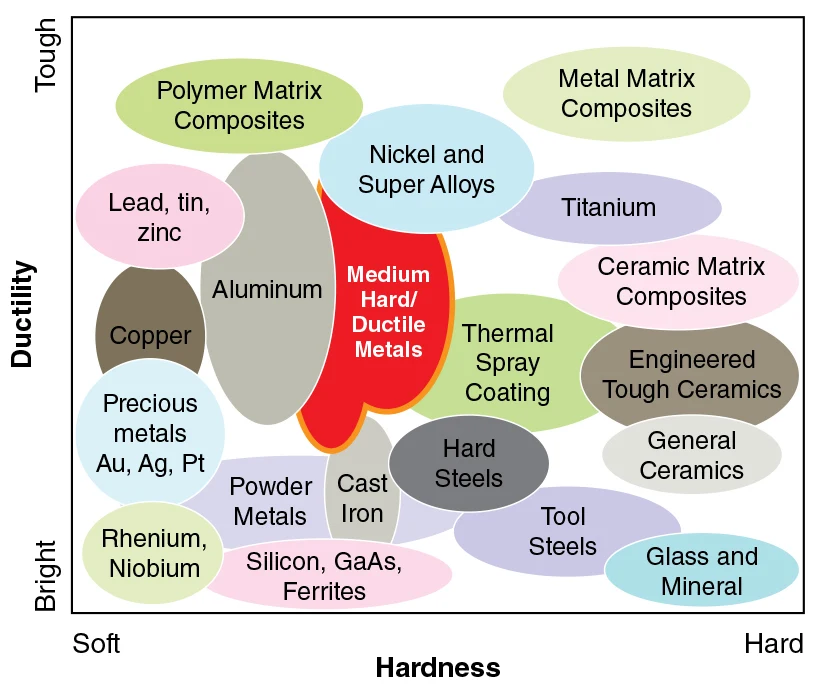
Selecting the appropriate grit size of silicon carbide paper is essential for achieving desired results in sample preparation. The choice of grit size should be based on the material hardness, the amount of material to be removed, and the desired final finish. For harder materials or when a significant amount of material needs to be removed, start with coarser grits such as 80-120 grit. This will allow effective material removal without damaging the sample. As the surface becomes smoother, switch to finer grits to refine the surface incrementally up to ultra-fine grits of 1000-4000 for applications requiring a high polish. Always progress through grits gradually, ensuring each step completely removes the scratches from the previous one.
Backing Type
The backing material impacts the flexibility, durability, and usability of silicon carbide paper. Paper backings are best suited for general use and contour polishing where flexibility is needed to conform to various sample shapes. They are typically lighter and less expensive but may wear out quicker under heavy use. Cloth backings are ideal for flat and high-pressure applications, offering greater durability and tear resistance, making them more suitable for prolonged use or for tough materials. For precision applications where minimal thickness variation is crucial, such as in semiconductor or optical materials, polyester backings are the superior choice due to their exceptional durability and uniformity.
Compatibility
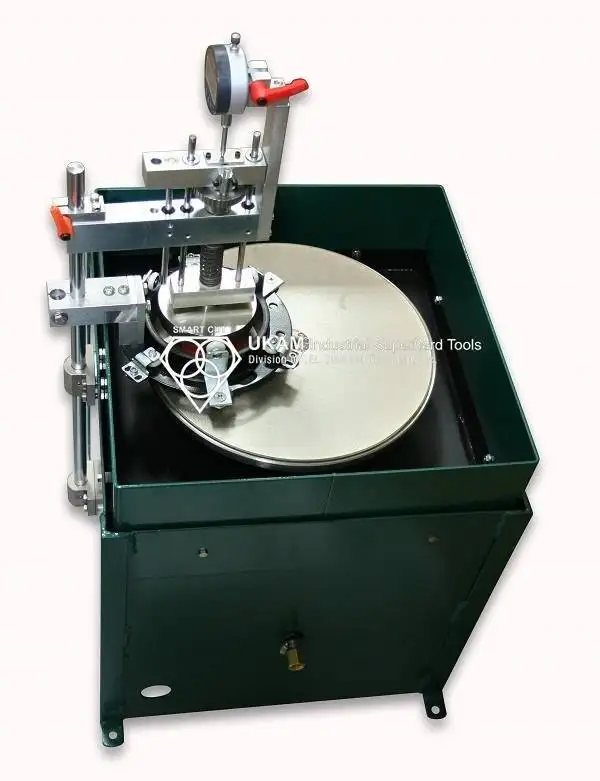
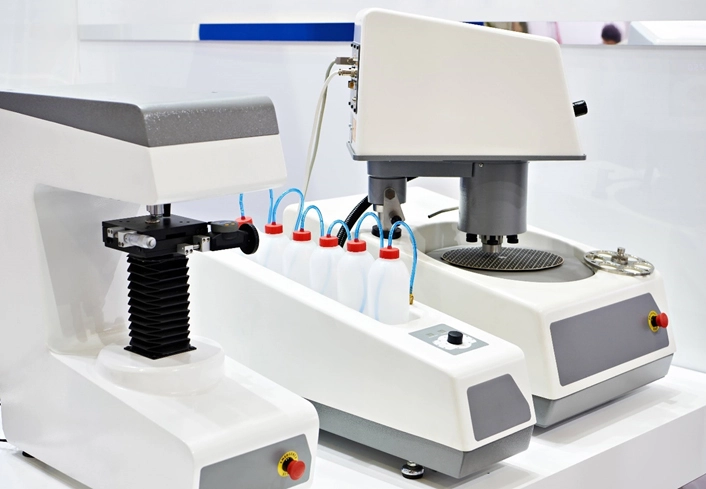
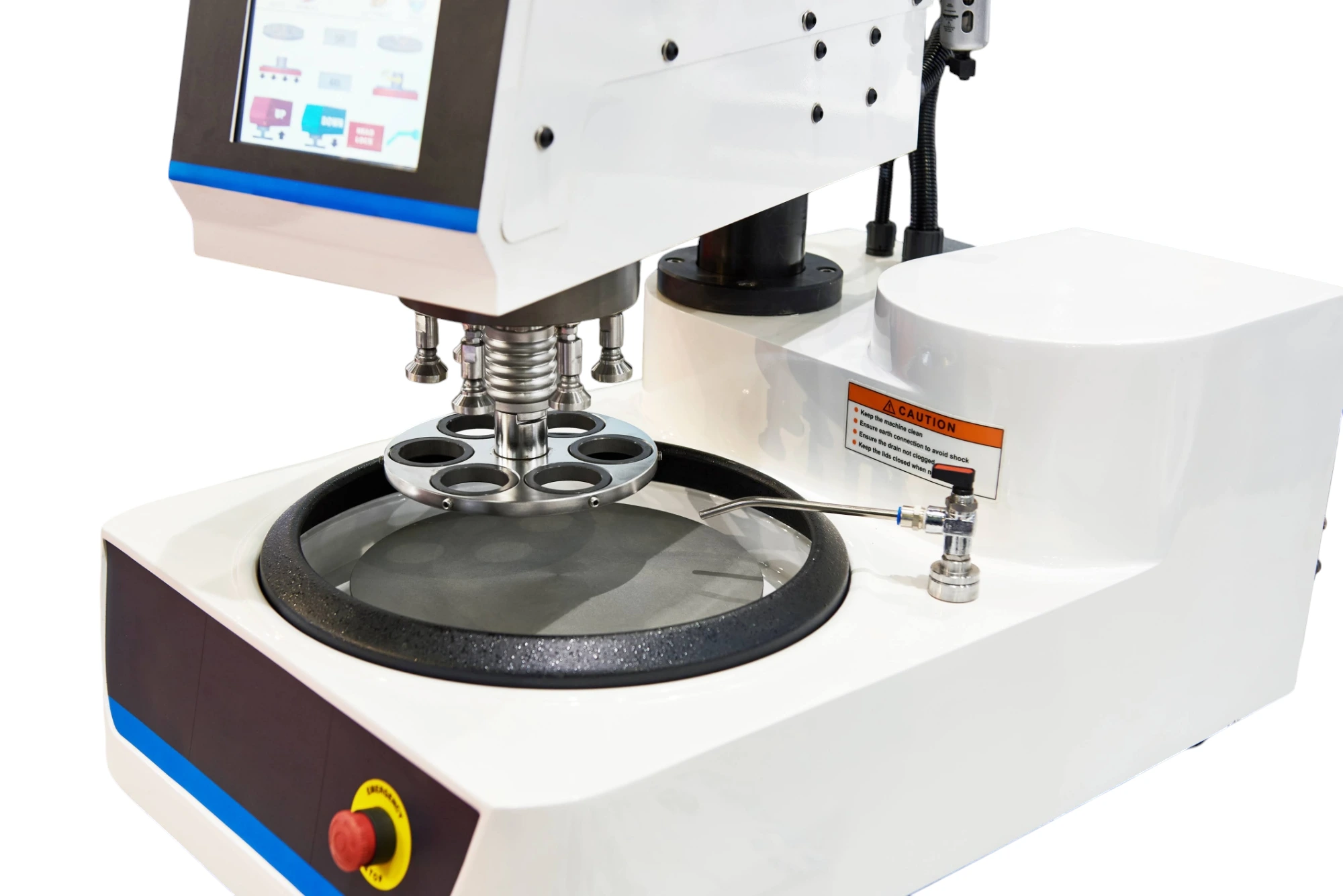
Ensuring that the silicon carbide paper is compatible with your polishing equipment is crucial for its effective use. Determine whether the paper is designed for manual hand-polishing or machine-operated polishers, as this will affect the type of paper, adhesive, and grit choice. Check the polishing equipment’s manufacturer recommendations for abrasive papers to ensure optimal performance. Consider the type of adhesive needed; some papers come with pressure-sensitive adhesives for easy application and removal, ideal for automatic polishers requiring quick changes between grits. Others may need a more permanent adhesive for extended use. Also, ensure that the size and shape of the silicon carbide paper are compatible with your equipment to prevent poor attachment, uneven wear, and potential damage.
2. Prepare to Set up
Environment Setup
Setting up the right environment is crucial for the successful use of silicon carbide paper in polishing applications. The area where the polishing or grinding is to take place must be kept clean and free from contaminants. This is especially important when working with high-purity materials or in applications that demand a high degree of precision. Any dust, debris, or residual material from previous operations could impact the abrasive effectiveness of the silicon carbide paper and potentially contaminate the sample, leading to inaccurate results. Ensuring a controlled environment also helps maintain the integrity of both the abrasive paper and the material being processed, which is vital for achieving consistent and reliable outcomes.
Equipment Check
Before beginning the polishing process, a thorough check of all equipment is necessary. This includes ensuring that all devices are not only clean but also fully functional and properly calibrated. This step is vital for both manual and, more critically, for automated systems where precision and repeatability depend on the equipment operating within specified parameters. Proper calibration ensures that the equipment will function as expected, providing consistent pressure, speed, and motion, which are essential for achieving the desired surface finish. Additionally, verifying that the equipment is clean helps prevent any cross-contamination between different materials or grits of silicon carbide paper, which can otherwise alter the surface properties of the sample being prepared.
3. Mounting and Installation
Proper Adhesion
Achieving proper adhesion of the silicon carbide paper to the platen or holder is critical for effective polishing or grinding. The paper must be securely attached to avoid slipping during use, which can affect the uniformity of material removal and potentially result in suboptimal finishing or damage to the sample. To facilitate this, it is essential to use adhesives that are specifically designed for abrasive papers. These adhesives should provide a strong bond to keep the paper in place during the polishing process but also allow for easy removal and replacement of the paper without leaving residues that could contaminate the platen or the new abrasive sheet. Depending on the system, this may involve using spray adhesives, pressure-sensitive adhesive (PSA) backings, or magnetic backing systems that align with the specific requirements of the polishing equipment and materials.
Flatness
Ensuring that the silicon carbide paper is perfectly flat on the mounting surface is another crucial step. Any deviations from flatness, such as wrinkles, folds, or air bubbles under the paper, can lead to uneven contact with the sample. This unevenness can cause inconsistent material removal rates, scratch patterns that are difficult to polish out, or even physical damage to the delicate samples. To achieve optimal flatness, the paper should be carefully laid on the platen, starting from one edge and gradually smoothing it out towards the opposite edge to avoid trapping air. For larger sheets or more rigid backings, using a roller or a similar tool might help in applying even pressure and achieving perfect adhesion across the entire surface.
4. Polishing Process
Initial Set-Up
The initial set-up in the polishing process is crucial for ensuring effective and efficient material removal. Begin by selecting the appropriate grit size of the silicon carbide paper based on the condition of the sample’s surface. For samples with significant roughness or imperfections, it’s advisable to start with a coarser grit. This approach helps quickly reduce high spots and smooth out rough areas without excessive wear on finer grits, which are not designed for heavy material removal. As the surface becomes smoother, transition through progressively finer grits to refine the surface to the desired finish.
Water or Coolant Application
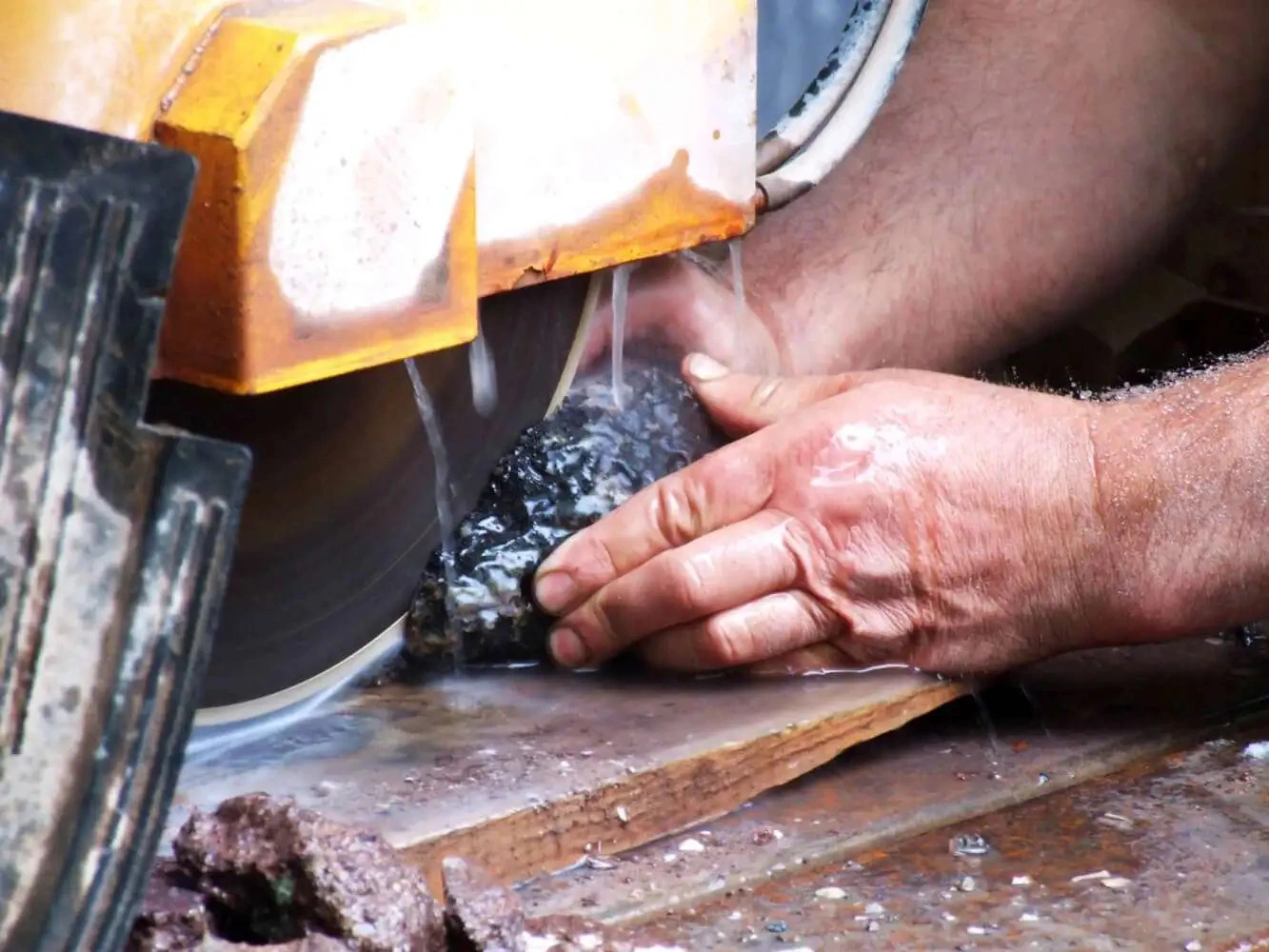
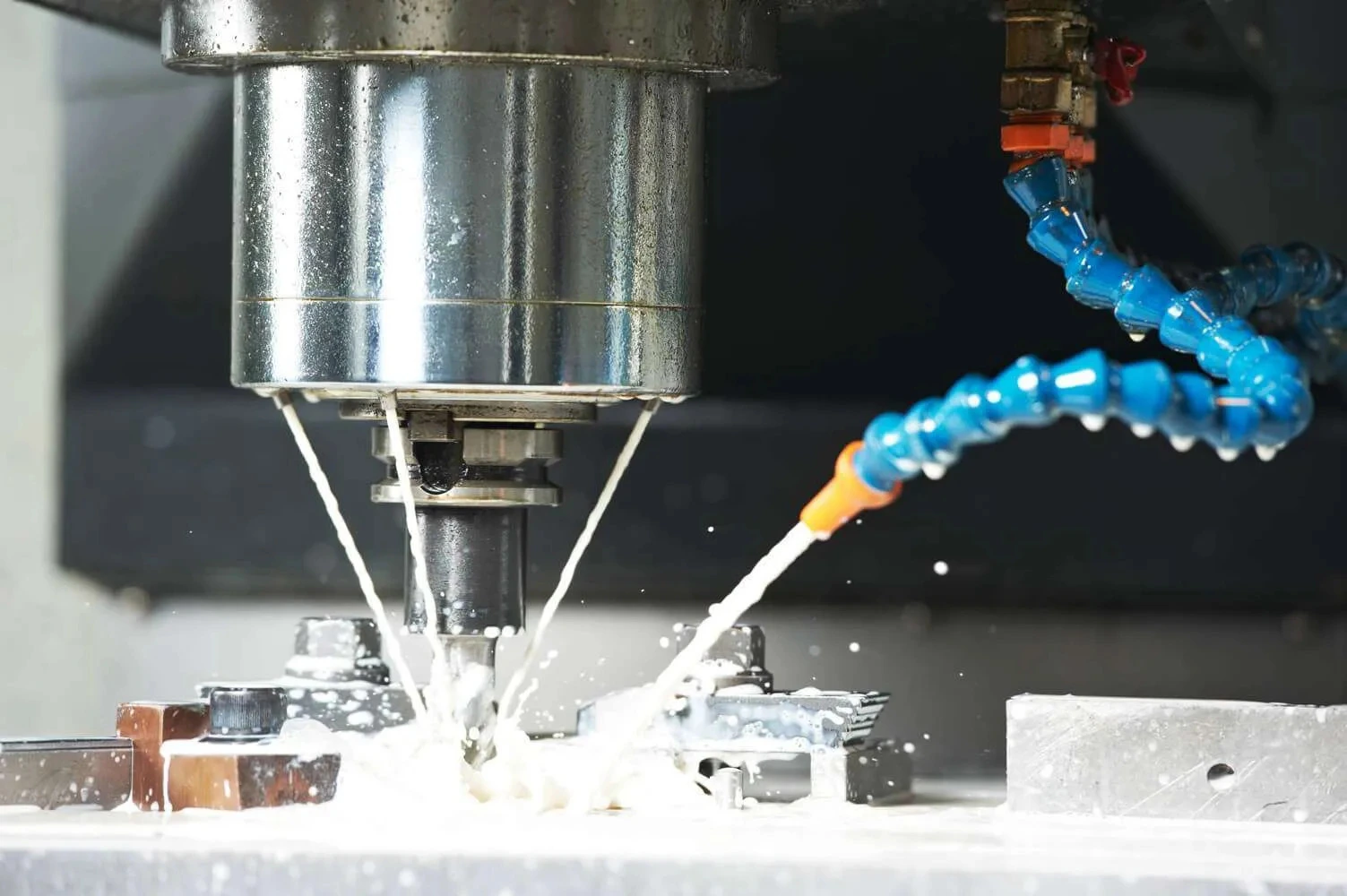
In wet polishing, the application of water or a suitable coolant is essential to maintain the quality of both the sample and the abrasive. Evenly distributing a coolant across the surface of the silicon carbide paper helps in several ways: it reduces heat generation during polishing, which can alter the physical properties of the sample; it prevents premature dulling of the abrasive grains; and it helps remove swarf and debris, which can cause additional scratches and surface defects. The type of coolant may vary depending on the material being polished and environmental or safety considerations.
Pressure and Speed
Adjusting the pressure and speed during the polishing process is critical to achieving optimal results. The amount of pressure applied should be enough to facilitate effective abrasion but not so high that it causes excessive wear or damage to the silicon carbide paper and the sample. Similarly, the speed of the polishing tool should be set to a level that allows for efficient material removal without generating excessive heat. High speeds, combined with too much pressure, can lead to thermal damage to both the sample and the abrasive paper. Each material may require different settings, which should be determined based on experimental results or established guidelines.
Polishing Motion
The motion used during polishing affects the uniformity of the material removal and the final finish of the sample. Consistent and controlled motions, such as circular or figure-eight patterns, are recommended as they ensure that all areas of the sample are evenly abraded. This uniformity is crucial for preventing localized over-polishing or under-polishing, which can lead to artifacts in the sample analysis. The specific polishing motion may need to be adjusted depending on the shape of the sample and the type of material to account for any unique physical properties or desired outcomes.
5. Progression and Transition
Grit Progression
Proper grit progression is essential for achieving a smooth and defect-free surface on the sample being polished. Start with a coarser grit to effectively handle large imperfections or significant roughness. This initial stage is about removing the major surface irregularities and preparing the sample for finer finishing. Once the initial leveling is achieved, move to medium grits to begin smoothing the surface. Each subsequent grit should be finer than the last, with each step designed to remove the scratches left by the previous one. This gradual progression ensures that by the time you reach the finest grits, the surface is nearly free of visible marks and is prepared for final finishing or detailed analysis. Skipping grits can result in inefficient polishing, as finer grits are not designed to remove deep scratches left by a much coarser grit efficiently. This approach not only wastes time but can also lead to residual scratches that are difficult, if not impossible, to remove later, compromising the quality of the sample’s finish.
Cleaning Between Stages
Cleaning between each stage of grit progression is critical to maintaining the integrity of the sample’s surface. Each change in grit can potentially introduce cross-contamination if the sample and work area are not properly cleaned, leading to the embedding of coarse abrasive particles on a finer polishing stage. Such contamination can cause unexpected scratches, adversely affecting the final finish and potentially skewing analysis results. To prevent this, thoroughly clean the sample and the work area after using each grit. Use a soft brush and a stream of clean water or an appropriate cleaning fluid to remove all particles from the surface of the sample. Additionally, wipe down the equipment and change or clean the water or coolant used in wet polishing to ensure it is free of suspended abrasive particles from the previous stages. This thorough cleaning process helps ensure that each polishing stage effectively refines the surface without the interference of remnants from previous steps.
6. Post-Polishing Care
Inspection
The inspection phase is a critical component of the post-polishing process. Once the final polishing stage is completed, a thorough examination of the sample under appropriate lighting or using a microscope is essential. This inspection should focus on ensuring that the surface of the sample meets all specified criteria for smoothness and is free from any defects that could impact subsequent analyses or applications. Look for uniformity in the finish and the absence of residual scratches that could indicate inadequate polishing or contamination during earlier stages. If any imperfections are detected, it may be necessary to revisit earlier polishing steps or adjust the polishing parameters to achieve the desired finish.
Cleaning
Proper cleaning after polishing is crucial not only for preserving the integrity of the sample but also for maintaining the longevity and performance of the polishing equipment. Residues from polishing compounds and silicon carbide particles can adhere to both the sample and equipment, potentially causing cross-contamination in future uses or damaging sensitive components of the equipment.
To effectively remove these residues, use a soft, lint-free cloth or a suitable cleaning agent that does not react with the sample material. For the equipment, ensure all surfaces that came into contact with the silicon carbide paper and the sample are thoroughly cleaned. Use compressed air, solvents, or specialized cleaning solutions designed for laboratory equipment to ensure no abrasive particles are left behind. Additionally, regularly check and maintain the cleaning tools themselves, as these can also accumulate residues that might lead to contamination.
7. Maintenance and Storage
Abrasive Care
Proper care of silicon carbide paper is crucial for extending its usability and maintaining its effectiveness. After use, if the paper is intended for reuse, it should be cleaned gently to remove any accumulated debris and residues. This can be done using a soft brush or a clean, dry cloth to brush away particles without damaging the abrasive surface. For more thorough cleaning, a mild solvent or water may be used, depending on the type of backing and adhesive. Once cleaned, the paper should be allowed to dry completely before storage.
In terms of storage, silicon carbide paper should be kept either flat or gently rolled. Avoid folding the paper, as this can create creases that compromise its flatness and lead to uneven polishing results in future uses. If rolling the paper for storage, use a wide diameter roll to prevent kinking and ensure the paper remains smooth.
Storage Conditions
The environment in which silicon carbide paper is stored can significantly affect its longevity and performance. To preserve the adhesive and abrasive properties of the paper, store it in a cool, dry place. Exposure to high humidity can cause the backing to warp or the adhesive to weaken, leading to detachment of the abrasive grains. Similarly, high temperatures can soften the adhesive, potentially causing it to become tacky or to degrade prematurely.
It’s also advisable to keep the paper away from direct sunlight. UV light can degrade some adhesives and backing materials, reducing the overall lifespan of the abrasive paper. Storing the paper in an environment-controlled room or cabinet is ideal to prevent such damage and ensure the paper maintains its effectiveness for as long as possible.
9. Disposal
Proper disposal of used silicon carbide paper is essential for minimizing its environmental impact. Users must adhere to local environmental regulations specific to their area when disposing of used abrasive materials. These regulations often categorize waste into different types, such as hazardous or non-hazardous, and dictate specific disposal methods and designated facilities for each category.
Before considering disposal, explore any available recycling options. Some components of silicon carbide paper, particularly the backing material, may be recyclable depending on their composition. Local waste management services can provide information on whether they offer recycling programs for abrasive materials and the requirements for participation. Recycling used abrasives can significantly reduce waste and contribute to resource conservation.
Additionally, users should seek ways to minimize the environmental impact of their activities. This can be achieved by extending the life of silicon carbide paper through proper usage and maintenance, thereby reducing the frequency of its replacement. Choosing abrasive products that feature recyclable or biodegradable components can also help. When purchasing new abrasives, opting for products manufactured through environmentally friendly practices can further support