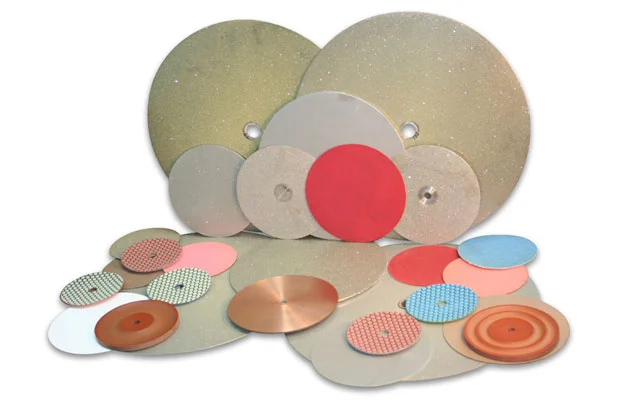
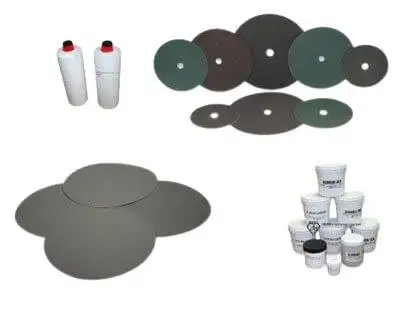
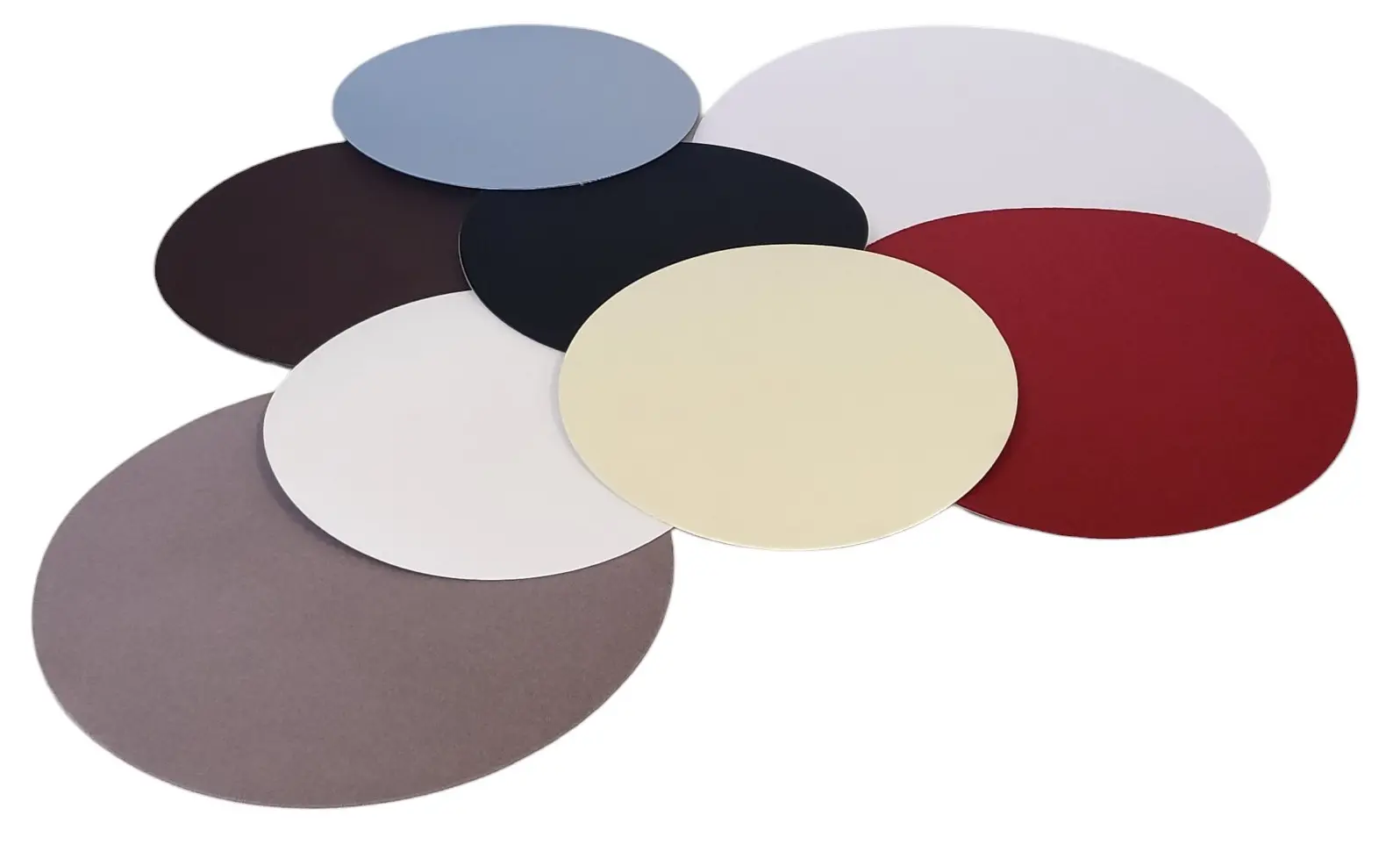
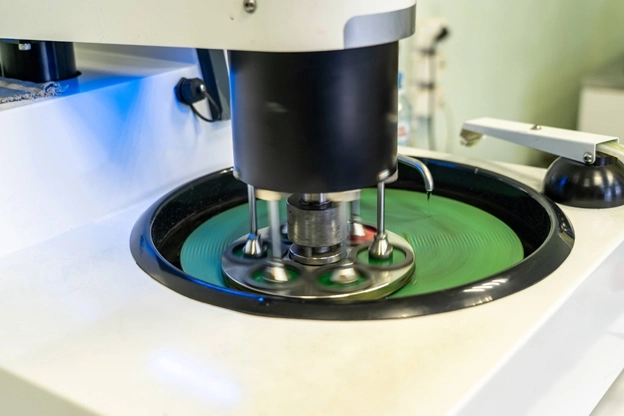
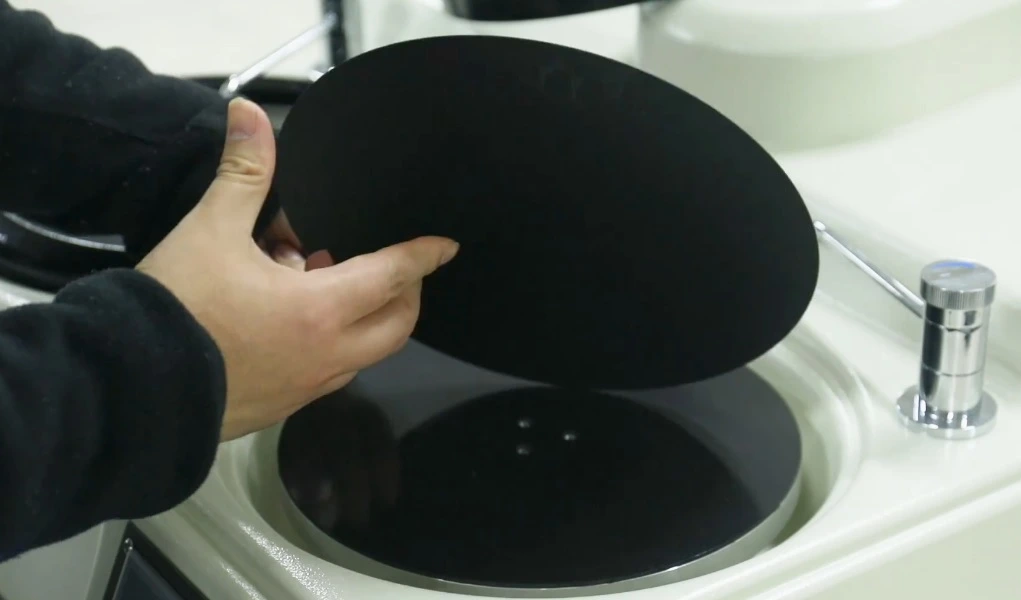
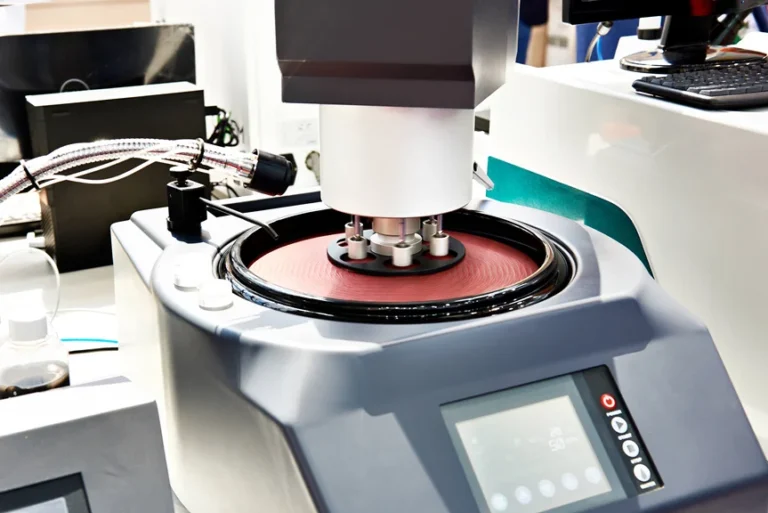
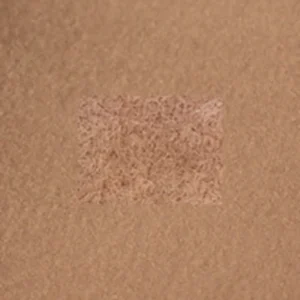
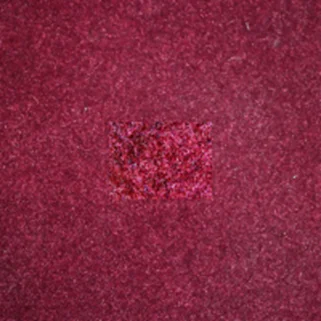
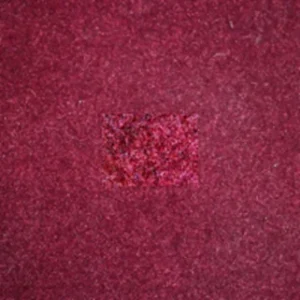
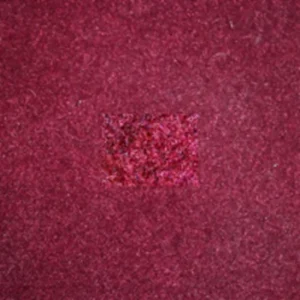
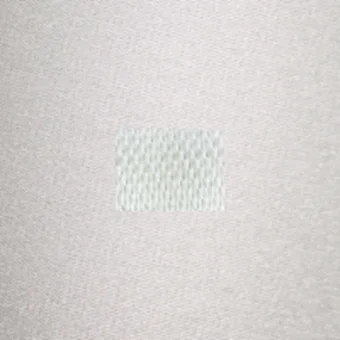
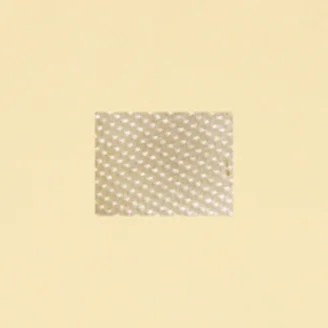
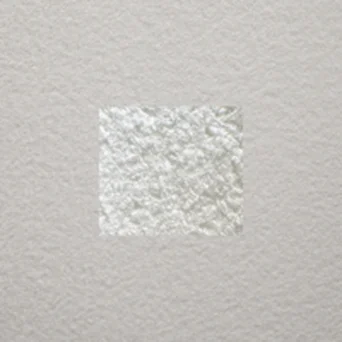
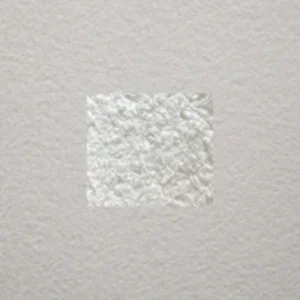
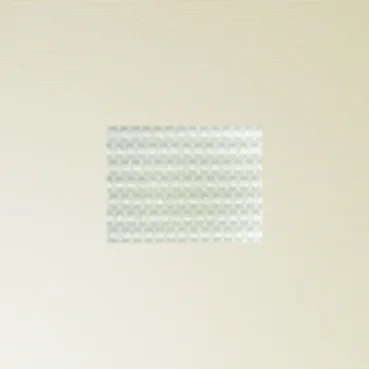
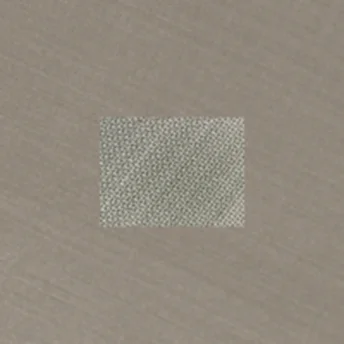
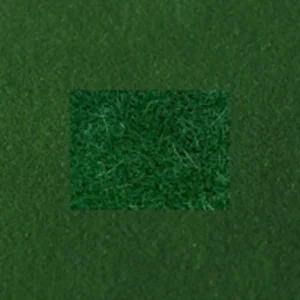
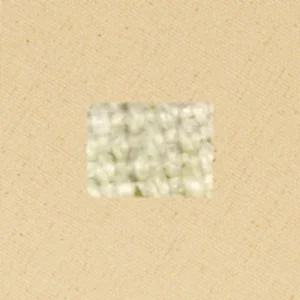
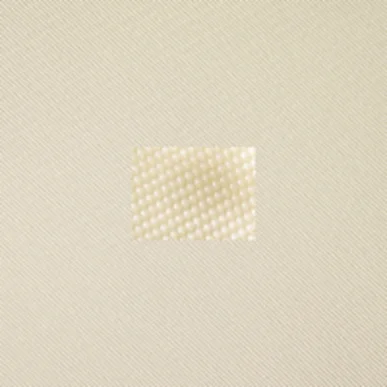
SMART CUT® Polishing cloths are suitable for a diverse range of materials, from ferrous and non-ferrous metals to ceramics and composites. This versatility makes them invaluable across various sectors, including research institutions and industrial applications. The cloths feature a unique blend of fibers that provide the right balance of toughness and softness, facilitating effective material removal with minimal abrasion.Additionally, SMART CUT® Polishing cloths come with customizable options. They are available in multiple sizes and textures, and with backings that include both PSA (adhesive) and a practical magnetic option. The magnetic backing, in particular, simplifies the process, allowing for quick changes and consistent results, which is crucial in fast-paced laboratory environments.
SMART CUT® Polishing cloths range spans from cloths with low resilience for delicate applications to high resilience for more demanding tasks. Each cloth type—from napped to woven and non-woven—is specifically optimized to retain our unique abrasives, supporting efficient material removal and shortening preparation times.
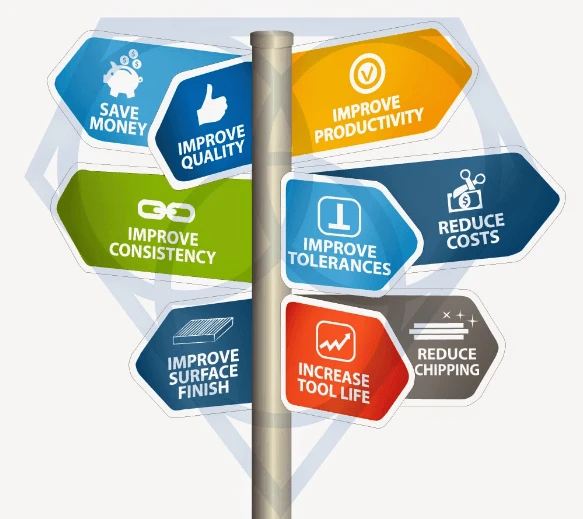
SMART CUT® Metallographic Polishing Cloths provide a solution tailored to your needs. Their unique fabric characteristics are designed to offer consistent performance and long lifetimes, significantly enhancing process efficiency. Find out more >>>
Guide to Selecting the Right SMART CUT® Metallographic / Metallurgical Polishing Cloth & Pads for Your Application

Proper selection of SMART CUT® Metallographic / Metallurgical Polishing Cloths and Pads is critical to achieving optimal results in metallography and sample preparation. These products are specially designed for precision, durability, and compatibility with various abrasive materials. Follow these steps to choose the right polishing solution for your specific application:
Understand Your Application Needs
Selecting the right polishing cloth or pad starts with a thorough understanding of your application requirements, including the type of material being processed and the desired analysis results.
You may establish the material type based on the properties of the material you need to work with. Metals, for instance, come in different hardnesses and compositions, so the polishing cloth has to be able to accommodate these variations. For harder metals, you need firm and durable cloths/pads to effectively navigate the abrasion process, whilst softer metals require these softer cloth/pads to prevent sample distortion or over-polishing. For ceramic or composite materials, non-metallic or composite polishing pads are used to prevent compromising of the material, or for a composite with its own complex geometry. Also, for soft materials, softer pads are required that should not damage the softer surface; for hard materials, tough pads will be along which can endure a higher level of abrasive forces.
The choice of cloth/pad also depends on the analysis needs. A polish pad that has been designed as part of an engineered process for the final stage on metal surfaces is particularly important if generating a mirror reflective surface at this level is the goal. These cloths/pads can be used in conjunction with ultra-fine abrasives to achieve a perfect finish. However, applications that only need a plane, flat surface are able to use polishing cloth/pads for coarse or intermediate levels. In cases where the sample has some underlying structure that must be retained (in order to study grain boundaries, microstructural features in metallography, etc.), it is important to choose pads that cause the fewest damage to the structure. It keeps the sample intact and prepared for clear, thorough analysis.
Match the Cloth/Pad to the Polishing Stage
Polishing is typically a multi-stage process, and the selection of the appropriate cloth or pad for each stage is critical to achieving the desired results. Each stage requires a cloth or pad with specific characteristics to ensure optimal material removal, surface refinement, and finishing.
Coarse Polishing
The first step in polishing is the aggressive removal of material to level the surface and remove defects. Strong, tough polishing pads are needed for this step. To do this, the pads need to be able to handle the high forces seen in this process and be compatible with abrasives that have a much coarser size, like diamond suspensions or larger grit particles. Their sturdy construction guarantees the efficient removal of excess material while preserving a consistent surface profile.
Intermediate Polishing
The intermediate stage focuses on refining and preparing the surface after the rough polishing stage for final finishing. A medium-hardness polishing cloth is ideal to achieve this, balancing material removal with surface smoothing. These cloths work best with medium-grit abrasives or fine diamond pastes, providing the precision needed to transition the sample from a rough state to a more refined one.
Final Polishing
A key step in the process is the final polishing stage of the surface, to make a smooth, polished reflection. This is where a soft, high-performance polishing cloth/pad is most suited, as it excels at delivering exceptional fine finishing. The cloths work perfectly with sub-micron abrasives or colloidal silica to produce a scratch-free finish, bringing out the features of the sample. This step is especially crucial for applications involving microscopy, as only a pristine surface will expose fine material morphology.
Consider Abrasive Compatibility
The performance of a polishing cloth or pad is directly influenced by its compatibility with the abrasive materials used during the polishing process. SMART CUT® Polishing Cloths are specifically engineered to work with a wide range of abrasive materials, ensuring flexibility and reliability across different applications. Selecting a cloth or pad that complements your abrasive is important in order to optimal results and preserve the integrity of your sample.
Diamond Abrasives
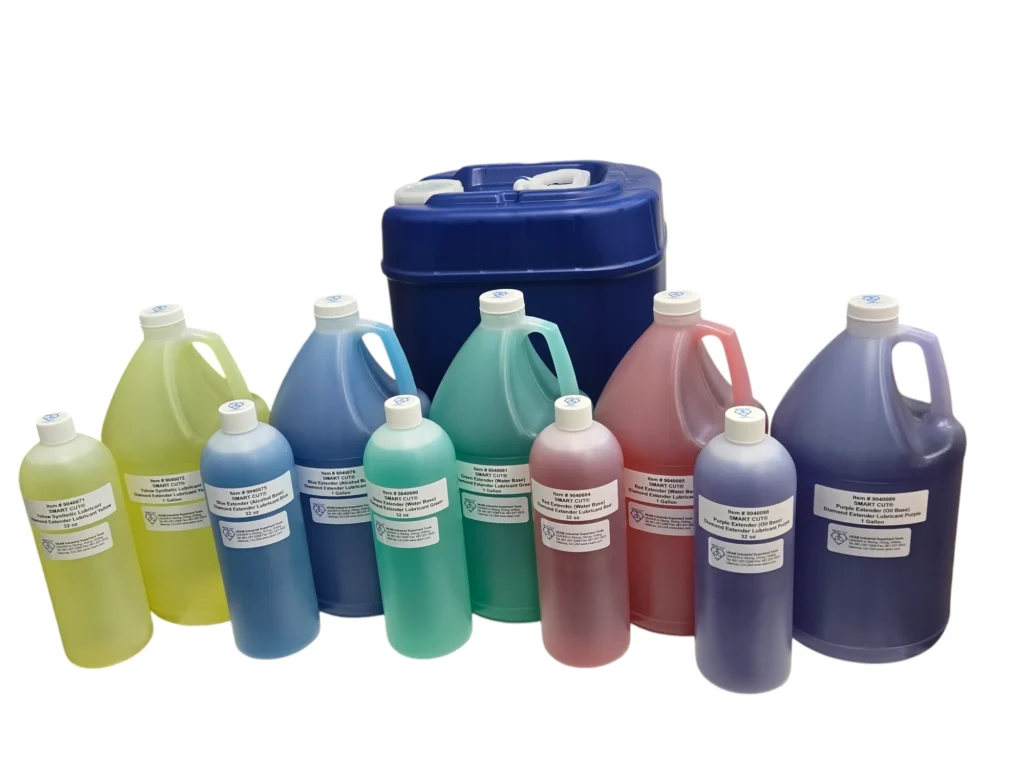
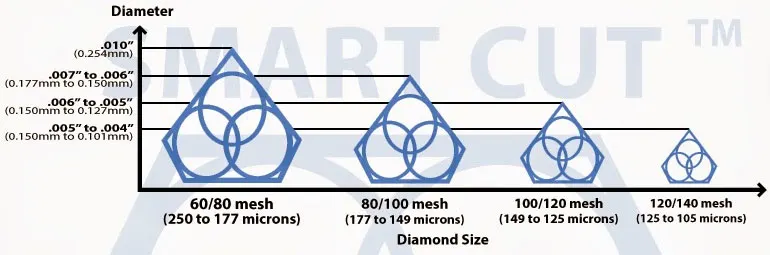
Diamond abrasives are widely recognized for their exceptional hardness and precision, making them ideal for cutting and polishing various materials. When using diamond abrasives, it is crucial to select a polishing cloth that can handle their aggressive nature while ensuring even distribution across the surface. SMART CUT® cloths designed for diamond abrasives deliver consistent performance, enabling precise material removal and superior surface finishes. They are particularly effective for hard materials like metals, ceramics, and composites that require detailed polishing.
Colloidal Silica
For applications requiring ultra-fine polishing and a mirror-like reflective finish, colloidal silica is an excellent abrasive choice. Its chemical-mechanical polishing properties enable it to create a flawless surface without causing material damage or deformation. SMART CUT® soft polishing cloths are perfectly compatible with colloidal silica, allowing users to achieve a scratch-free, highly reflective finish ideal for microscopic examination and high-precision applications.
Other Abrasives
Different applications may call for various types of abrasives, including aluminum oxide, silicon carbide, or other specialized materials. To achieve the best results, the polishing pad must match the abrasive’s grit size, chemical composition, and intended use. For example, coarse abrasives work well with firm cloth / pads during initial material removal, while finer abrasives require softer cloth / pads for final finishing. Selecting the right combination ensures effective polishing and minimizes the risk of uneven surfaces or sample damage.
Selecting the Right Polishing Cloth / Pad Backing/Mounting
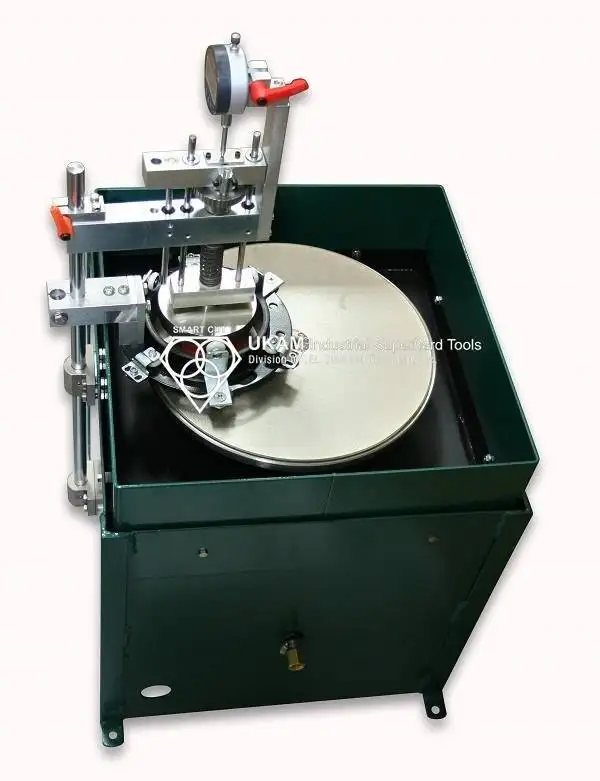
The choice of backing or mounting system for a polishing pad is an important consideration, as it ensures compatibility with your equipment and provides the stability needed for efficient polishing. Proper backing selection not only enhances ease of use but also ensures consistent and repeatable results.

Adhesive Backing
Adhesive-backed polishing cloth/pads are a popular option for many applications. They are equipped with a peel-and-stick layer that allows quick and secure attachment to the platen or polishing plate. This option is ideal for users who prioritize ease of setup and need a reliable hold during polishing. Adhesive-backed pads are especially suited for single-use or short-term applications, as they are typically disposed of after the polishing session. To ensure smooth removal, check for adhesive pads designed to leave minimal residue.
Magnetic Backing
Magnetic-backed polishing cloth/pads offer greater flexibility and convenience for applications requiring frequent pad changes. These pads are equipped with a magnetic layer that securely attaches to a compatible magnetic base plate. This system allows users to quickly swap pads between different polishing stages or materials without the need for adhesives, saving time and effort. Magnetic backings are particularly beneficial in multi-stage polishing workflows or high-throughput environments where efficiency is key.
Plain Backing
Plain-backed polishing pads are designed for use with platen systems that utilize alternative attachment methods, such as clamping rings or double-sided tape. This option provides maximum versatility, as users can customize their mounting solution based on specific equipment or application requirements. Plain backing is often chosen when flexibility in mounting is needed, or for specialized polishing setups.
Key Considerations for Backing Selection
- Compatibility with Equipment: Ensure the backing system matches the platen or mounting system of your polishing machine.
- Ease of Use: Consider how frequently you need to change pads and whether a magnetic or adhesive solution would improve efficiency.
- Application Requirements: For long-term use and repeatable polishing tasks, magnetic systems may offer better performance. For single-use applications, adhesive-backed pads provide a cost-effective solution.
- Stability and Precision: The backing must provide a stable surface during polishing to ensure uniform pressure distribution and consistent results.
Evaluate Durability and Reusability
When selecting metallographic / metallurgical polishing cloths or pads, it is essential to consider their durability and reusability in relation to your workflow and application demands. These factors significantly impact the cost-effectiveness and efficiency of the polishing process.
In high-throughput environments, where large volumes of samples are prepared regularly, durability becomes a critical factor. We recommend polishing cloths/pads engineered for long-term use, as these are designed to maintain consistent performance over extended periods without significant wear or degradation. Durable cloths/pads not only reduce the frequency of replacements but also ensure reliability across multiple polishing cycles, making them ideal for laboratories and facilities with heavy workloads.
For applications where only a few samples are being prepared, single-use or less durable polishing cloths may be more appropriate. These cost-effective options are suitable for situations where the cloth’s longevity is not as critical, such as occasional sample preparation or one-time polishing tasks. By choosing pads designed for limited use, you can minimize expenses without compromising the quality of the polished surface.
Assess Polishing Cloth/Pad Size
When selecting polishing pads for your equipment, carefully assessing the size and mounting requirements is crucial for compatibility with your polishing machinery and for optimal performance results. Here’s how you can make informed choices regarding pad size and mounting needs:
Choosing the Right Pad Size
The size of the polishing pad is important as it must correspond to the dimensions of the equipment being used. Common polishing cloth / pad sizes in the industry include 8 inches, 10 inches, and 12 inches in diameter. Selecting the correct size ensures that the pad covers the appropriate surface area of the material being polished without overhang or insufficient coverage, which is essential for achieving an even polish and preventing potential damage to both the sample and the equipment.
Factor in Environmental and Safety Considerations
When setting up a polishing operation, integrating environmental and safety considerations into your planning is essential for achieving optimal results and maintaining a safe workspace. Here’s how you can effectively manage these factors:
Maintaining a Controlled Work Environment
The performance of polishing processes can be significantly affected by the work environment, particularly the temperature and humidity levels. Consistent temperature helps ensure that the physical properties of the polishing pads and abrasives remain stable, which is important for achieving uniform results. Similarly, controlling humidity is important as excessive moisture can affect the adhesion of abrasives on the polishing pads and may lead to inconsistent abrasion or clumping of polishing media. For this reason, maintaining a controlled environment with stable temperature and humidity levels is crucial for optimizing the quality and consistency of your polishing results.
Ensuring Adequate Ventilation
Safety is important in any operational setting, and this is especially true when working with abrasives during the polishing process. Some abrasives can generate dust and other particulates that, if inhaled, can be harmful to health. To mitigate these risks, proper ventilation is necessary. Using an effective ventilation systems ensures that airborne particles are efficiently extracted from the work area, maintaining clean air and reducing the risk of respiratory issues for operators. This not only adheres to health and safety regulations but also creates a more comfortable and sustainable working environment.
Safety Measures
In addition to maintaining a controlled environment and ensuring adequate ventilation, it’s important to implement strategic safety measures such as:
- Regular monitoring of environmental conditions using humidity and temperature sensors to ensure they remain within optimal ranges.
- Installation of high-efficiency particulate air (HEPA) filters or similar systems in ventilation equipment to capture fine abrasive particles effectively.
- Conducting routine safety audits and training for all personnel on the proper handling of materials and equipment, emphasizing the importance of personal protective equipment (PPE) such as masks, goggles, and gloves.
Test and Adjust as Needed
Choosing the right polishing cloth or pad for metallography / metallurgy can significantly affect the quality of your sample preparation. If you are uncertain about which product best meets your needs, a methodical approach to testing and adjustment can guide you to the most effective solution. Here’s how to proceed:
Try Different Polishing Cloth / Pad Specifications
When you are not sure what polishing cloth/pad specification to pick, starting with a trial pack can be an excellent strategy. We can usually provide trial packs that include a variety of cloths or pads, allowing you to experiment with different types before committing to a bulk purchase. This approach lets you directly assess the impact of each type on your specific application. We can cross reference any competitor product specification or item number if needed.
Observational Adjustments
Once you begin using a particular cloth or pad, closely monitor its performance during the polishing process. Pay attention to how well it removes scratches, its durability, and the quality of the finish it produces on different materials. If the results do not meet your expectations or the specifics of your application, adjust your approach by trying a different type of pad or altering the parameters of your polishing process, such as speed and pressure.
The key to optimizing your sample preparation is iterative testing and adjustment. This process involves:
- Assessing the effectiveness of each cloth or pad under various conditions.
- Adjusting your methodology based on the outcomes and observations.
- Repeating the process if necessary to fine-tune the results.