










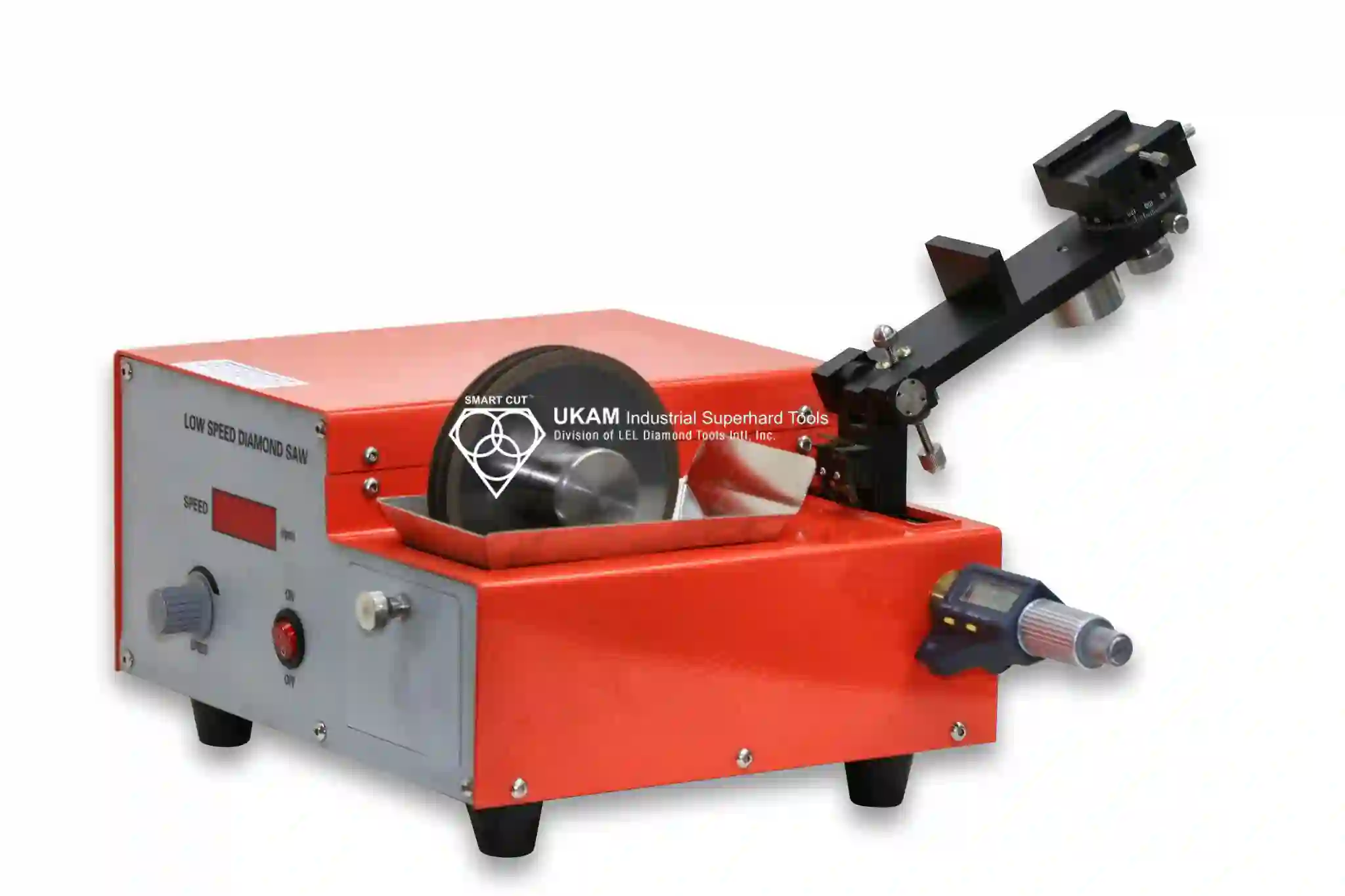
Whether in a factory for industrial production or in the research lab, testing lab, and inspection area of a university or high-tech company, cutting is frequently just the beginning of an extensive process. And perhaps most notably, the quality of that first cut can affect downstream machining accuracy, surface finish, material integrity, and inspection results. However, for many engineers and technicians, a question remains: Should I use an abrasive saw or a precision saw?
Table of Contents
ToggleAt a casual glance, the two devices do the same thing: Slice things. In reality, abrasive saws and precision saws are for completely different applications. Make a wrong choice in: visit this section, and you generate too much heat damage; Choose poorly here and get poor quality analysis, throw away tunable consumables or invest unnecessary capital.
This guide will walk you through the true distinctions between abrasive sawing and precision sawing, tell you where each one shines (and when it falls short) and make recommendations on which cutting process is most suitable for your unique cutting needs.
Understanding Abrasive Saws: Built for Speed and Throughput
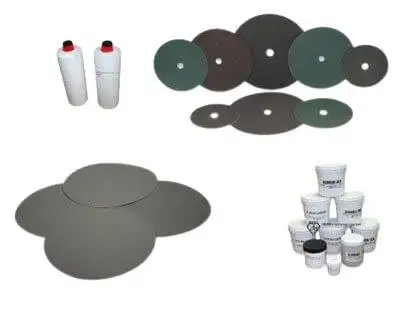
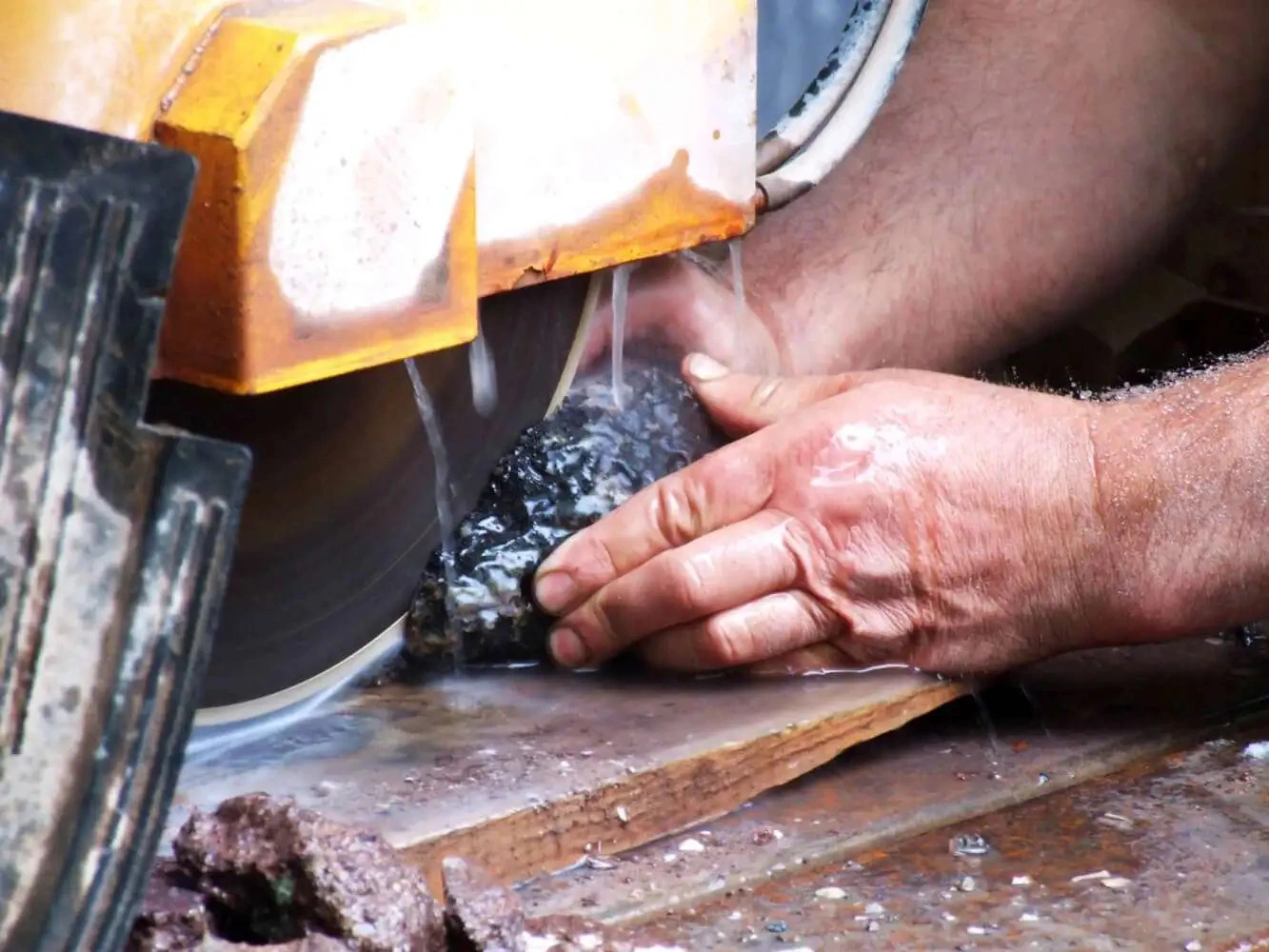
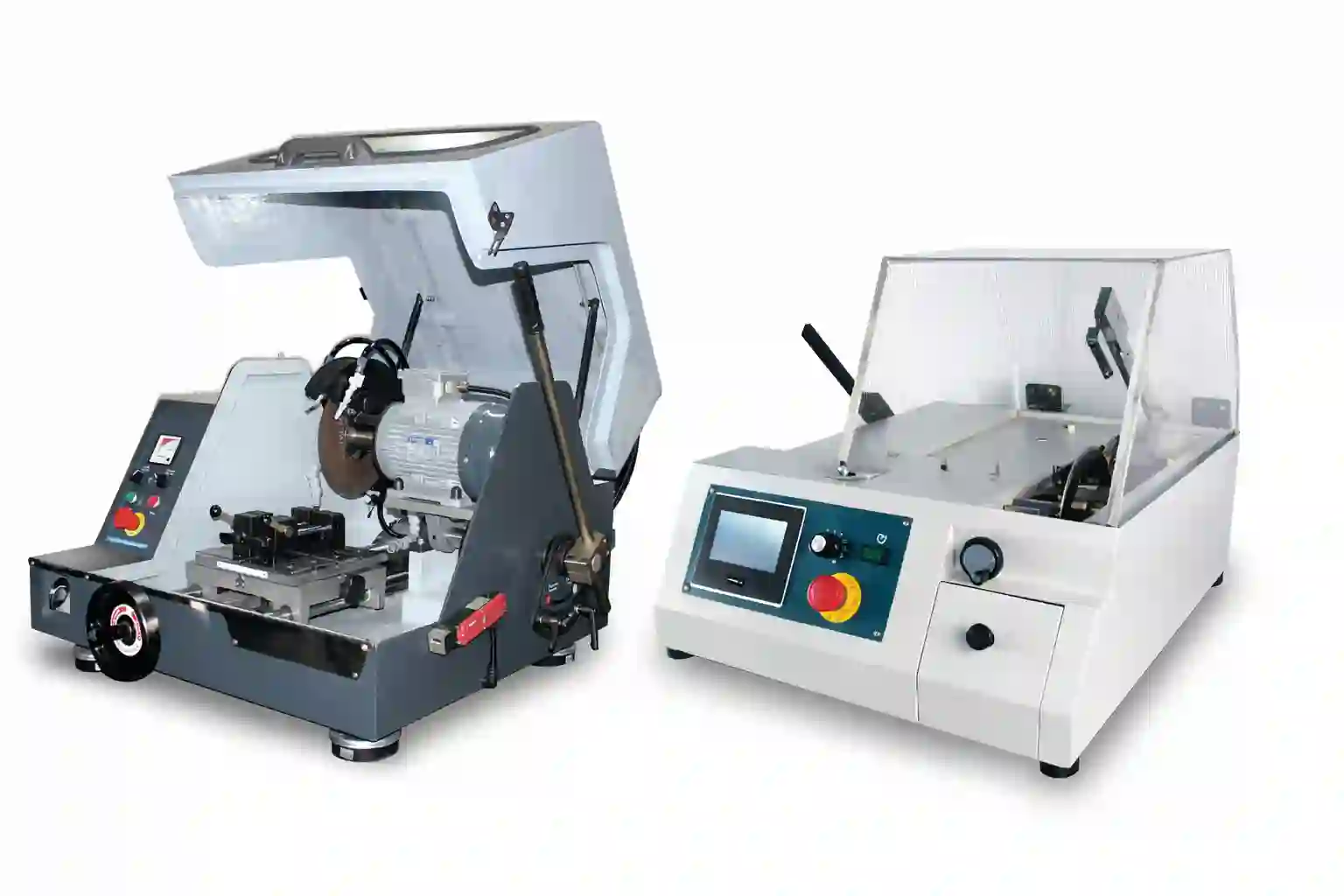
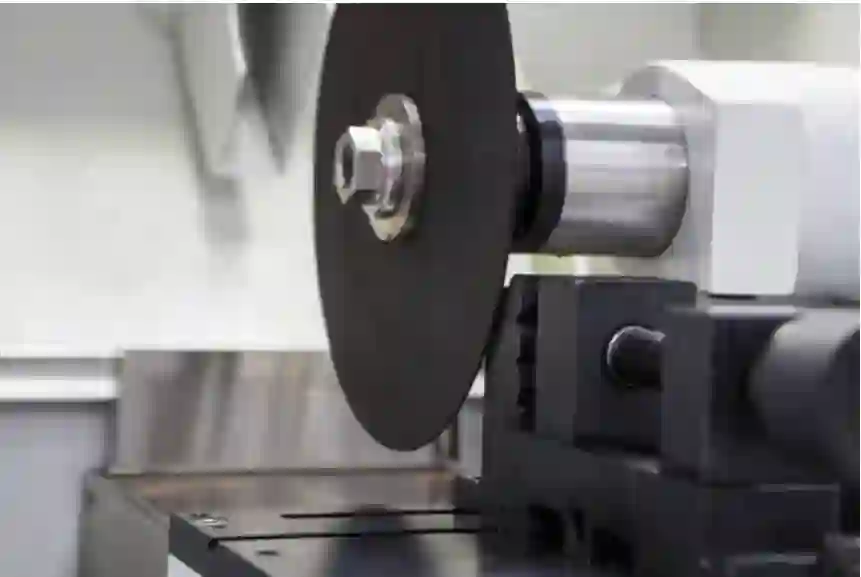
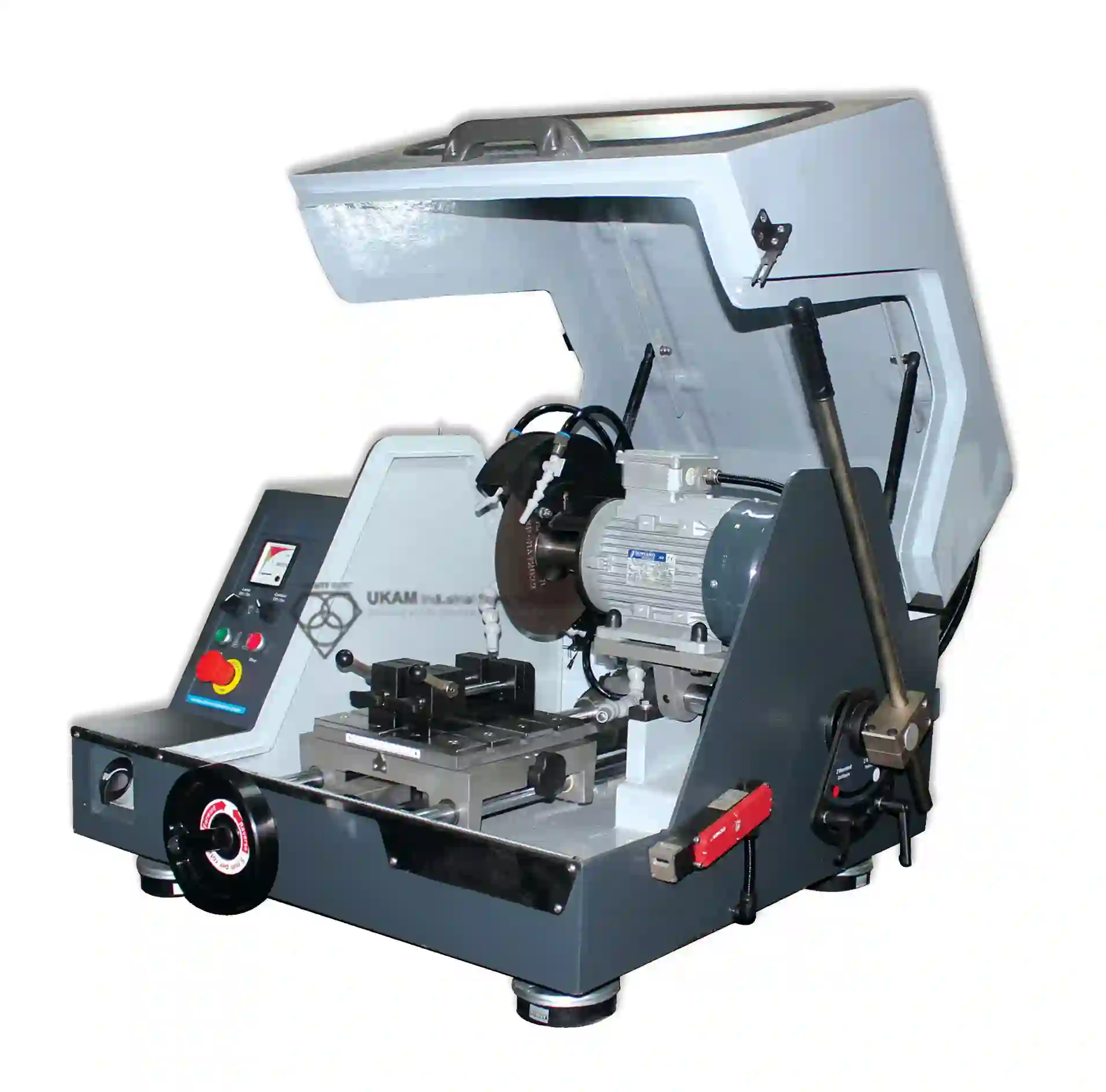
An abrasive saw is a circular saw designed to cut material using an abrasive cut off wheels. The wheel does not have teeth; it is an abrasive grain (either aluminium oxide or silicon carbide) that does the cutting through friction by the “teeth” wearing away the surrounding material. Abrasive cut off wheels/blades are come in resin or rubber bonds.
These machines are widely used because they are:
- Fast
- Relatively simple
- Capable of cutting tough materials with minimal setup
Where Abrasive Saws Make Sense
In real-world production environments, abrasive saws are often chosen when:
- Speed matters more than cut quality
- The material will undergo further machining
- Minor thermal or mechanical damage is acceptable
Typical use cases include:
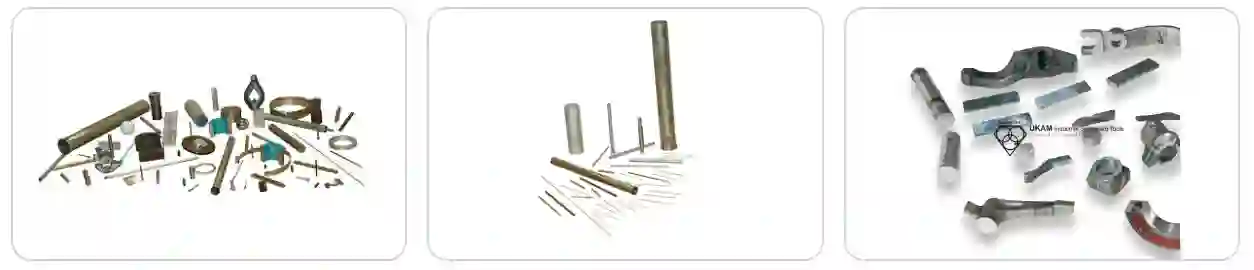
- Cutting bar stock, tubing, or structural sections
- Rough sectioning before milling or turning
- General fabrication and maintenance work
- High-volume production where precision is secondary
In these scenarios, an abrasive saw delivers excellent value. It gets the job done quickly and reliably.
The Trade-Offs of Abrasive Cutting
However, abrasive saws come with inherent limitations:
- Heat generation:High RPMs create friction and heat, which can alter material properties—especially in metallurgical samples.
- Wider kerf:Thicker wheels remove more material, increasing waste.
- Surface damage:Burrs, microcracks, or deformation can occur.
- Lower dimensional accuracy:Not ideal for tight tolerances.
This doesn’t mean abrasive saws are “bad.” It simply means they are optimised for throughput, not finesse.
Precision Saws: Designed for Control, Accuracy, and Material Integrity
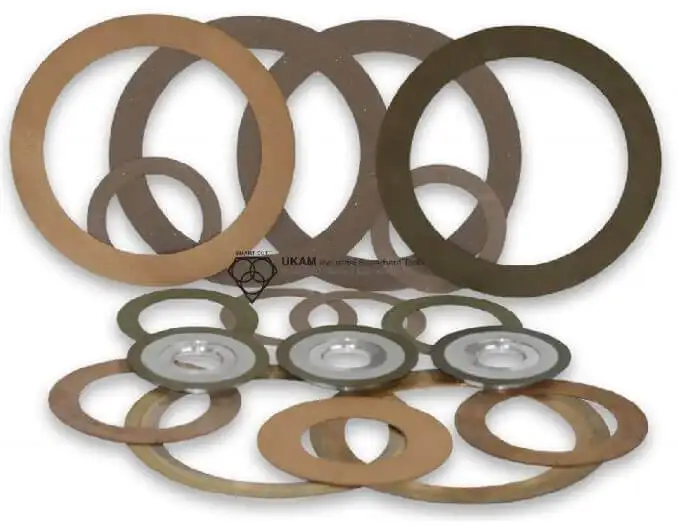
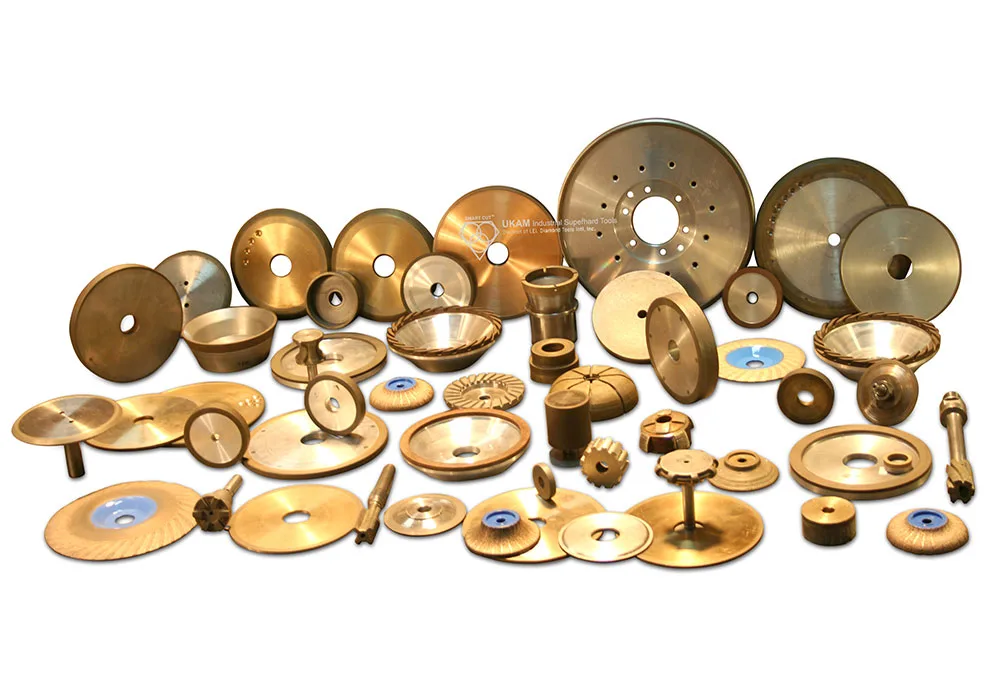
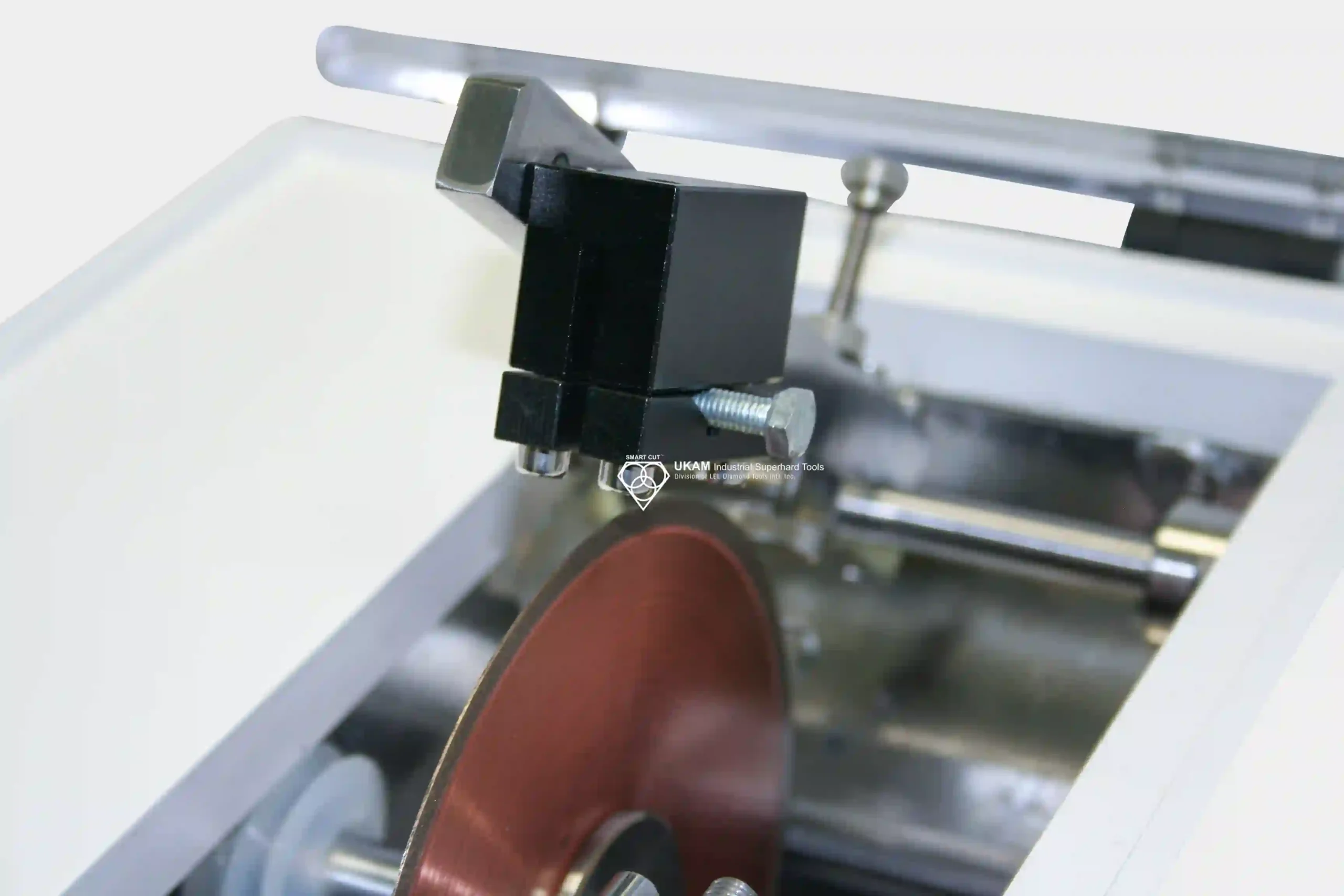
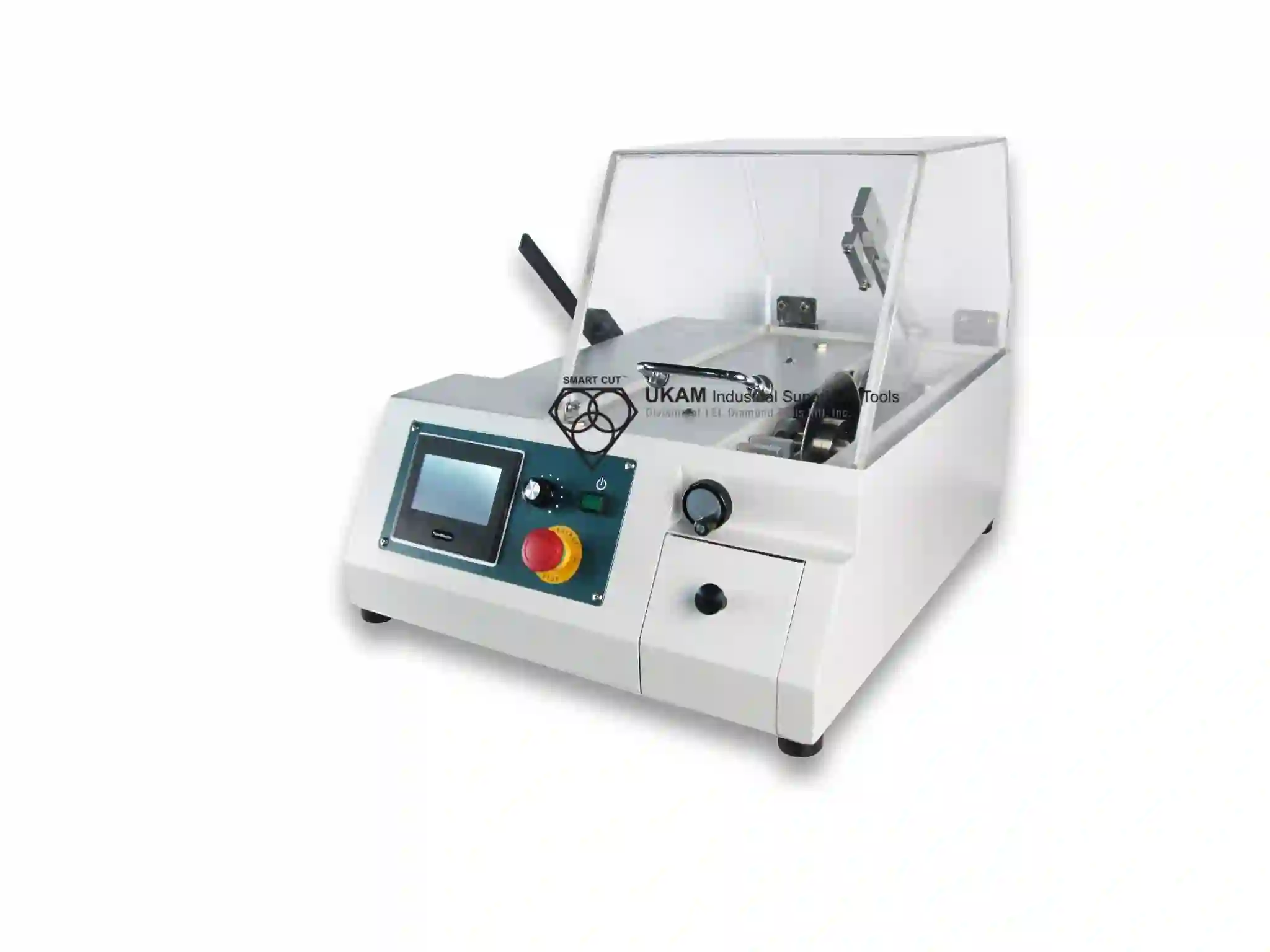
A precision saw takes a fundamentally different approach. Instead of brute force cutting, it uses thin, diamond, cbn or abrasive blades, combined with controlled feed rates and lower cutting forces.
Precision saws are commonly found in:
- Metallography laboratories
- Research and development facilities
- Quality control departments
- Electronics and advanced materials labs
What Makes Precision Saws Different
Precision saws are engineered to:
- Minimise heat input
- Reduce mechanical stress on the material
- Preserve microstructure and edge quality
- Produce consistent, repeatable cuts
They often include features such as:
- Variable speed control
- Fine feed adjustments
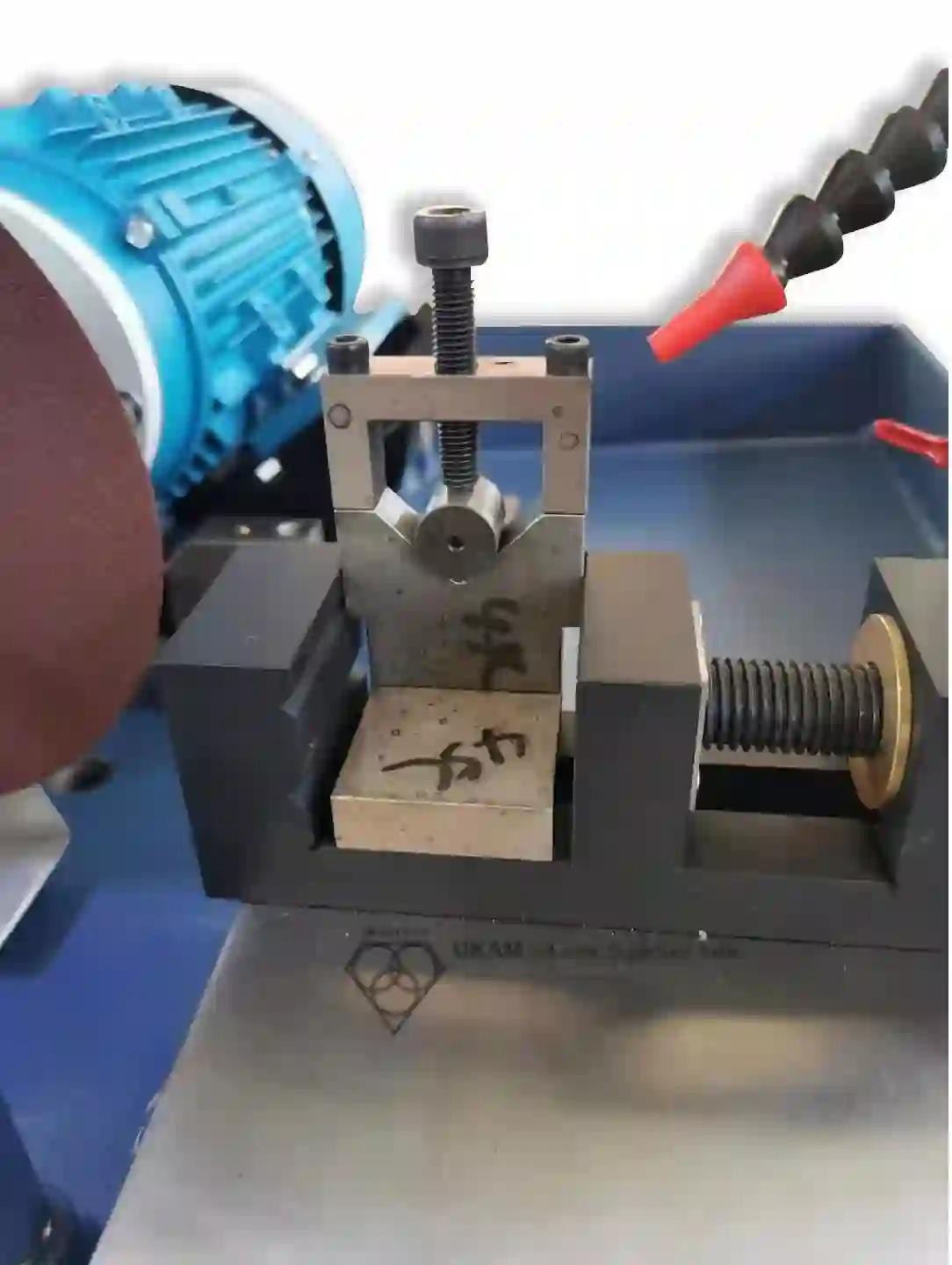
- Specialised clamping systems
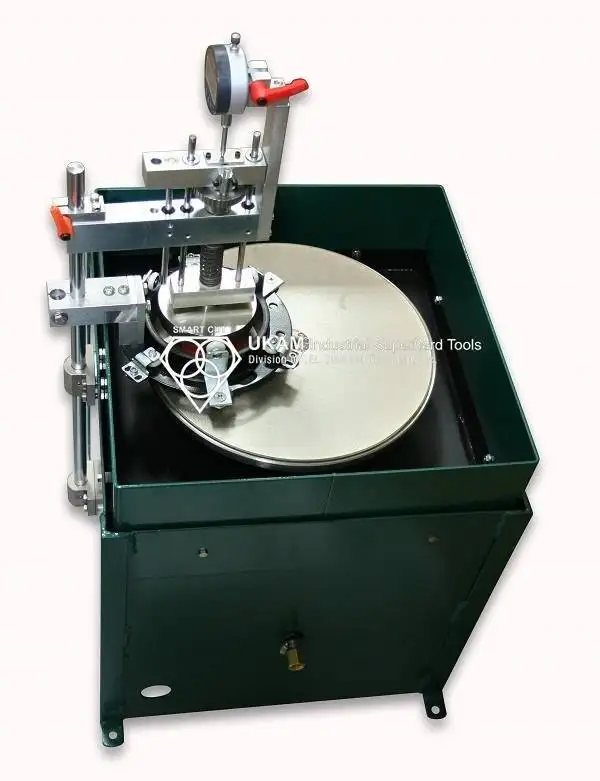
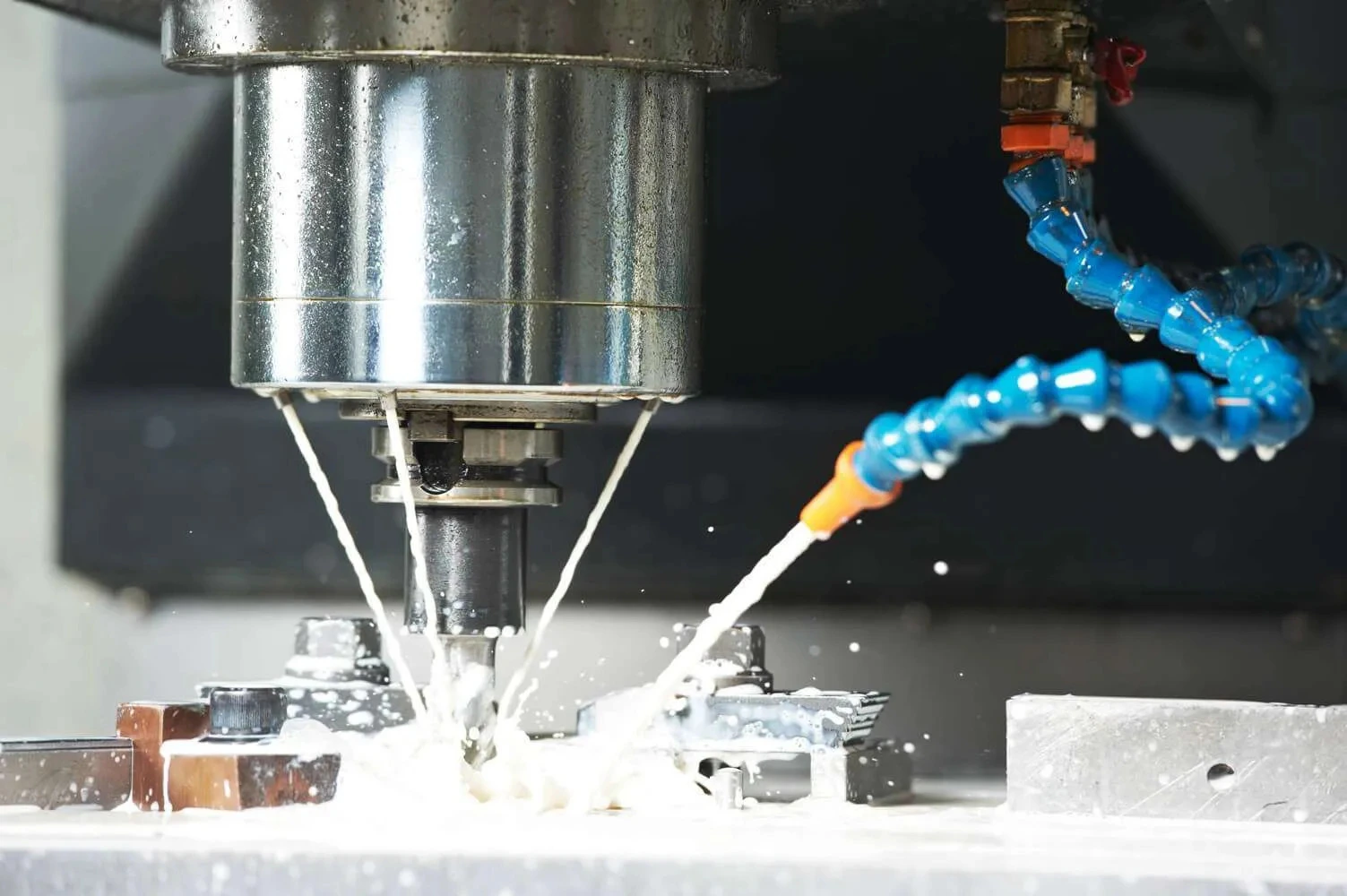
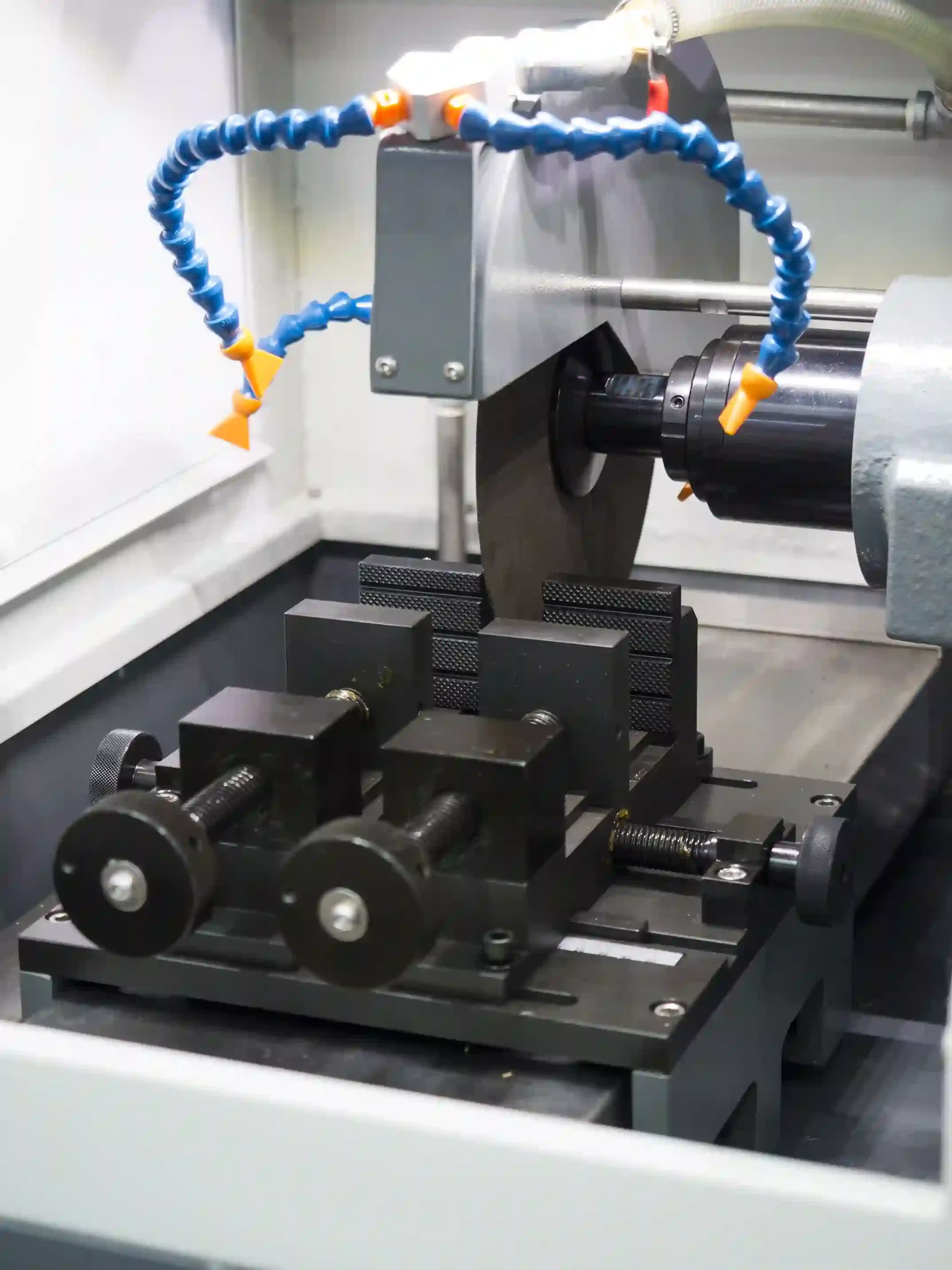
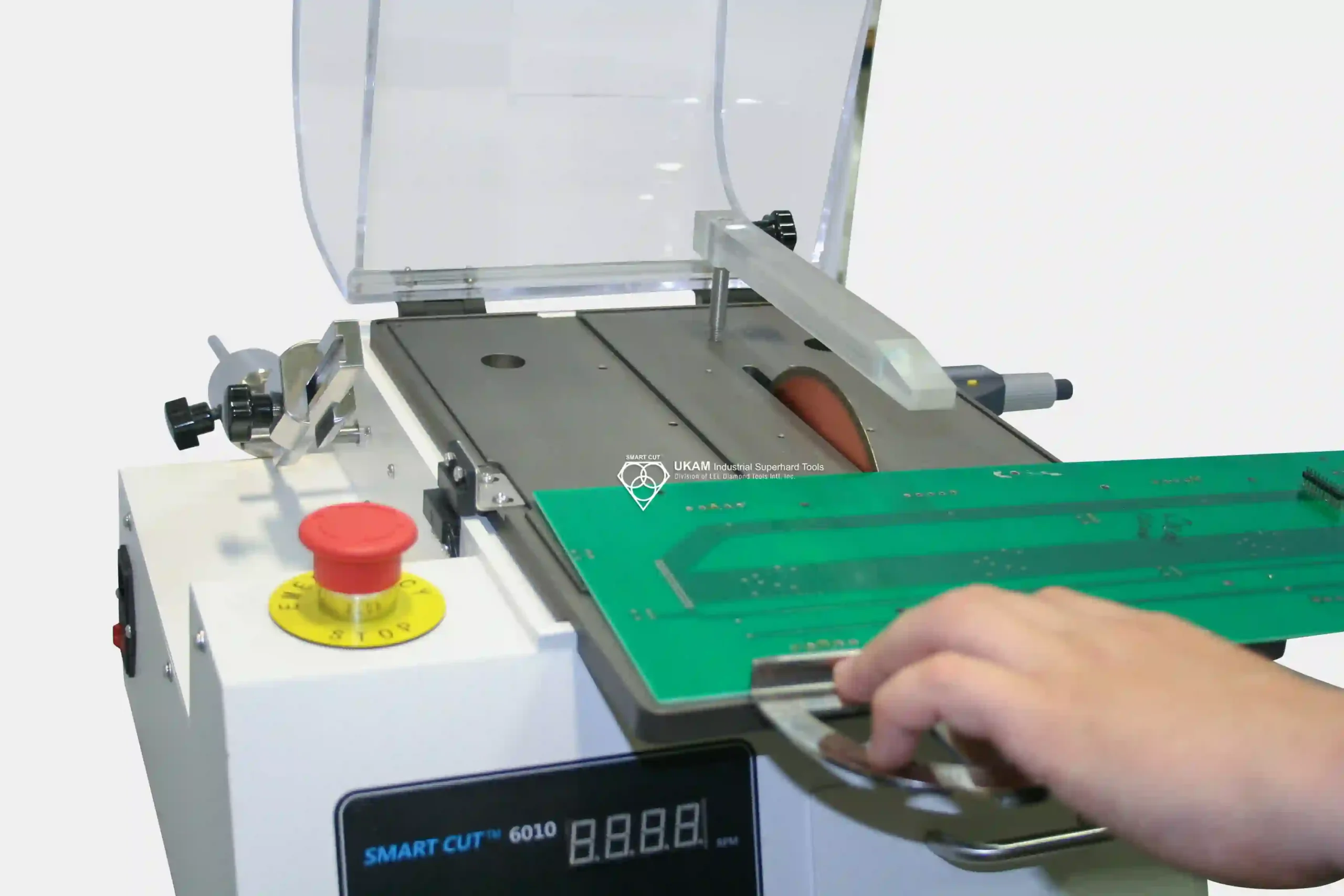
- Enclosed cutting chambers with coolant delivery
The result is a clean, controlled cut that maintains the integrity of the material – critical for inspection, analysis, or high-value components.
When Precision Saws Are the Better Choice
Precision saws are preferred when:
- Sample integrity is critical
- The material is brittle, delicate, or expensive
- Post-cut analysis (microscopy, hardness testing) is required
- Tight tolerances and minimal damage are expected
They are not designed to replace abrasive saws in all situations, but where accuracy matters, they outperform abrasive systems by a wide margin.
Abrasive vs Precision Saws: A Practical Comparison
Rather than asking which saw is “better,” the more useful question is: better for what?
Cutting Speed
- Abrasive saws excel at fast, aggressive cutting.
- Precision saws are slower by design, prioritising control.
Cut Quality
- Abrasive saws produce rougher edges with more heat effects.
- Precision saws deliver clean, deformation-free cuts.
Material Sensitivity
- Abrasive saws can damage heat-sensitive materials.
- Precision saws protect microstructure and surface integrity.
Consumables
- Abrasive wheels wear quickly and require frequent replacement.
- Diamond precision blades last longer but cost more upfront.
Operator Skill
- Abrasive saws are simpler to operate.
- Precision saws require more setup knowledge and parameter control.
Each machine fits a different role, and many facilities ultimately use both.
Abrasive vs Precision Saws: Practical Comparison (Metallography-Accurate)
| Comparison Factor | Abrasive Cut-Off Saws | Precision Cut-Off Saws |
|---|---|---|
|
|
|
| Primary Purpose | Fast sectioning, including metallographic sample sectioning and production cutting | Ultra-precise cutting with minimal material damage |
| Cutting Speed | Fast. Designed for efficient sectioning of metals and materials | Slower. Optimized for precision and control |
| Cut Quality | Good quality when proper abrasive blade and coolant are used. May produce minor deformation if improperly used | Superior cut quality with minimal deformation and excellent surface finish |
| Heat Generation | Moderate to high. Controlled effectively with proper coolant and cutting parameters | Very low. Designed to minimize heat input |
| Material Sensitivity | Suitable for most metallographic samples including steels, alloys, and cast materials. Less suitable for fragile or ultra-sensitive materials | Ideal for delicate, brittle, heat-sensitive, or high-value materials |
| Kerf Thickness | Wider kerf. Typically 0.020" to 0.080" depending on wheel type | Very thin kerf. Typically 0.004" to 0.020" |
| Dimensional Accuracy | Good accuracy suitable for most metallographic sectioning applications | Extremely high accuracy suitable for precision sectioning |
| Material Damage Risk | Low when using proper coolant and technique. Slightly higher risk than precision saws | Extremely low. Designed to preserve microstructure |
| Consumable Life | Abrasive wheels wear faster and require replacement more often | Diamond and CBN blades last significantly longer |
| Consumable Cost | Lower initial cost per wheel | Higher initial cost but longer service life |
| Operator Skill Required | Easy to operate. Standard in most metallography labs | Requires more precise setup and parameter control |
| Metallography Use | Standard and primary method for most metallographic sectioning applications | Used for delicate samples, small parts, electronics, ceramics, and precision sectioning |
| Typical Materials Cut | Steel, stainless steel, cast iron, superalloys, aluminum, titanium | Ceramics, glass, semiconductors, composites, and precision metal samples |
| Typical Environment | Metallography labs, quality control labs, production environments | Research labs, semiconductor labs, advanced materials labs |
| Overall Strength | Best general-purpose metallographic cutting solution | Best for ultra-precision and delicate material cutting |

Material Considerations: Why the Choice Matters
Material type plays a major role in saw selection.
Metals
For general steel cutting, abrasive saws are often sufficient. However, when cutting hardened alloys, tool steels, or heat-treated components for analysis, precision saws are strongly preferred.
Ceramics and Glass
These glasses have poor abrasive cutting capabilities due to cracking and chipping. Far better results are obtained from precision saws with diamond blades.
Composites and Advanced Materials
Composites, carbon fibre and sandwiches benefit from low-force precision cutting to minimise the risk of delamination.
Electronics and Semiconductor Materials
For wafers, substrates, and fragile electronic components where breakage is not an option, precision saws are a must.
Laboratory vs Production Environment: Different Priorities
One of the biggest mistakes organisations make is applying production logic to laboratory tasks, or vice versa.
- Production floorsprioritise speed, cost per cut, and durability.
- Laboratoriesprioritise repeatability, accuracy, and material preservation.
Trying to use an abrasive saw in a lab environment often leads to inconsistent results and rework. Likewise, using a precision saw for rough production cutting can be inefficient and costly.
Can You Use Both? Often, Yes.
Many advanced manufacturing facilities use a two-stage cutting approach:
- Initial rough cutusing an abrasive saw to reduce material size
- Final sectioningusing a precision saw for analysis or finishing
This hybrid strategy balances productivity and precision while extending tool life and reducing overall cost.
Best Practices for Getting Reliable Results
Regardless of which saw you use, a few best practices apply universally:
- Use appropriate coolant to control heat
- Secure the workpiece properly to prevent movement
- Match the wheel or blade specification to the material
- Avoid forcing the cut-let the tool do the work
- Monitor consumable wear and replace when needed
Ignoring these fundamentals often leads to poor outcomes, regardless of machine type.
How UKAM Supports Both Cutting Technologies
At UKAM Industrial Superhard Tools, cutting is not viewed as a one-size-fits-all operation. Different applications demand different solutions.
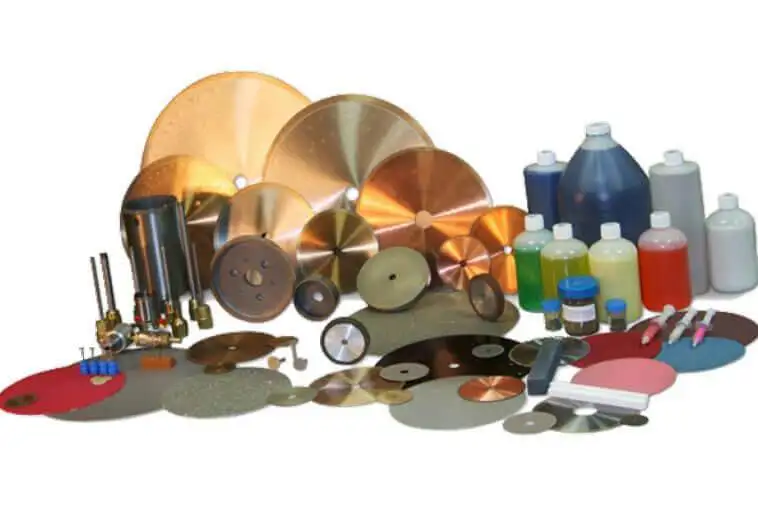
UKAM supports both abrasive and precision cutting through:
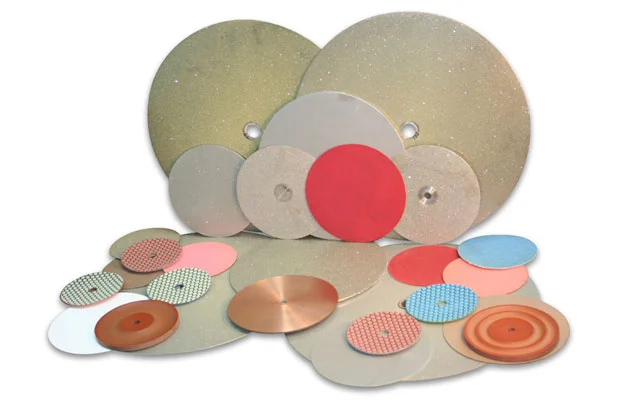
- Application-specific abrasive wheels
- Diamond & CBN precision blades
- Technical guidance for material selection
- Custom solutions for demanding industries
The goal is not just to cut material, but to do so efficiently, consistently, and without compromising downstream processes.
Short FAQs
Abrasive saws prioritise speed and throughput, while precision saws focus on accuracy, control, and material integrity.
They can be used for rough sectioning, but precision saws are recommended for final sample preparation.
Diamond provides controlled cutting with minimal wear, low heat generation, and excellent edge quality.
Conclusion
Deciding between the aggressive and precision saw should not be about which is the “best” machine to buy – it should be about having the right tool for a job. Abrasive saws offer faster cutting, but precision saws have the stability and control to maintain a high level of accuracy for delicate or expensive materials.
Knowing these nuances, manufacturers, labs and engineers can make decisions based on knowledge, which ultimately improves the quality of the product, minimises waste and maximises a process’s efficiency.

Brian is an experienced professional in the field of precision cutting tools, with over 27 years of experience in technical support. Over the years, he has helped engineers, manufacturers, researchers, and contractors find the right solutions for working with advanced and hard-to-cut materials. He’s passionate about bridging technical knowledge with real-world applications to improve efficiency and accuracy.
As an author, Brian Farberov writes extensively on diamond tool design, application engineering, return on investment strategies, and process optimization, combining technical depth with a strong understanding of customer needs and market dynamics.