






















Table of Contents
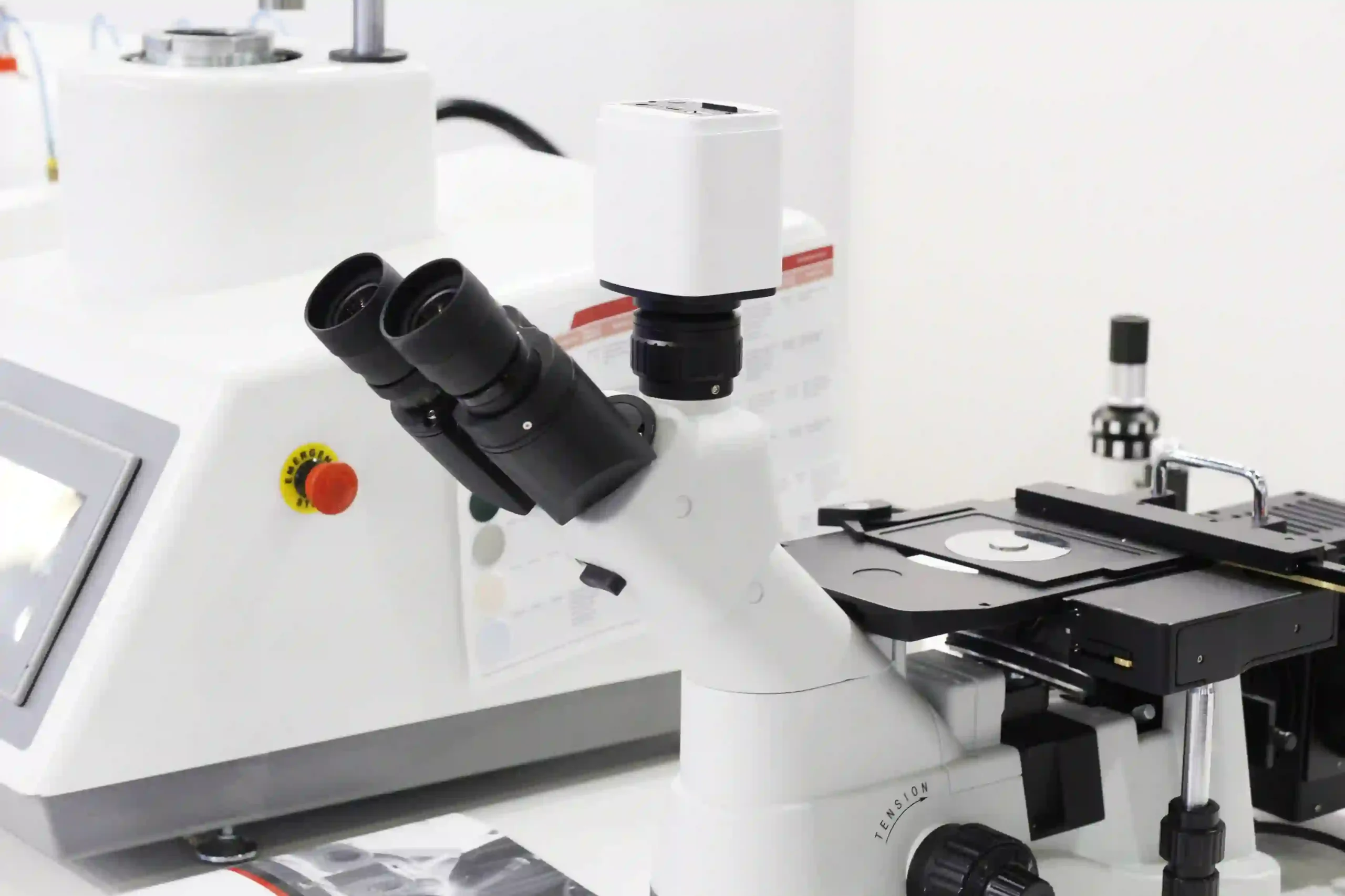
ToggleCareful sample preparation is the key to good metallographic analysis. Although equipment features and process conditions are significant factors, the impact of sample preparation consumables is equally crucial for surface quality, reproducibility, and trustworthiness in microstructural assessment. Consumables for many sample types are the constituents that interact directly with the surface of a specimen, and choice can have a significant influence on final results and preparation efficiency.
Trusted by Tens of Thousands of Manufacturers, Laboratories,
Research Institutions Worldwide
Since 1990

American Based Manufacturer

Established in 1990


Custom manufacturing


Grinding papers, polishing cloths, diamond abrasives, suspensions, and lubricants all influence material removal behavior, surface deformation, and edge retention. If, however, consumables are improperly chosen or not properly applied in a consistent fashion, defects can arise even if the machines and their parameters are well controlled. This article is intended to review sample preparation consumables utilized in metallography, discussing the role they play in each stage of preparation and providing best practices for reliable and reproducible results.
What Are Sample Preparation Consumables?
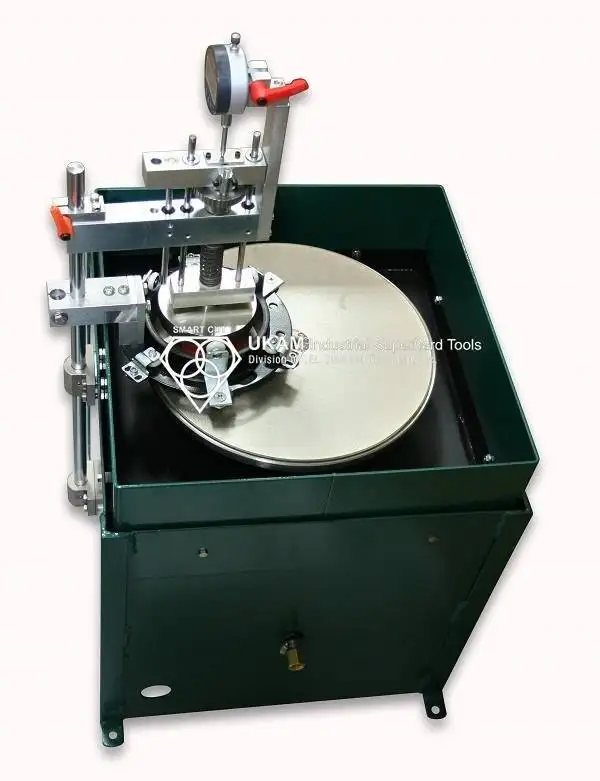
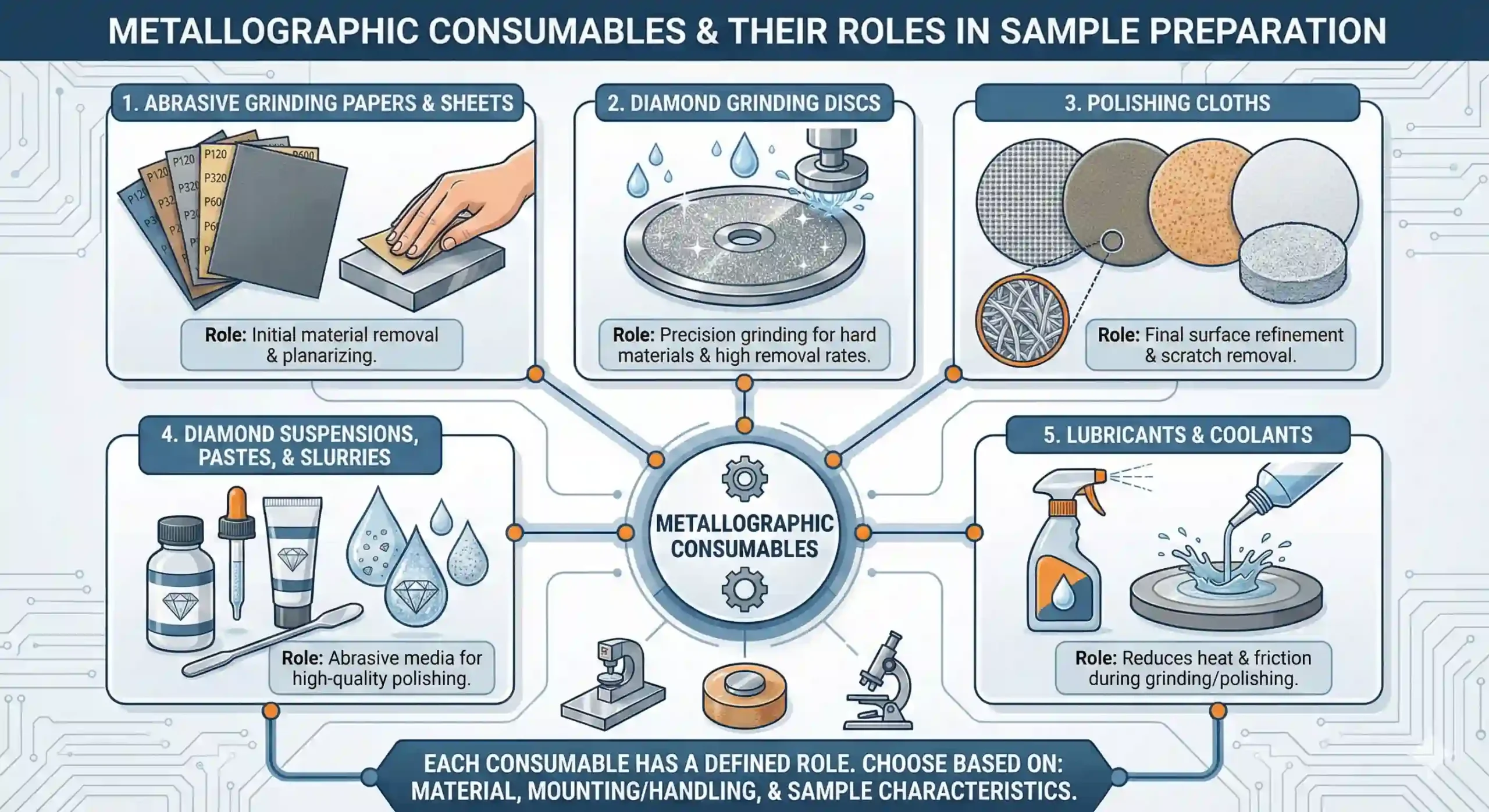
Sample preparation consumables are the wear items used during the grinding and polishing stages of metallographic preparation. Unlike preparation equipment, consumables are designed to be replaced regularly as part of normal operation. Their condition and compatibility with the sample material play a direct role in surface finish and preparation repeatability.
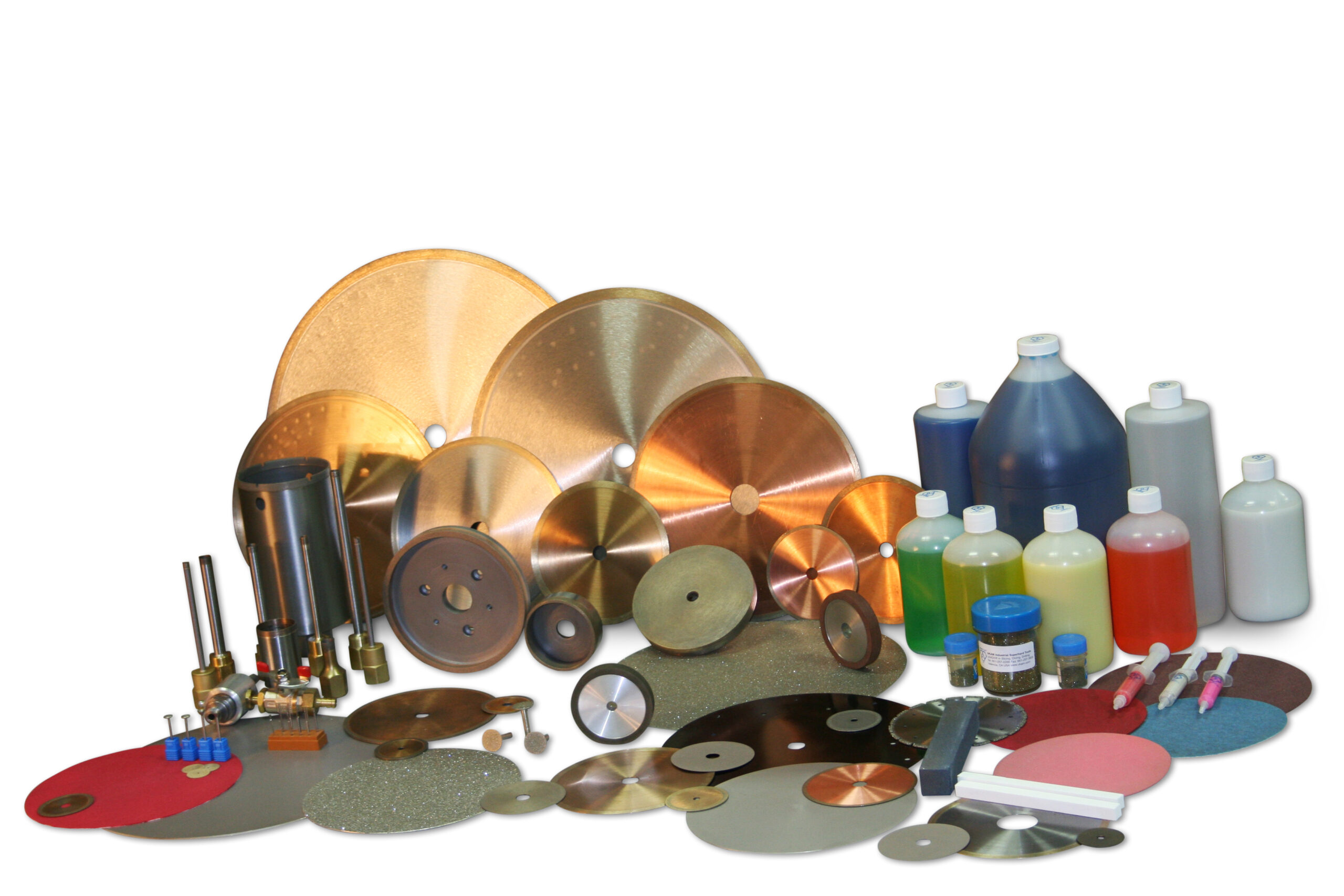
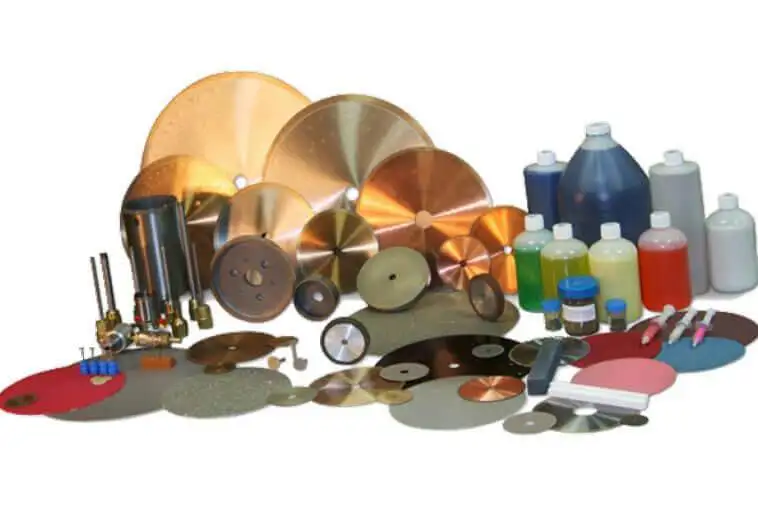
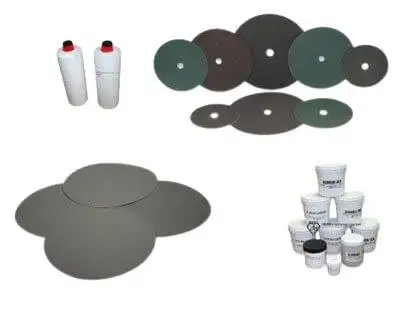
Common metallographic consumables include:
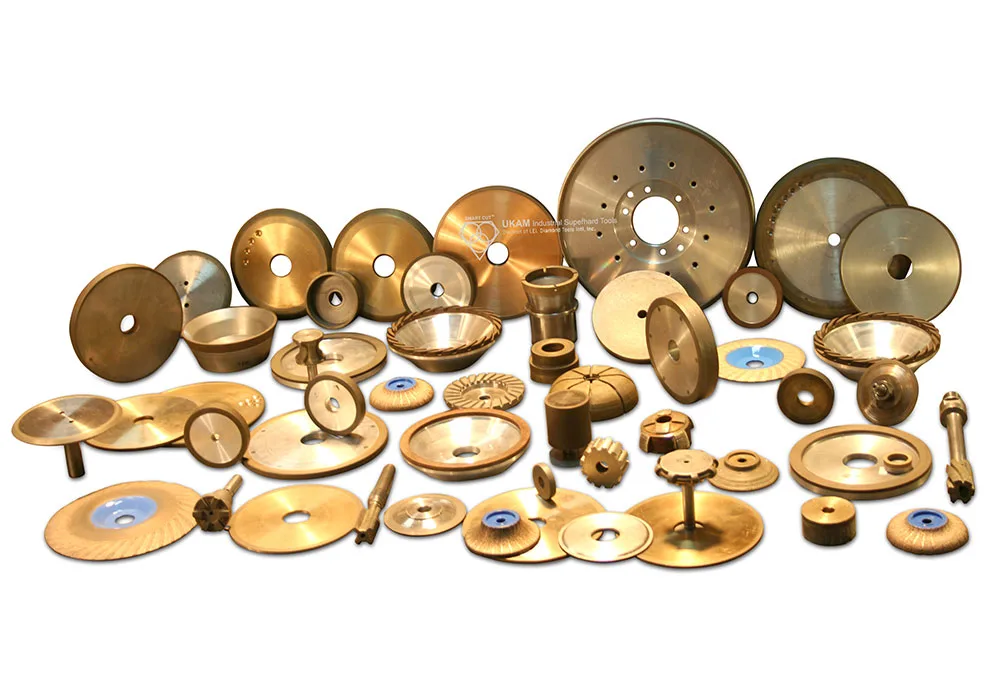
- Abrasive grinding papers and sheets
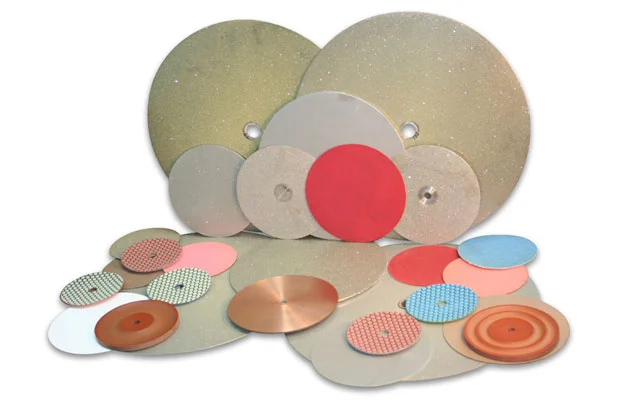
- Diamond grinding discs
- Polishing cloths with varying surface structures
- Diamond suspensions, pastes, and slurries
- Lubricants and coolants used during grinding and polishing
Each consumable has its defined role during the preparation process and needs to be chosen depending on material, mounting/handling, and sample characteristics.
Role of Consumables Across the Preparation Stages
A metallographic preparation is usually made up of a series of steps where each step makes use of its own consumables to accomplish the specific task at hand. It is also important to choose the right consumables at every step of the process, such that deformation is minimized and transitions are smooth.
Coarse Grinding
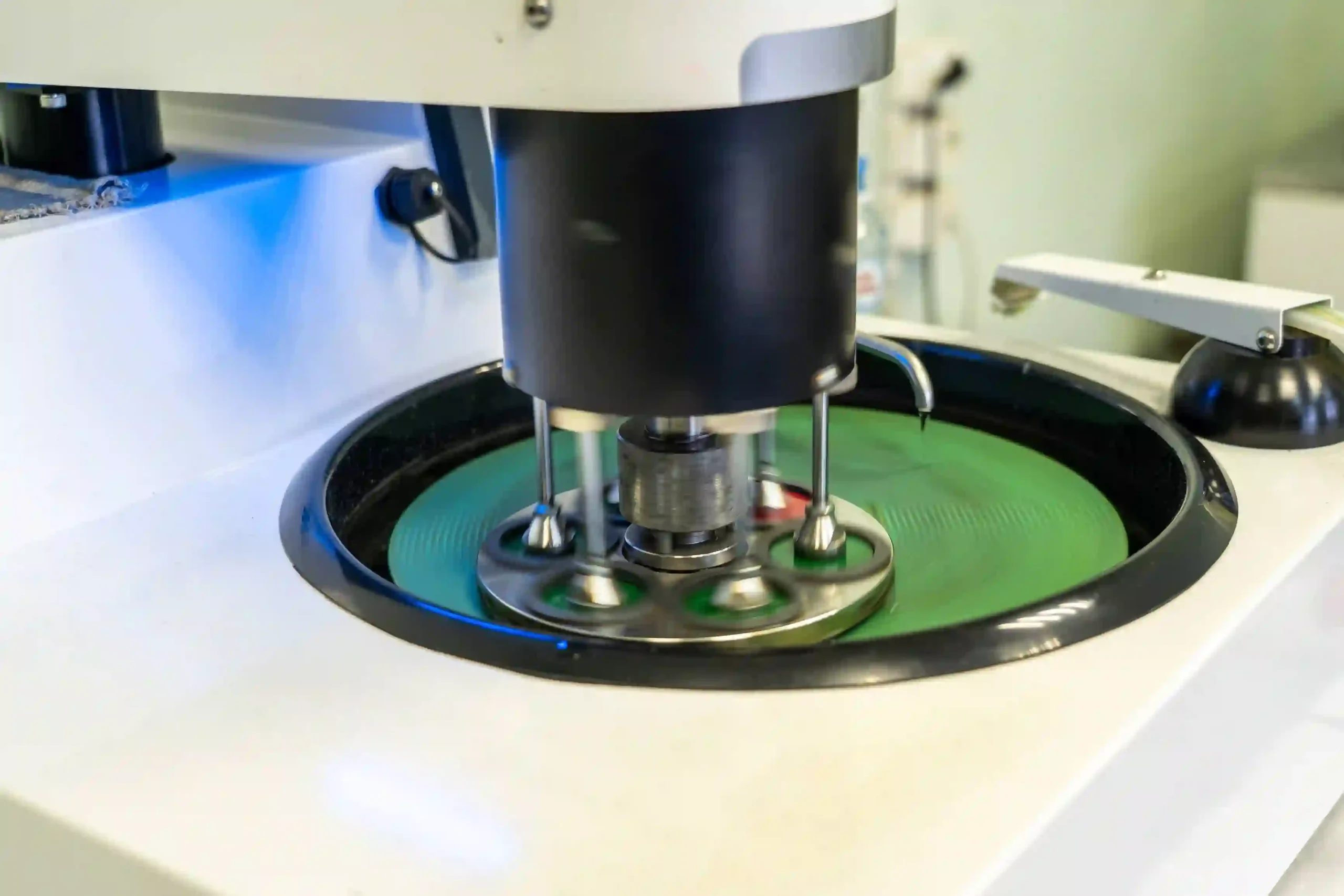
The coarse grinding stage is intended to remove cutting damage, surface irregularities, or deformation introduced during sectioning. At this stage, higher material removal rates are required, and surface finish is a secondary consideration.
Consumables commonly used include:
- Coarse grit silicon carbide grinding papers
- Rigid metal bond diamond grinding discs
- Rigid resin bond diamond grinding discs
Key factors at this stage include abrasive size, disc flatness, and consistent pressure application. Excessive force or worn consumables can introduce deep scratches and deformation that are difficult to remove in later stages.
Fine Grinding
Fine grinding bridges the gap between material removal and surface refinement. The objective is to reduce deformation depth while preparing the surface for polishing.
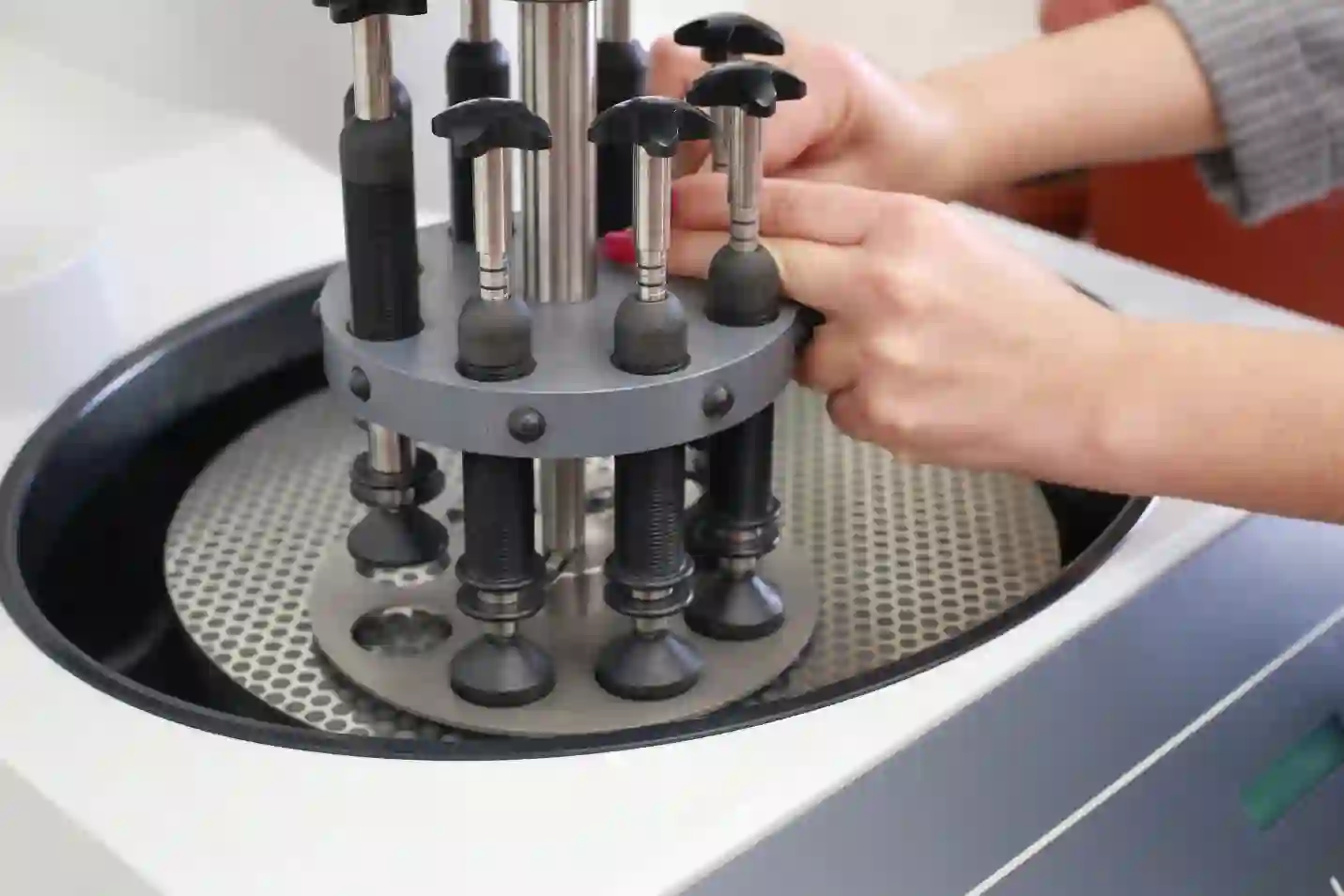
Typical consumables include:
Correct Grit Progression is extremely important at this stage. Overskipping abrasive grits or pushing worn abrasives can leave behind nasty scratches, back through the head into the polish, and be an eyesore on your surface finish.
Polishing
Polishing is the final stage of preparation and has the greatest influence on microstructural clarity. At this stage, consumable selection becomes especially important.
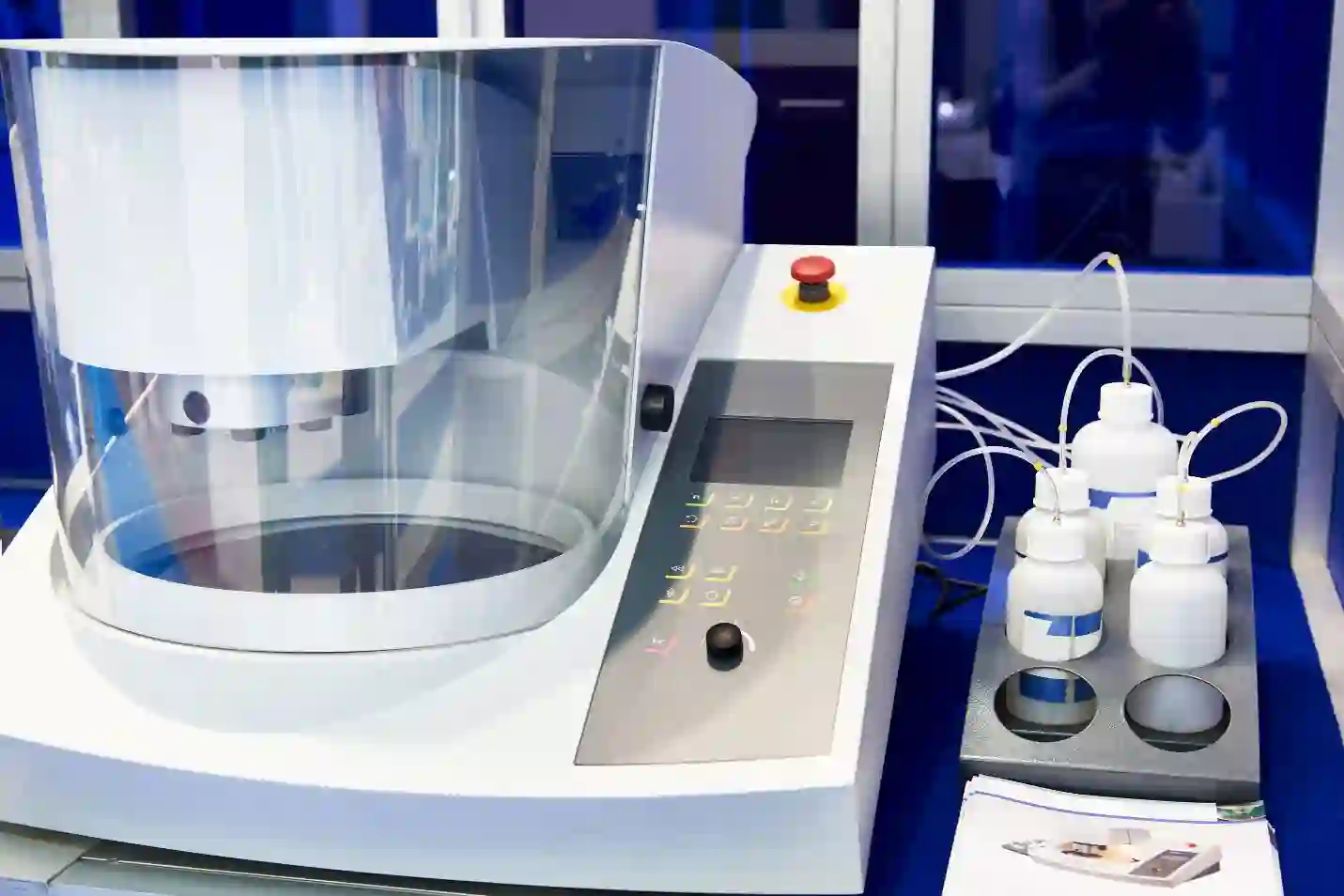
Polishing consumables include:
- Polishing cloths with defined hardness and nap characteristics
- Diamond suspensions or colloidal abrasives
- Compatible lubricants to control friction and heat
The interaction between polishing cloth, abrasive size, and lubricant determines whether the surface is polished uniformly or suffers from smearing, pull-out, or relief between phases.
How Consumable Selection Influences Metallographic Results
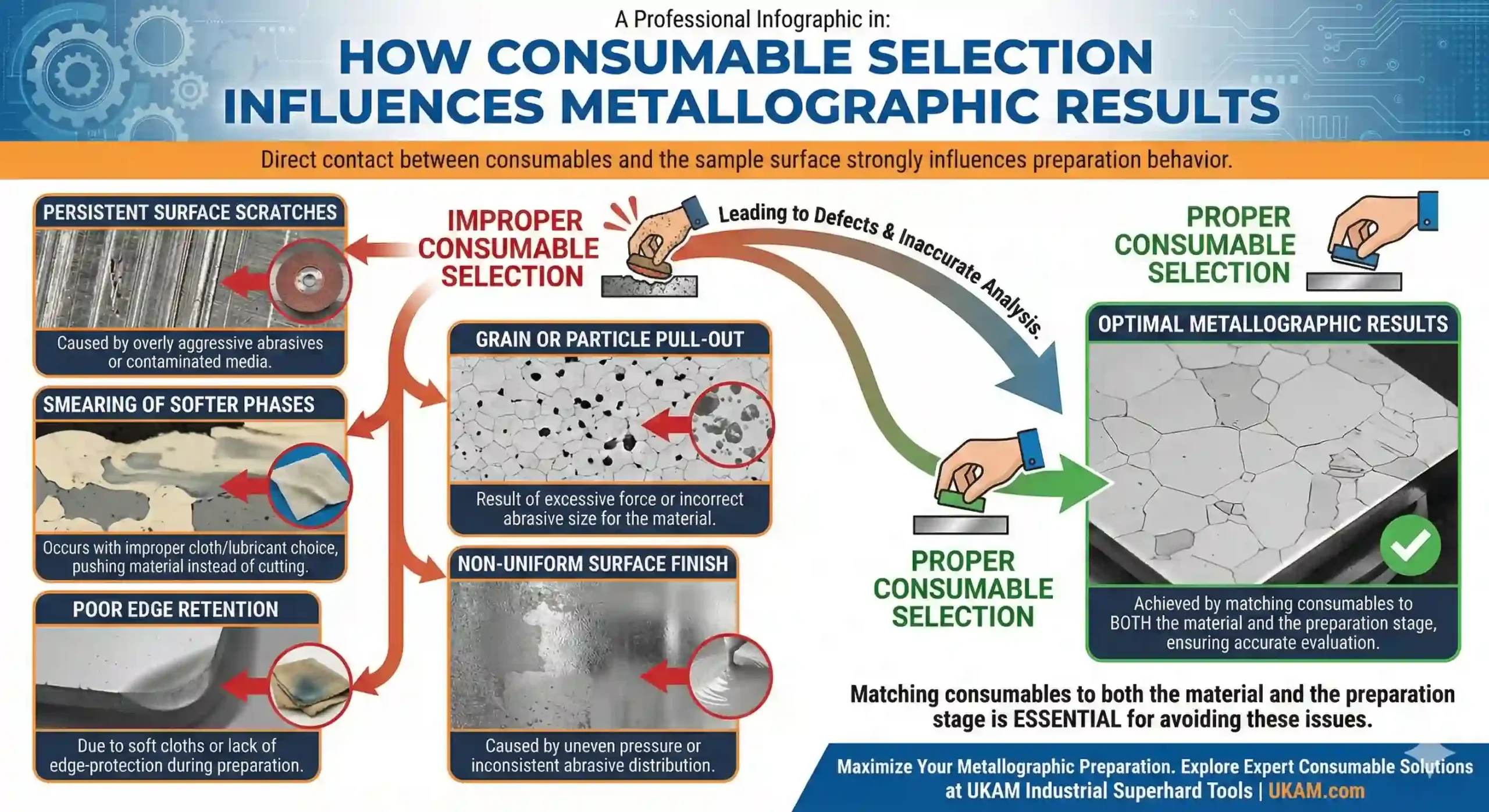
Many preparation defects are attributed to equipment or operator technique when the underlying cause is actually a consumable mismatch. Because consumables directly contact the sample surface, their properties strongly influence preparation behavior.
Improper consumable selection may lead to:
● Persistent surface scratches
● Smearing of softer phases
● Grain or particle pull-out
● Poor edge retention
● Non-uniform surface finish
Matching consumables to both the material and the preparation stage is essential for avoiding these issues.
Material-Specific Considerations for Consumables
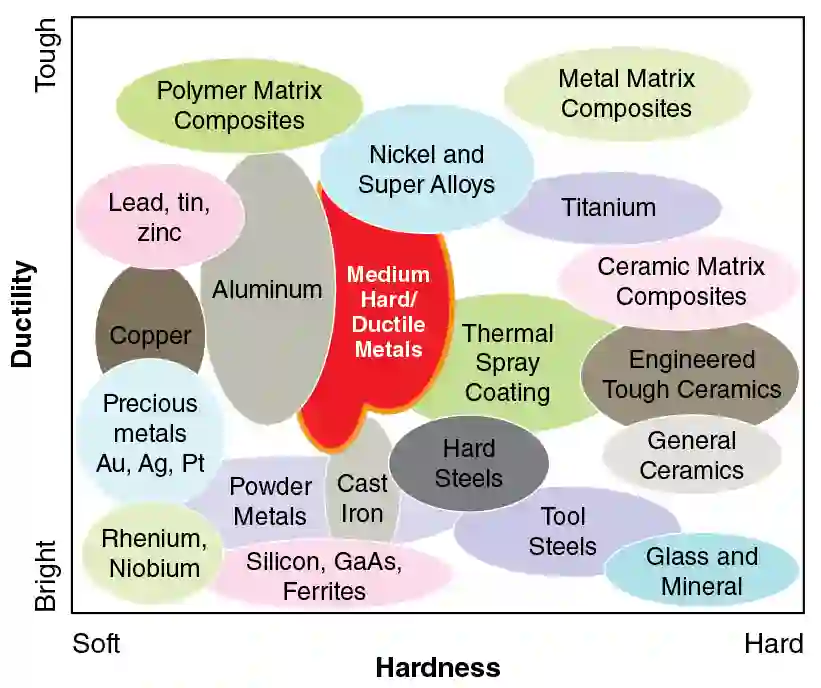
Different materials respond differently to grinding and polishing forces. Consumables that perform well for one class of materials may be unsuitable for another.
Ferrous Materials
Steels and iron-based alloys generally respond well to diamond-based grinding and polishing systems. However, excessive pressure or incorrect cloth selection during polishing can result in smearing, particularly in softer microstructural phases.
Non-Ferrous Metals
Materials such as aluminum, copper, and their alloys are more susceptible to deformation and smearing. Consumables with controlled cutting action and appropriate lubrication are necessary to minimize surface distortion.
Ceramics and Hard Materials
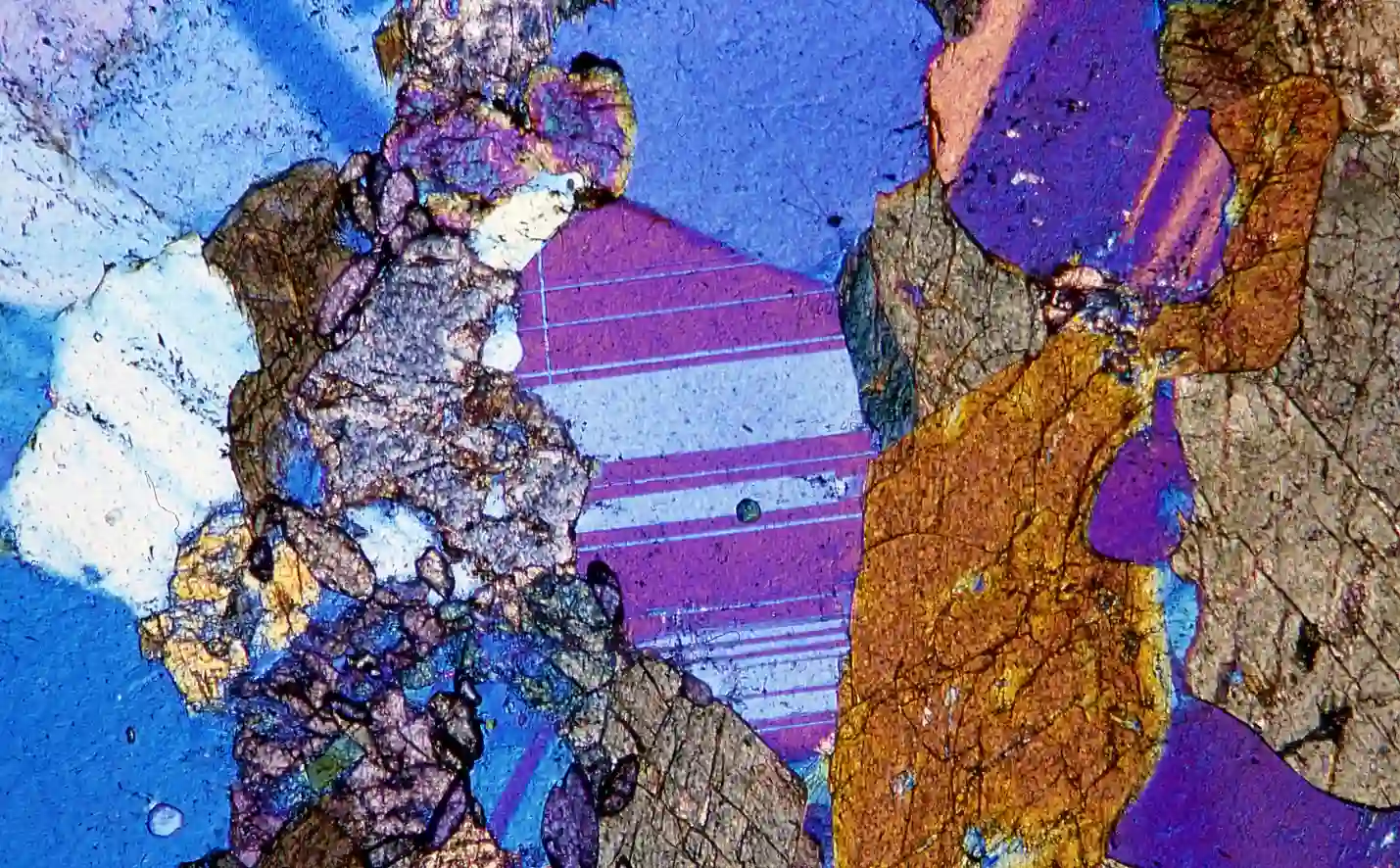
Ceramics, carbides, and other hard materials require rigid grinding surfaces and diamond abrasives to achieve effective material removal. Fine abrasive progression is especially important to avoid subsurface damage.
Composites and Multi-Phase Materials
Composite and multi-phase materials present challenges due to differences in hardness between constituents. Consumables must be selected to minimize differential wear and maintain edge integrity across phases.
Consumables and Preparation Repeatability
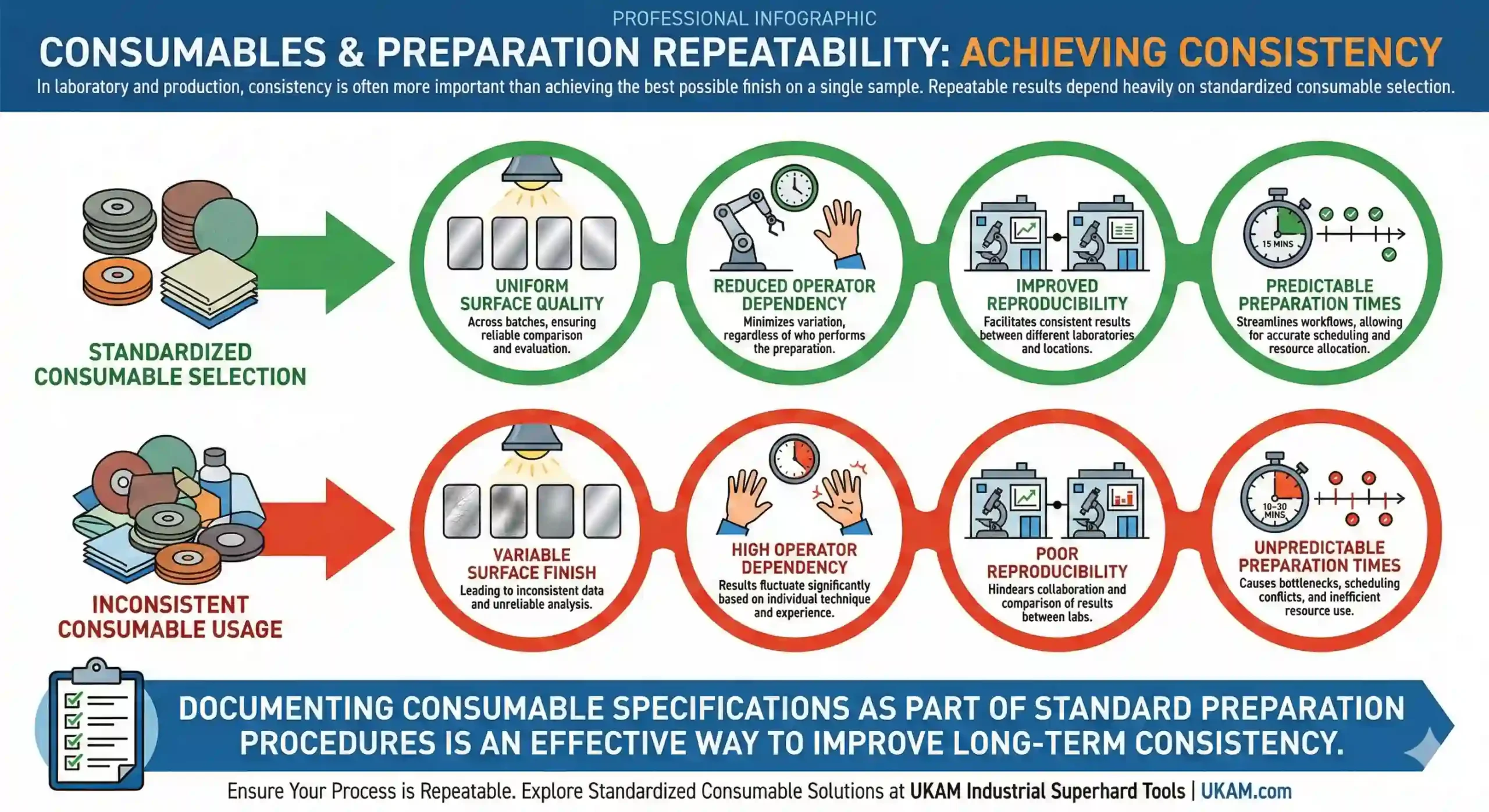
In laboratory and production environments, consistency is often more important than achieving the best possible finish on a single sample. Repeatable results depend heavily on standardized consumable selection.
Consistent consumable usage supports:
- Uniform surface quality across batches
- Reduced operator dependency
- Improved reproducibility between laboratories
- Predictable preparation times
Documenting consumable specifications as part of standard preparation procedures is an effective way to improve long-term consistency.
Common Consumable-Related Preparation Issues
Understanding common issues helps identify whether preparation problems originate from consumables rather than equipment or parameters.
Issue | Likely Consumable-Related Cause |
|---|---|
Deep scratches | Worn or incorrect abrasive size |
Smearing | Incompatible polishing cloth or lubricant |
Poor edge retention | Cloth too soft or excessive pressure |
Rapid consumable wear | Incorrect abrasive bond or material mismatch |
Inconsistent finish | Mixing consumable types between runs |
Addressing consumable-related causes early can significantly reduce rework and sample rejection.
Best Practices for Managing Sample Preparation Consumables
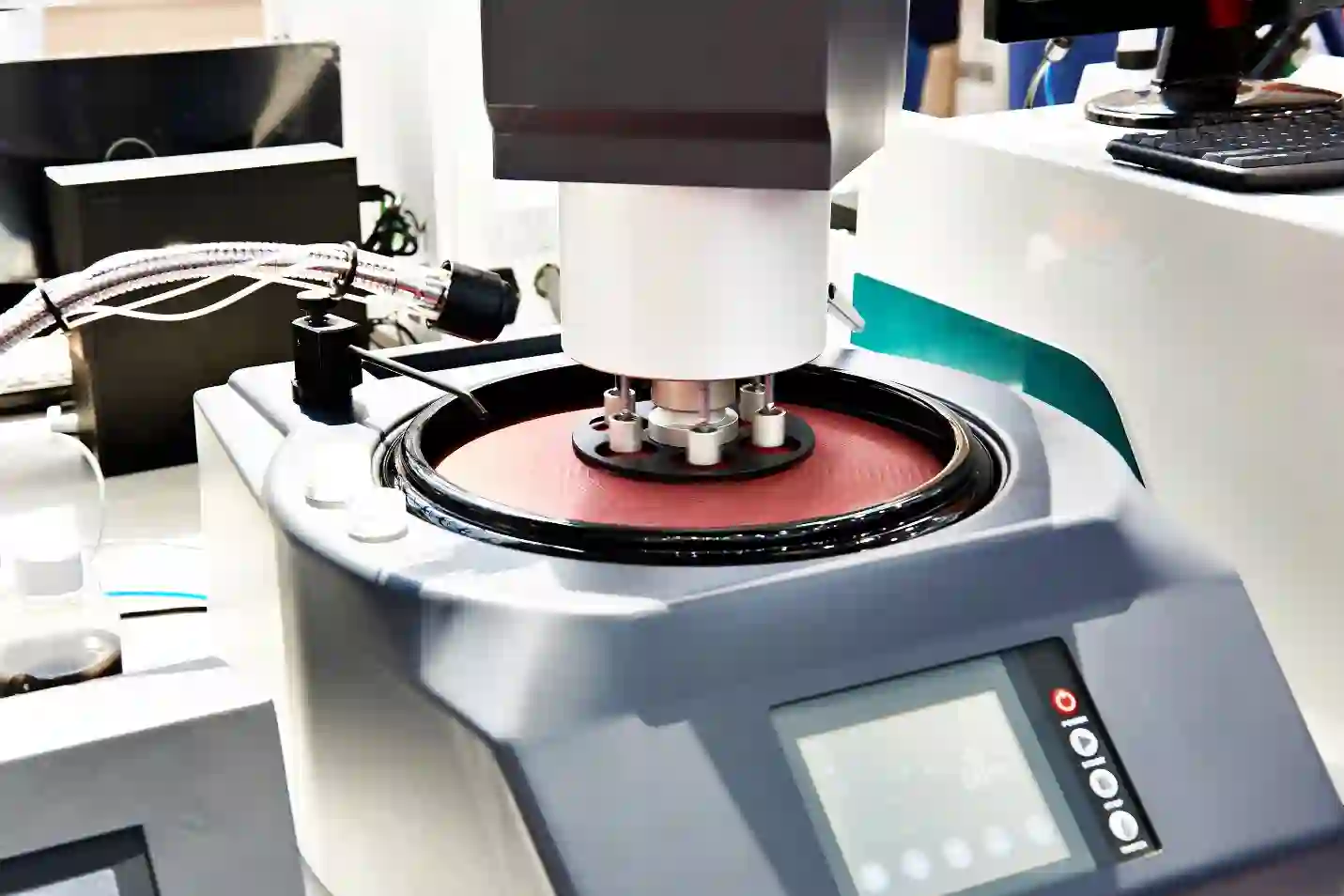
Effective consumable management is essential for maintaining preparation quality over time.
Recommended practices include:
- Storing consumables in clean, dry, and controlled environments
- Using dedicated consumables for each preparation stage
- Replacing consumables before excessive wear affects results
- Maintaining consistency in consumable selection across operators
These practices help ensure that consumables perform as intended throughout their service life.
Consumables as Part of an Integrated Preparation System
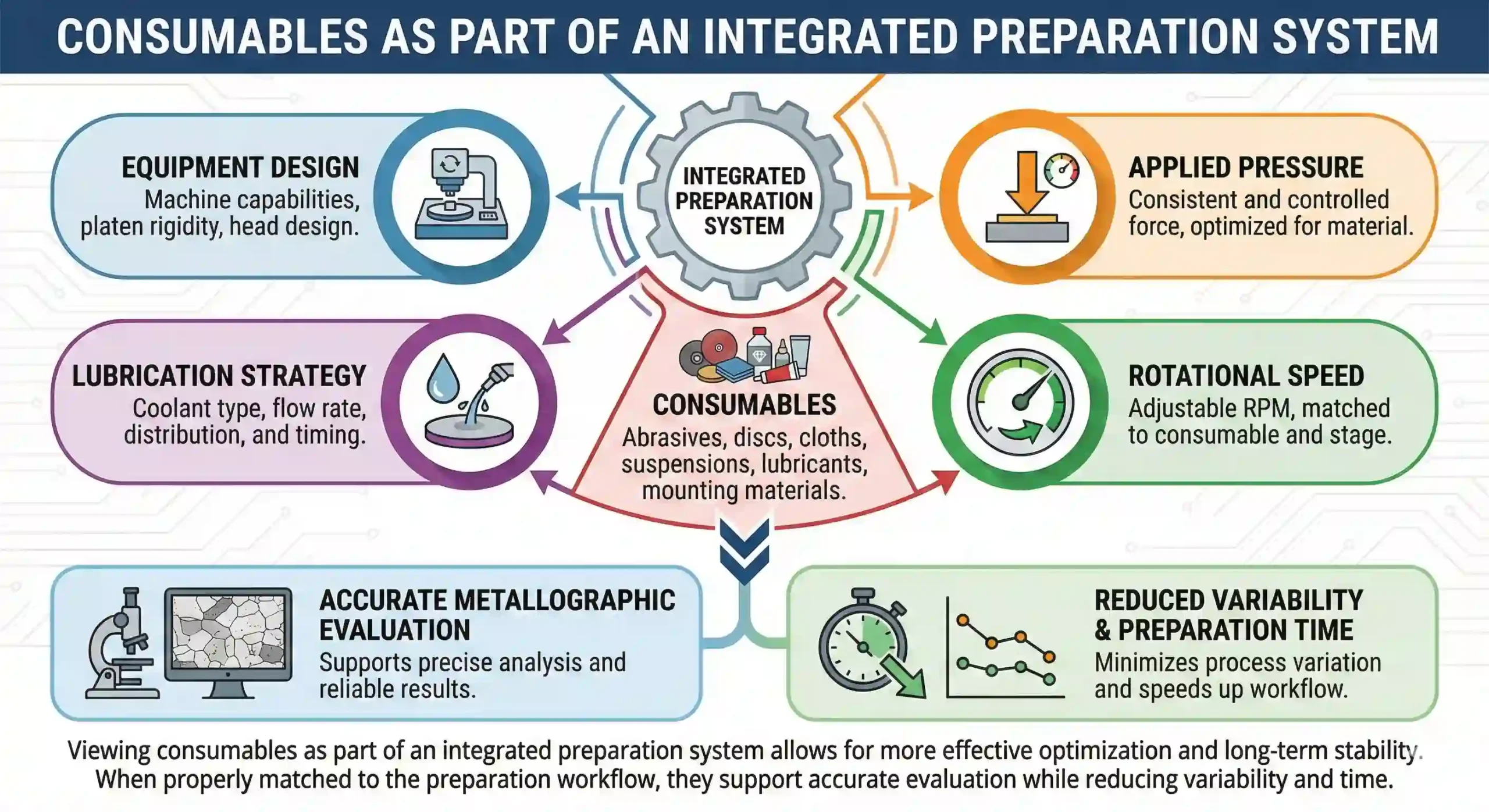
Sample preparation consumables should not be selected in isolation. Their performance is influenced by equipment design, applied pressure, rotational speed, and lubrication strategy. Viewing consumables as part of an integrated preparation system allows for more effective optimization and long-term stability.
When consumables are properly matched to the preparation workflow, they support accurate metallographic evaluation while reducing variability and preparation time.
Conclusion
Effective metallographic analysis depends heavily on the quality of sample preparation consumables. From sectioning and mounting to grinding and polishing, each step requires the right materials to ensure accurate microstructural observation and consistent results. Using high-quality consumables helps reduce preparation errors, improve surface finish, and produce reliable data for research, quality control, and failure analysis.
Frequently Asked Questions (FAQs)
They are wear components such as grinding papers, polishing cloths, abrasives, and lubricants used during preparation.
They directly contact the sample surface and influence deformation, surface finish, and microstructural clarity.
No. Different materials require different abrasive types, sizes, and cloth characteristics.
Consumables should be replaced once wear begins to affect consistency or surface quality.
Yes. Standardized consumable selection is critical for consistent results across samples and operators.
Yes. Incorrect consumables can negate otherwise optimal machine parameters.
Trusted by Tens of Thousands of Manufacturers, Laboratories,
Research Institutions Worldwide Since 1990
American Based Manufacturer
Established in 1990
Custom manufacturing

Brian is an experienced professional in the field of precision cutting tools, with over 27 years of experience in technical support. Over the years, he has helped engineers, manufacturers, researchers, and contractors find the right solutions for working with advanced and hard-to-cut materials. He’s passionate about bridging technical knowledge with real-world applications to improve efficiency and accuracy.
As an author, Brian Farberov writes extensively on diamond tool design, application engineering, return on investment strategies, and process optimization, combining technical depth with a strong understanding of customer needs and market dynamics.