










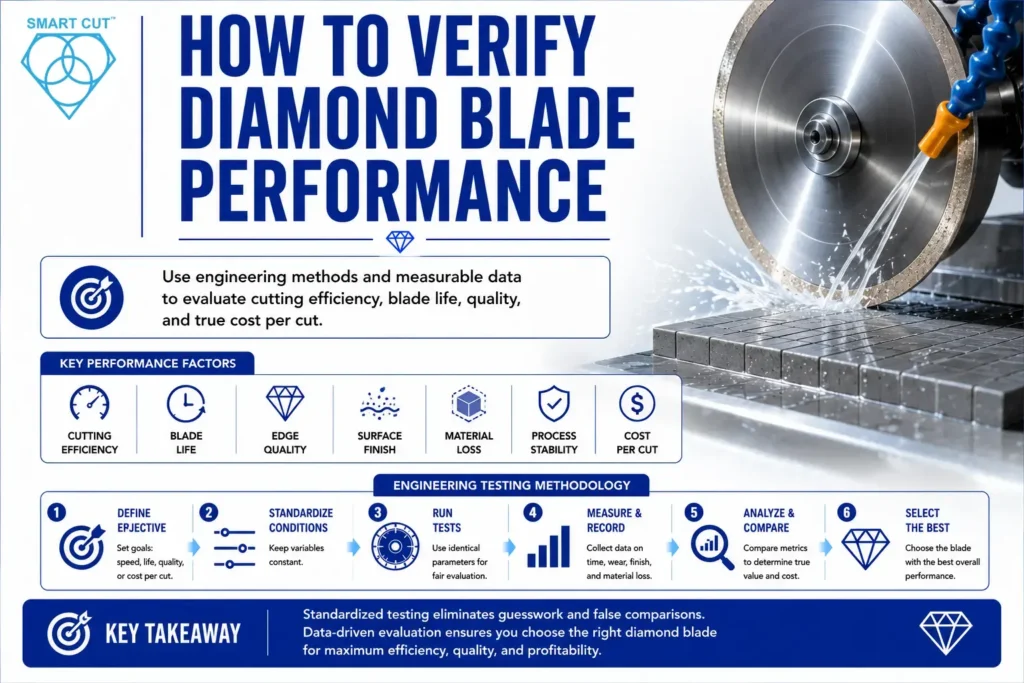
How to Verify Diamond Blade Performance: Engineering Methods for Fair Blade Testing & Evaluation
Selecting a diamond blade based solely on manufacturer specifications or initial cutting speed rarely provides an accurate indication of long-term performance. While catalog data may describe blade dimensions, bond type, grit size, and recommended applications, it cannot fully predict how a blade will perform under specific production conditions.
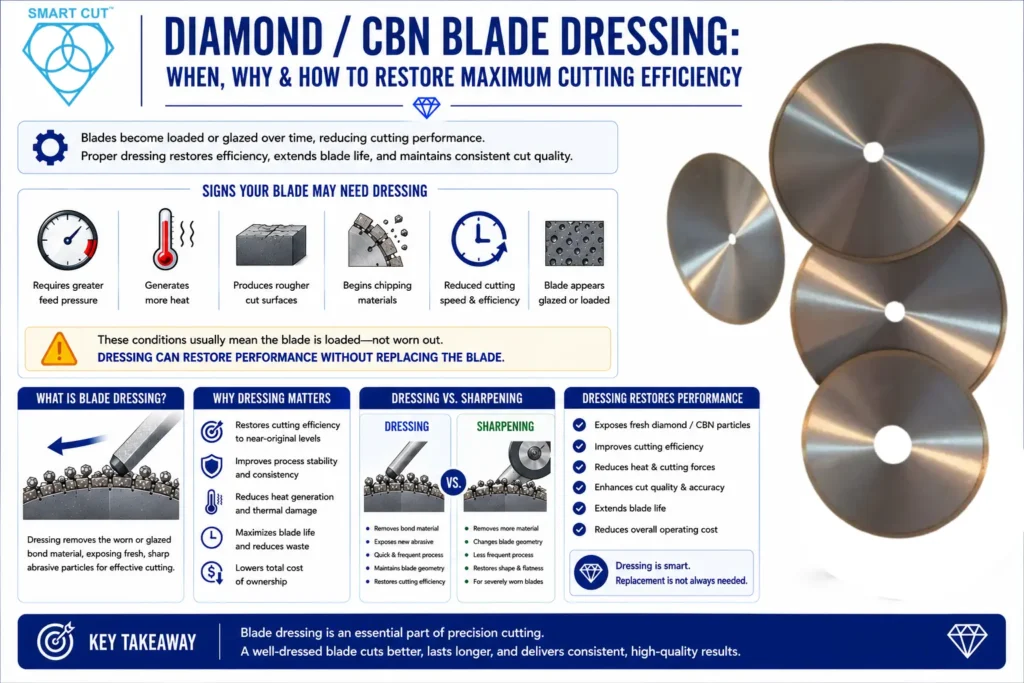
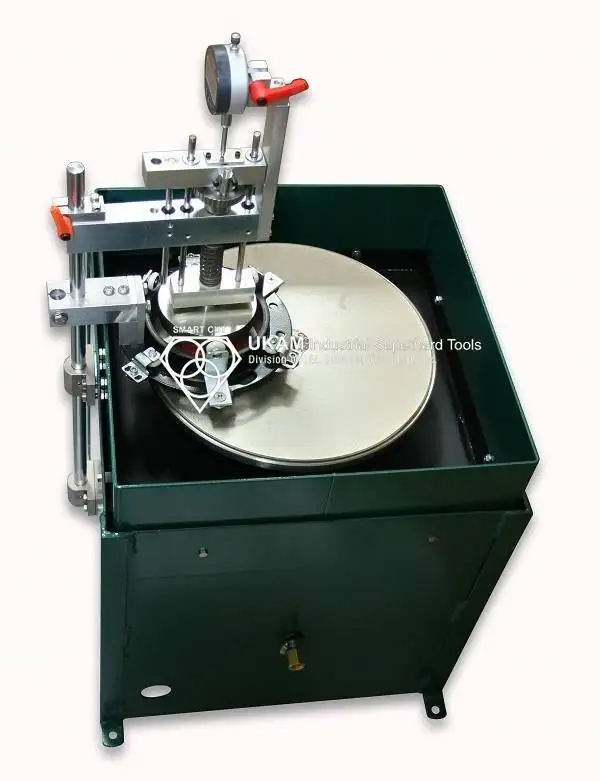
Diamond / CBN Blade Dressing: When, Why & How to Restore Maximum Cutting Efficiency
Precision diamond and CBN blades are engineered to deliver exceptional cutting accuracy, minimal material damage, and long service life across a wide range of advanced materials. Whether sectioning silicon wafers, sapphire, technical ceramics, carbides, composites, hardened steels, or metallographic specimens, these tools rely on a carefully engineered balance between diamond or CBN abrasive particles and the bond material that supports them.
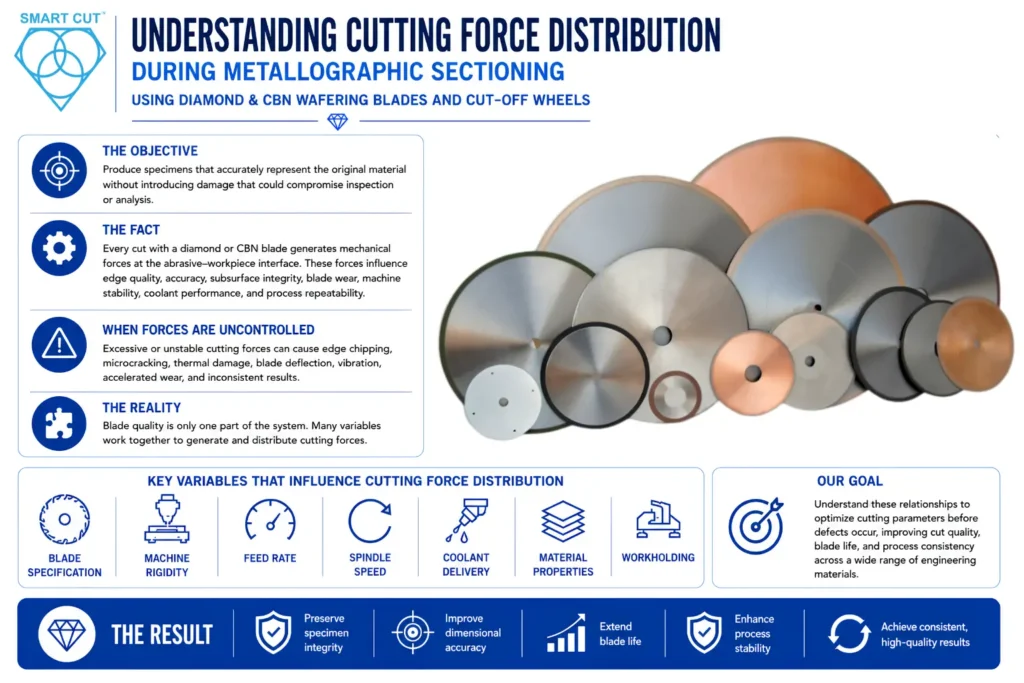
Understanding Cutting Force Distribution During Metallographic Sectioning Using Diamond & CBN Wafering Blades and Cut-Off Wheels
Precision sectioning is far more than simply separating material into smaller pieces. In metallography, semiconductor manufacturing, failure analysis, materials research, and quality control laboratories, the objective is to produce a specimen that accurately represents the original material without introducing damage that could compromise subsequent inspection or analysis.
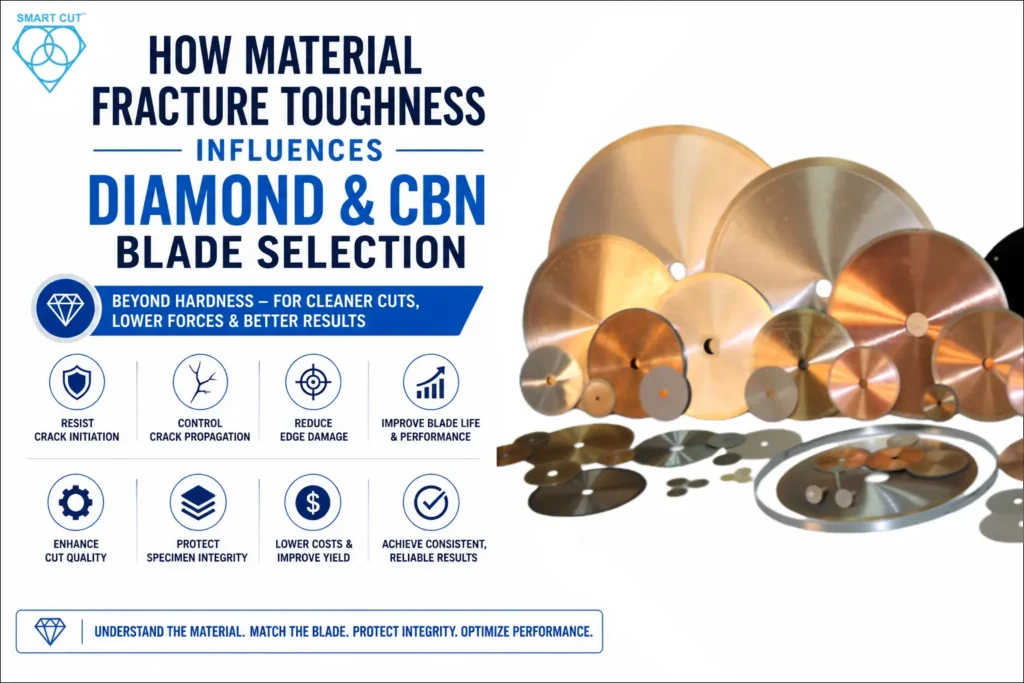
How Material Fracture Toughness Influences Diamond & CBN Blade Selection
Selecting the correct diamond or CBN blade involves far more than matching the blade to a material’s hardness. While hardness is often the first property engineers consider, it is rarely sufficient for determining how a material will behave during precision cutting.
Two materials may exhibit similar hardness values yet respond very differently under identical cutting conditions. One may produce clean, repeatable cuts with minimal edge damage, while the other may experience extensive edge chipping, subsurface cracking, rapid blade wear, or complete specimen failure.
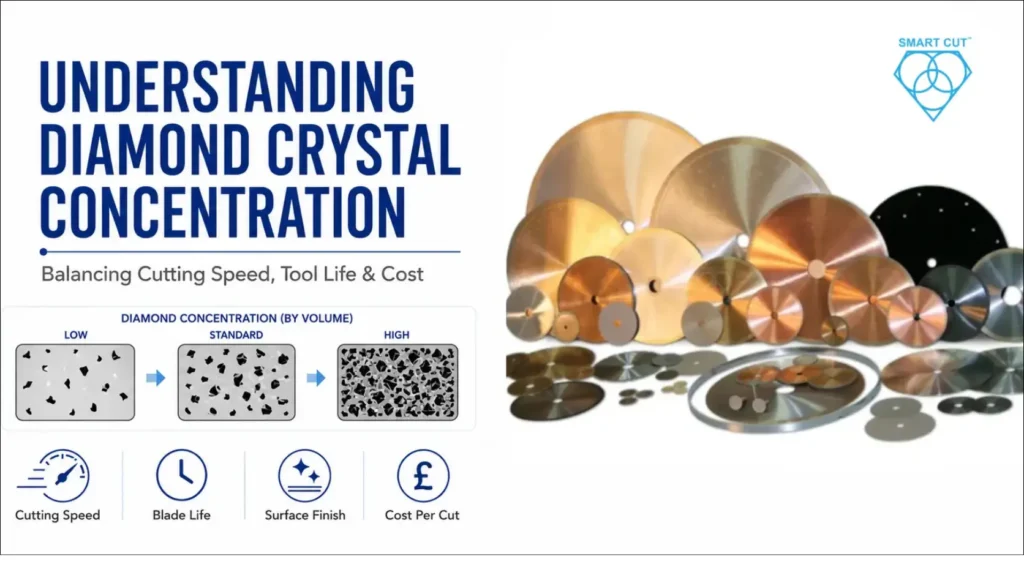
Understanding Diamond Crystal Concentration: Balancing Cutting Speed, Tool Life & Cost
Diamond crystal concentration is one of the most important and one of the most misunderstood specifications in diamond blade selection.
Many users assume that a blade with a higher diamond concentration will always cut faster, last longer, and produce superior results. In reality, concentration is only one component of an engineered cutting system, and increasing it without considering bond hardness, grit size, material properties, spindle speed, feed rate, coolant performance, and machine rigidity can reduce cutting efficiency rather than improve it.
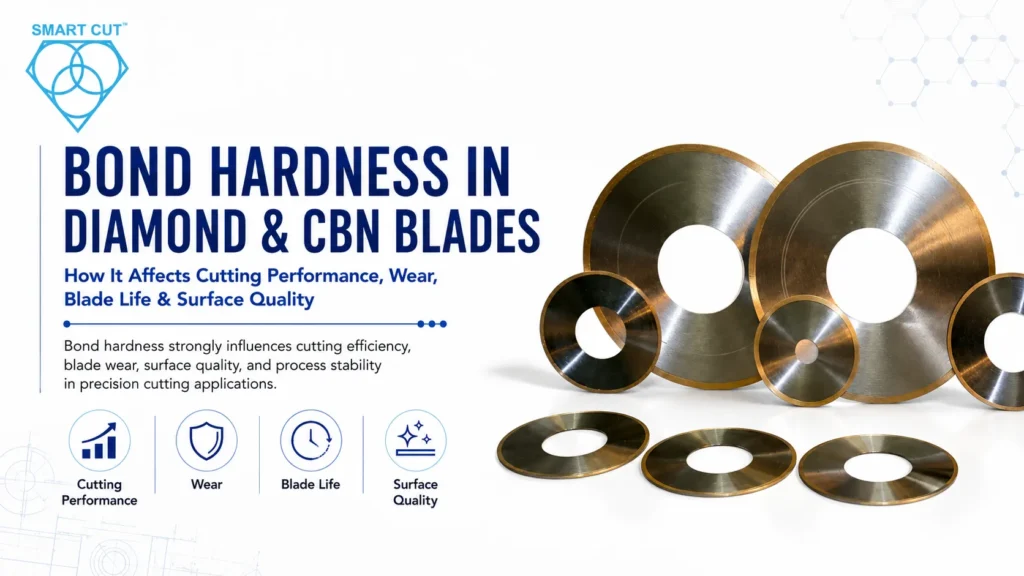
Bond Hardness in Diamond & CBN Blades: How It Affects Cutting Performance, Wear, Blade Life & Surface Quality
In precision cutting applications, engineers often focus on selecting the correct diamond grit size, blade thickness, spindle speed, or feed rate to achieve optimal cutting performance. While each of these variables plays an important role, the characteristics of the diamond bond system frequently have an even greater influence on cutting efficiency, blade wear, surface integrity, and overall process stability.
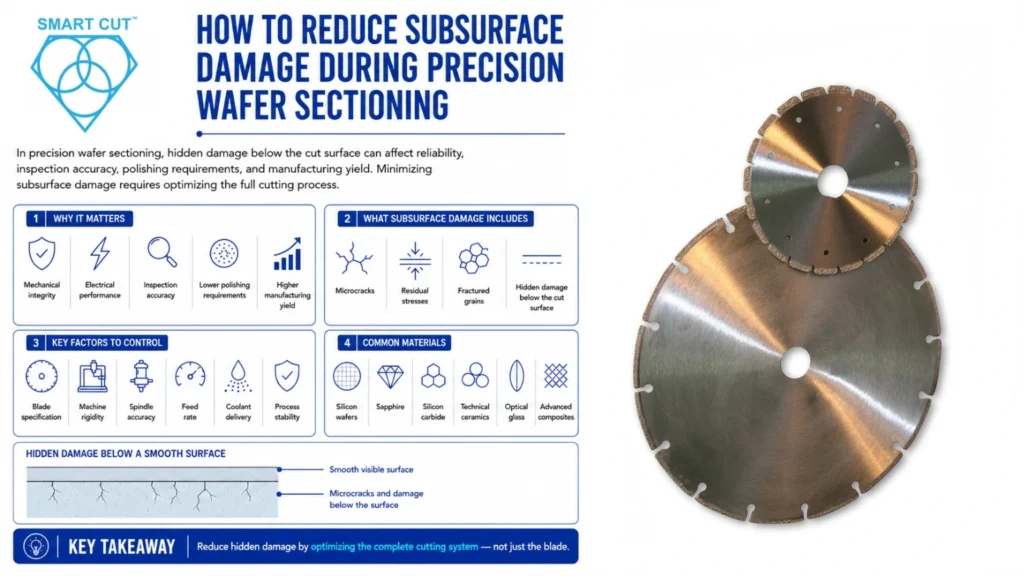
How to Reduce Subsurface Damage During Precision Wafer Sectioning
In precision wafer sectioning, what happens beneath the cut surface is often more important than what is visible to the naked eye.
A component may appear to have a smooth edge and acceptable dimensional accuracy, yet contain microscopic cracks, residual stresses, or fractured grains extending below the machined surface. These hidden defects, collectively referred to as subsurface damage, can compromise the mechanical integrity, electrical performance, and long-term reliability of the finished component.
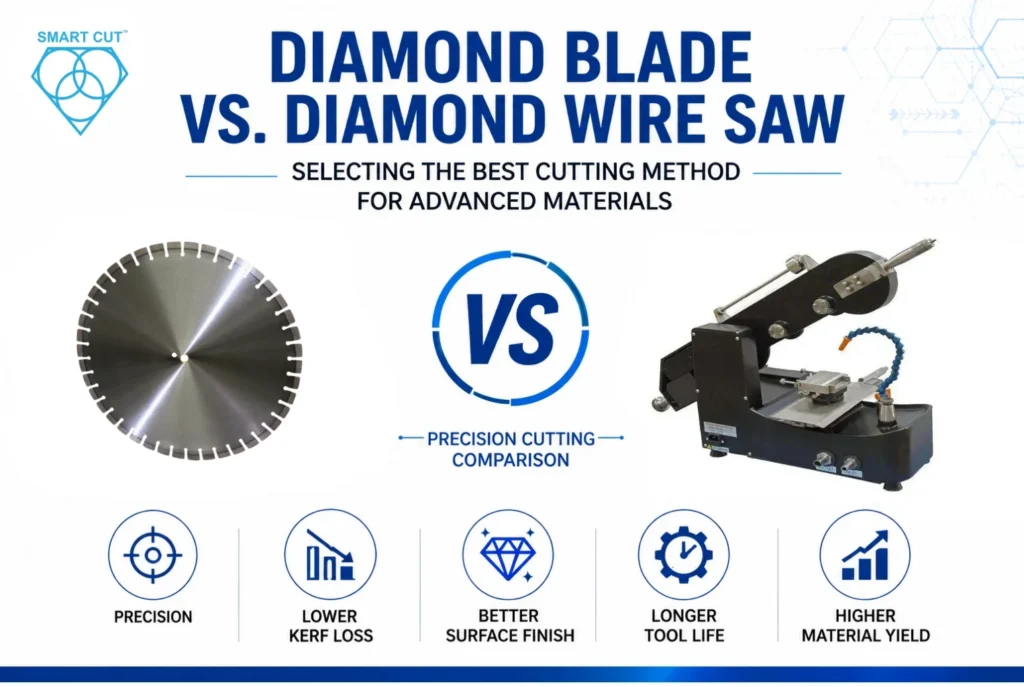
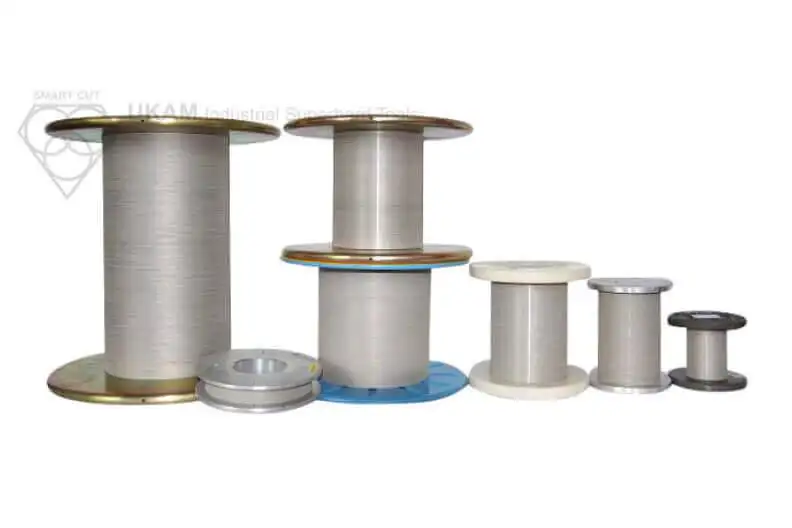
Diamond Blade vs. Diamond Wire Saw: Selecting the Best Cutting Method for Advanced Materials
Selecting the appropriate cutting technology is one of the most important decisions in precision material processing. While diamond blades and diamond wire saws both use industrial diamond abrasives to machine difficult materials, they are designed for fundamentally different applications and process requirements.
Choosing the wrong cutting method can lead to excessive kerf loss, edge chipping, subsurface damage, poor surface finish, higher consumable costs, and unnecessary production delays. Conversely, selecting the right cutting technology can significantly improve material yield, extend tool life, reduce polishing requirements, and increase overall process stability.
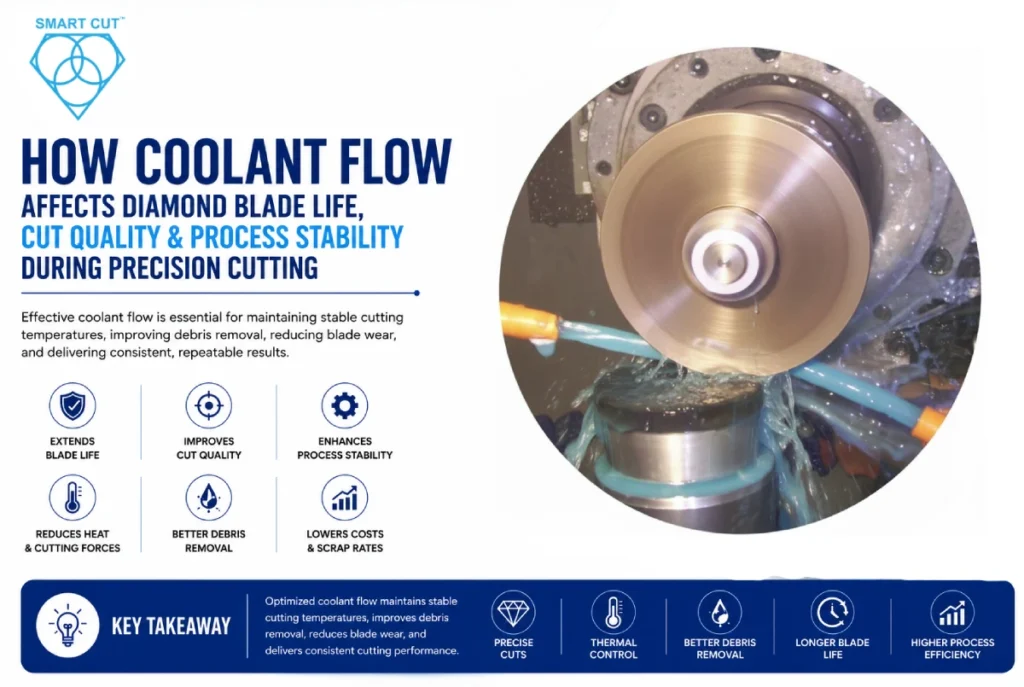
How Coolant Flow Affects Diamond Blade Life, Cut Quality & Process Stability During Precision Cutting
Coolant is one of the most important and often most overlooked variables in precision cutting operations.
Many manufacturers focus heavily on blade selection, spindle speed, feed rate, and machine rigidity while assuming coolant simply serves as a cooling medium.
In reality, coolant directly influences:
Blade life
Cut quality
Surface finish
Edge integrity
Process repeatability
Thermal stability
Material removal efficiency
Operating costs