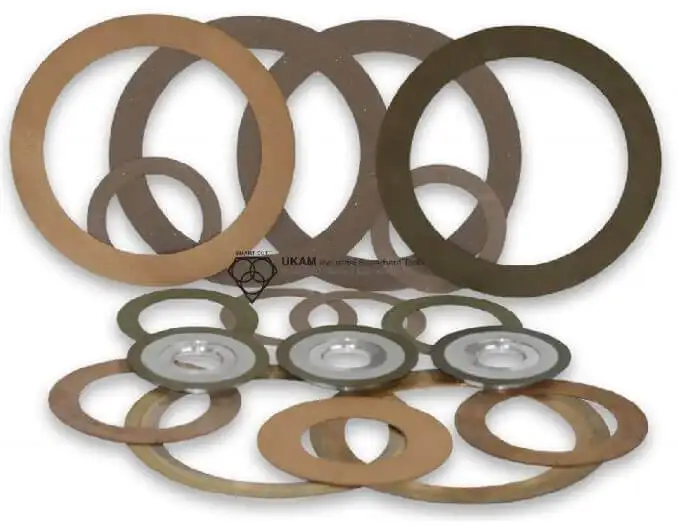
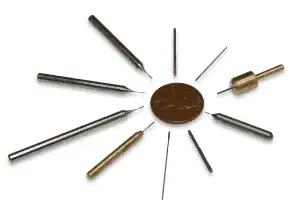
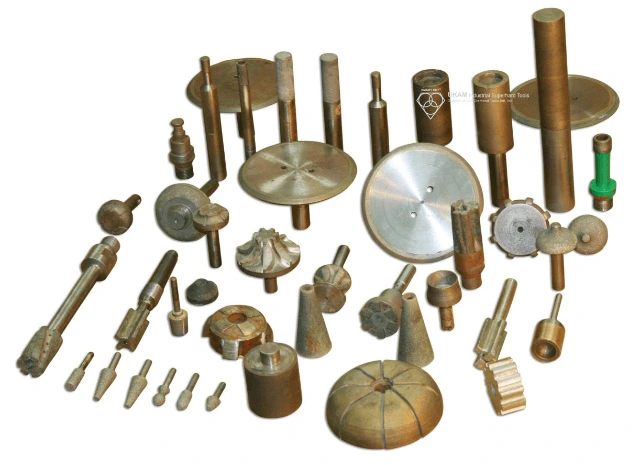
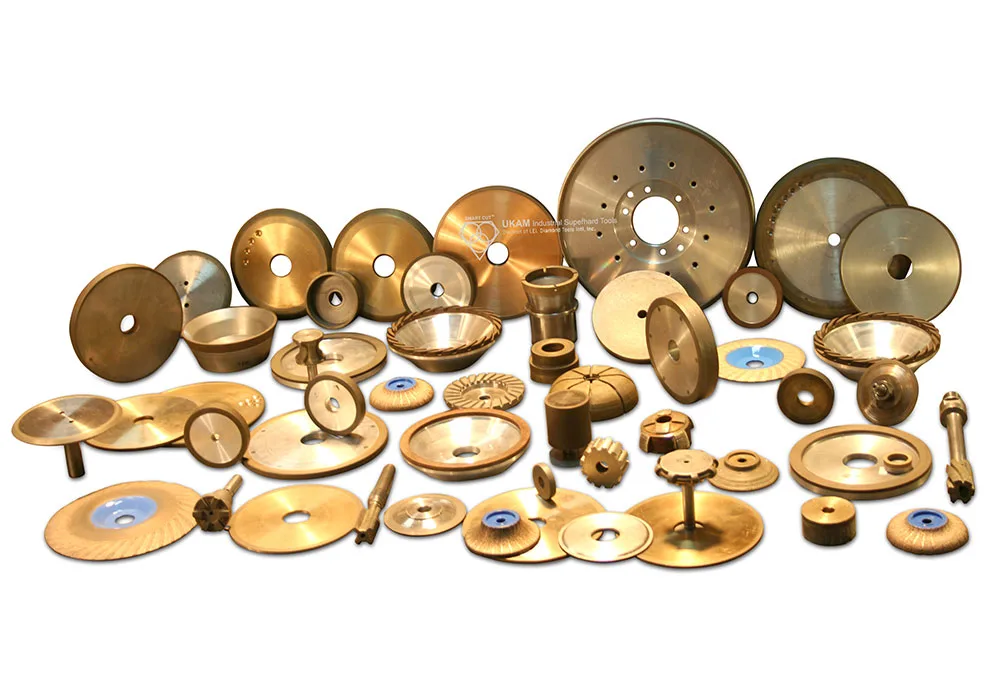
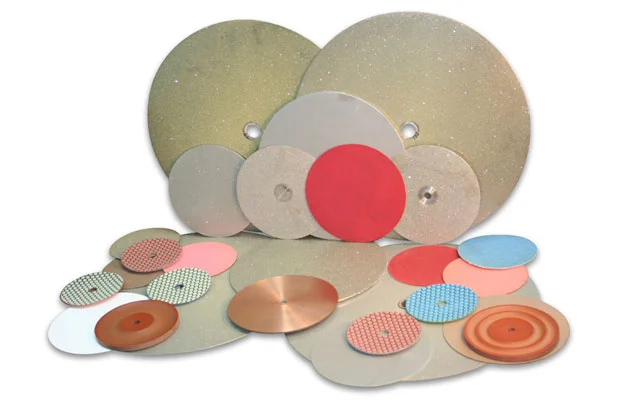
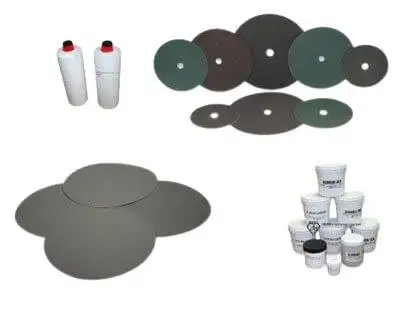
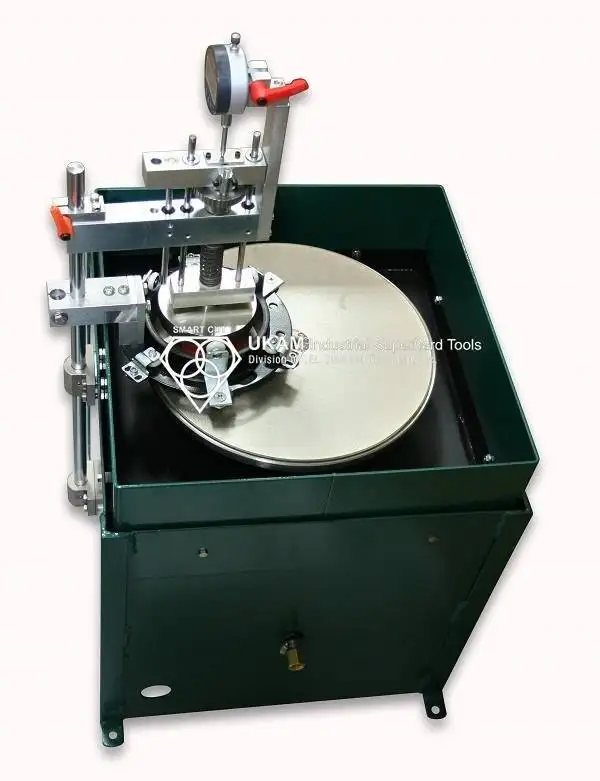
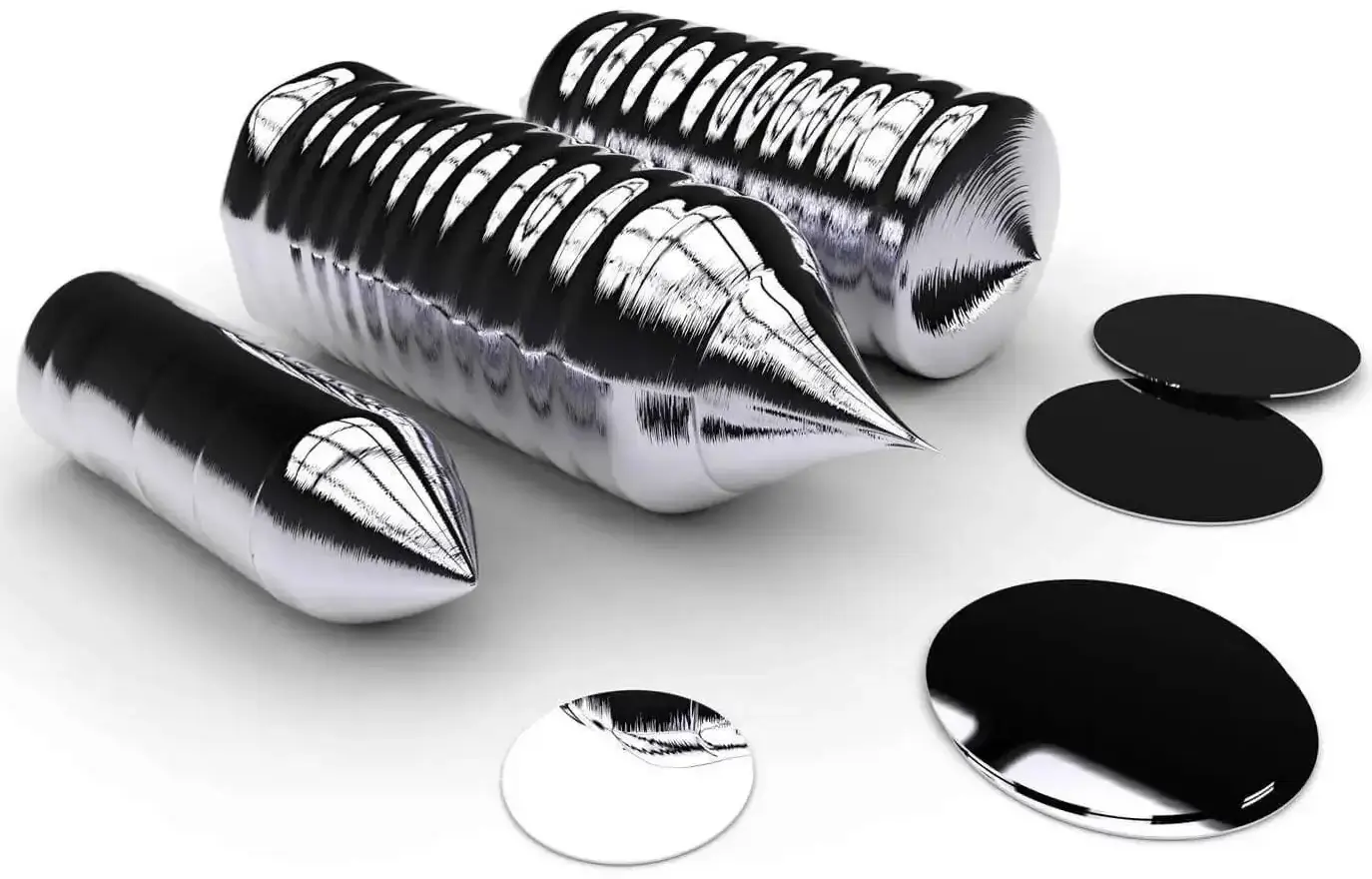
Fine Grinding Plates are specialized abrasive tools used on grinding machines to precision-machine workpieces. They consist of abrasive grains bonded to a plate. The abrasive grains remove material from the workpiece, resulting in a smooth and precise surface finish.
Fine Grinding Plates are commonly used for applications that require high parallelism, close dimensional control, and fine surface finishes. Typical applications include optics, ceramics, metals, semiconductor wafers, and precision components.
Selecting the right plate involves considering factors such as workpiece material, required surface finish, plate type, grit size, bond type, and plate diameter. Consult with the manufacturer or supplier for guidance.
Fine Grinding Plates offer advantages such as precise control over surface finish, minimal subsurface damage, and the ability to achieve high parallelism and dimensional accuracy without the need for additional lapping processes.
Fine Grinding Plates come in various sizes, typically ranging from 450mm (17 inches) to over 1000mm (40 inches) in diameter. They can have different shapes, abrasive patterns, and bond types to suit various applications.
The recommended operating RPM varies depending on the plate type, workpiece material, and desired results. Typically, the range is between 500 and 3,000 RPM. Consult the manufacturer’s guidelines for specific recommendations.
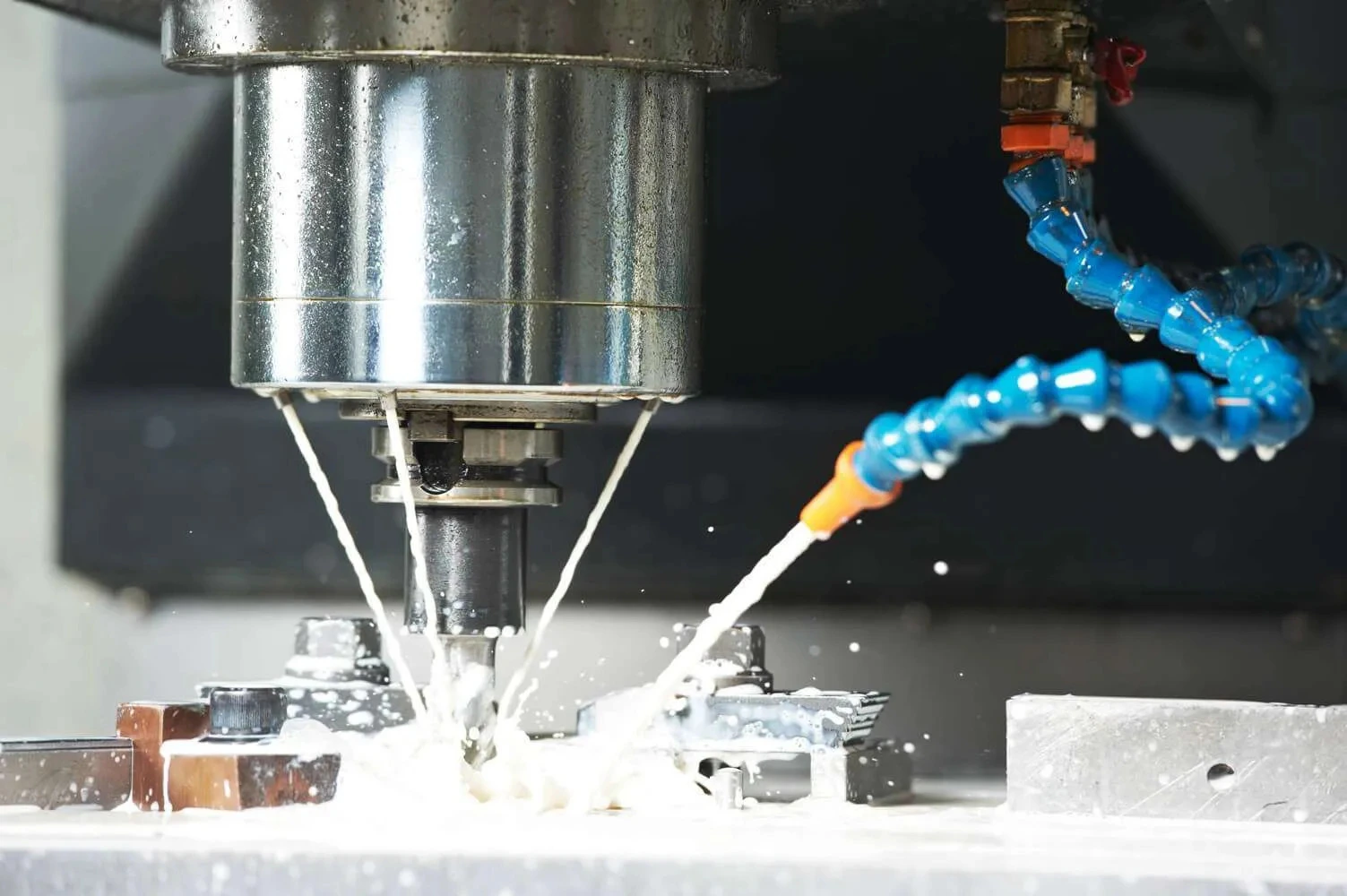
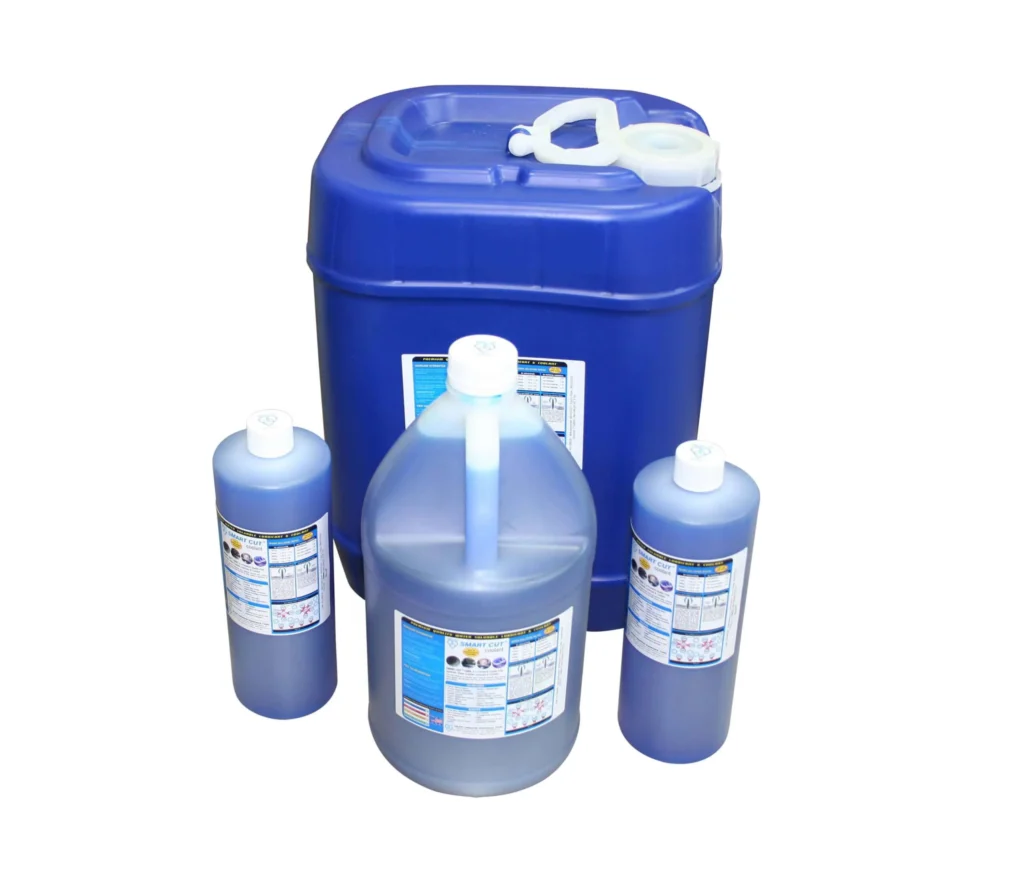
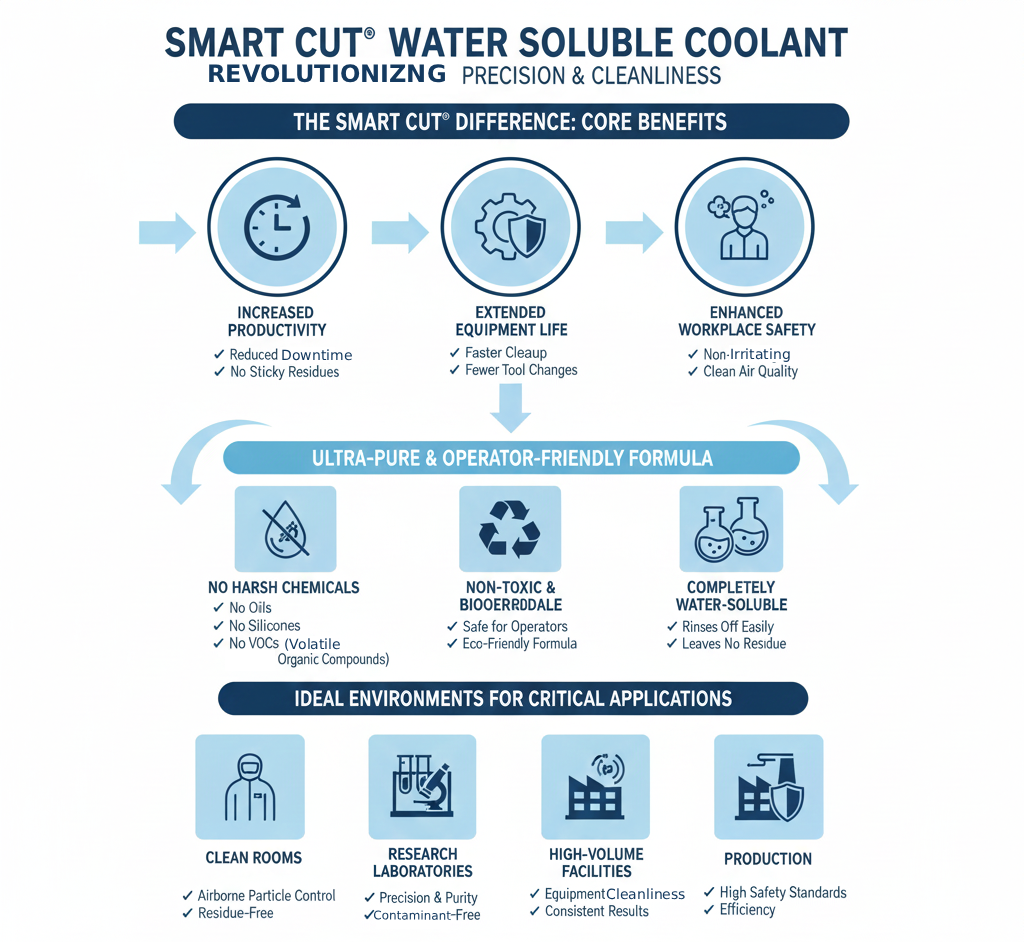
Water-soluble coolants are commonly used due to their effectiveness in controlling heat. However, the choice of coolant depends on the workpiece material and specific requirements. Consult the manufacturer or coolant supplier for recommendations.
Yes, regular maintenance is essential to ensure optimal performance. This may include plate dressing, inspection, and cleaning. Follow the manufacturer’s maintenance guidelines for best results.
Yes, some manufacturers offer customization options, including plate diameter, bond type, abrasive grit size, and even custom shapes or patterns to match unique application requirements.
Yes, safety is important. Operators should follow safety protocols, wear appropriate personal protective equipment (PPE), and be trained in the safe operation of grinding machines.
Fine Grinding Plates can be used on a wide range of materials, including metals, ceramics, glass, semiconductor materials, and composites. The choice of plate and parameters depends on the material.
Yes, Fine Grinding Plates are often used as a replacement for lapping processes, offering advantages such as improved efficiency and reduced processing time.
Fine Grinding Plates are designed for precision machining and surface finishing, offering advantages like high parallelism and close dimensional control. Conventional grinding wheels may be more suitable for material removal and less demanding surface finish requirements.
Fine Grinding Plates can be used on standard grinding machines with appropriate spindle compatibility. However, some applications may benefit from machines optimized for fine grinding processes.
While Fine Grinding Plates are often used with water-soluble coolants for wet grinding, dry grinding may also be feasible in some cases. Consult the manufacturer’s recommendations for guidance on wet or dry grinding.
The achievable dimensional tolerances depend on various factors, including workpiece material, plate type, machine setup, and operator skill. Fine Grinding Plates can achieve tight tolerances when used correctly.
The size and weight of workpieces that can be processed with Fine Grinding Plates depend on the capacity and capabilities of the grinding machine being used. Consult the machine’s specifications for size and weight limitations.
Yes, Fine Grinding Plates are often used in batch processing and high-volume production. They can offer efficiency and consistency in producing multiple identical components.
The lifespan of Fine Grinding Plates varies depending on factors like material being processed, grinding parameters, and maintenance. Proper plate maintenance, dressing, and careful usage can extend their lifespan.
Yes, operators may need training and experience to optimize the use of Fine Grinding Plates. Operator skill and familiarity with the process are essential for achieving consistent and high-quality results.
Fine Grinding Plates are generally used for flat or near-flat surface grinding. For curved surfaces or complex geometries, specialized tools or processes may be required.
Proper disposal of grinding waste, including used abrasive material and coolants, is important to comply with environmental regulations. Implement waste management practices in accordance with local laws.
The generation of dust and airborne particles can vary depending on the workpiece material and grinding parameters. Implement dust extraction and filtration systems as needed to maintain a clean and safe working environment.
Fine Grinding Plates are primarily designed for external surface grinding. For internal grinding, specialized tools and processes, such as internal grinding wheels, are typically employed.
The plate diameter affects the grinding area and the surface speed at the grinding contact point. Larger diameter plates are often used for larger workpieces and can provide improved material removal rates.
When grinding thin or fragile workpieces, it’s important to use appropriate fixturing and support to prevent workpiece deformation or breakage. Consult the manufacturer’s recommendations for best practices.
Yes, Fine Grinding Plates can be used for a wide range of materials, including both ferrous (e.g., steel) and non-ferrous materials (e.g., aluminum, copper, ceramics). Plate selection and grinding parameters may vary based on material type.
Yes, Fine Grinding Plates can be used to achieve mirror-like surface finishes when combined with the appropriate grit size and plate type. However, achieving such finishes may require additional steps and care in the process.
While Fine Grinding Plates excel in precision and surface finish, they are not typically used for heavy stock removal tasks. Coarser grinding methods, such as conventional grinding wheels, are better suited for such applications.
Dressing is recommended to maintain the sharpness of abrasive grains on Fine Grinding Plates. Some plates have built-in dressing mechanisms, while external dressing tools may be used. Dressing is typically performed when the plate’s cutting efficiency diminishes.
The bond type affects the retention and spacing of abrasive grains on the plate. Different bond types provide varying levels of grain retention and wear resistance. The choice of bond type depends on the application and material being ground.
Yes, operators should follow safety protocols, wear appropriate PPE, and be aware of potential hazards associated with grinding operations. Proper training and adherence to safety guidelines are crucial.
Fine Grinding Plates are primarily designed for flat or near-flat surface grinding. While they can accommodate slightly contoured surfaces, specialized tools may be needed for highly contoured workpieces.
The lifespan of coolant can vary depending on factors such as usage, concentration, and maintenance. Regularly monitor the coolant’s condition and replace or replenish it according to the manufacturer’s recommendations.
When grinding thin workpieces, be cautious about excessive pressure, which can cause distortion. Proper fixturing and support are crucial to maintain workpiece integrity.
Yes, Fine Grinding Plates are versatile and can be used for both batch processing and single-piece machining. They offer efficiency and precision in various production scenarios.
Yes, Fine Grinding Plates are versatile and can be used for both batch processing and single-piece machining. They offer efficiency and precision in various production scenarios.
Fine Grinding Plates are available in various types to suit specific applications and material requirements. Some common types include:
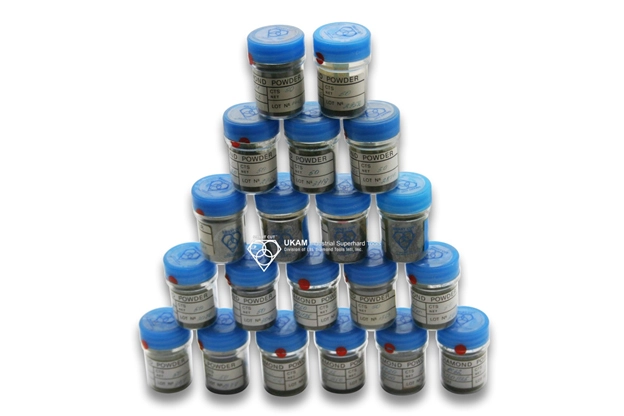
- Diamond Plates: Ideal for grinding hard and brittle materials like ceramics, silicon carbide, and diamond.
- CBN Plates: Suitable for grinding hard and tough materials like tool steels and carbides.
- Aluminum Oxide Plates: Used for general-purpose grinding on a wide range of materials, including metals, plastics, and composites.
- Silicon Carbide Plates: Effective for grinding softer materials like glass, ceramics, and composites.
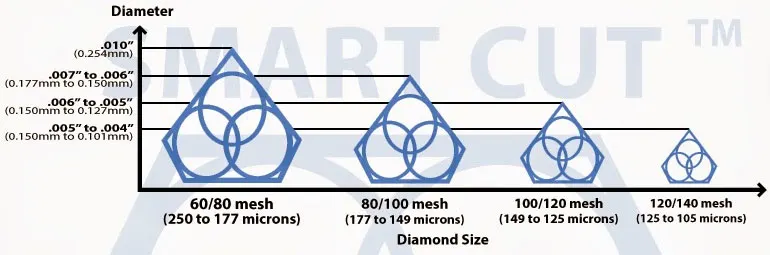
Fine Grinding Plates are available in a range of grit sizes, from coarse to fine, to achieve different surface finishes. The choice of grit size depends on the desired surface finish and the material being ground.
- Coarse Grit (60-120): Used for rough grinding to remove large amounts of material and create a preliminary surface finish.
- Medium Grit (180-320): Suitable for intermediate grinding to refine the surface finish and prepare for finer polishing.
- Fine Grit (400-600): Used for precision grinding to achieve a high-quality surface finish with minimal material removal.
- Ultrafine Grit (800-1200): Ideal for optical-grade polishing, creating a mirror-like surface finish.
Fine Grinding Plates employ various bonding types to adhere the abrasive grains to the plate’s surface. Each bonding type offers distinct characteristics and is suitable for specific applications.
- Vitrified Bond: A strong and durable bond commonly used for general-purpose grinding and applications requiring high wear resistance.
- Resin Bond: A flexible bond suitable for precision grinding and applications where minimal workpiece distortion is critical.
- Metal Bond: A highly durable bond ideal for grinding hard and abrasive materials, providing exceptional wear resistance.
The optimal operating parameters for Fine Grinding Plates depend on the specific application, material being ground, and desired surface finish. However, some general guidelines include:
- Rotational Speed: Typically ranging from 50 to 1000 RPM, depending on the plate size and workpiece dimensions.
- Grinding Pressure: Typically ranging from 1 to 100 psi, depending on the material hardness and surface finish requirements.
- Coolant: Coolant is often used to prevent overheating and maintain abrasive sharpness.
Always follow proper safety precautions when using Fine Grinding Plates:
- Wear appropriate safety gear: Wear safety glasses, gloves, and respiratory protection when operating grinding machines.
- Securely mount the plate: Ensure the plate is properly mounted to the grinding machine to prevent vibration and accidents.
- Use proper grinding techniques: Follow recommended grinding techniques to avoid workpiece damage and ensure operator safety.
- Maintain the machine and plates: Regularly inspect and maintain the grinding machine and plates to ensure optimal performance and safety.
Fine Grinding Plates offer several environmental advantages over traditional grinding methods:
- Reduced Coolant Consumption: Fixed abrasive technology requires less coolant compared to loose abrasive methods, minimizing wastewater generation.
- Extended Abrasive Life: Longer-lasting abrasive bonds reduce the frequency of abrasive replacements, minimizing waste disposal.
- Energy Efficiency: Efficient grinding processes minimize energy consumption, contributing to a smaller environmental footprint.
Yes, Fine Grinding Plates can be integrated into automated or robotic grinding systems for consistent and repeatable machining processes.
Depending on local regulations, used Fine Grinding Plates may be considered industrial waste. Dispose of them in accordance with applicable environmental laws and guidelines.
The reconditioning or re-sharpening of Fine Grinding Plates may be possible in some cases, depending on their design and condition. Consult with the manufacturer or a specialized service provider for guidance.
Challenges in fine grinding can include achieving tight tolerances, controlling heat generation, maintaining consistent surface finishes, and managing abrasive wear. Troubleshooting and process optimization may be necessary to address these challenges.
Yes, some Fine Grinding Plates come with automated dressing mechanisms that help maintain the sharpness of abrasive grains. These mechanisms can be integrated into the grinding system for convenience.
When grinding brittle materials, it’s important to use lower pressure and ensure proper workpiece support to prevent chipping or breakage. Additionally, selecting the right plate and coolant is critical for minimizing thermal stress.
While Fine Grinding Plates can improve surface finish and precision, they are primarily designed for flat or slightly contoured surfaces. Removing deep defects or machining highly irregular shapes may require additional steps or specialized tools.
Changing Fine Grinding Plates involves proper machine shutdown, safety precautions, and careful handling of the tool. Follow the manufacturer’s instructions for plate replacement to ensure safety and proper installation.
In some cases, a single Fine Grinding Plate may be used for both roughing and finishing by adjusting parameters like pressure and grit size. However, it’s essential to carefully control these parameters to achieve the desired results.
Yes, Fine Grinding Plates can be employed to achieve specific roughness values (Ra) by selecting the appropriate plate and adjusting grinding parameters. Consult the manufacturer or supplier for guidance on achieving desired surface finishes.
Fine Grinding Plates are often used for machining exotic materials like sapphire and advanced ceramics. However, the choice of plate and grinding parameters should be tailored to the specific material properties and requirements.
Proper balancing is crucial to prevent vibrations and uneven wear. Follow the manufacturer’s recommendations for balancing procedures, and periodically check and adjust the plate’s balance as needed.
Yes, Fine Grinding Plates are suitable for large-scale production runs, especially when precision and surface finish are critical. They can help maintain consistency in quality across a large volume of workpieces.
Safety precautions include wearing appropriate personal protective equipment (PPE), ensuring machine safety interlocks are functional, and following safety guidelines for machine operation. Proper training is essential for operators.
Achieving flatness and parallelism requires proper machine setup, workpiece fixturing, and control of grinding parameters. Consult the manufacturer’s recommendations and consider using measuring equipment to verify results.
Yes, Fine Grinding Plates can be adapted for both single-sided and double-sided grinding processes, depending on the machine setup and requirements of the application.
To control heat generation, use an appropriate coolant/lubricant, ensure consistent pressure, and control grinding parameters such as speed and feed rate. Monitoring temperature during grinding can also help manage heat.
Yes, Fine Grinding Plates can be used for grinding non-metallic materials, including plastics and composites. Choose the appropriate plate type and abrasive grit size for the specific material and application.
Cleaning Fine Grinding Plates involves removing debris and coolant residues. Follow the manufacturer’s maintenance recommendations, which may include regular cleaning, inspection, and dressing as needed.
Yes, Fine Grinding Plates are commonly used for precision optics manufacturing. They can help achieve the required surface quality and accuracy for optical components.
Lead times for custom Fine Grinding Plates can vary depending on the manufacturer and the complexity of the customization. It’s advisable to inquire with the manufacturer regarding lead times for specific orders.
To minimize subsurface damage, use finer grit sizes, lower pressure, and appropriate coolant/lubricant. Additionally, consider post-grinding processes like polishing or chemical etching for further damage reduction.
While Fine Grinding Plates excel in finishing applications, they can also achieve moderate material removal rates when using coarser grit sizes and appropriate pressure. However, for heavy material removal, other grinding methods may be more suitable.
Fine Grinding Plates are not typically used for sharpening cutting tools or blades, as their primary function is surface finishing and precision machining. Sharpening tools often require specialized abrasive materials and equipment.
Repurposing worn Fine Grinding Plates for alternative applications may be possible depending on their condition and design. Consult with the manufacturer or a specialist for guidance on repurposing options.
Fine Grinding Plates can be used for machining CFRP materials, but it’s important to select the appropriate plate type, grit size, and grinding parameters to prevent delamination and achieve desired surface finish.
When grinding heat-sensitive materials, use lower speeds, reduce pressure, and choose a coolant that minimizes thermal effects. Monitoring temperature during grinding is crucial to prevent material damage.
Achieving tight thickness tolerances for thin workpieces may be challenging due to potential workpiece deflection. Proper fixturing and support are critical to maintaining thickness control.
Signs of wear include reduced cutting efficiency, decreased surface quality, and uneven wear patterns. Address wear by dressing the plate, replacing it, or reconditioning it according to manufacturer recommendations.
Fine Grinding Plates can be used for machining refractory materials, but it may require specialized abrasives and coolant/lubricant systems to manage the high heat generated during grinding.
Materials with low thermal conductivity can be prone to heat buildup during grinding. Use coolant, reduce pressure, and control speed to minimize heat-related issues.
Yes, Fine Grinding Plates can be used to achieve specific flatness requirements when combined with precise machine setup and control of grinding parameters.
Measuring surface roughness is important for quality control. Common methods include profilometers and surface roughness testers. Regular measurements help ensure the desired finish is achieved.
Fine Grinding Plates can produce slightly contoured surfaces but may not be suitable for highly convex or concave shapes. Specialized tools or processes may be needed for extreme contours.
Implementing recycling systems for abrasive waste and responsible coolant disposal are ways to reduce environmental impact. Follow local regulations and best practices for waste management.
Fine Grinding Plates can be used for precision machining of hardened steel and tool steels, but the choice of plate type and abrasive grit size should match the hardness and requirements of the workpiece.
Dressing tools are used to maintain the sharpness of abrasive grains on Fine Grinding Plates. The frequency of dressing depends on factors like plate wear and the specific application. Follow manufacturer recommendations.
Yes, Fine Grinding Plates are often used for fine-tuning or correcting dimensions on machined parts to achieve precise tolerances and desired surface finishes.
Challenges in achieving high parallelism can include workpiece deflection and uneven pressure distribution. Solutions may involve optimizing fixturing, controlling pressure, and using proper machine setup.
The recommended coolant concentration can vary depending on the coolant type and manufacturer’s specifications. Maintaining the correct concentration is crucial for coolant effectiveness. Follow the manufacturer’s guidelines.
Fine Grinding Plates can be used to remove oxide layers and surface contaminants from materials like stainless steel. Choose the appropriate abrasive grit size and plate type for the specific application.
Yes, Fine Grinding Plates can be used for aerospace applications that demand tight tolerances and high surface finish quality. Precise machine setup and control are essential for meeting aerospace standards.
While some applications may permit both dry and wet grinding with Fine Grinding Plates, it’s essential to follow manufacturer recommendations and adjust parameters accordingly.
Fine Grinding Plates can be used for finishing 3D-printed or additive-manufactured components to achieve precise dimensions and surface quality. Careful setup and control are necessary for optimal results.
Fine Grinding Plates are generally used for precision and fine finishing applications. For high material removal rates and aggressive grinding, other abrasive methods may be more suitable.