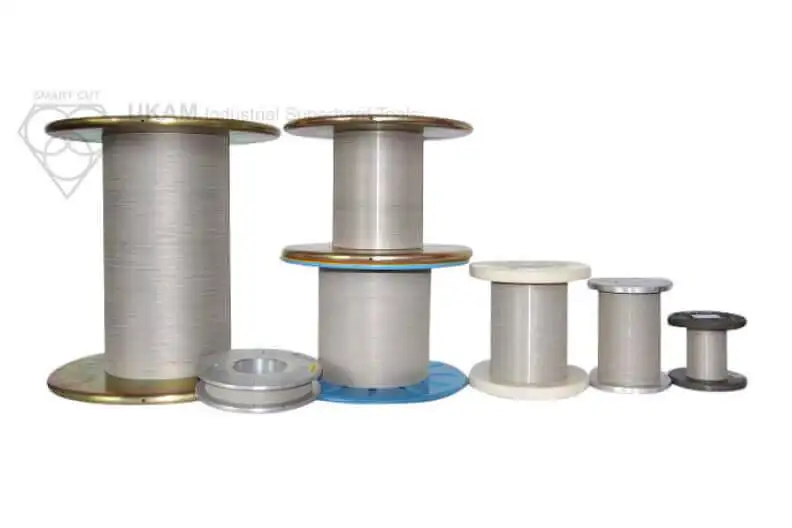
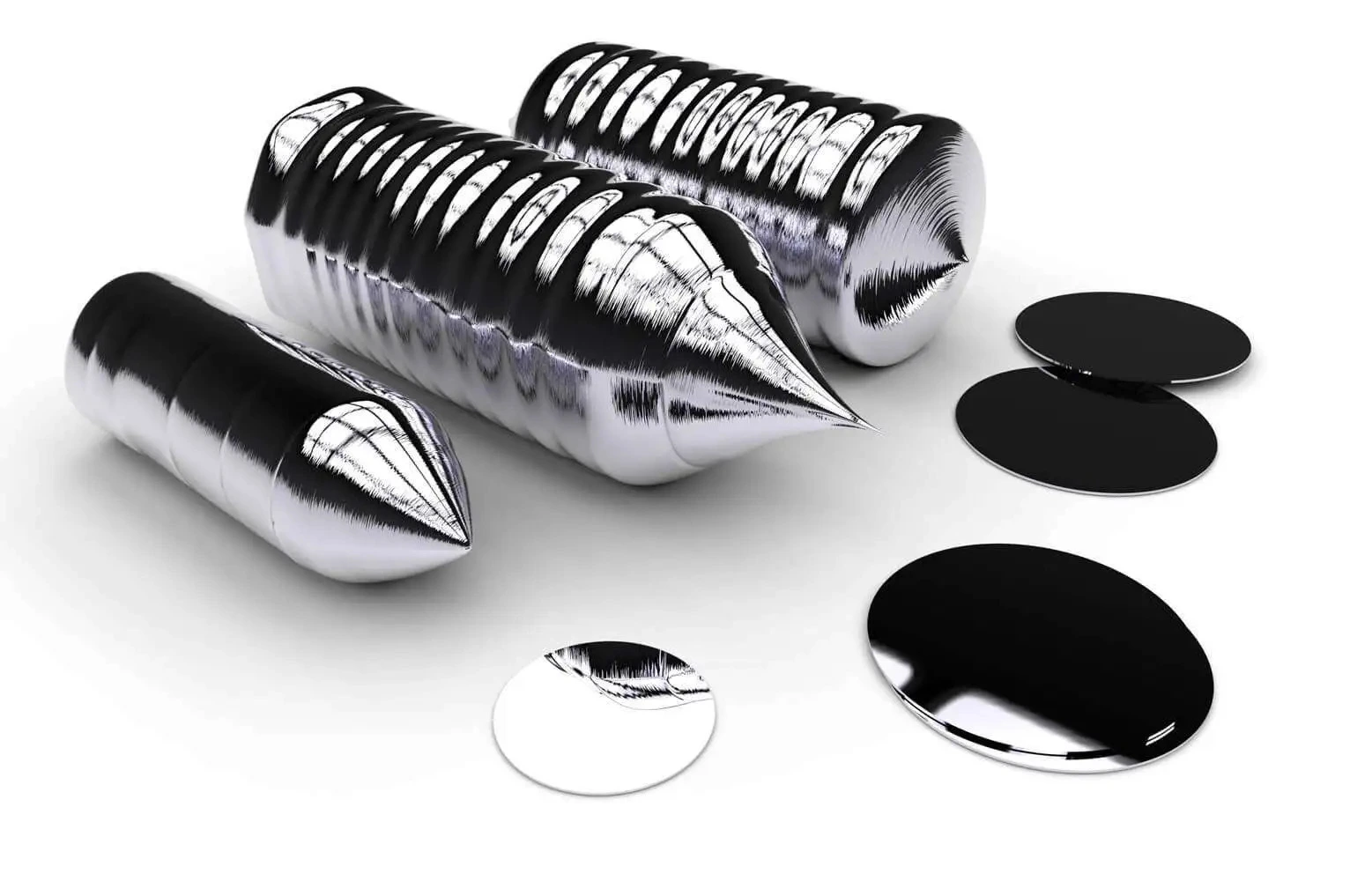
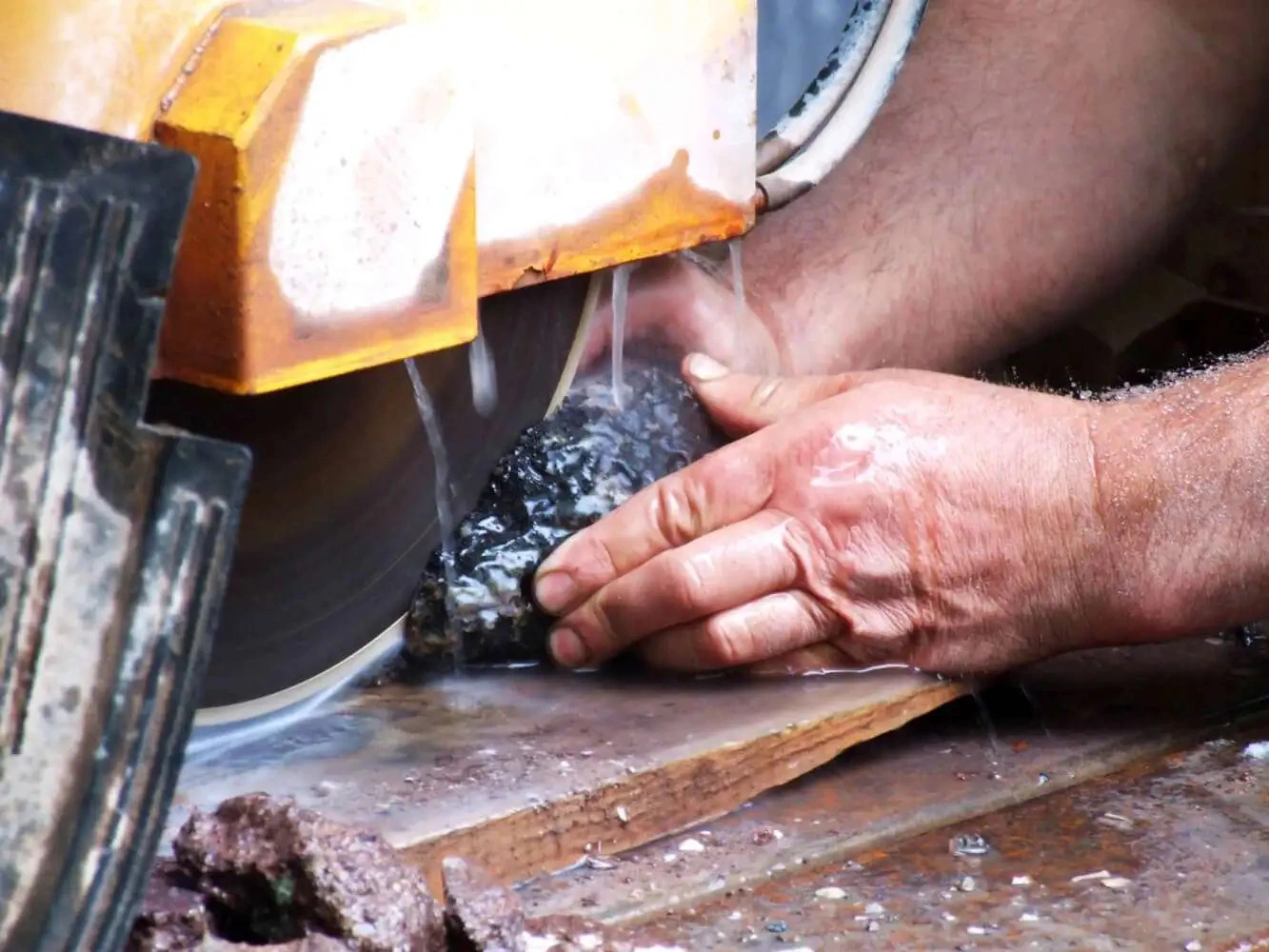
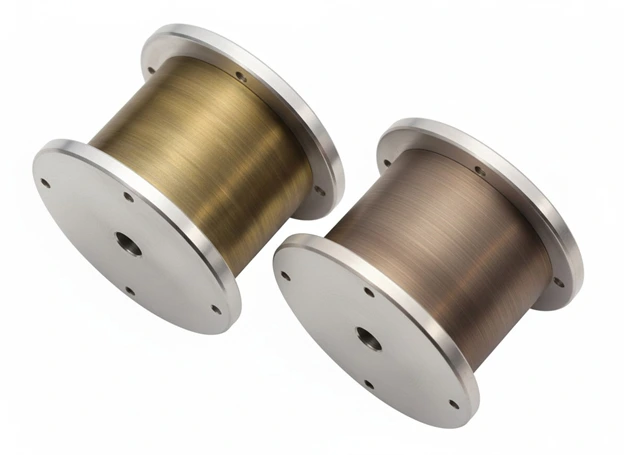
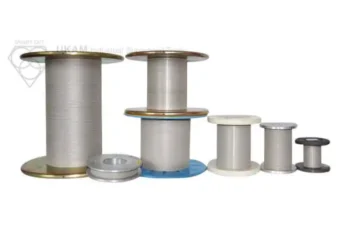
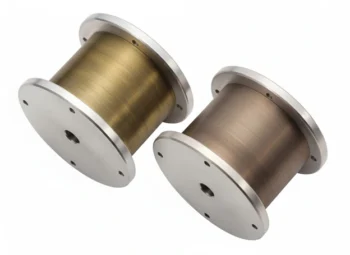
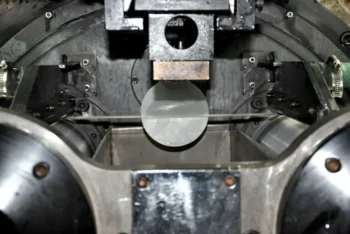
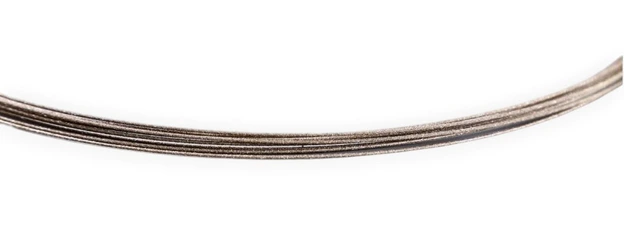
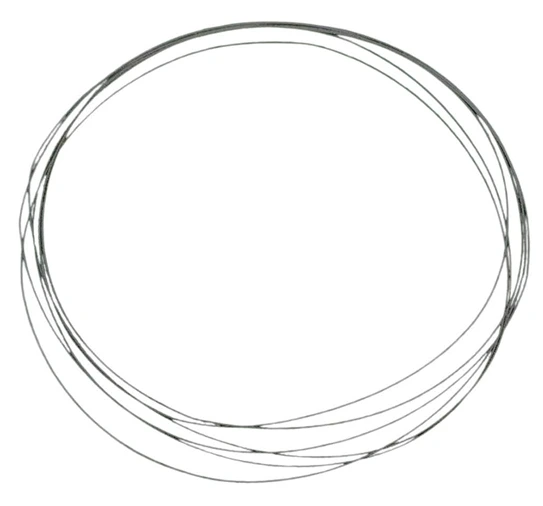
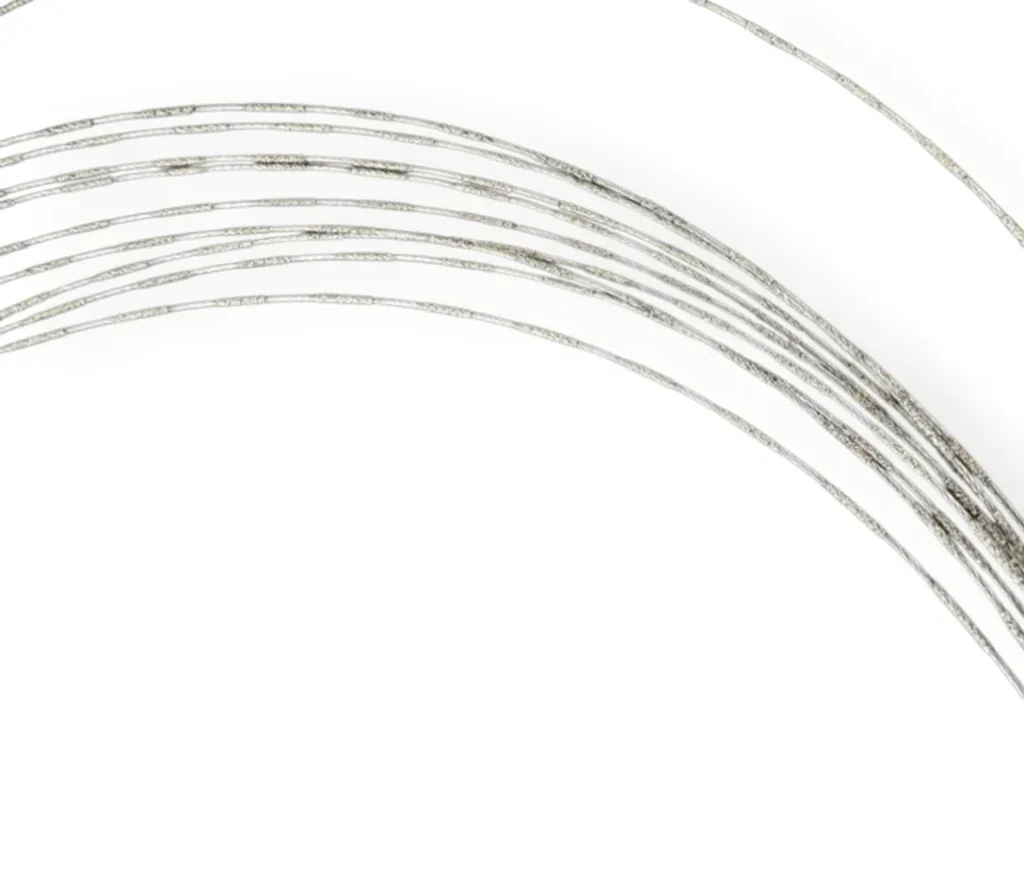
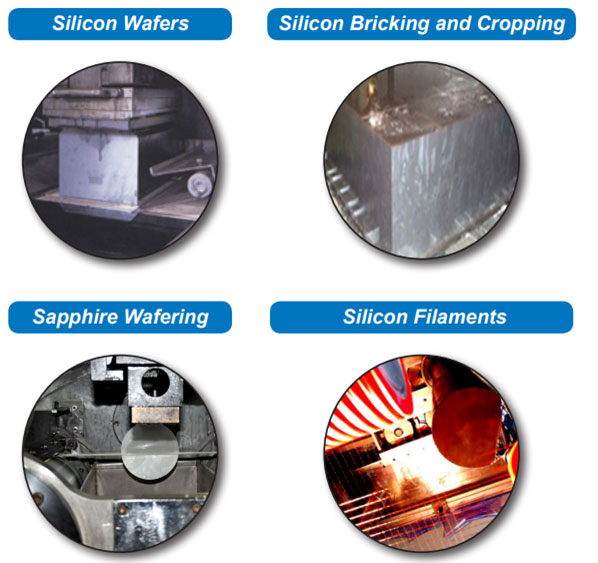
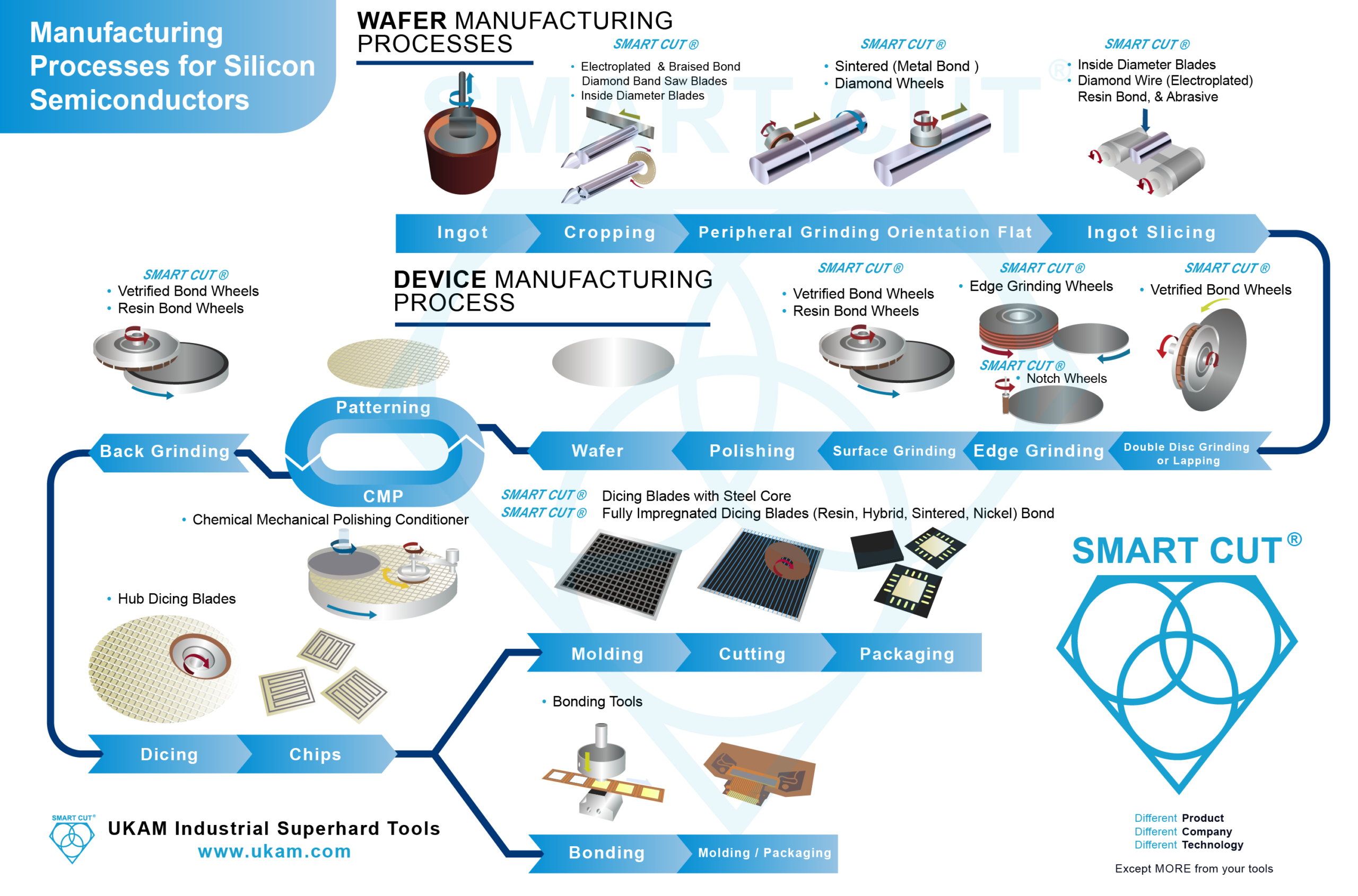
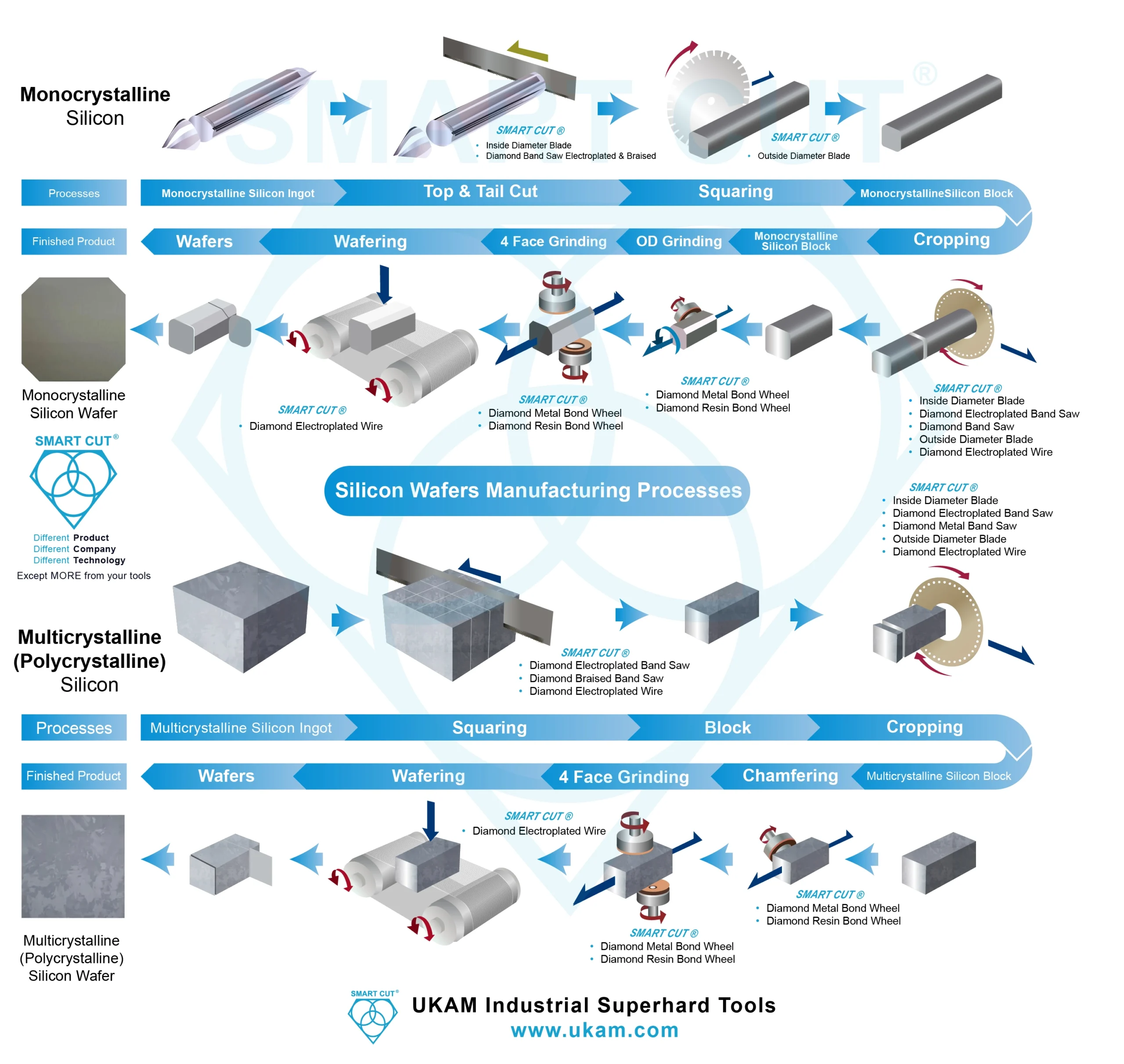
Because the wire is consumable, spool systems trade higher wire usage for the ability to cut materials that loop systems cannot accommodate, such as silicon ingots for photovoltaics, large stone slabs, ceramics, and advanced composites. Their design enables stable operation under high tension and extended lengths, making them a practical and scalable solution for industrial-scale applications.
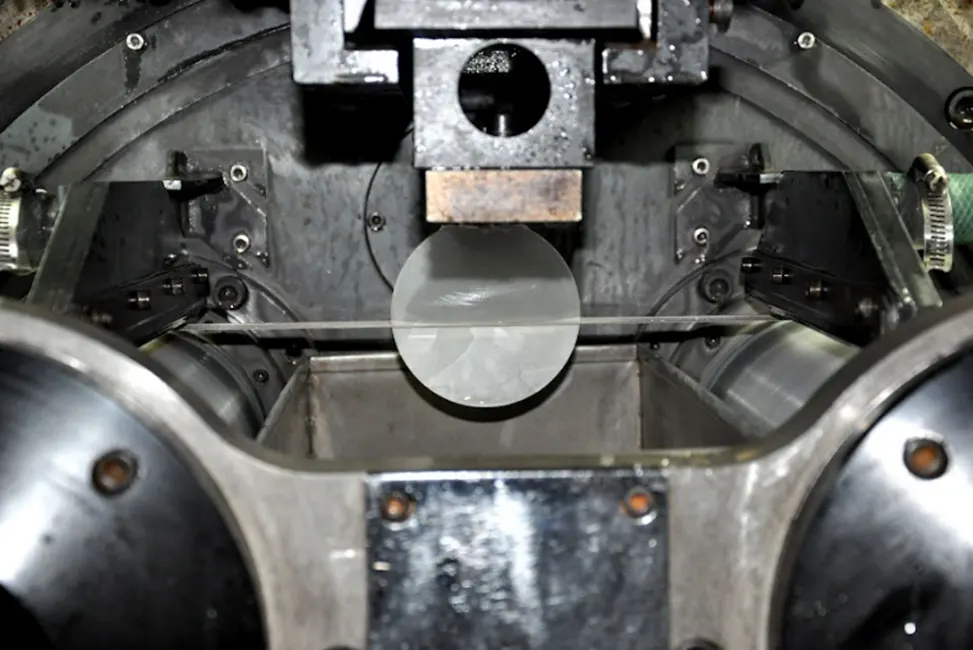
Another major advantage is process consistency. As the worn wire exits the cutting zone, a new section immediately takes over, eliminating interruptions and maintaining sharpness throughout the operation. This results in cleaner kerfs, reduced downtime, and improved throughput. Furthermore, spool systems are generally more cost-effective in terms of equipment investment when compared to closed-loop wire machines, even though operating costs are higher due to wire consumption.
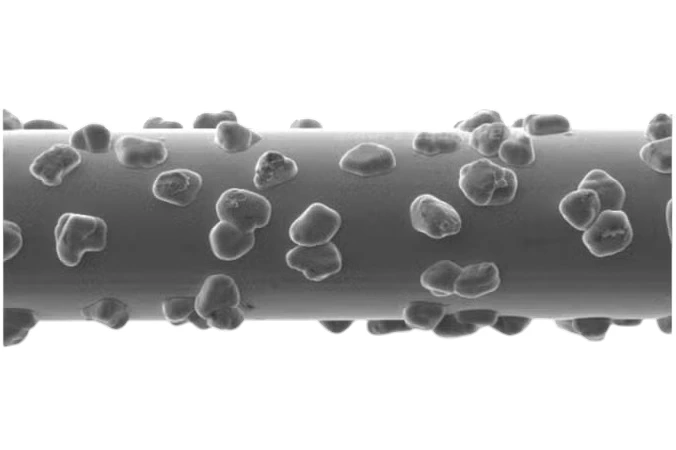
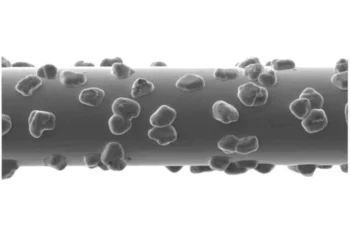
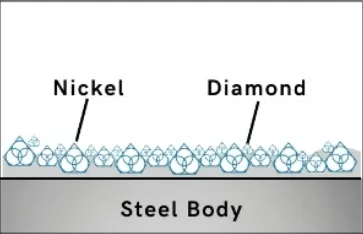
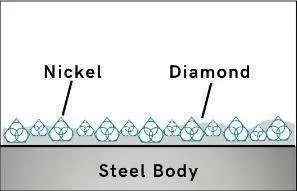
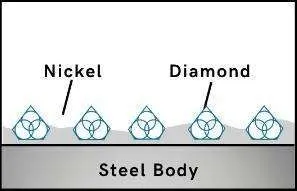
With their flexibility across multiple industries, ability to handle large-format materials, and compatibility with different bond types (electroplated for aggressive cuts, resin bond for smoother finishes, and slurry-based for legacy systems), Diamond Wire Spools remain one of the most reliable tools for manufacturers seeking to balance productivity with quality in demanding cutting operations.
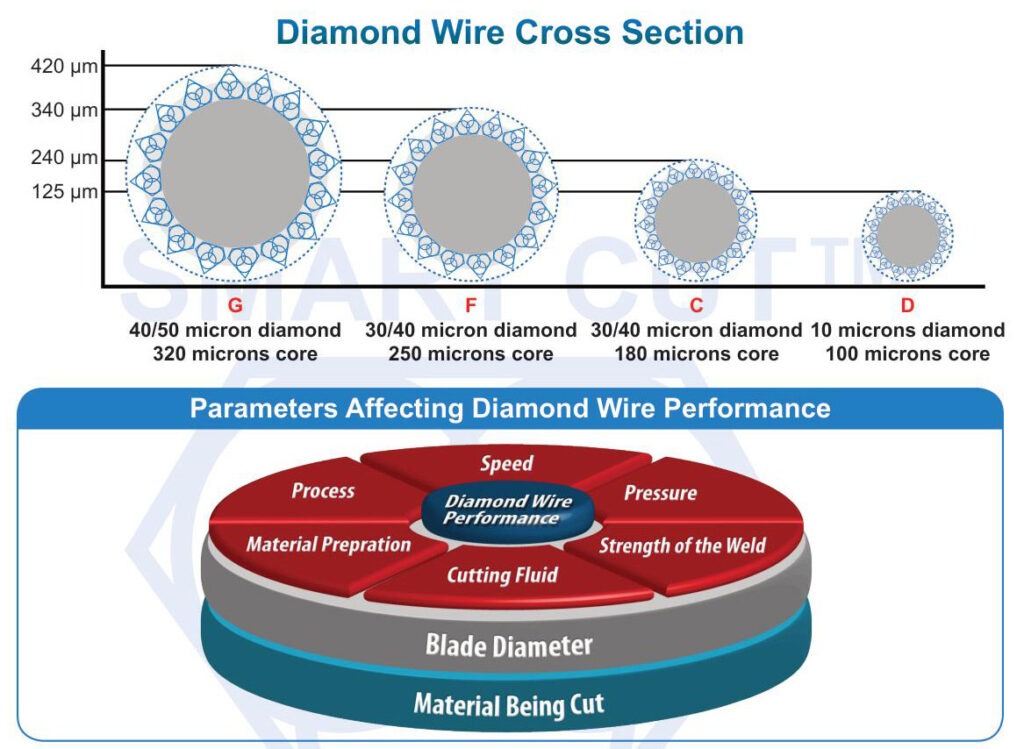
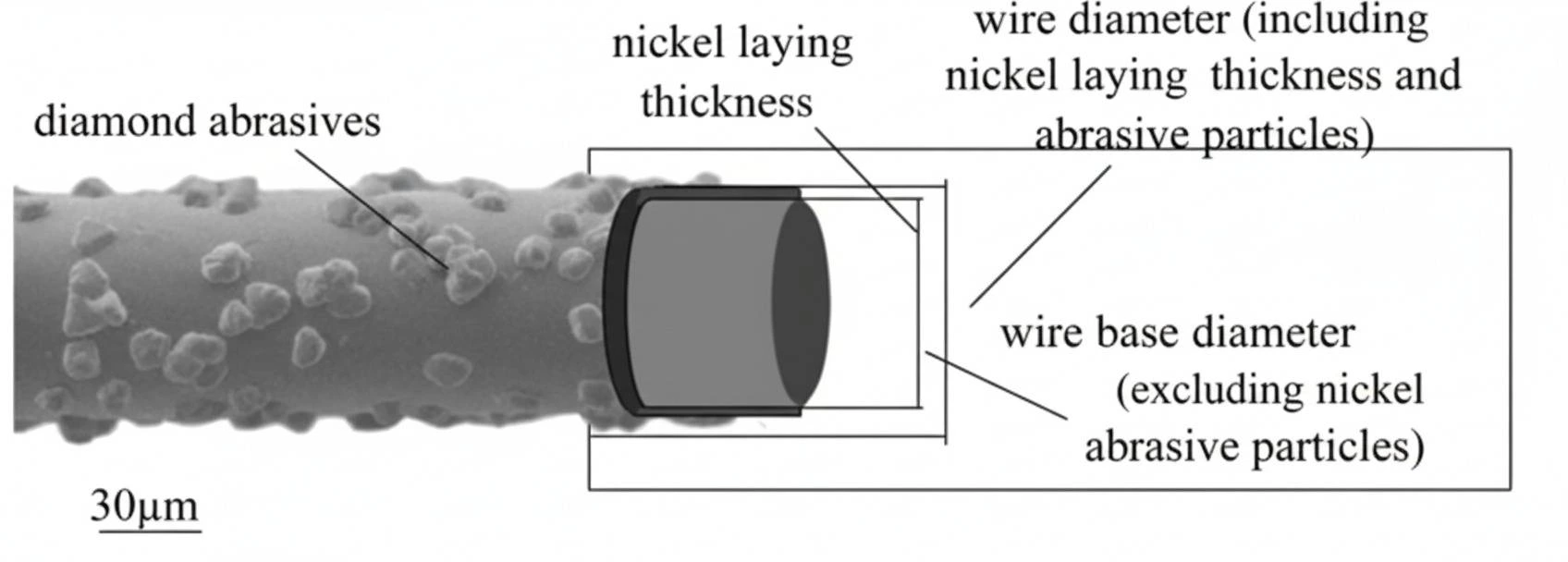
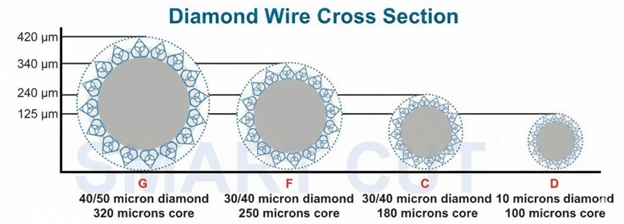
Wire Outer Diameter: 50–520 µm
Core Diameter: 40–400 µm
Diamond Grit Size: 5–50 µm
Tensile Strength: 6–320 N
Spool Lengths: 30–1000 m (custom lengths available)
Minimum Pulley Diameter: 40–250 mm