








Table of Contents
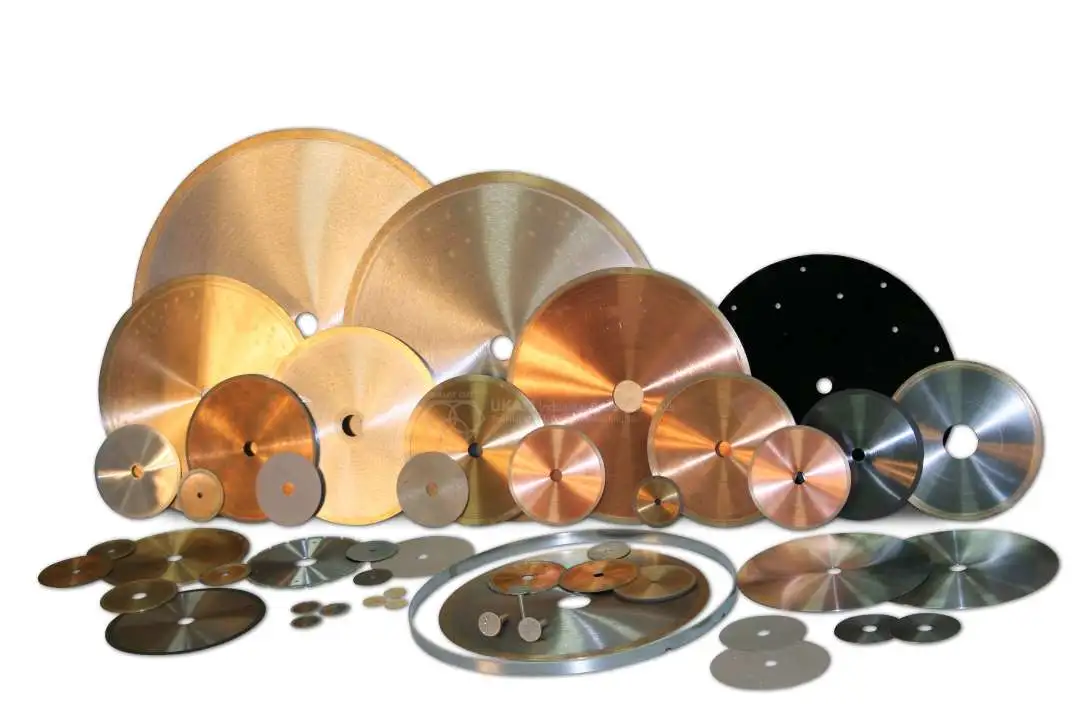
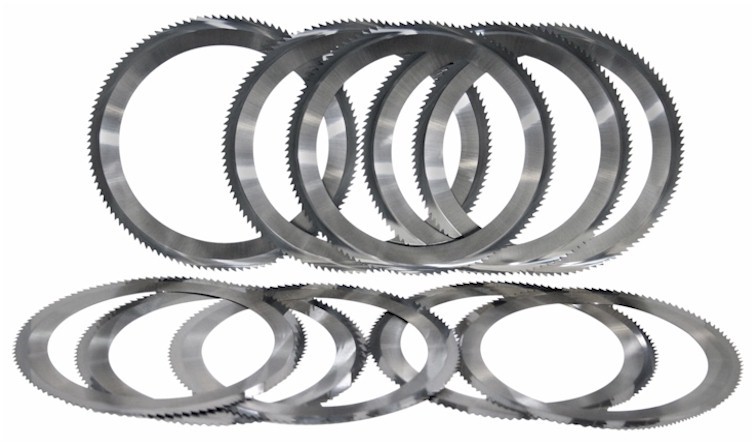
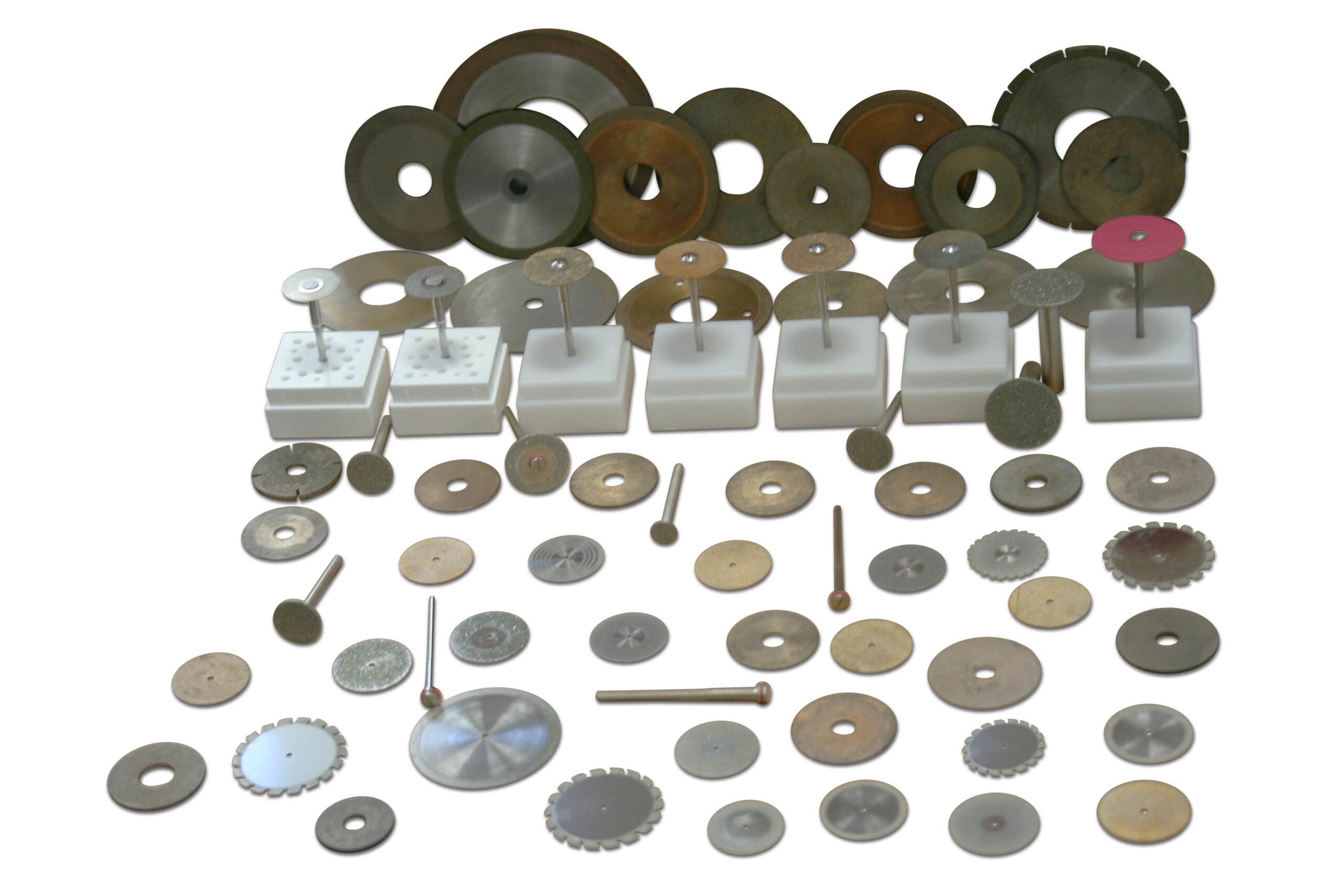
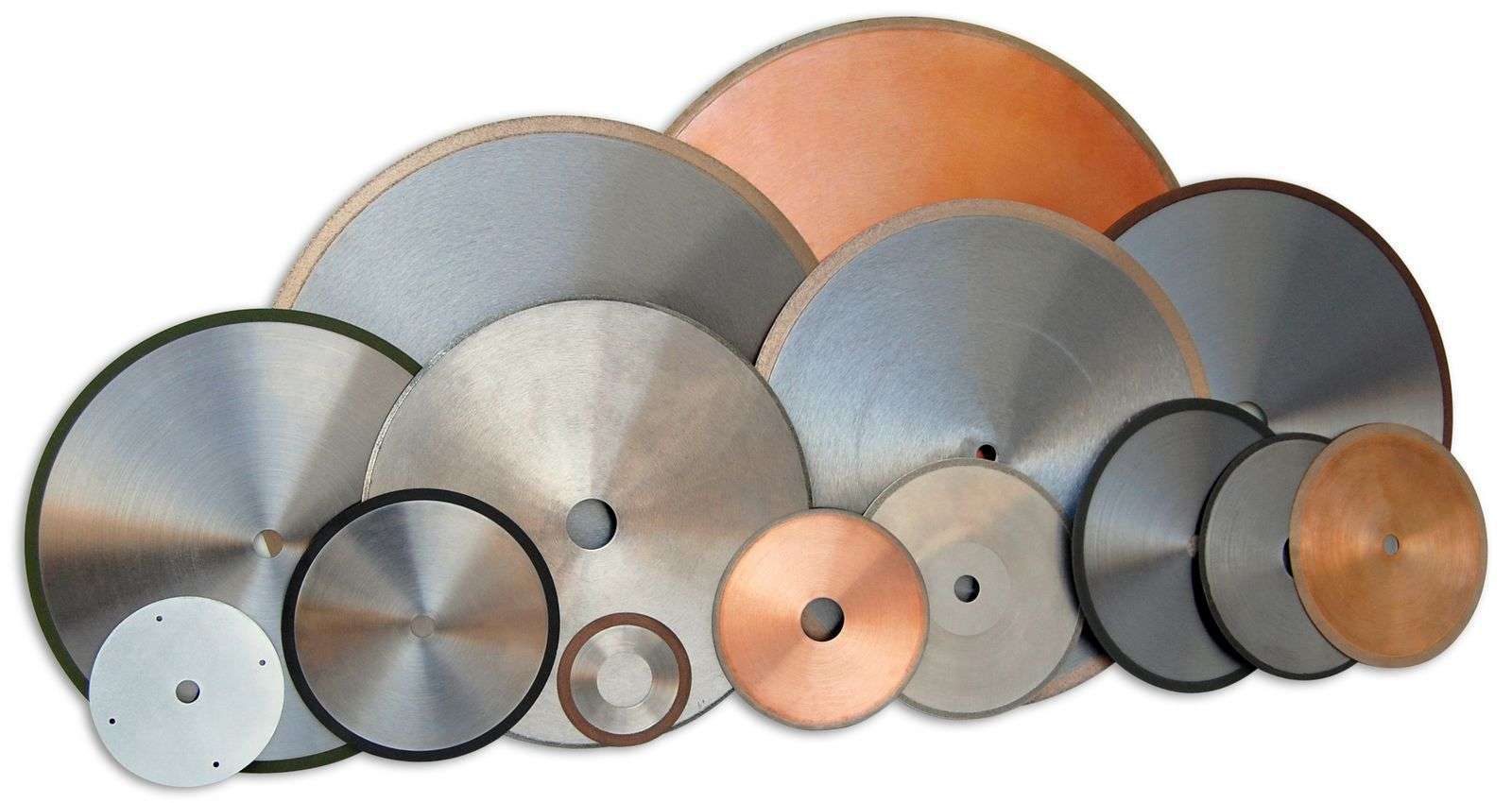
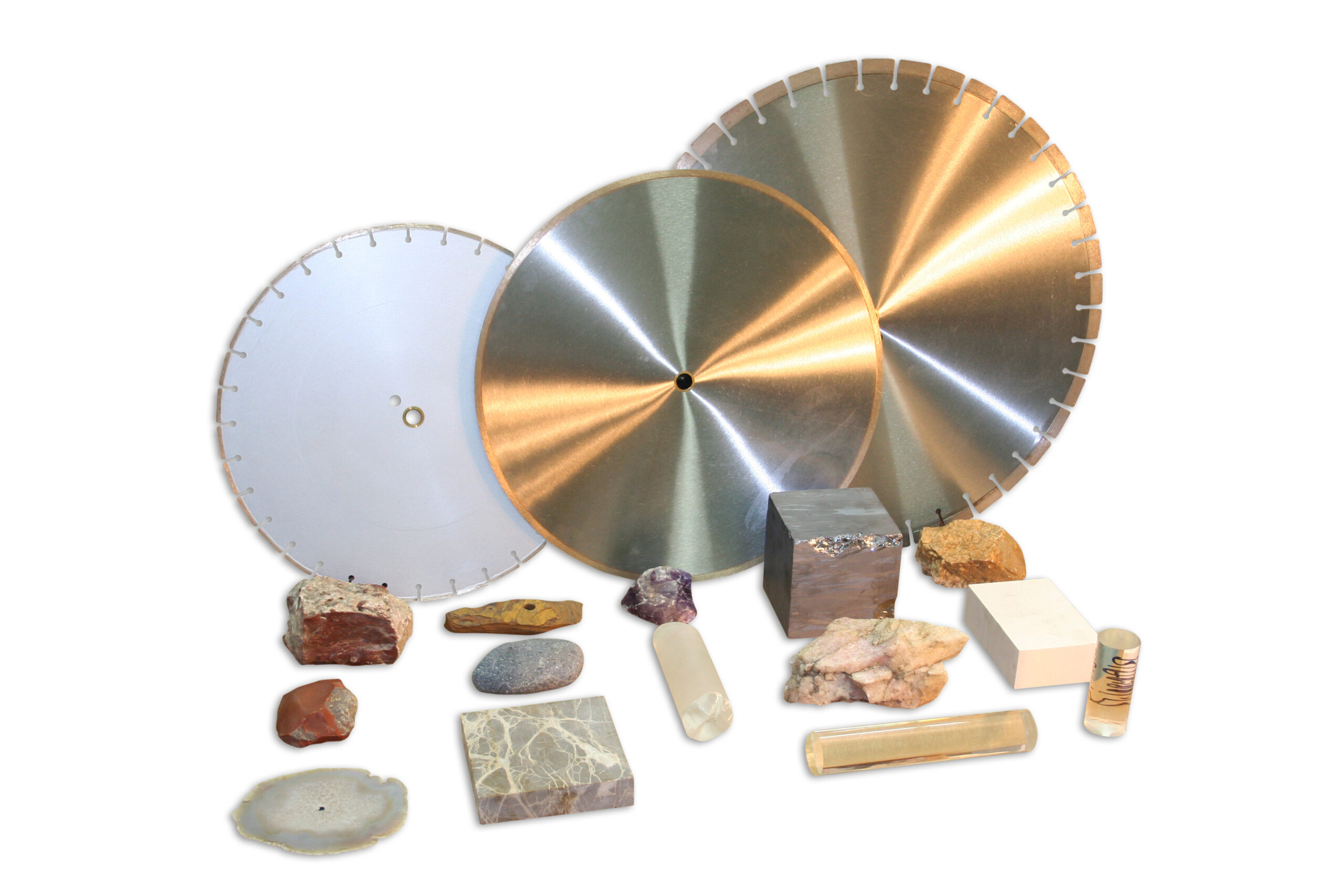
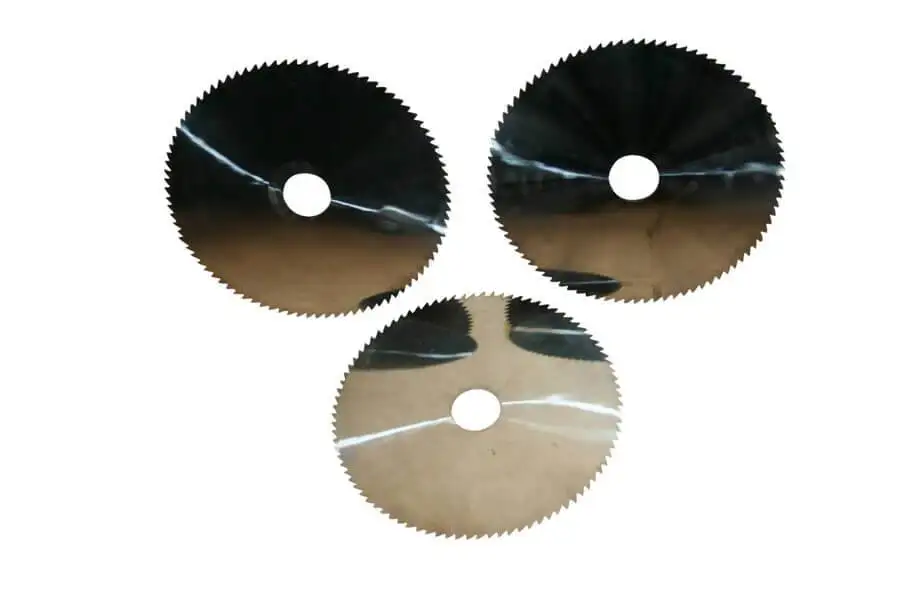
ToggleDiamond and CBN blades are available in an extensive array of varieties, each differing in bond types, manufacturing methods, and design specifics. Ultra Thin & High Precision Diamond Blades are particularly versatile, applicable in a wide range of processes including Slicing, Dicing, Wafering, Cut-off, Singulation, Grooving, Slotting, Cross Sectioning, Sample Preparation, Gang Sawing, Slabbing, and Rough Cutting. Understanding the nuanced differences between each blade type and their intended applications is important for users aiming to maximize the performance of their cutting operation.
Trusted by Tens of Thousands of Manufacturers, Laboratories,
Research Institutions Worldwide
Since 1990
Established in 1990
To assist users from novices to experienced manufacturing engineers, researchers, and professional craftsmen, this comprehensive guide has been written. This guide is designed to show the critical variables that influence the success of any diamond sawing operation. Each blade is tailored for specific applications and may perform differently under various conditions. What proves effective in one scenario may not work in another. Through this guide, users will gain essential insights to make informed selections, ensuring they choose the right diamond & cbn blade for their specific material and application on the first attempt.
How Diamond & CBN Cutting Blades/ Cutting Wheels Work?
SMART CUT® technology
SMART CUT® Difference
- More Consistent & Uniform Overall Performance
- Faster Machining Action
- Minimal Loss of Material
- Easier to Use
- Minimal Chipping
- Minimal Machining Noise
- Minimal Tool Dressing / Diamond Rexposure
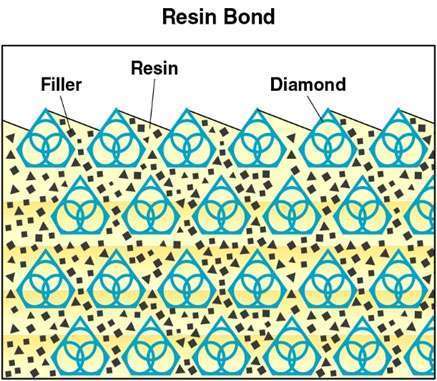
How SMART CUT ® Bond Works?
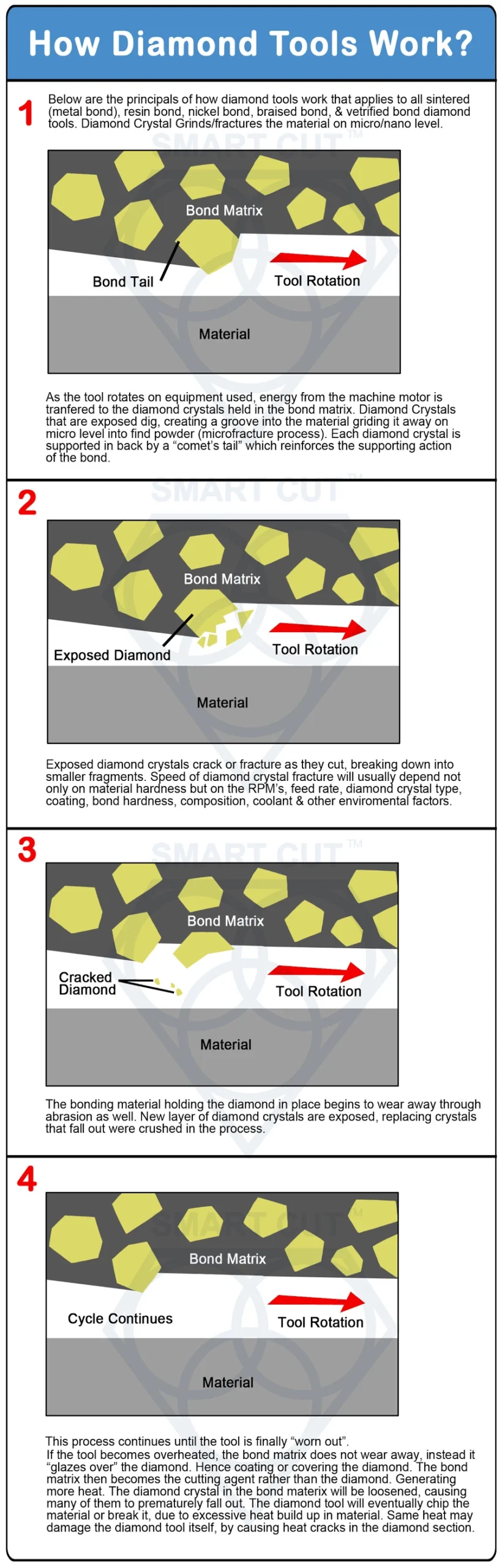
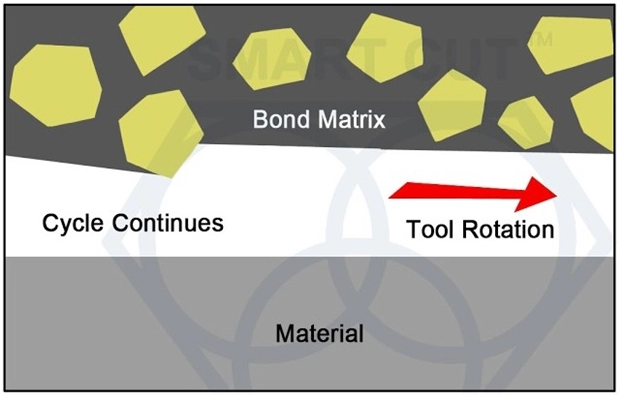
The sharpest and finest quality diamonds or CBN crystals that go into a SMART CUT® Diamond Bond, immediately penetrate into the material, grinding and polishing as they cut.

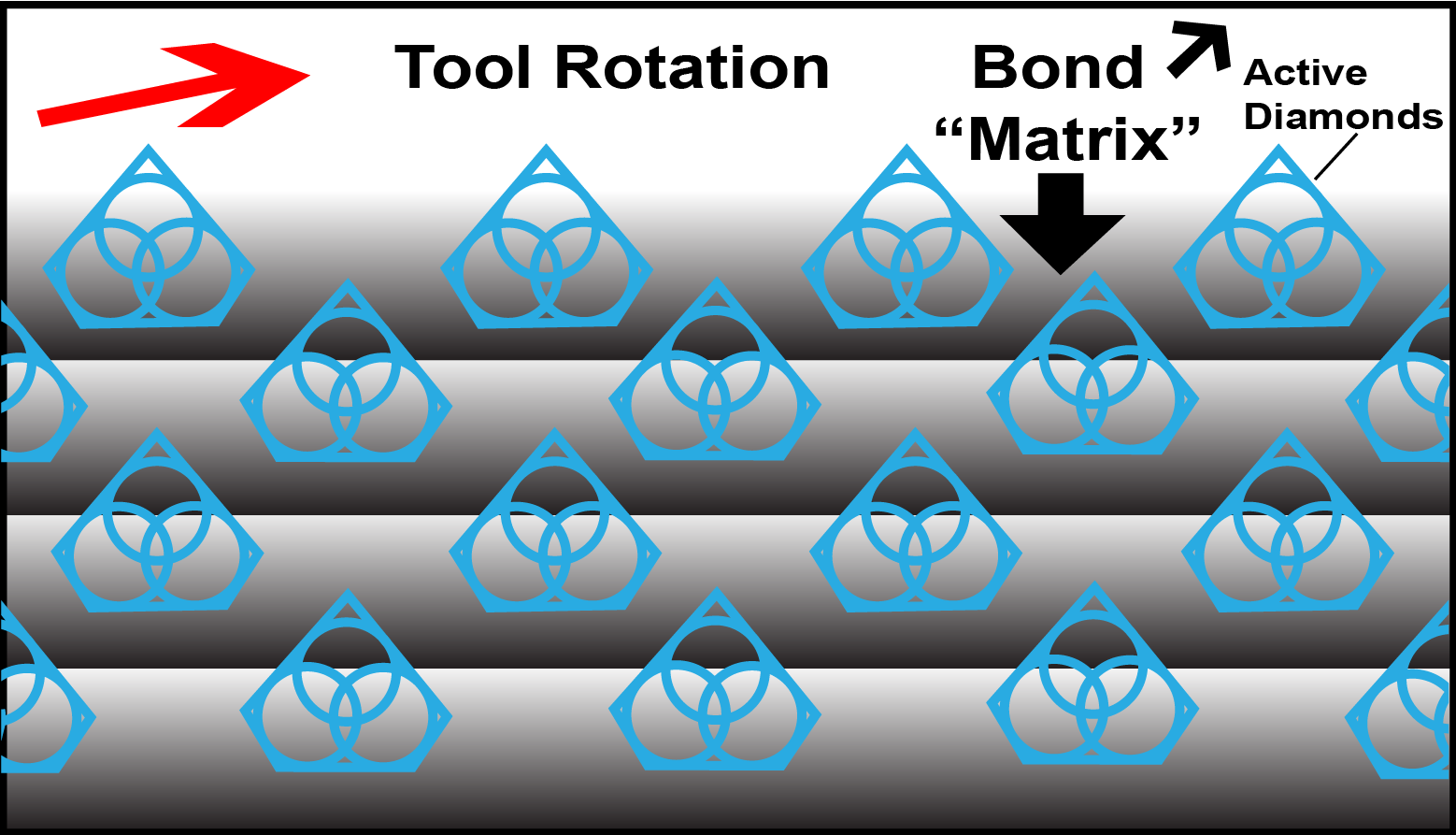
Diamonds or CBN Crystals are activated only at the exposed layer. As Bond Matrix layer begin to wear out, diamonds in a new Bond Matrix layer are immediately activated, substituting the already used up diamond layer. The SMART CUT® Bond Diamond Bond makes sure every diamond is in the right place and at the right time, working where you need it most.
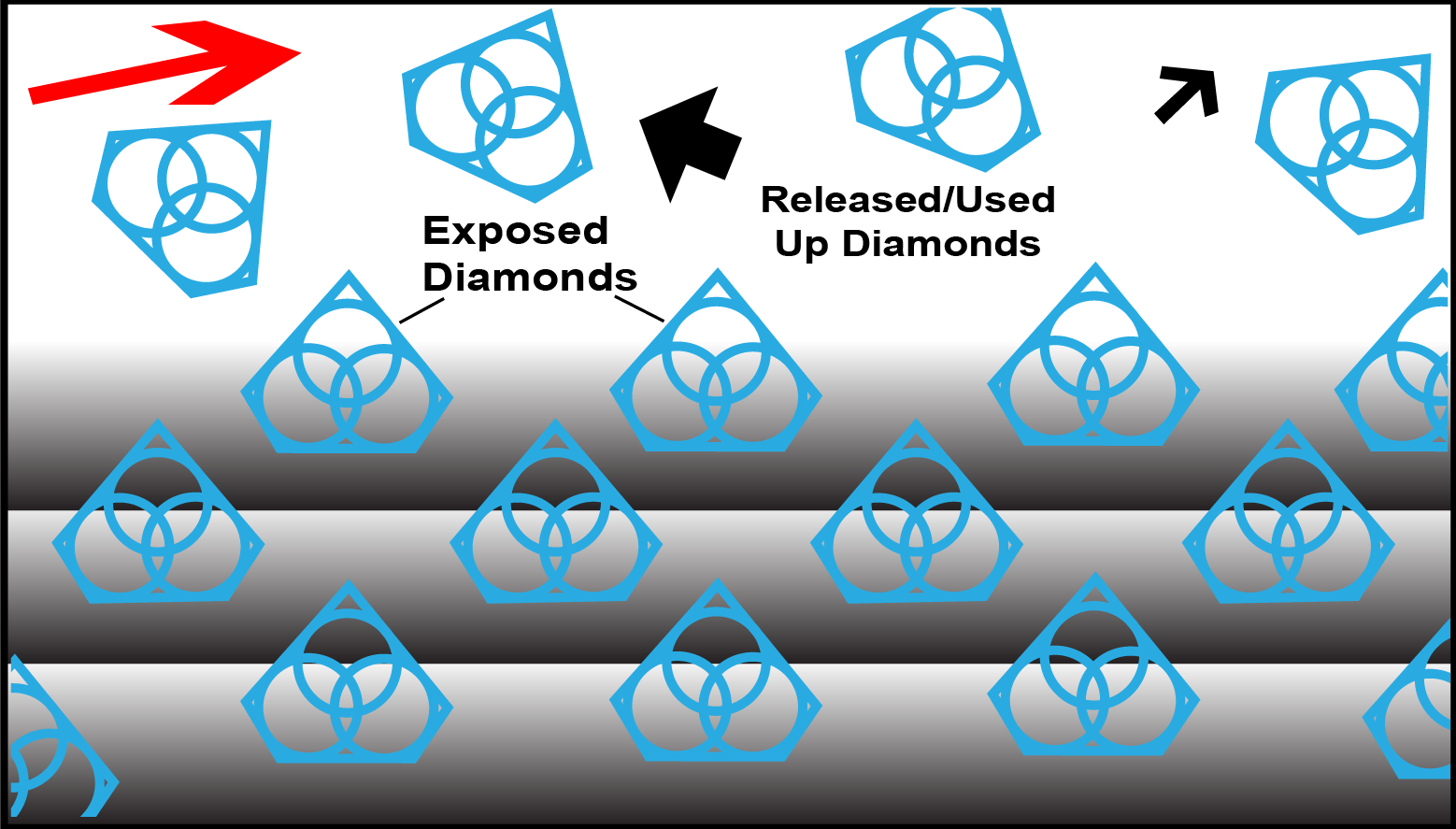
The newly exposed diamonds don't effect diamonds already working on the material. Unlike many other diamond bonds, diamonds in a SMART CUT® remains sharp and grow sharper with each cut, prolonging product life and consistent performance.
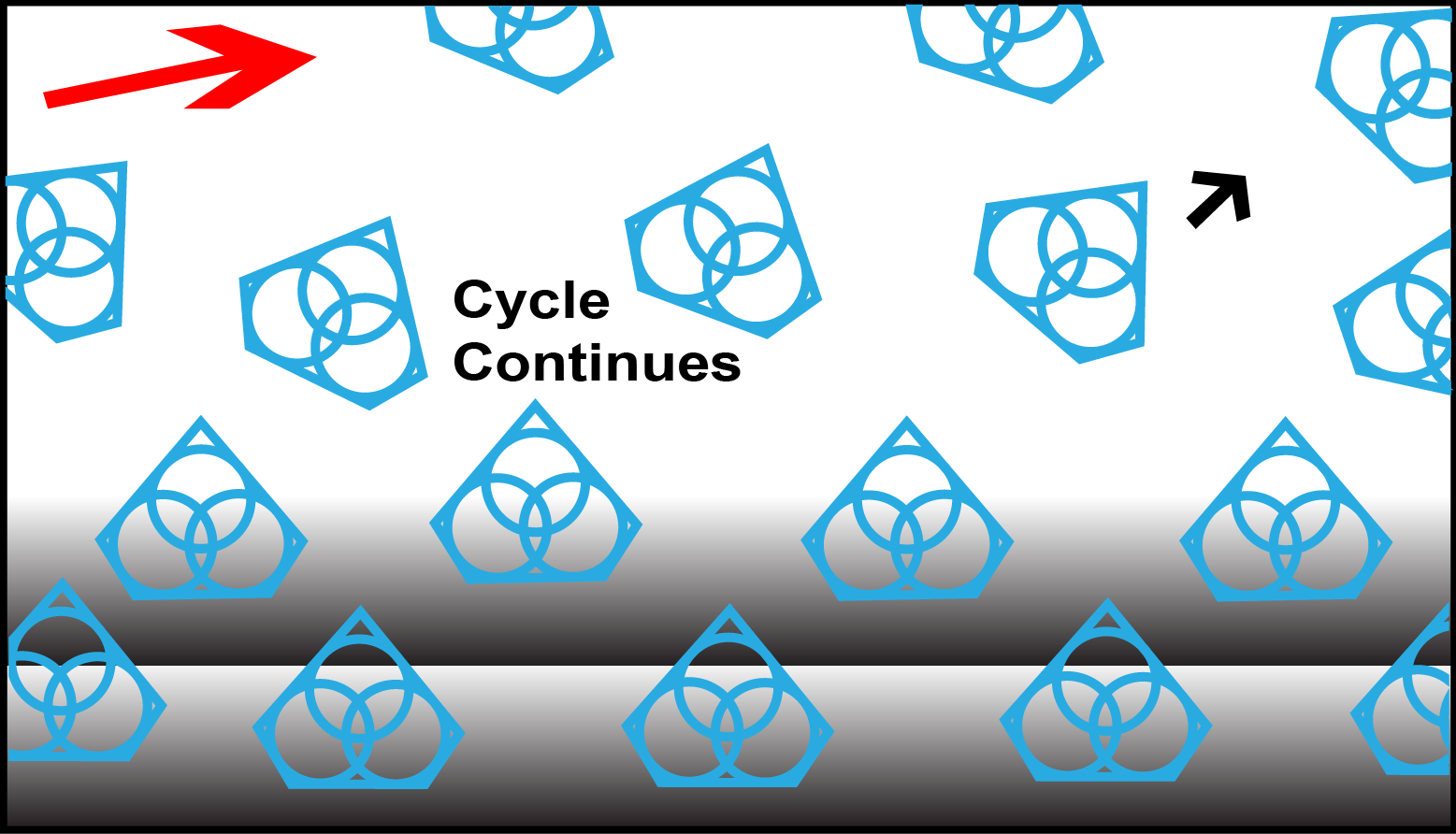
This advanced formulated open diamond bond design insures minimal chipping, fast cut, constant speed of cut, minimal cutting noise, and most important of all, consistent performance.
What is the Difference Between diamond & cbn cut-off blades, diamond & cbn cut-off wheels, diamond & cbn slicing blades, and diamond & cbn cutting blades
Different Types of Cutting Process that use Diamond & CBN Blades
Diamond & CBN Blades Specifications & Comparison to Other Blades Types
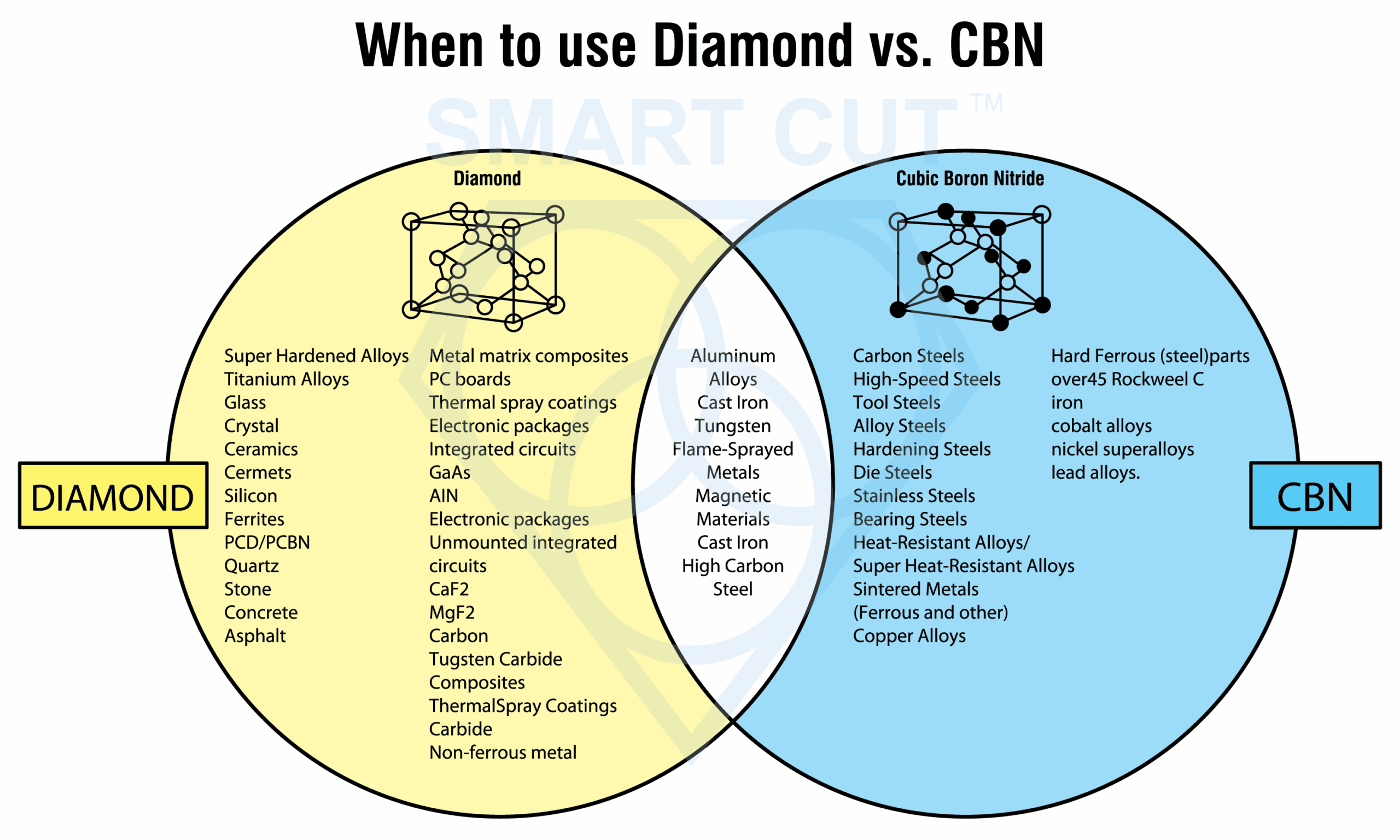
Diamond Blades
CBN Blades
Materials recommended for cutting with CBN:
Tungsten Carbide Blades
Abrasive Blades
High-Speed Steel Blades
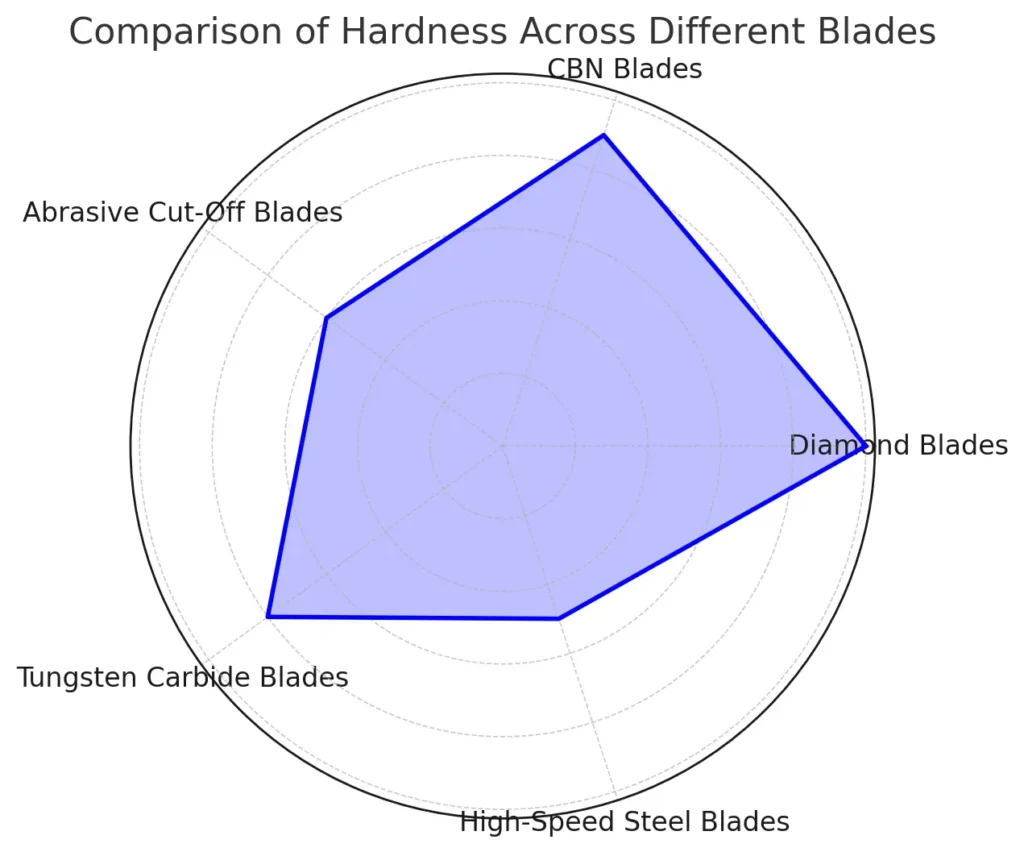
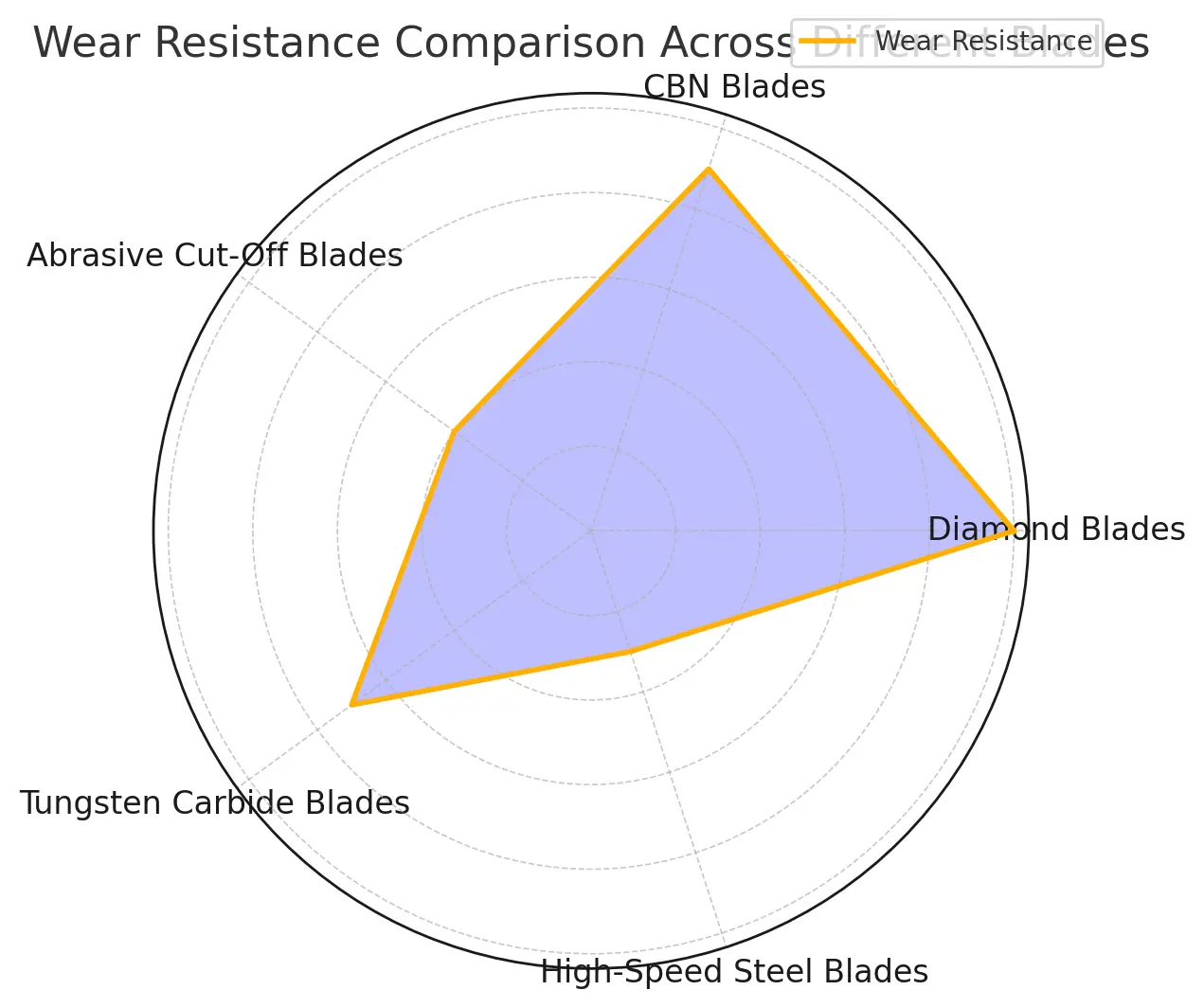
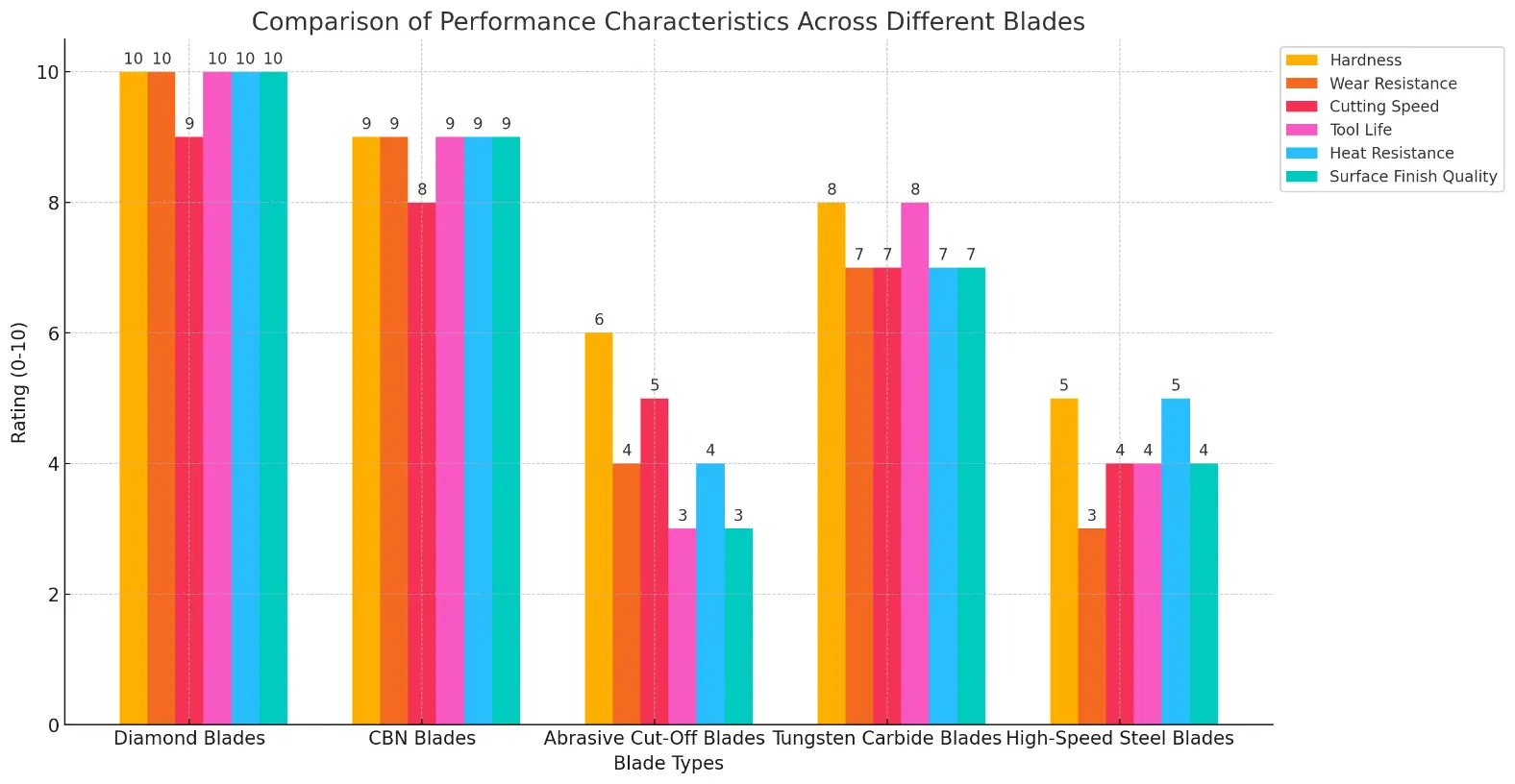
Diamond & CBN Blades Compared to Other Blade Types: Tungsten Carbide, Abrasive, & High Speed Steel
Advantages:
Comparison Table For Different Types of Cutting Blades
|
Parameter |
Diamond Blades |
CBN (Cubic Boron Nitride) Blades |
Abrasive Cut-Off Blades |
Tungsten Carbide Blades |
High-Speed Steel (HSS) Blades |
|---|---|---|---|---|---|
|
Material Composition |
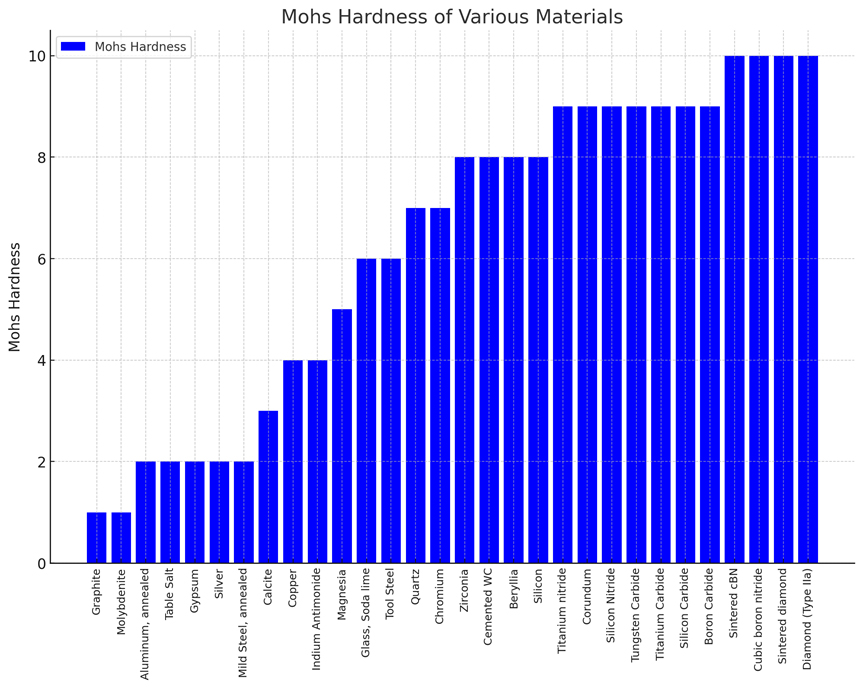
Made of diamond, the hardest naturally occurring material |
Made of cubic boron nitride, second hardest material |
Typically made from a composite of abrasive materials like aluminum oxide or silicon carbide |
Made of tungsten carbide, a very hard and dense material |
Made from high-speed steel, less hard than tungsten carbide |
|
Hardness |
Extremely hard, capable of cutting the hardest materials |
Very hard, suitable for cutting hard materials such as hardened steels and nickel-based alloys |
Hard, but tends to wear faster than diamond or CBN |
Very hard, suitable for cutting hard and abrasive materials |
Less hard, suitable for softer materials |
|
Wear Resistance |
Very high wear resistance, lasts longer than most other blades |
High wear resistance, though slightly less than diamond |
Lower wear resistance, requires more frequent replacement |
High wear resistance, but can be brittle |
Lower wear resistance, suitable for applications without extensive wear |
|
Cutting Speed |
Very high cutting speeds are possible |
High cutting speeds, slightly lower than diamond |
Moderate cutting speeds |
Moderate to high cutting speeds, depending on the material |
Lower cutting speeds compared to carbides and diamond |
|
Applications |
Ideal for cutting very hard materials like ceramics, glass, and stone |
Used for metals that are difficult to cut with other materials, including high-alloy steels |
Commonly used for cutting metals and materials that do not require a fine finish |
Often used in woodworking, metalworking for hard materials |
Used in general-purpose cutting applications on softer materials |
|
Cost |
Highest among the listed types |
High, generally lower than diamond but higher than most others |
Lowest among the listed types, making them cost-effective for many applications |
Higher than HSS but may approach diamond depending on the application |
Most cost-effective for a wide range of applications |
|
Finish Quality |
Provides a very smooth finish |
Provides a smooth finish, suitable for precision applications |
Generally provides a rougher finish compared to diamond or CBN |
Good finish, better than HSS but not as fine as diamond or CBN |
Provides a satisfactory finish, not suitable for precision cuts |
|
Heat Resistance |
Excellent heat resistance, does not degrade quickly |
Excellent heat resistance |
Moderate heat resistance, may degrade under high temperatures |
Good heat resistance |
Moderate heat resistance, can lose temper at higher temperatures |
|
Flexibility in Use |
Less flexible, primarily used for specific high-hardness applications |
Less flexible, best used for specific metal-cutting applications |
More flexible, used widely in various cutting operations |
More flexible than diamond, used in a variety of cutting operations |
Highly flexible, used in a wide range of applications |
|
Tool Life |
Longest, due to high durability and wear resistance |
Long, but generally shorter than diamond |
Shorter than diamond, CBN, and carbide blades due to higher wear rate |
Longer than HSS, depending on usage |
Shorter compared to diamond and carbide, varies widely based on application |
|
Compatibility with Coolants |
Generally high, as coolants can help reduce the risk of thermal damage |
Generally high, especially necessary when cutting hard metals |
Moderate, depends on the specific abrasive material used |
High, as coolants help prevent overheating and extend blade life |
Moderate, especially beneficial in extending tool life and improving cuts |
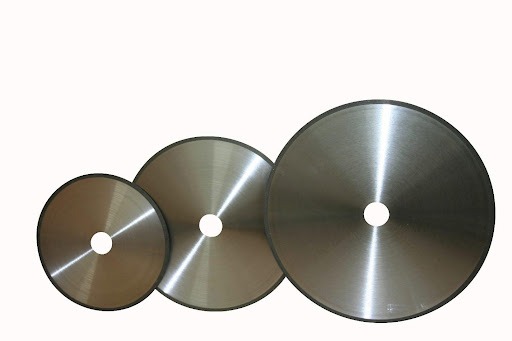
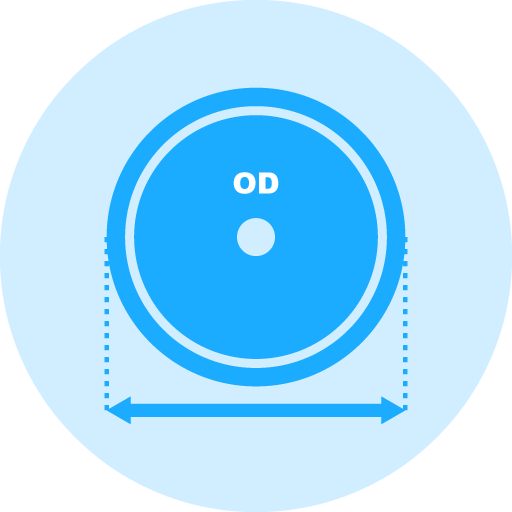
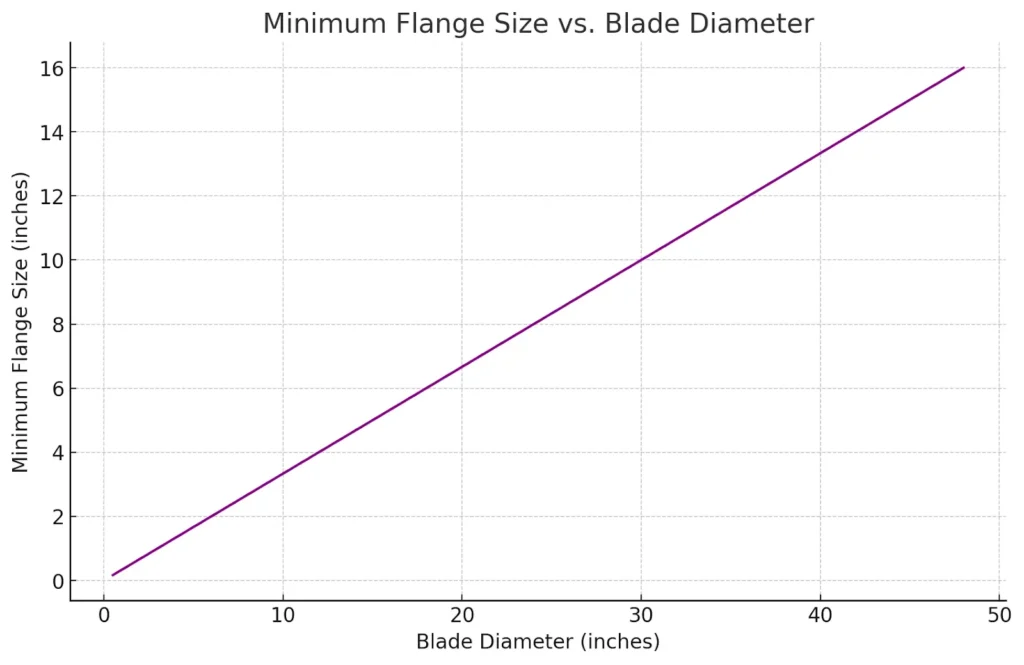
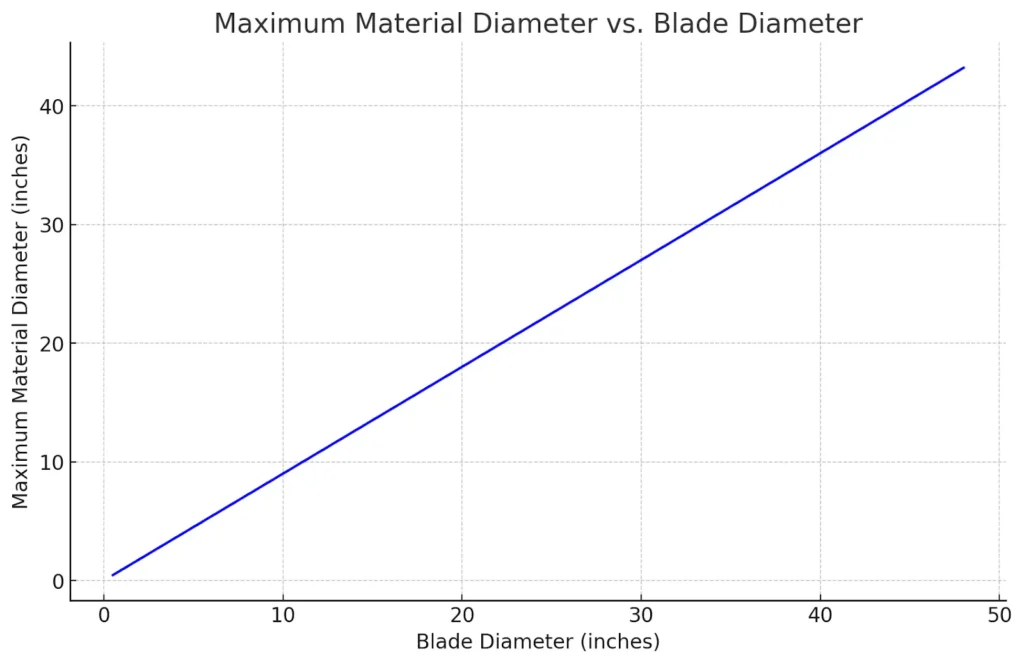
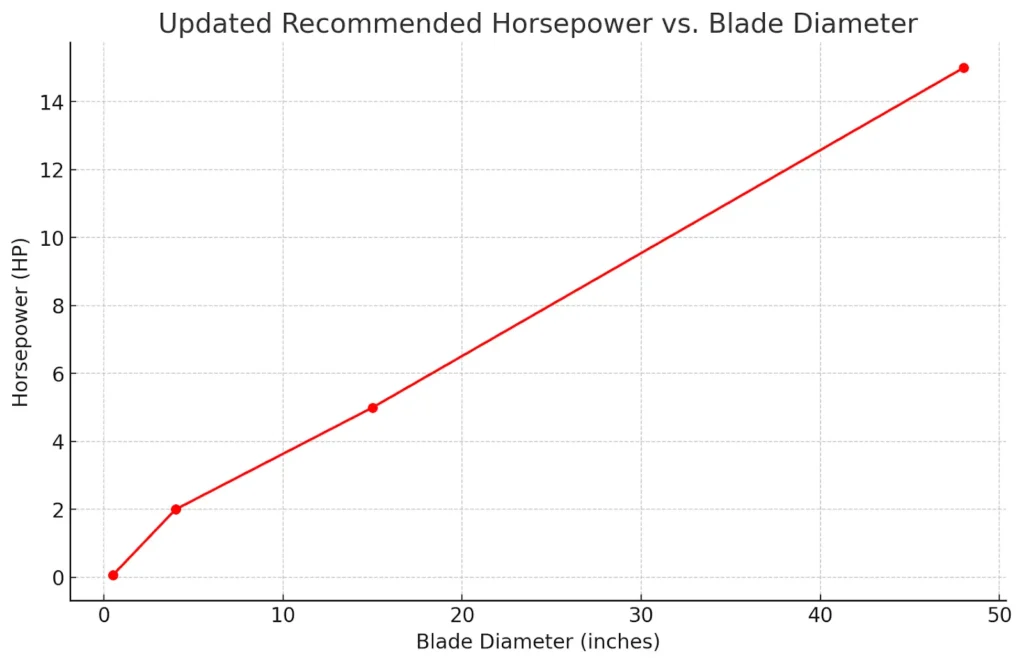
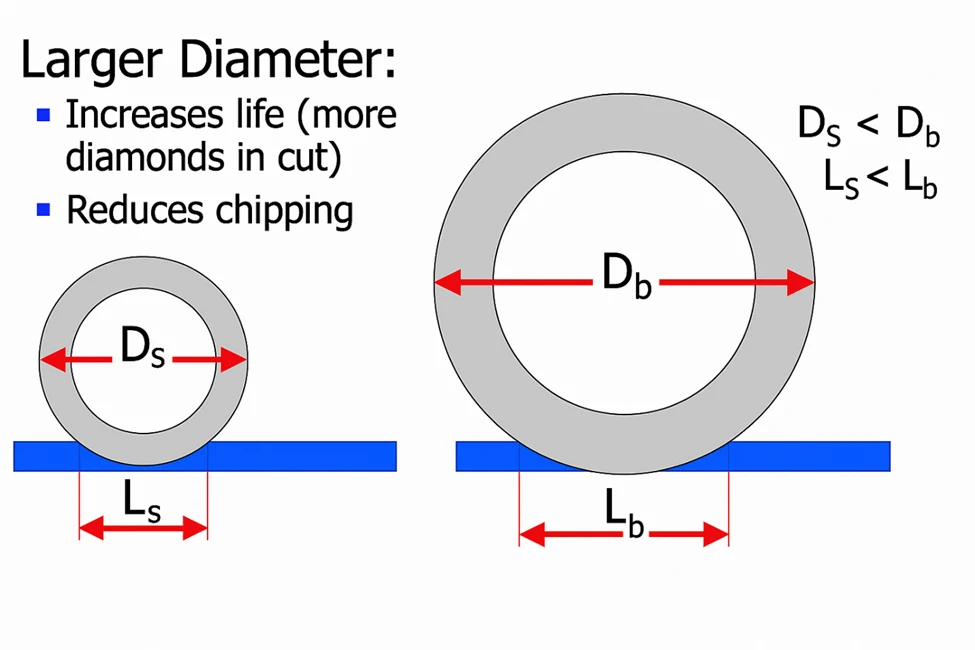
Blade Outside Diameter
Smaller Diamond & CBN Blade Diameters
Medium Diamond & CBN Blade Diameters
Large Diamond & CBN Blade Diameters
|
Blade Diameter Category |
Typical Applications |
Key Performance Factors |
Machine Compatibility |
Stability Considerations |
Wear Characteristics |
|---|---|---|---|---|---|
|
Small (0.5" to 4") |
Microelectronics, advanced ceramics, precision optics |
High precision, minimal material waste |
Used on dicing saws, handheld tools (e.g., Dremel) |
High stability, minimal vibration |
Faster wear due to concentrated area |
|
Medium (4" to 14") |
Automotive, aerospace, general manufacturing |
Balance between cutting capacity and precision |
Compatible with a wide range of industrial machines |
Moderate stability, suited for deeper cuts |
Moderate wear, balance between precision and durability |
|
Large (16" to 48") |
Stone, construction, mining, glass, semiconductor |
Deep cutting capability, high surface speed |
Requires powerful machines with large spindles |
Prone to vibration and instability, especially if thin relative to diameter |
Wear distributed over a larger area, potential for extended lifespan |
Inside Diameter (Arbor Size)
|
Arbor Size Category |
Typical Applications |
Stability & Safety |
Compatibility & Installation |
Impact on Blade Attributes |
|---|---|---|---|---|
|
Small (5/8", 1") |
Tile saws, masonry saws, trim saws, handheld saws, benchtop machines |
High precision, minimal vibration, increased safety risks if mismatched |
Easily compatible with portable and lighter-duty machines, quick mounting and removal |
Suited for smaller, thinner blades requiring precision |
|
Medium (1.25", 32mm) |
General industrial machines, such as some grinders and medium-duty saws |
Moderate stability, essential for medium-scale operations |
Requires tools with appropriate spindle size, straightforward blade changes |
Adequate for medium blades, balancing support and flexibility |
|
Large (2" and beyond) |
Heavy-duty equipment like large surface grinders, abrasive cut off saws |
Enhanced stability necessary for handling larger forces, reduces vibration significantly |
Needs heavy-duty machines with large spindle capacities, may complicate blade changes |
Essential for large blades with thick segments, supports high-speed operations |
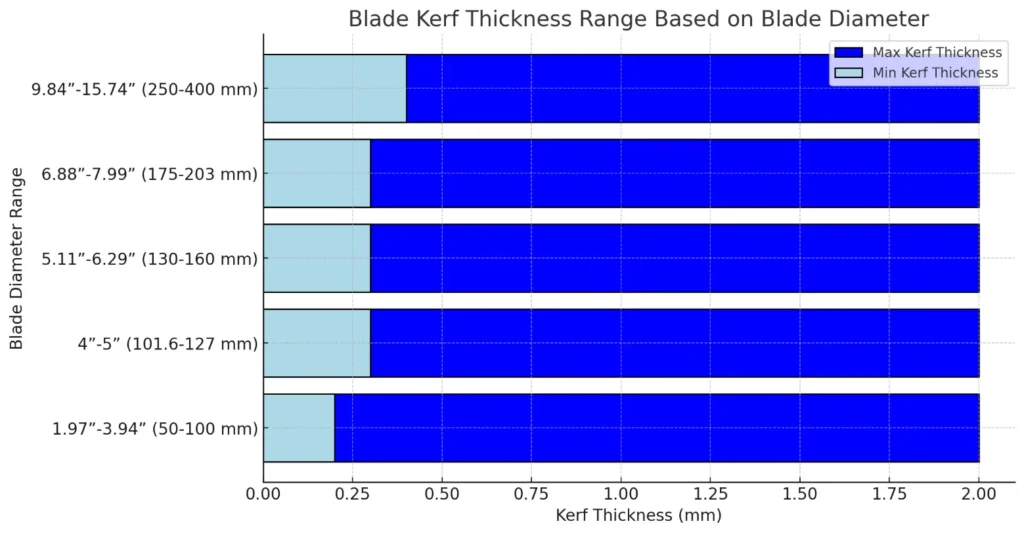
Diamond & CBN Kerf Thickness
|
Attribute/Variable |
Correlation to Kerf Thickness |
|---|---|
|
Blade Diameter |
Larger blade diameters generally require thicker kerf to maintain stability and prevent deflection. |
|
Material Hardness |
Harder materials may necessitate thicker kerfs to reduce blade flexing and ensure a clean cut. |
|
Material Thickness |
Thicker materials often benefit from a thicker kerf to handle the increased load and maintain cutting accuracy. |
|
Cutting Speed |
Higher cutting speeds can be supported by thicker kerf blades, which provide greater stability and durability. |
|
Feed Rate |
Higher feed rates may require thicker kerfs to withstand the increased force and prevent blade deflection or breakage. |
|
Material Density |
Dense materials can exert more pressure on the blade, so a thicker kerf may be needed to handle the load effectively. |
|
Material Shape |
Irregular or complex shapes might require a thicker kerf for added stability during cutting to avoid deflection or error. |
|
Operator Skill Level |
Less experienced operators benefit from thicker kerfs, which are more forgiving to operator error and reduce the risk of blade damage. |
|
Application Precision |
High-precision applications often use thinner kerfs to minimize material loss and achieve finer cuts. |
|
Blade Rigidity |
Thicker blades, with thicker kerfs, provide greater rigidity, reducing the risk of wobbling or bending during cutting. |
|
Cut Quality |
Thicker kerfs can produce rougher cuts, while thinner kerfs typically offer finer, more precise finishes. |
|
Material Cost |
Expensive materials may favor thinner kerfs to reduce waste, while more affordable materials might tolerate thicker kerfs. |
|
Blade Wear Rate |
Thicker kerf blades distribute wear over a larger surface area, potentially extending blade life compared to thinner kerfs. |
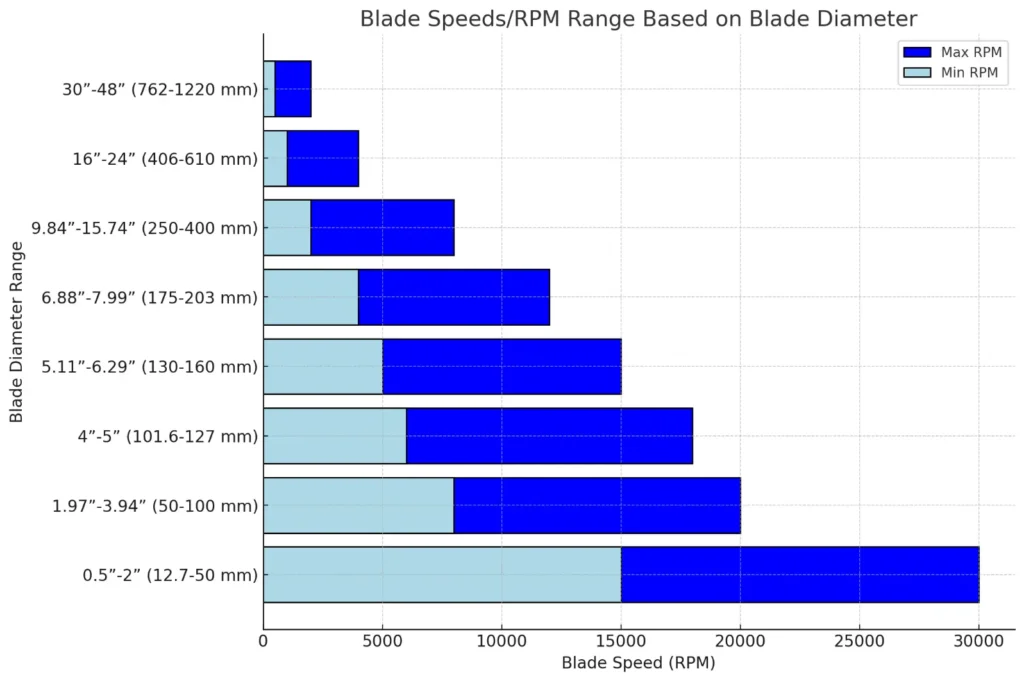
Diamond & CBN Blade RPM’s
Variables that influence the RPMs of diamond and CBN blades and their correlation:
|
Attribute/Variable |
Correlation to Blade RPMs |
|---|---|
|
Blade Diameter |
Larger blade diameters require lower RPMs to maintain optimal surface speed and prevent overheating and wear. |
|
Material Type and Hardness |
Harder materials require lower RPMs to avoid overheating and excessive wear on the blade. Softer materials can be cut at higher RPMs. |
|
Material Thickness and Density |
Thicker and denser materials generally require lower RPMs to ensure effective cutting and to avoid overloading the blade. |
|
Desired Cut Quality |
Higher cut quality often necessitates lower RPMs to ensure precise, smooth finishes and to avoid chipping or rough edges. |
|
Blade Bond Type |
Blades with harder bonds can typically handle higher RPMs, while softer bonds may require lower speeds to prevent rapid wear. |
|
Blade Segment Design |
Specialized segment designs may allow for higher RPMs by improving cooling and reducing wear, while standard designs may need lower RPMs. |
|
Machine Power/Capability |
Machines with higher horsepower can maintain higher RPMs under load, but RPMs should still be matched to blade and material specifications. |
|
Coolant Use |
Effective use of coolant allows for higher RPMs by reducing friction and heat buildup, thus protecting both the blade and material. |
|
Operator Skill Level |
Less experienced operators may need to use lower RPMs to maintain control, while skilled operators can safely use higher RPMs. |
|
Heat Sensitivity of Material |
Materials that are sensitive to heat require lower RPMs to prevent thermal damage, even if the material itself is soft or easy to cut. |
Diamond & CBN Blade Tolerances
Table that outlines the correlation between various tolerances for diamond and CBN blades:
|
Tolerance Type |
Influence on Blade Performance |
Correlation with Other Tolerances |
|---|---|---|
|
Outside Diameter (OD) |
Affects cutting depth, stability, and surface speed. Precise OD ensures proper fit in the machine and accurate cutting. |
Correlates with kerf thickness and edge runout. Variations in OD can lead to inconsistent kerf thickness and increase the likelihood of edge runout, impacting overall cut quality and blade balance. |
|
Inside Diameter (Arbor Hole) |
Ensures a secure fit on the spindle, reducing vibration and maintaining cutting accuracy. |
Directly correlates with concentricity. An incorrect inside diameter can cause poor concentricity, leading to imbalance, vibration, and uneven wear on the blade. |
|
Kerf Thickness |
Controls material removal, cut quality, and blade stability. Precision in kerf thickness is crucial for minimizing waste and achieving desired cut width. |
Correlates with OD and flatness. Variations in kerf thickness can affect flatness and edge runout, potentially causing the blade to wobble or cut unevenly, leading to poor cut quality and increased material waste. |
|
Kerf Relief |
Reduces friction, heat generation, and prevents warping. Proper kerf relief maintains blade efficiency in high-speed operations. |
Correlates with blade flatness and edge runout. Inconsistent kerf relief can lead to uneven heat distribution, affecting flatness and increasing the risk of runout, which compromises the blade’s cutting accuracy. |
|
Flatness |
Ensures the blade remains stable and cuts evenly without wobbling. Flatness is critical for high-precision applications. |
Directly affects kerf thickness and edge runout. Poor flatness can cause variations in kerf thickness and increase edge runout, leading to irregular cuts and reduced blade life. |
|
Concentricity |
Keeps the blade centered relative to the arbor hole, reducing vibration and improving balance during cutting. |
Correlates with inside diameter and edge runout. Poor concentricity, often due to incorrect inside diameter, increases runout and vibration, leading to imprecise cuts and potential damage to the blade and machine. |
|
Edge Runout |
Minimizes wobble during rotation, ensuring smooth and accurate cuts. |
Affected by OD, kerf thickness, flatness, and concentricity. High edge runout can cause irregular cuts, excessive wear, and potential blade failure, especially at high speeds. |
|
Segment Height |
Ensures even wear and consistent cutting performance in segmented blades. |
Correlates with OD and flatness. Uneven segment height can affect blade balance and stability, leading to variations in kerf thickness and reduced cutting efficiency. |
Diamond & CBN Blade Edge Types
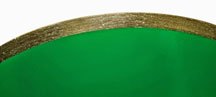
Continuous Rim
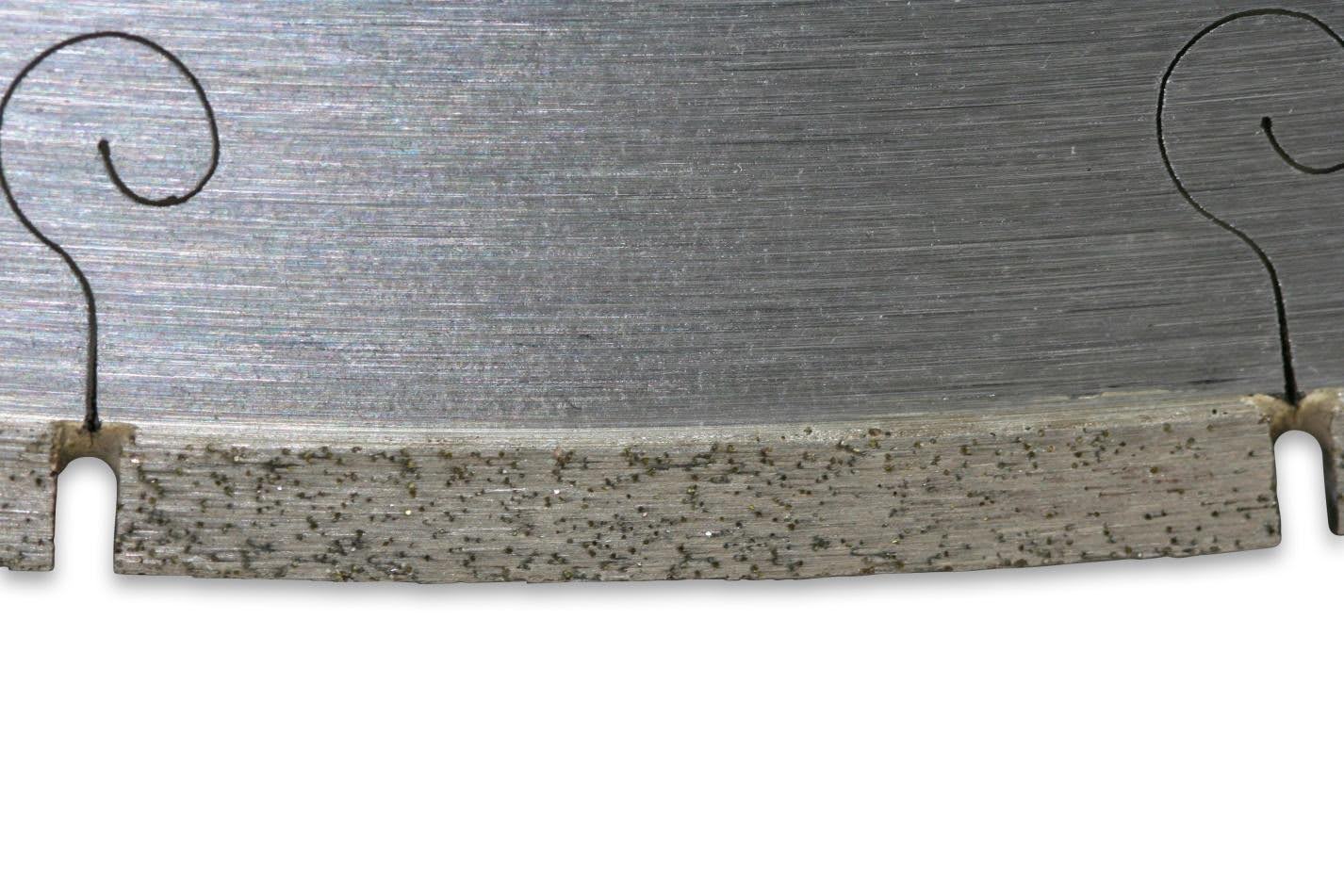
Slotted
Segmented
Serrated
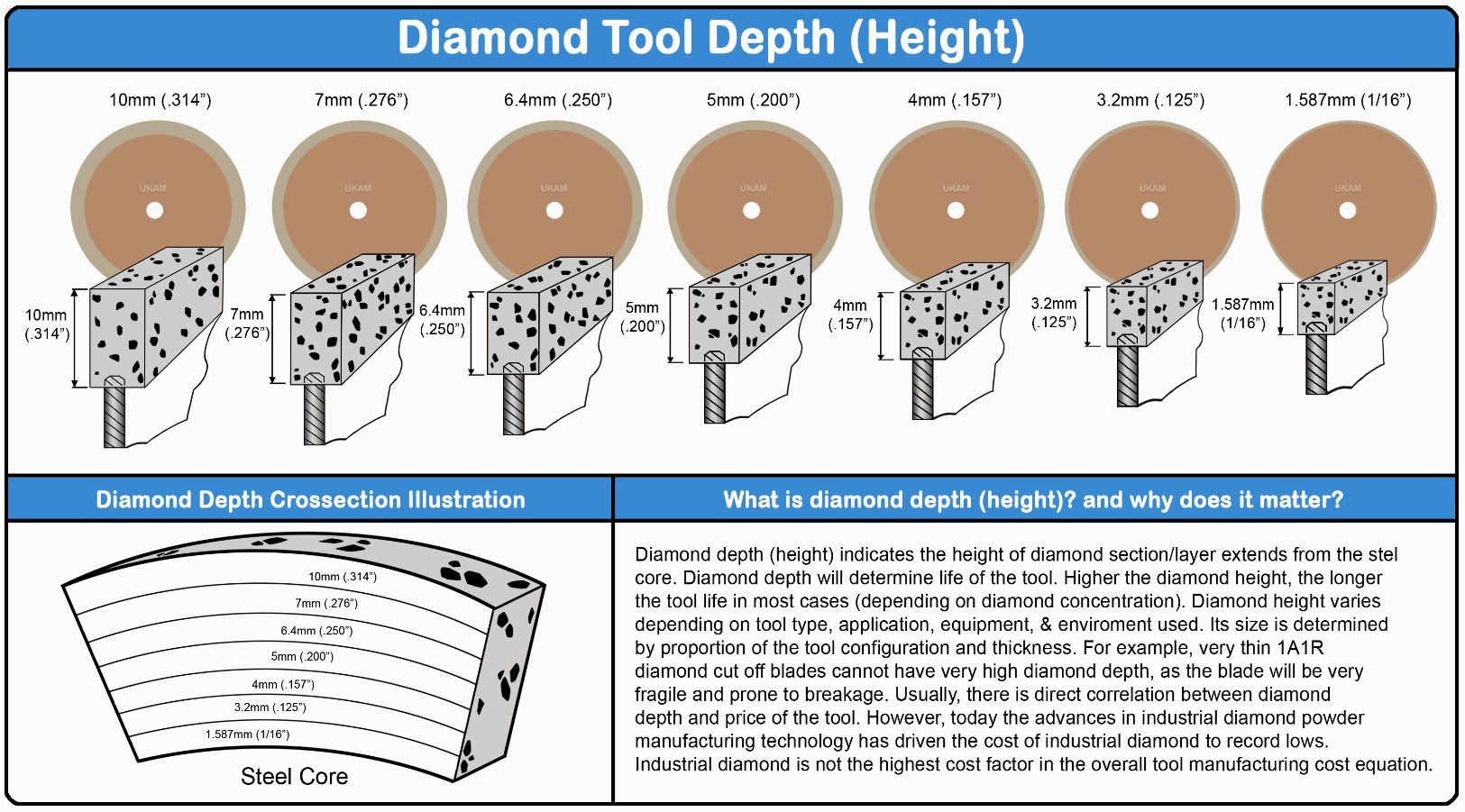
Diamond & CBN Blade Depth/Height
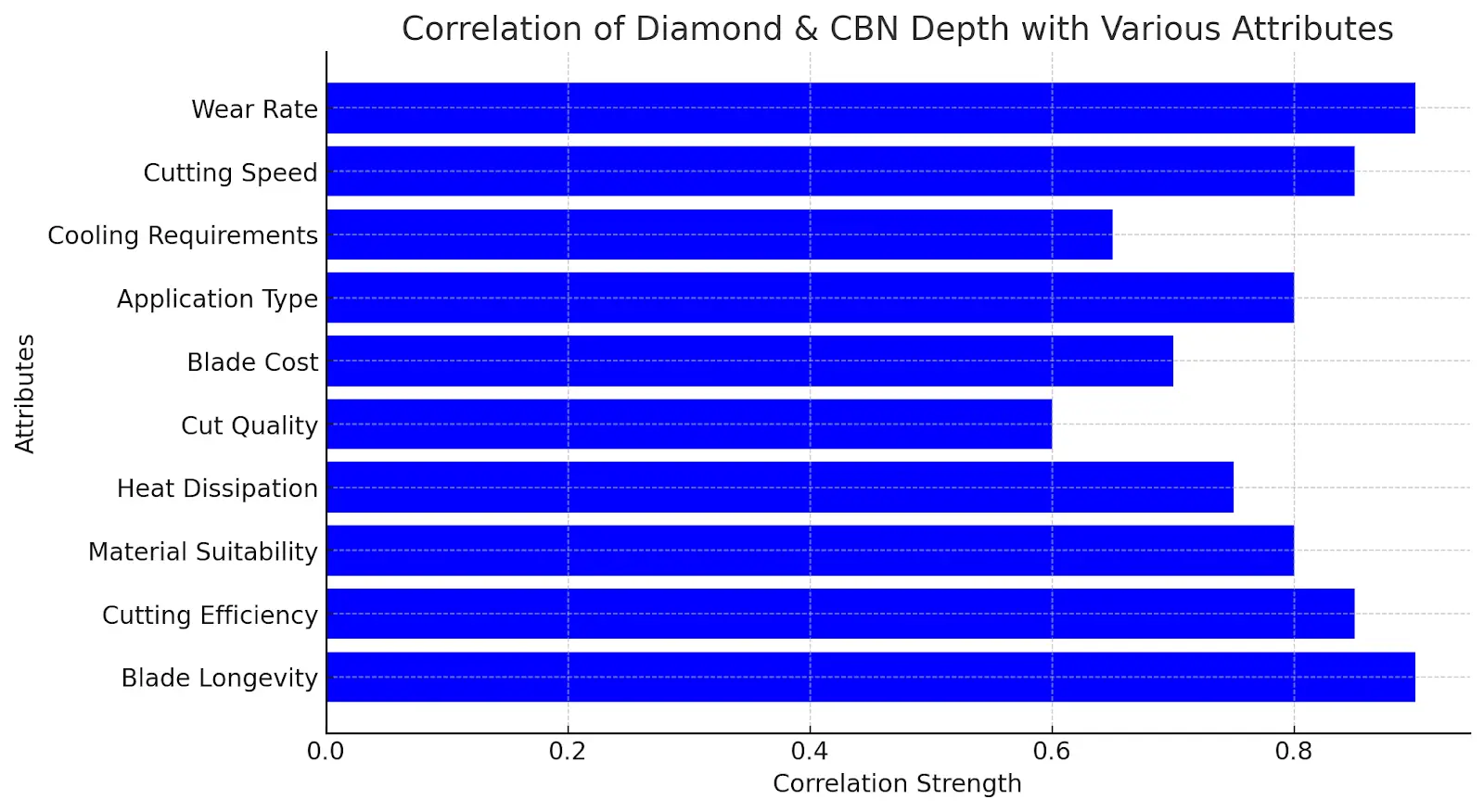
Table outlining the correlation between diamond & CBN depth and other variables and attributes:
|
Variable/Attribute |
Correlation with Diamond & CBN Depth |
|---|---|
|
Blade Longevity |
Greater diamond depth generally increases blade longevity, allowing for more cuts before the blade needs replacement. |
|
Cutting Efficiency |
A deeper diamond layer enhances cutting efficiency, especially in hard or abrasive materials, by providing more cutting material. |
|
Material Suitability |
Deeper diamond depth is suited for tougher, more abrasive materials (e.g., concrete, stone), while shallower depths are better for softer or delicate materials (e.g., ceramics, glass). |
|
Heat Dissipation |
Blades with more diamond material can dissipate heat more effectively, reducing the risk of overheating during cutting operations. |
|
Cut Quality |
Shallower diamond depth may allow for finer, more controlled cuts, ideal for precision applications, while deeper depths offer durability but may result in slightly rougher cuts in some applications. |
|
Blade Cost |
Blades with a greater diamond depth tend to be more expensive due to the increased amount of diamond material used. |
|
Application Type |
Heavy-duty applications benefit from greater diamond depth for enhanced durability, while lighter-duty tasks may not require as much diamond material. |
|
Cooling Requirements |
Blades with greater diamond depth may require less intensive cooling because of better inherent heat dissipation. |
|
Cutting Speed |
Deeper diamond layers support higher cutting speeds without sacrificing blade life, especially in high-demand environments. |
|
Wear Rate |
A greater diamond depth generally leads to a slower wear rate, extending the effective working life of the blade. |
Diamond & CBN Balde Abrasive Types
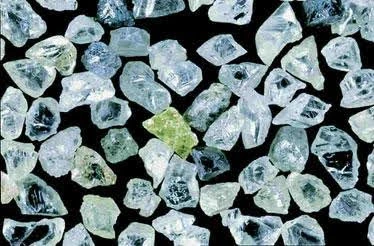
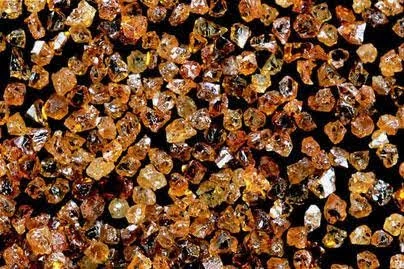
D - Natural Diamond
MD - Synthetic Diamond
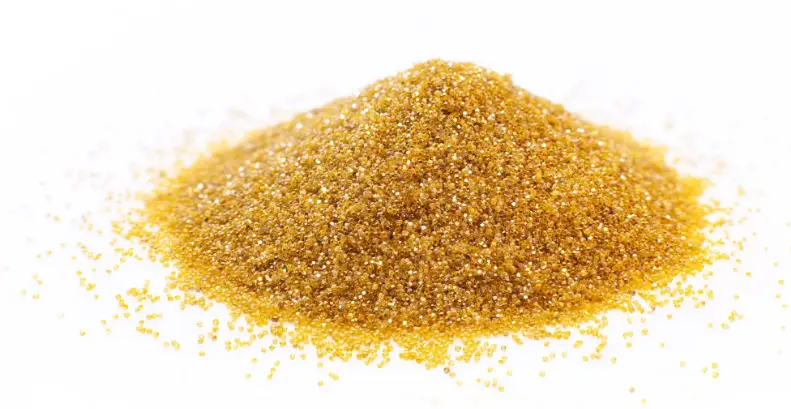
CBN - Cubic Boron Nitride
|
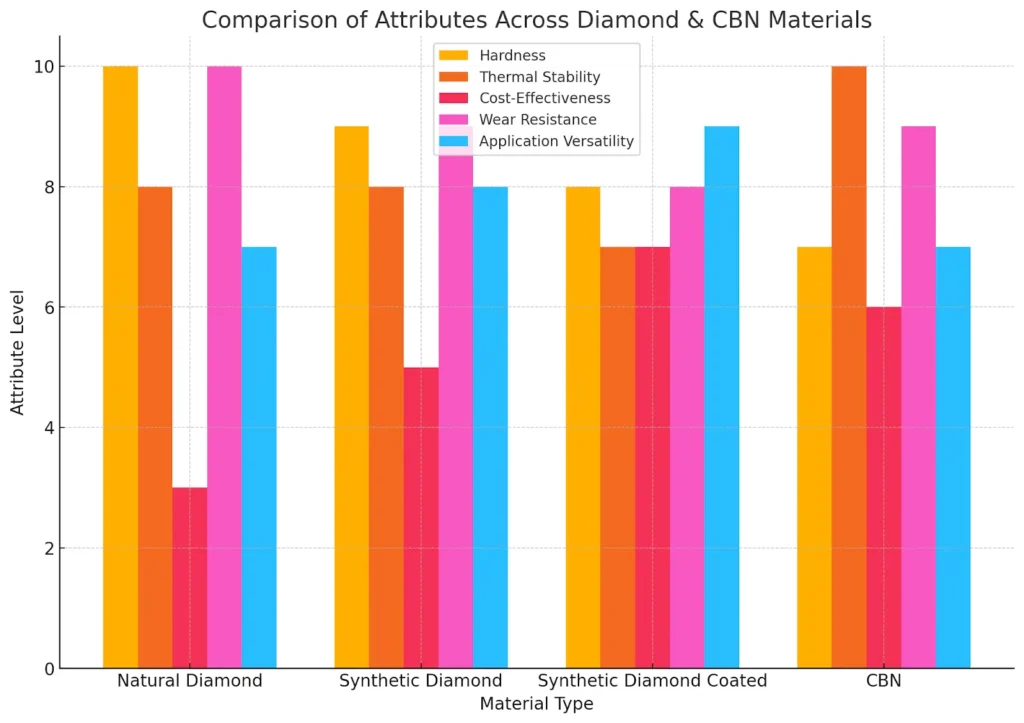
Attribute |
Natural Diamond |
Synthetic Diamond |
Synthetic Diamond Coated |
CBN (Cubic Boron Nitride) |
|---|---|---|---|---|
|
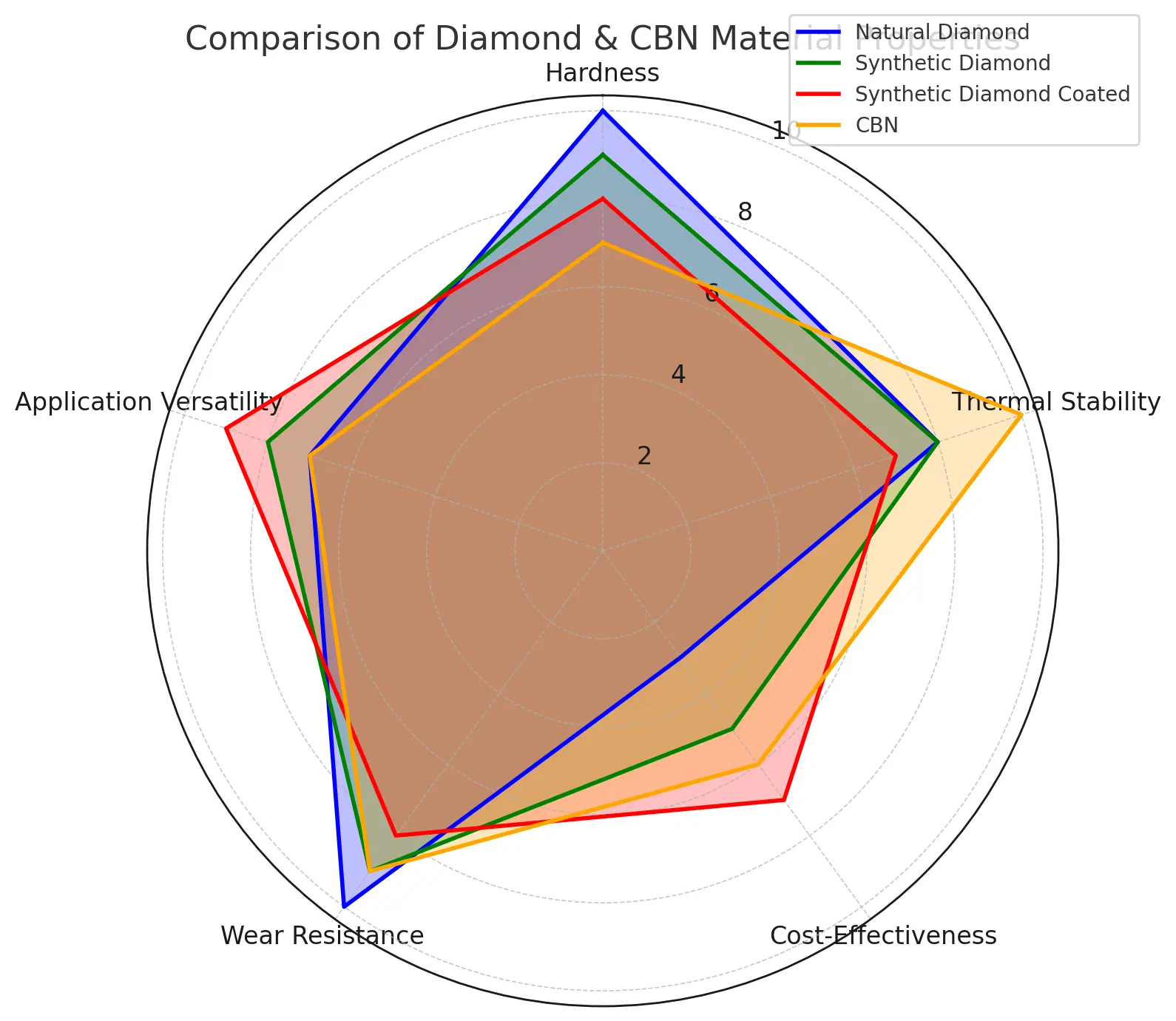
Hardness |
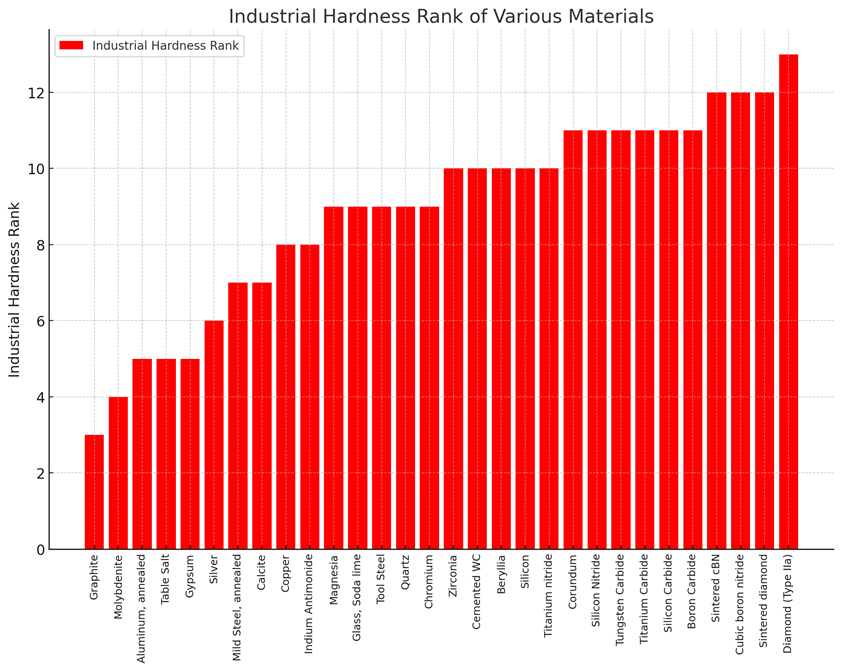
10 (Highest) |
10 (Highest) |
10 (Highest for the coating) |
9.5 (Very High) |
|
Thermal Stability |
High, but can degrade at very high temperatures |
High |
Moderate |
Very High, especially with ferrous materials |
|
Cost-Effectiveness |
Low due to rarity and high cost |
Moderate to High, depending on application |
High, as it offers a balance between performance and cost |
Moderate, more cost-effective for ferrous materials |
|
Wear Resistance |
Very High, excellent for cutting hard materials |
Very High, close to natural diamond |
High, though slightly less than pure synthetic diamond |
High, maintains cutting efficiency over time |
|
Application Versatility |
Versatile but primarily used in high-precision, high-cost applications |
Versatile across many industrial applications, including cutting, grinding, and drilling |
Very versatile, used in various industries due to balance of properties |
Versatile, particularly effective with ferrous materials and hardened steels |
Table that compares different diamond edge shapes, radii, and geometries
|
Edge Feature |
Type |
Characteristics |
Ideal Applications |
|---|---|---|---|
|
Edge Shape |
Flat Edge |
Straight, uniform cutting edge, minimal angular variation |
Precision cutting with smooth, chip-free finishes; glass, ceramics, semiconductor wafers |
|
Tapered Edge |
Gradually narrows from base to cutting edge, reduces friction |
Cutting dense or hard materials; improved cutting speed and reduced heat buildup |
|
|
Chamfered Edge |
Beveled or angled cutting surface, reduces chipping |
Delicate or brittle materials; ceramics, glass; smoother cuts |
|
|
Edge Radius |
Small Radius (Sharp Edge) |
Sharp cutting edge, fine and precise cuts |
High-precision applications; microelectronics, optics |
|
Large Radius (Blunt Edge) |
Blunt cutting edge, more durable and wear-resistant |
Heavy-duty cutting; thick, abrasive materials like concrete, stone |
|
|
Edge Geometry |
V-Shaped Geometry |
Narrow, precise cuts, minimal material removal |
Fine grooves or slots; electronics manufacturing, intricate metal parts |
|
U-Shaped Geometry |
Channels debris away, reduces clogging, improves efficiency |
Softer materials; plastics, rubber; clean cutting surface |
|
|
Flat-Topped Geometry |
Broad, shallow cuts, even force distribution |
Consistent, even cuts; woodworking, soft metals |
|
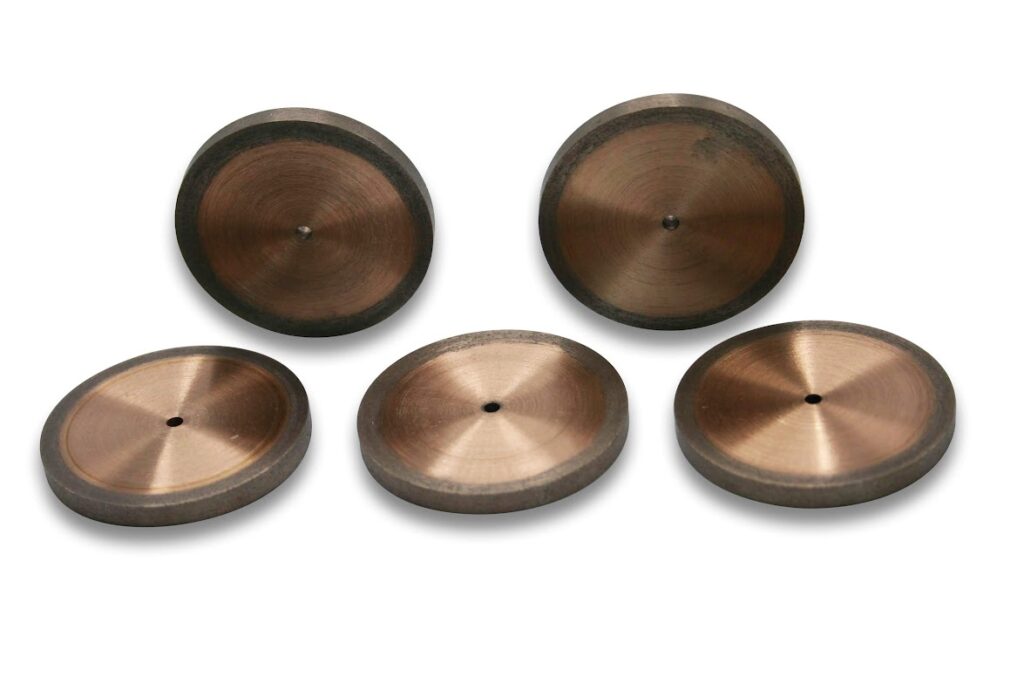
Relief Design: The relief design means that the blade has a thinner steel core compared to the diamond section. This configuration reduces the amount of material in contact with the cutting surface, minimizing friction and heat generation. As a result, the blade can cut more smoothly and efficiently, reducing wear and extending the blade's lifespan. Steel Core: The core of the blade is made of high-quality steel, providing the necessary strength and rigidity to handle high-load cutting operations. The steel core's thinner profile ensures flexibility and precision, making it ideal for intricate cuts and maintaining tight tolerances. Diamond Section Thickness: The diamond section is thicker than the steel core, providing a robust cutting edge that can handle various materials. The thickness of the diamond section ensures durability and long-lasting performance, even in demanding applications. |
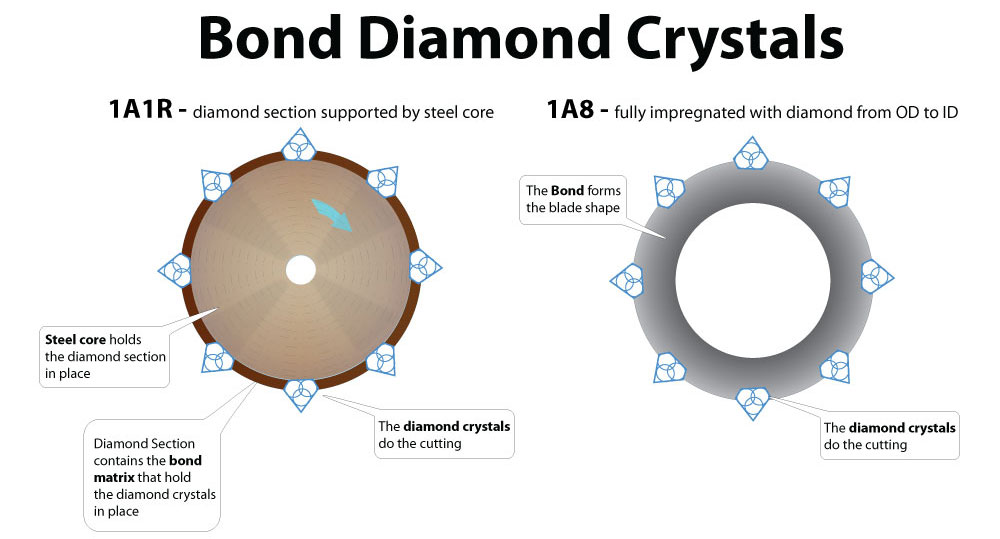
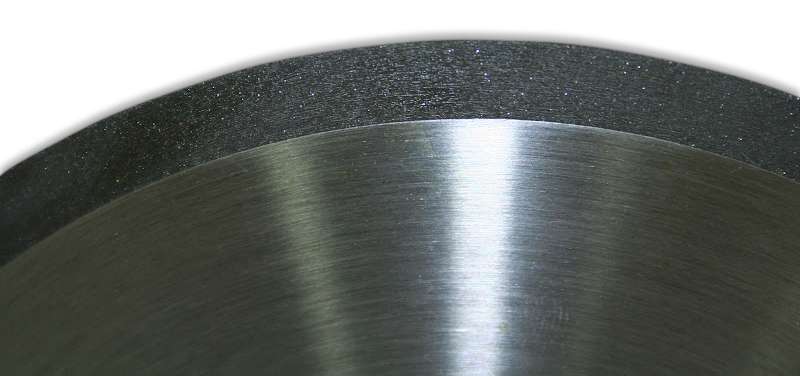
1A1RDiamond Cut Off blade with relief. This blade has steel core. Core thickness is thinner than diamond section thickness. This is the most common diamond blade used in most diamond cut off operations, across wide variety of industries. Description: A flat, continuous rim blade with no slots. Application: Ideal for smooth, precision cutting with minimal chipping. Commonly used in applications requiring a fine finish, such as glass, ceramics, and delicate materials. |
|
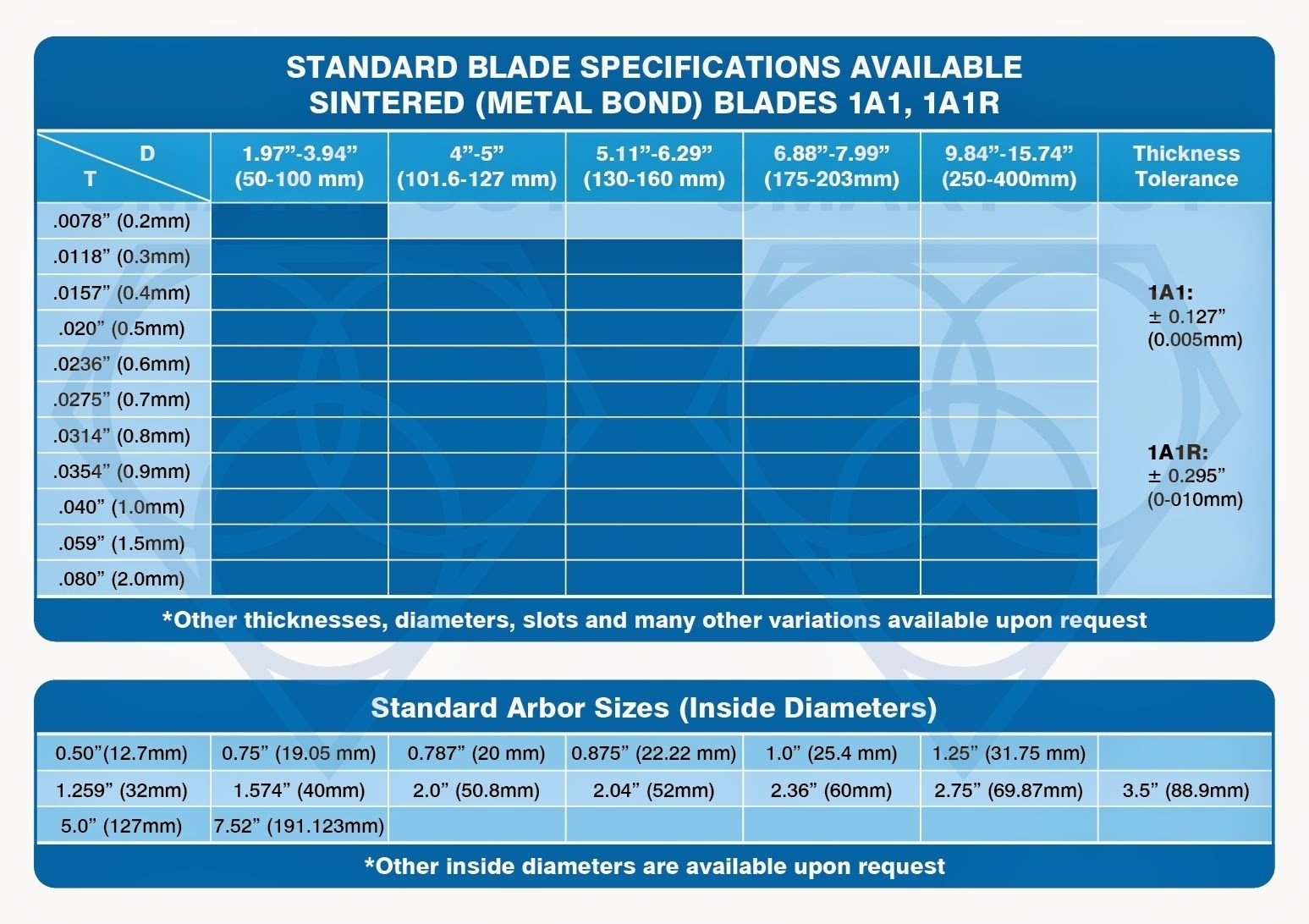
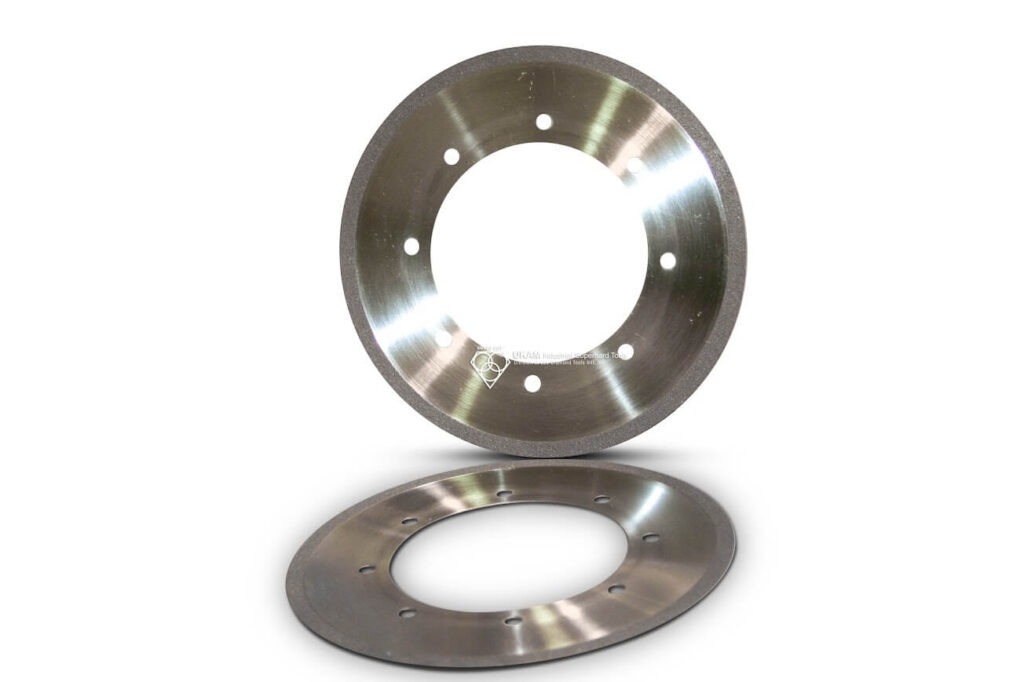
The 1A1 wheel shape is one of the most common and straightforward wheel shapes used in grinding and cutting applications. The 1A1 diamond wheel shape is a flat, straight-edged wheel with a concentric circle design, where the abrasive diamond particles are embedded in the perimeter of the wheel.
Shape: The 1A1 wheel shape is flat and has a straight profile with no recesses or flaring. Edge: The edges are straight and perpendicular to the face of the wheel, providing a clear and precise cutting surface. Face: The face of the 1A1 wheel is typically flat and used for grinding or cutting. Diameter and Thickness: The diameter and thickness of the 1A1 wheel can vary based on the specific application requirements. |
1A1The 1A1 diamond blade features no relief, meaning the diamond section and core thickness are identical. This uniformity ensures stability and precision during cutting operations. Application: These blades are especially suited for gang saw applications involving hard brittle materials, glass, optics, and composites. The inherent rigidity of the blade makes it ideal for high load and deep cut depth processing. The cut depth is limited to the height of the diamond section. Kerf Thickness: The width of the cut made by the blade, which matches the core thickness. This consistent thickness ensures stability and precision during cutting. Typical kerf thickness ranges from 0.12 inches (0.3 mm) to 0.125 inches (3.2 mm). Core Thickness: The actual thickness of the blade itself, matching the kerf thickness. This consistency is crucial for maintaining the blade's structural integrity and providing precise cuts. Diamond Depth (Height): The maximum cutting depth is limited to the height of the diamond section on the blade, dictating how deep the blade can cut into a material. Available diamond depths range from 1.58 mm (1/16 inch) to 14 mm (9/16 inch), meaning the blade can only cut as deep as the diamond section extends. |
|
|
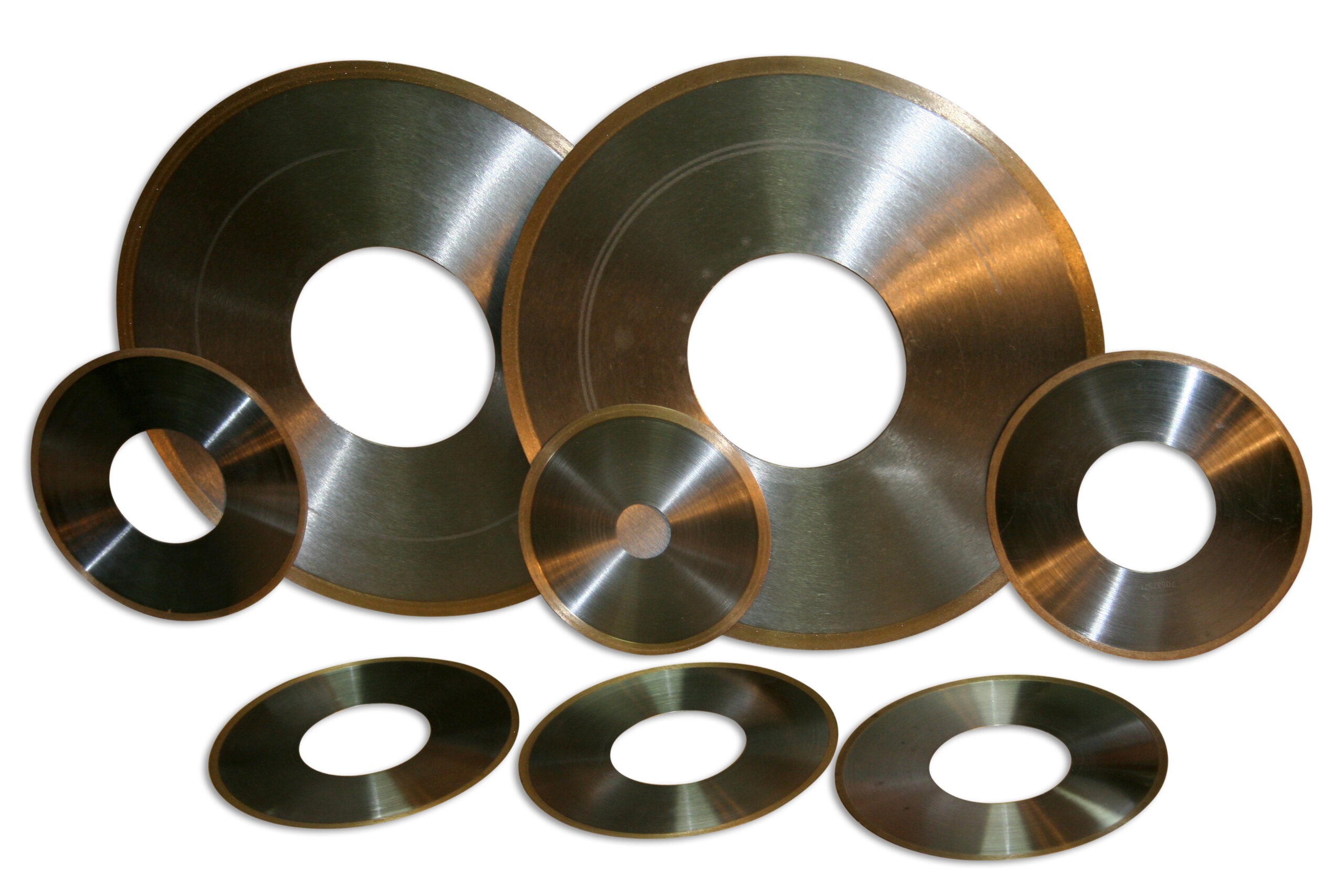
1A8 blade - fully impregnated with diamond and designed with a broad, flat edge to maximize contact with the material. It is well-suited for high-volume material removal in tough materials, providing consistent performance across a range of hard and brittle composites. This blade is ideal for applications requiring rapid, uniform cutting. 1E8 blade - features a flat edge profile and is also fully impregnated with diamond. It is tailored for demanding environments where durability and a consistent cutting edge are crucial. This blade excels in cutting hard, abrasive materials, ensuring long blade life and uniform cutting capabilities. 1M8 blade - fully impregnated with diamond, has a modified edge to enhance cutting strength and performance. It offers superior wear resistance and is ideal for slicing through dense, abrasive materials like advanced ceramics and metal matrix composites. This blade ensures precision cutting with minimal thermal damage. 1N8 blade - presents a continuous, smooth rim fully impregnated with diamond. It delivers excellent performance in delicate applications such as slicing semiconductor materials or intricate electronic components, where maintaining cut quality and component integrity is essential. 1V8 blade - fully impregnated with diamond and features a v-shaped edge designed for specialized tasks. This blade is particularly useful for making precise v-grooves or detailed angled cuts in the manufacturing of fine ceramics or optical components, where precision is of utmost importance. |
Grit Sizes for Diamond & CBN Blades
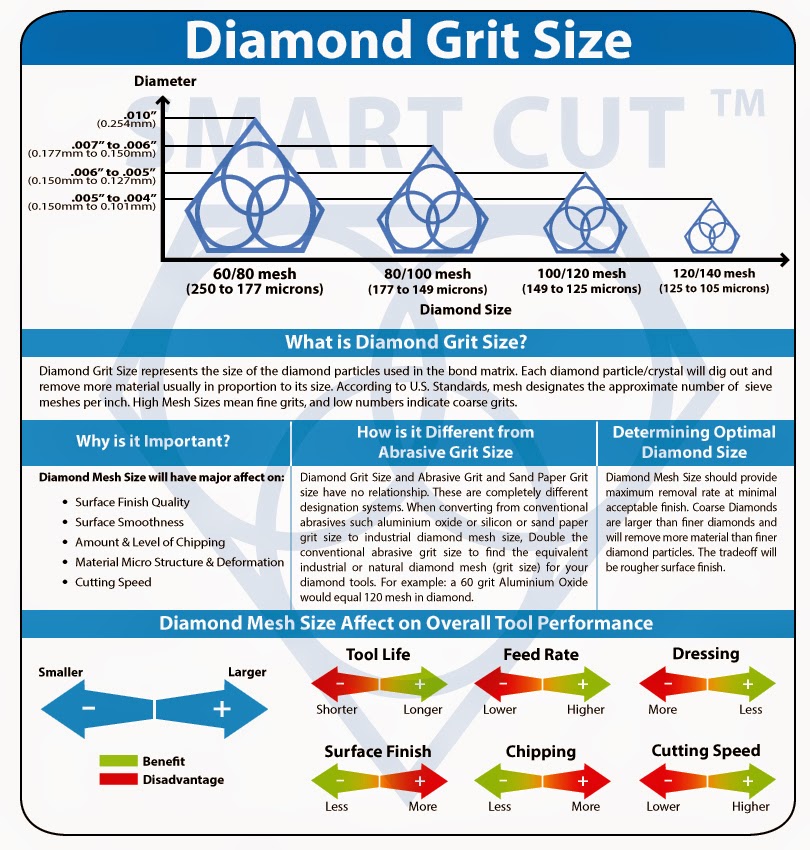
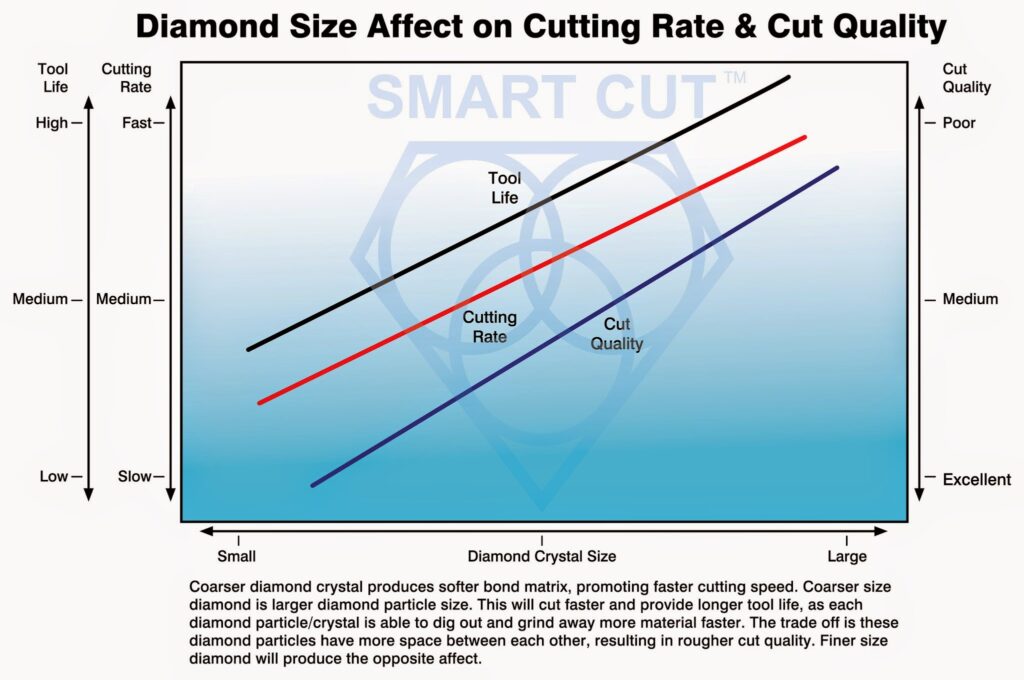
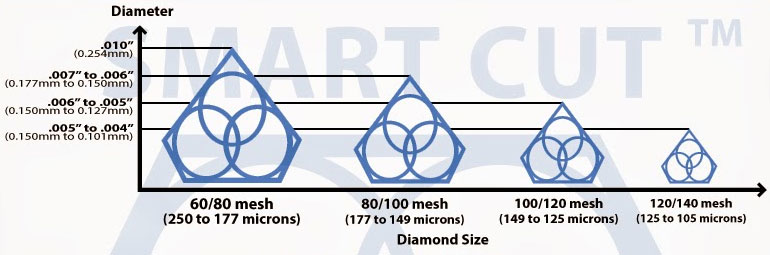
Diamond & CBN Diamond Grit Size Range for Various Applications:
Variables that influence diamond grit size in blade cutting applications
|
Variable |
Influence on Grit Size |
Correlation with Grit Size |
|---|---|---|
|
Material Hardness |
Harder materials may require finer grit to prevent damage |
Inverse: Harder materials often benefit from finer grits to ensure clean cuts |
|
Material Abrasiveness |
More abrasive materials can wear down finer grits faster, requiring coarser grit |
Direct: Abrasive materials generally require coarser grits to withstand wear |
|
Desired Surface Finish |
Finer grits are needed for smoother finishes |
Direct: A smoother finish requires finer grits |
|
Cutting Speed |
Coarser grits increase cutting speed but may reduce precision |
Inverse: Higher cutting speeds are achieved with coarser grits but at the cost of finish quality |
|
Material Fracture Sensitivity |
Finer grits reduce the risk of damaging sensitive materials |
Direct: Finer grits are preferable for materials sensitive to cracking or chipping |
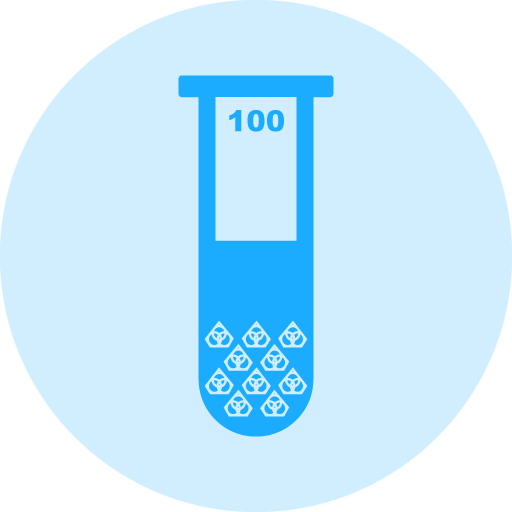
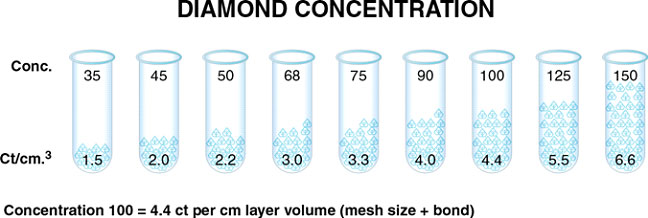
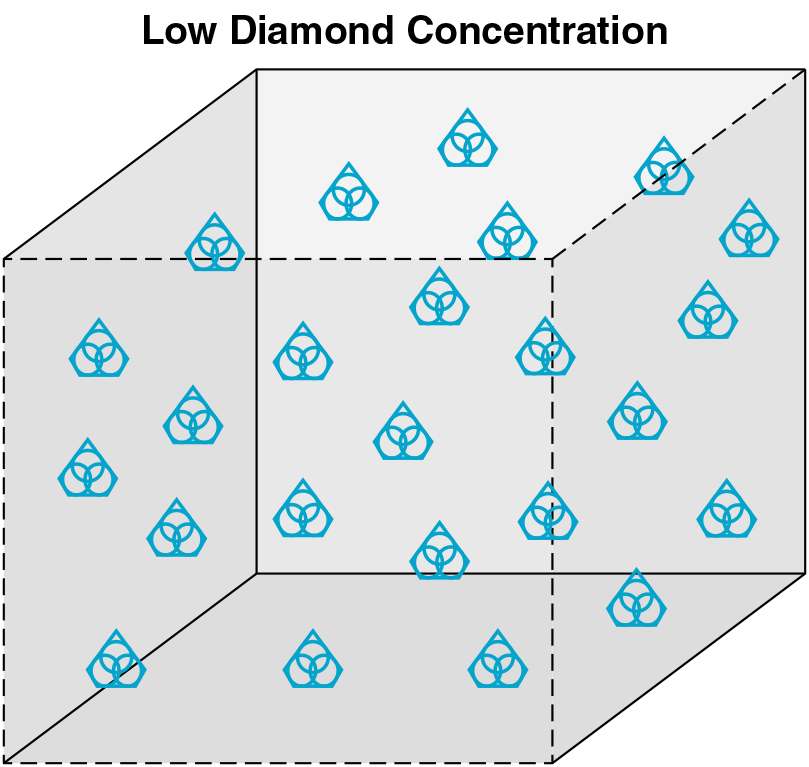
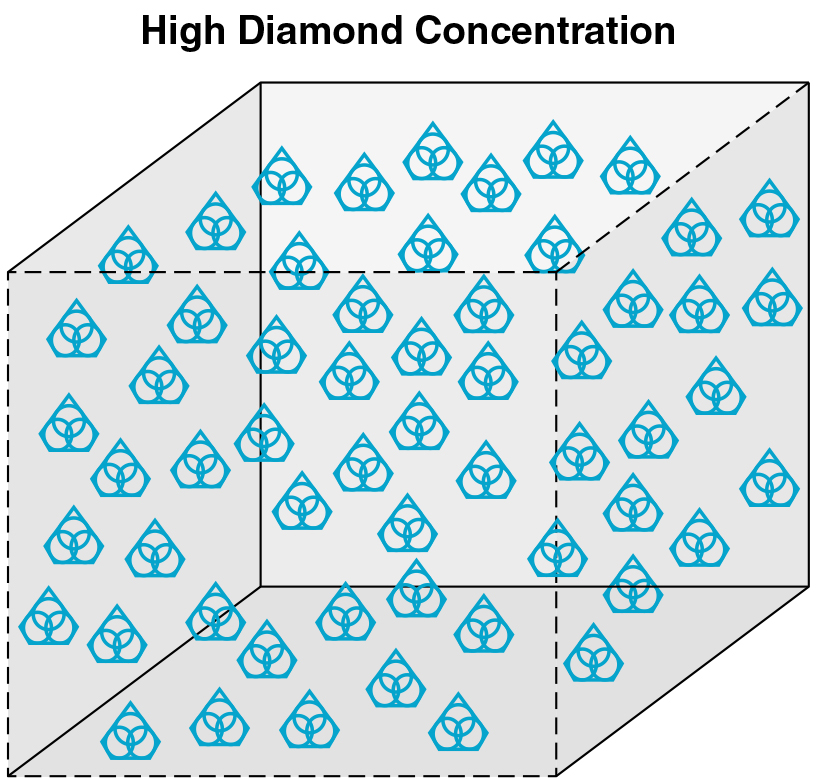
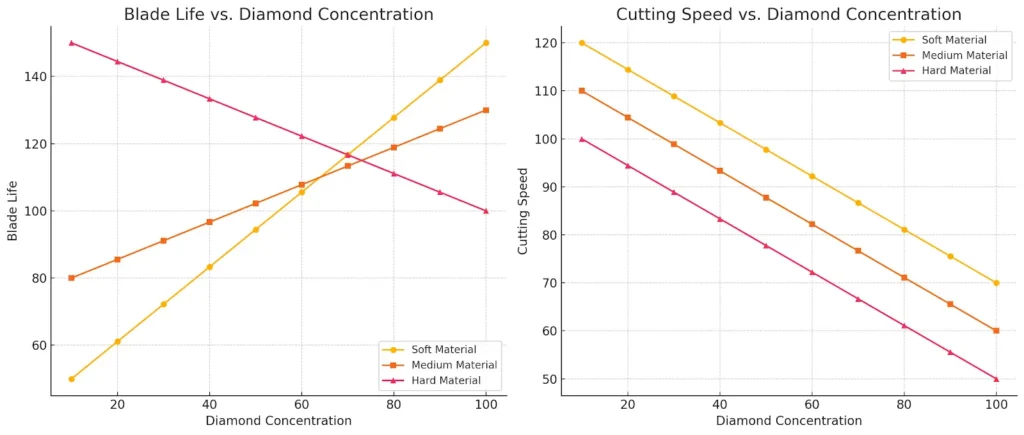
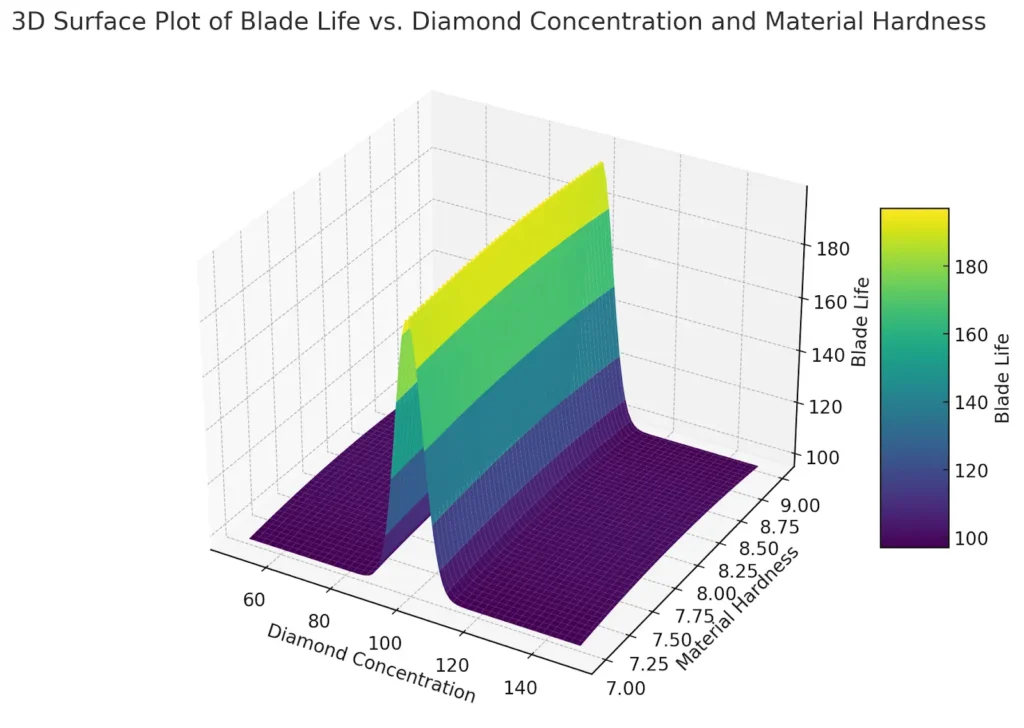
Concentration for Diamond & CBN blades
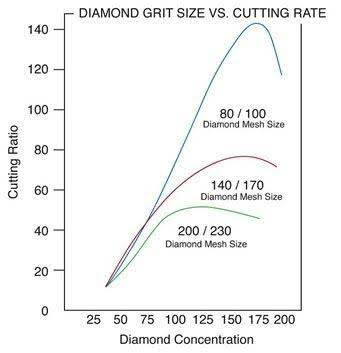
Examples of Diamond Concentration Applications
Various variables affect diamond and CBN blade concentration
|
Variable |
Impact on High Concentration |
Impact on Low Concentration |
|---|---|---|
|
Material Hardness |
Less effective for very hard materials; can lead to premature wear |
Preferred for cutting ultra-hard and brittle materials to avoid blade overload |
|
Material Abrasiveness |
More effective as it distributes wear evenly, useful for highly abrasive materials |
Less effective as fewer diamonds are available to share the wear, leading to faster blade degradation |
|
Cutting Speed |
Can decrease due to increased friction and material interaction |
Can increase as less material resistance is encountered |
|
Blade Lifespan |
Potentially increased as wear is distributed over more diamonds |
Potentially reduced due to concentrated wear on fewer diamonds |
|
Material Fracture Risk |
Can increase risk of material damage in brittle materials |
Reduces risk of cracking or damaging brittle materials |
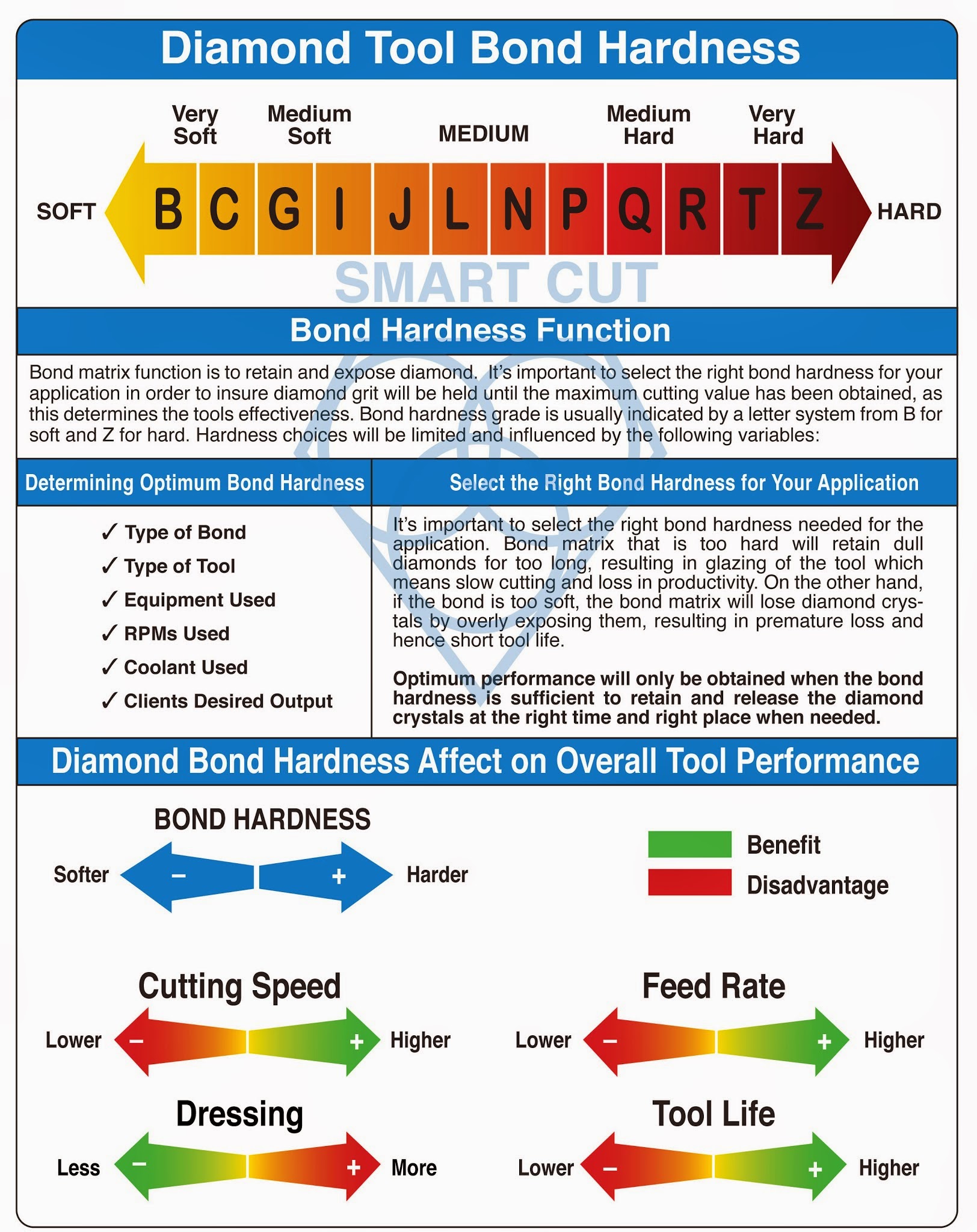
Diamond & CBN Blade Bond Hardness
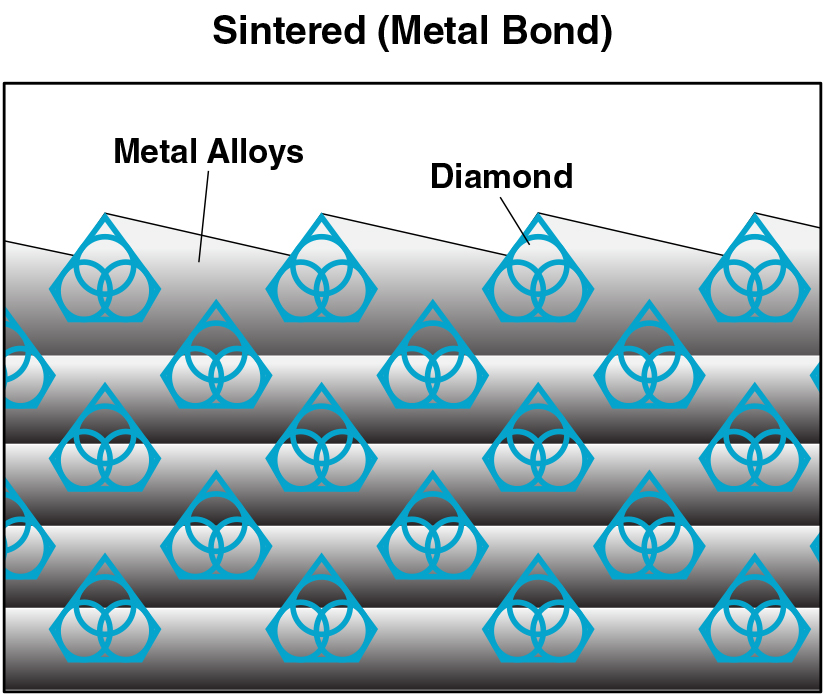
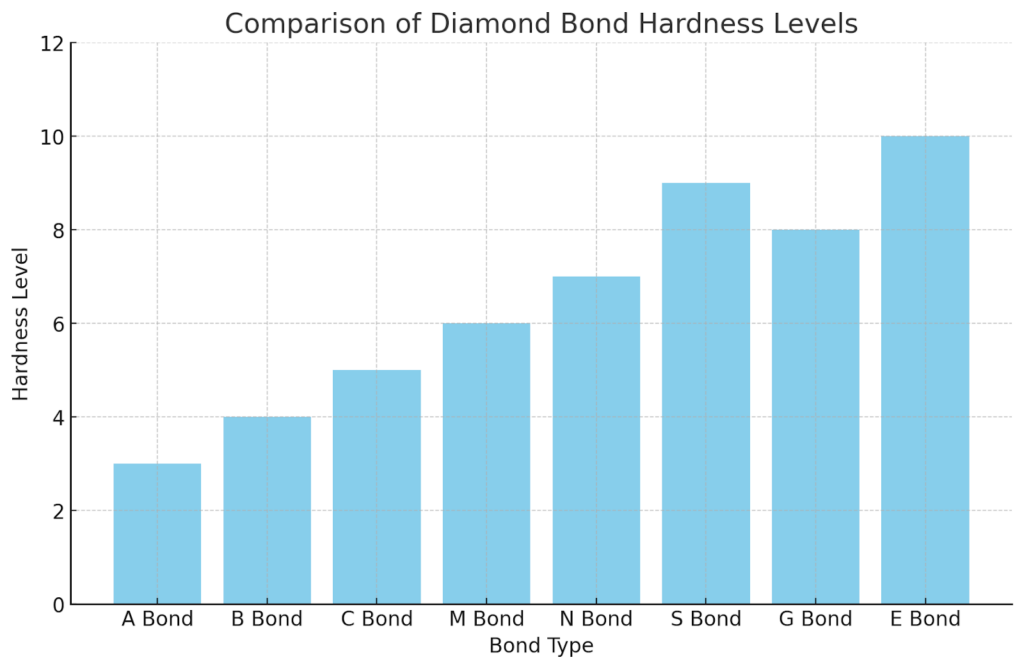
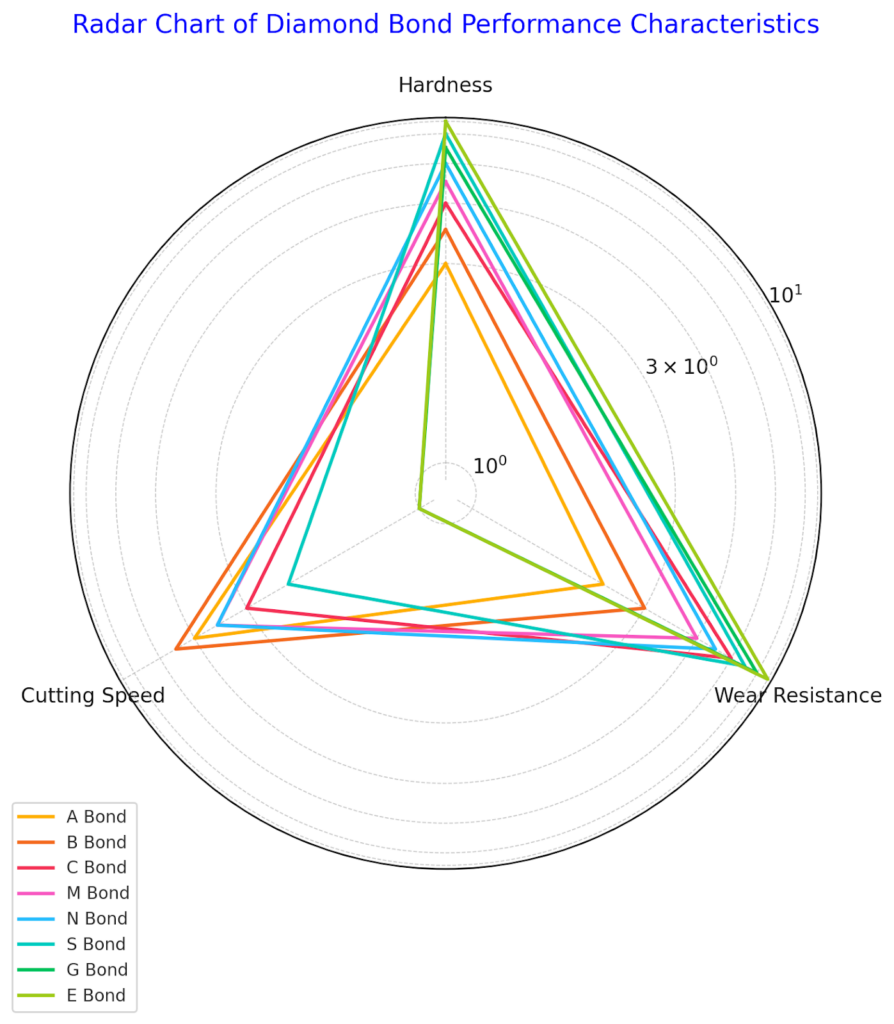
Bond Harnesses for Sintered Metal Bond Diamond & CBN Blades
Comparison table of various bond harnesses used for sintered (metal bond) diamond & cbn blades
|
Bond Type |
Hardness |
Description |
Typical Applications |
Advantages |
|---|---|---|---|---|
|
A Bond |
Soft |
Friable, designed for fast diamond exposure. |
Hard materials like sapphire, tungsten carbide. |
Rapid cutting speed, frequent diamond renewal. |
|
B Bond |
Soft to Medium |
Friable, allows for smooth and fast cuts. |
Quartz, ferrite, hard ceramics, glass. |
Fast, smooth cutting; good for very hard materials. |
|
C Bond |
Medium to Hard |
Tough, designed for abrasive and soft materials. |
Carbon, graphite, plastics, fiberglass. |
Durable in abrasive conditions; extended blade life. |
|
M Bond |
Medium |
Balanced durability and performance. |
General industry materials. |
Good longevity and performance across various materials. |
|
N Bond |
Hard |
Controlled wear, medium hardness. |
Natural stone, composites, medium-grade ceramics. |
Balances durability and cutting efficiency. |
|
S Bond |
Very Hard |
Resists highly abrasive conditions. |
Asphalt, green concrete, abrasive stone. |
Maximizes blade life in abrasive environments. |
|
G Bond |
Specialized |
Optimized for cutting glass and brittle materials. |
Glass and similar brittle materials. |
Reduces chipping, enhances cut quality. |
|
E Bond |
Very Hard |
Designed for extreme conditions and hard materials. |
Very hard and dense materials. |
Prolongs blade life, withstands tough conditions. |
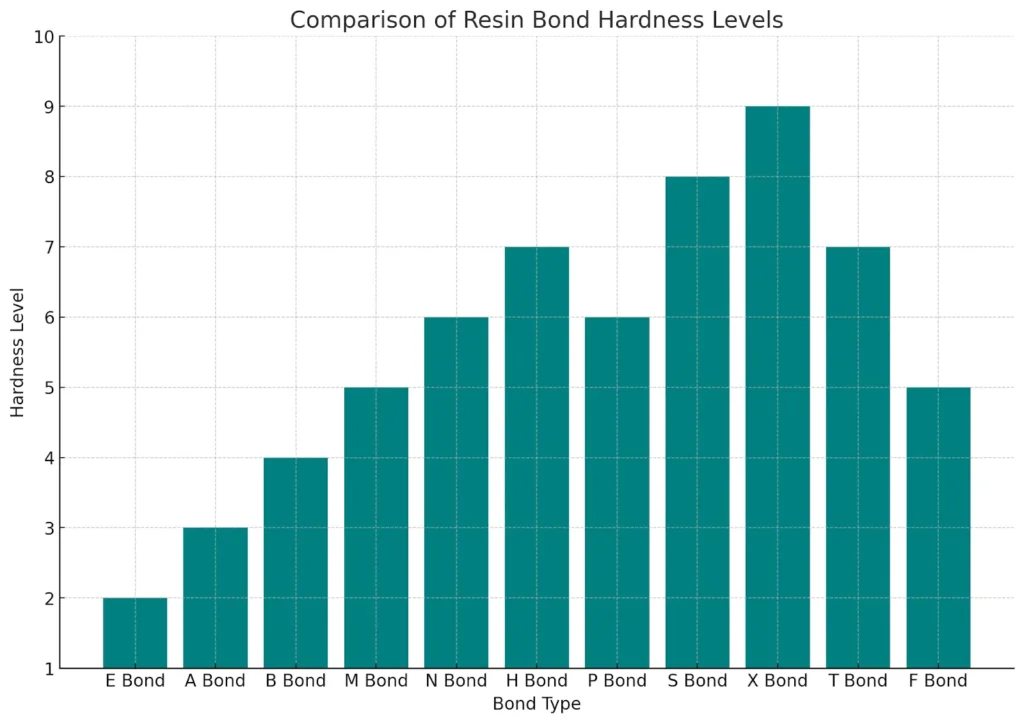
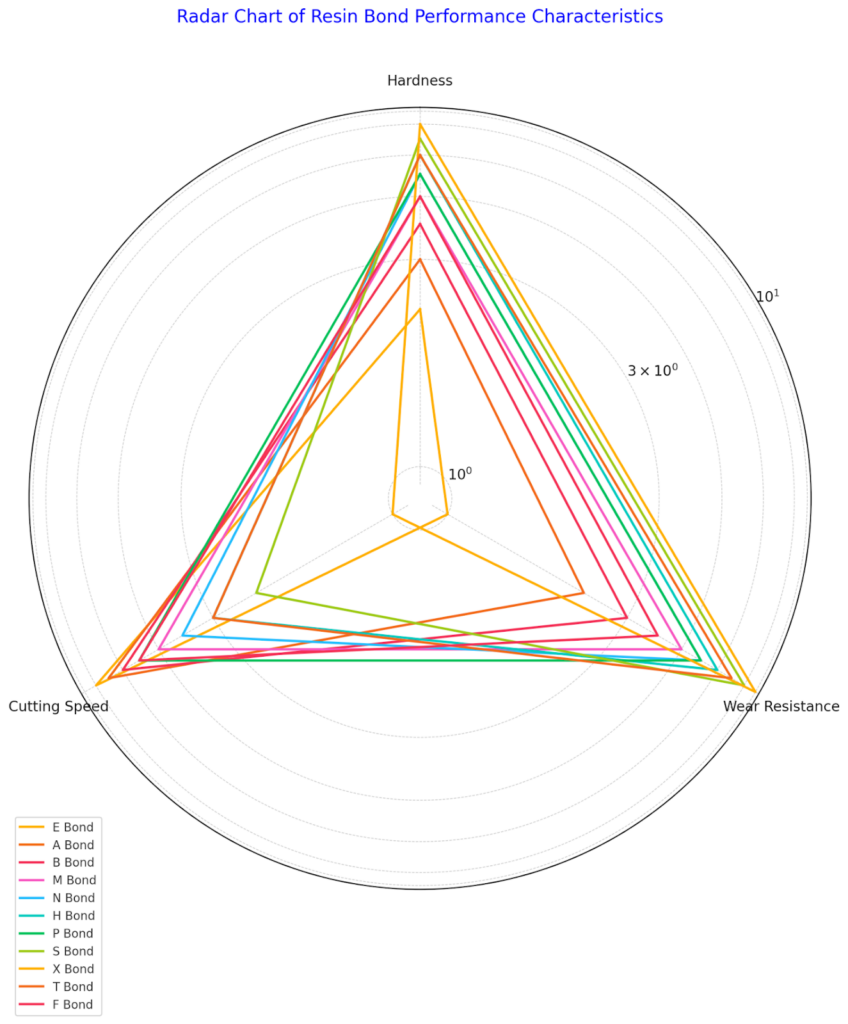
Resin Bond Diamond & CBN Blade Bond Hardness
This table compares the different resin bond harnesses for diamond and CBN blades
|
Bond Type |
Characteristics |
Typical Applications |
Advantages |
|---|---|---|---|
|
E Bond |
Extra soft, quick wear, high diamond exposure |
Very brittle or delicate materials |
Maximizes cutting speed, minimizes sub-surface damage |
|
A Bond |
Soft, high diamond exposure |
Hard, brittle materials like glass and ceramics |
Fast cutting rate, excellent for smooth finishes |
|
B Bond |
Medium-soft, balanced wear and exposure |
Medium-hard materials |
Balances cutting speed with reasonable durability |
|
M Bond |
Medium hardness, versatile |
Wide range of materials, including metals and stones |
Good for varied materials, balances precision and wear |
|
N Bond |
Medium-hard, durable, slower diamond exposure |
Softer materials that are abrasive |
Enhances blade life, maintains performance under less abrasion |
|
H Bond |
Hard, durable, very slow diamond exposure |
Harder, less abrasive materials |
Extends blade life significantly, ideal for continuous use |
|
P Bond |
Designed for porcelain, balanced |
Hard materials like porcelain |
Optimal for hard materials, minimizes chipping, good blade longevity |
|
S Bond |
Very hard, slow wear |
Highly abrasive materials |
Maximizes lifespan in abrasive environments |
|
X Bond |
Extra hard, maximum longevity |
Highly abrasive materials |
Sustains performance, very stable in challenging environments |
|
T Bond |
Tough, resistant to shock and impact |
Materials causing blade deflection |
Durable against mechanical stresses, prolongs life |
|
F Bond |
Flexible, adapts to uneven surfaces |
Thin stone, composite materials |
Reduces breakage, allows for adaptive cutting |
RPM’s (Cutting Speed)
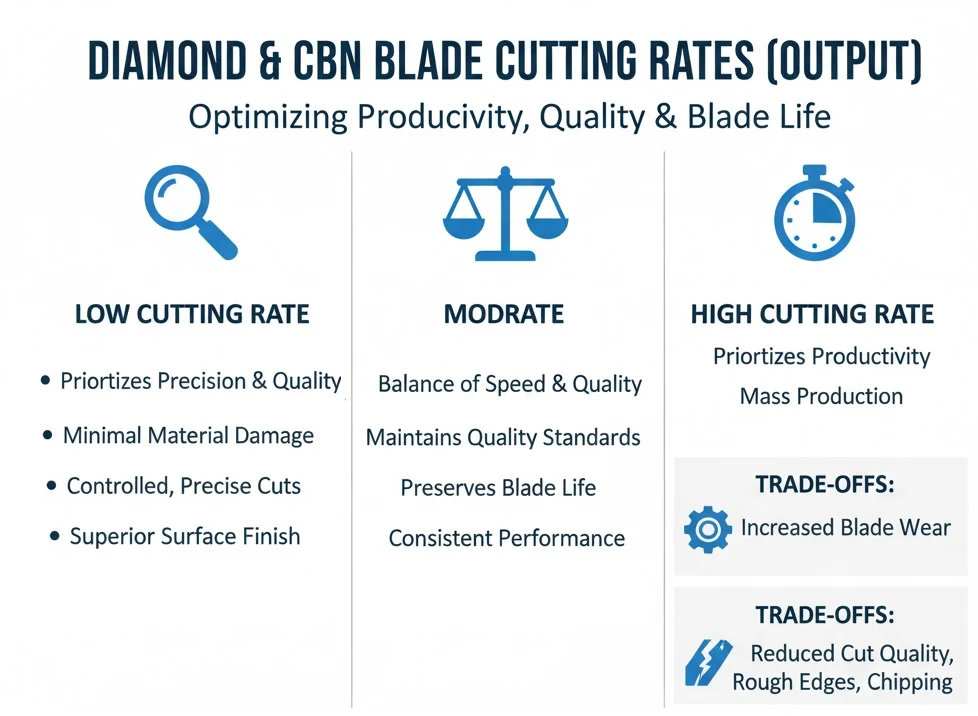
Cutting Rates (Output)
Standard or Custom Diamond & CBN Blade Specifications
CUSTOM MADE
Have A Unique Requirement?
Let us make custom diamond & CBN Blades specifically designed for your application/ requirements
Just about any diamond/cbn blade can be Designed and manufactured per your drawing or specifications

No Minimum
Order Quantity

Fast Lead
Times

Precision Tolerances

Free
Consultation

Limitless
Possibilities
Custom
Diamond & CBN Manufacturing Process
-
1
Discovery
We discuss your specific requirement in detail to determine the best solution for your needs.
-
2
Recommend Solution
We provide you with recommend options for your application based on your requirements along with quotation and lead time.
-
3
Prepaire To Implement
When you are ready to order, we send you confirmation of the tool specification always in writting. Your order is placed in que to be produced within the quoted lead time.
-
4
Implement & Deliver
The finished products go through quality control process and also inspected for conformance to specification agreed upon. The order is packaged and shipped to you using your requested shipping method. Certificate of conformance or any other documentation can be provided upon request.
-
5
Service & Support
We follow up with you to receive feedback on the tool performance. We also provide usage recommendatios and technical support if needed.

Need Help Selecting the Right Diamond
or CBN Tool for Your Application?
Our applications engineers will review your material, machine, and cutting parameters and recommend the optimal
Diamond or CBN Tool specification/solution for your application
Free consultation. No obligation.
Trusted by Tens of Thousands of Manufacturers, Laboratories,
Research Institutions Worldwide Since 1990
Established in 1990
ARE YOU USING RIGHT DIAMOND & CBN BLADES
FOR YOUR APPLICATION?
LET US
HELP YOU
HAVING ISSUES WITH
YOUR CURRENT DIAMOND & CBN BLADES?

Ayan Sadyk is a materials scientist and process engineer with over two decades of experience in the industrial diamond tooling sector. His expertise lies in integrating ultra-thin diamond blades, CBN wheels, and advanced cutting systems into precision manufacturing workflows for applications in optics, semiconductors, and technical ceramics.
With a background in materials behavior and surface integrity, Mr. Sadyk brings a data-driven, application-specific approach to cutting and grinding process development. He has worked closely with manufacturers and R&D facilities across Eastern Europe, North America, and the Middle East, helping optimize tool life, surface finish, and process stability.
As an author, he focuses on bridging materials science with tooling innovation—writing on topics such as blade wear mechanisms, thermal effects in hard material sectioning, and adaptive process design.