









Application Recommendations

Application Recommendations

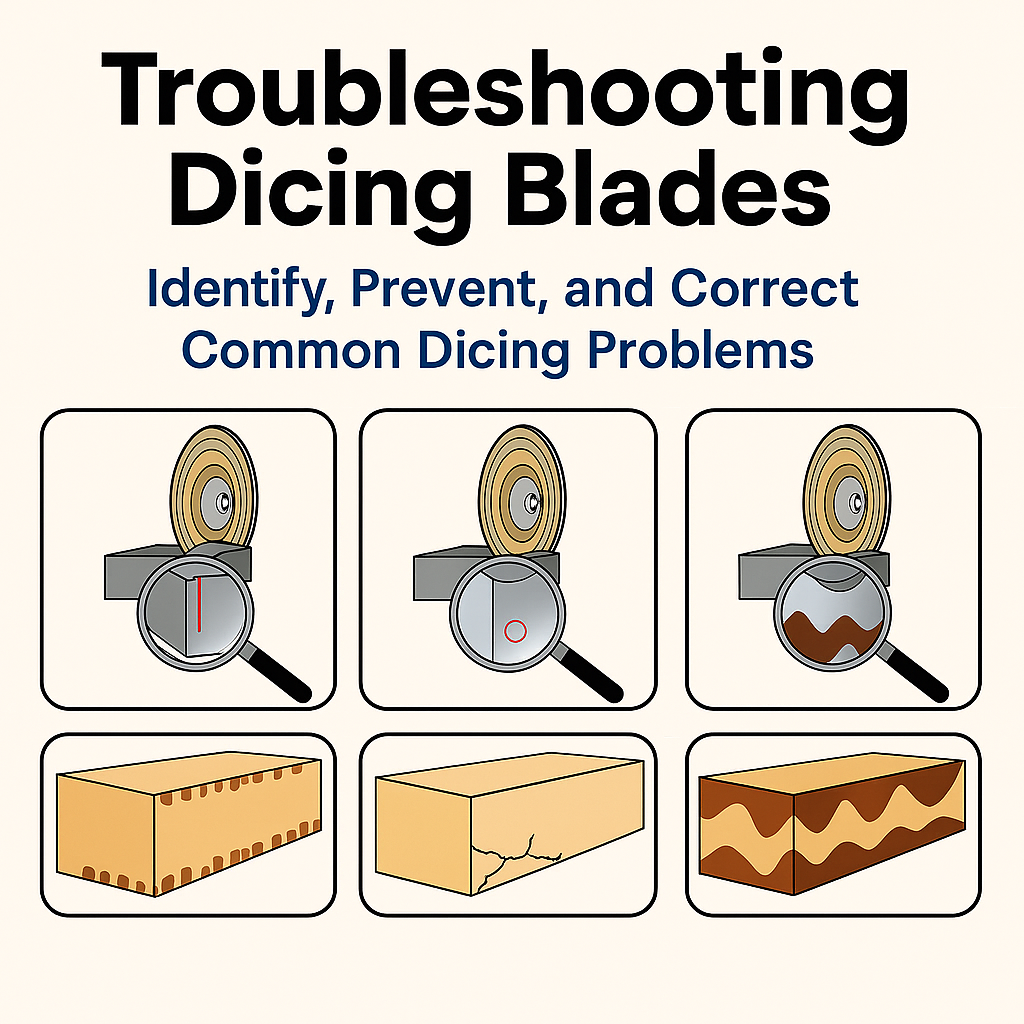
This article provides important guidelines for optimizing the dicing process in semiconductor packaging, focusing on package singulation for various technologies such as BGA, QFN, LED, CMOS, and wafer substrates. It covers key variables such as the recommended blade types, coolant options, RPMs, feed rates, and mounting methods to ensure high-quality results and efficient throughput. By exploring specific material requirements and common concerns, this guide offers valuable insights into selecting the ideal dicing parameters for each application.

Continue reading

Optimizing your Diamond Dicing Performance

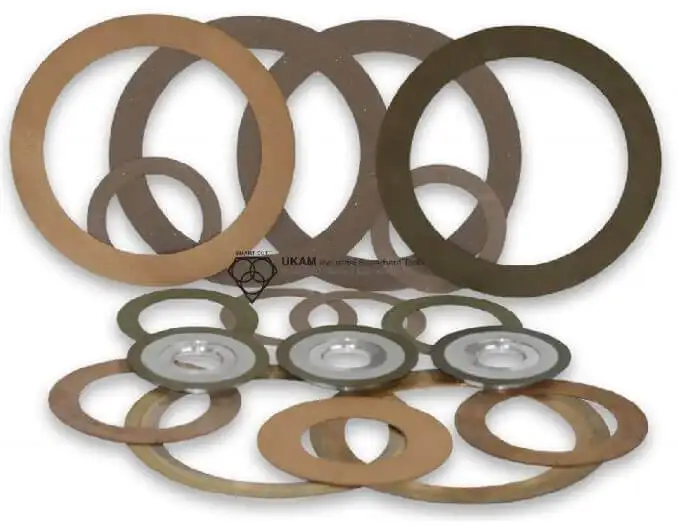
The performance of diamond dicing blades is influenced by a wide range of interdependent variables, and understanding these factors is essential for selecting the correct blade specifications and optimizing the dicing process. Each parameter, whether related to the blade itself, the material being cut, or the operating conditions, is only one part of a larger system. Adjusting a single factor in isolation rarely produces efficiency. True optimization comes only when all parameters are properly balanced and work together as a system.

Continue reading

dicing blade operation recommendations

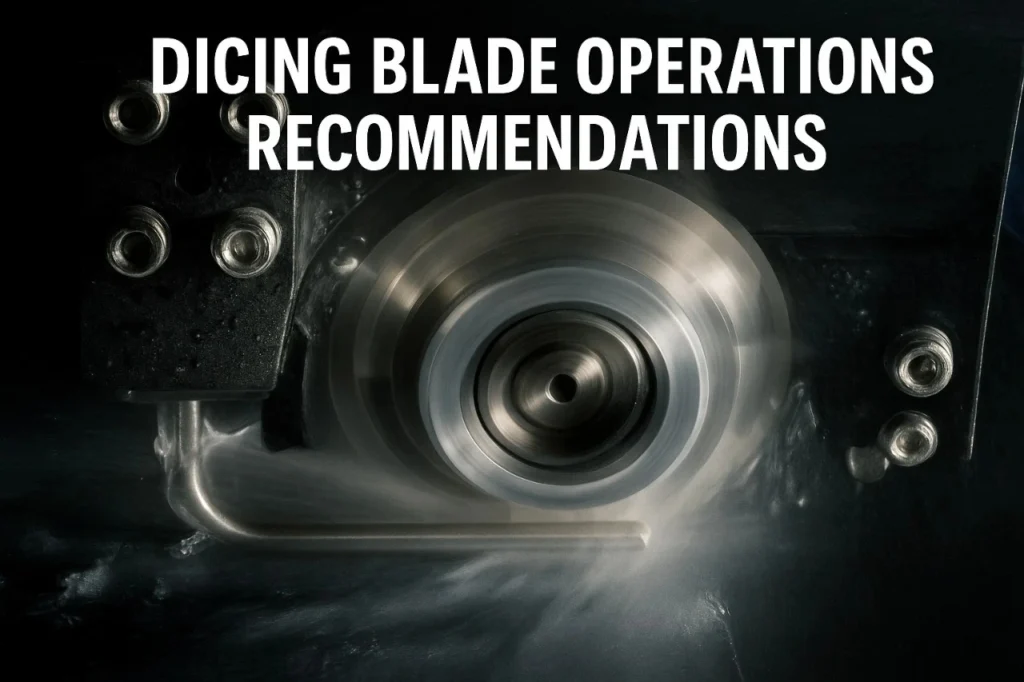
Dicing Blade Operations Recommendations

Selecting the right dicing blade parameters often involves a trial and error process, many aspects of which can be mitigated through experience and a deep understanding of how to optimize these parameters for specific applications. What works for one application may not work for another. While there is no true substitute for experience, even new dicing saw operators can quickly become proficient by learning and applying some basic principles of dicing. Much of the content in this guide has been published in industry magazines or presented at conventions.

Continue reading

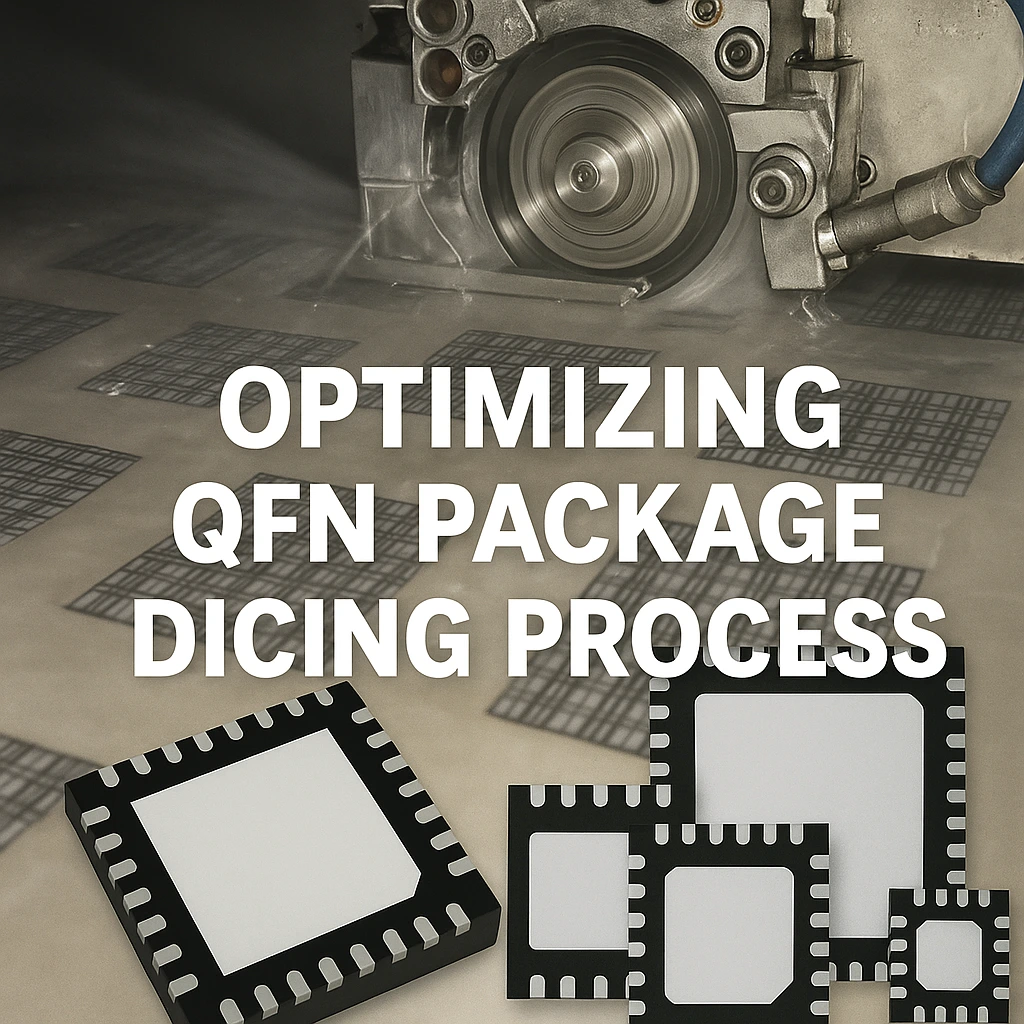
Optimizing QFN Package Dicing Process Using SMART CUT® Dicing Blades

Dicing QFN packages presents several challenges due to the composition of materials and the precision required for clean, defect-free cuts. These challenges arise from the multi-layered structure of QFN packages, which often include tin (Sn) coatings, nickel/palladium (Ni/Pd) plating, and composite substrate materials. Each of these layers introduces specific difficulties that must be managed to ensure high-yield, high-quality production.

Continue reading