author-avatar

About Leon Meyer

Leon Meyer is a veteran manufacturing engineer and technical consultant with over 50 years of experience in the development, implementation, and troubleshooting of industrial diamond tooling systems. Having spent his career at the intersection of tool design, precision manufacturing, and production engineering, Mr. Meyer is widely regarded as one of the most experienced voices in the application of ultra-thin diamond blades, sintered core drills, and CBN grinding wheels across heavy industry, advanced materials, and research sectors. Known for his pragmatic, no-nonsense approach, Leon has advised manufacturers across the United States, Europe, and East Asia—helping streamline cutting processes, extend tool life, and solve complex issues related to material breakage, chipping, and tolerance drift. His expertise has directly contributed to improved production efficiency in industries ranging from aerospace alloys and technical ceramics to optics, composites, and high-nickel superalloys. As an author, Mr. Meyer brings a lifetime of field knowledge to his writing, with a focus on real-world problem solving, cost-performance optimization, and tool reliability under demanding conditions.

SINTERED (METAL BOND) DIAMOND TOOLS

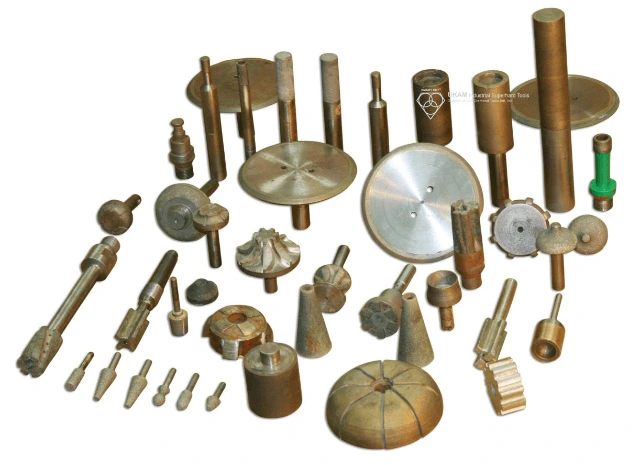
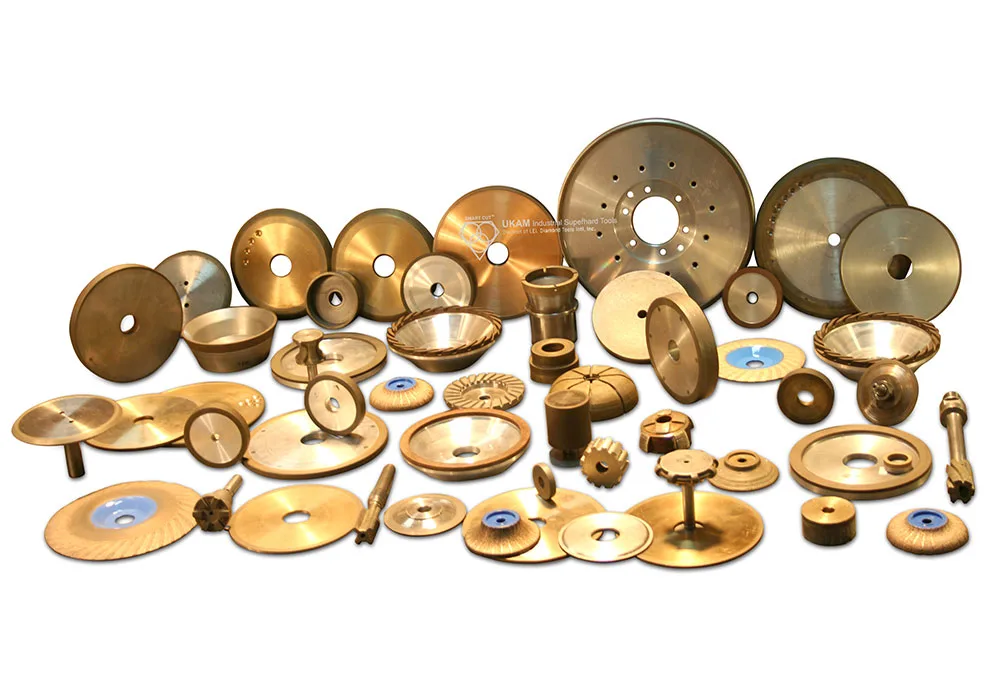
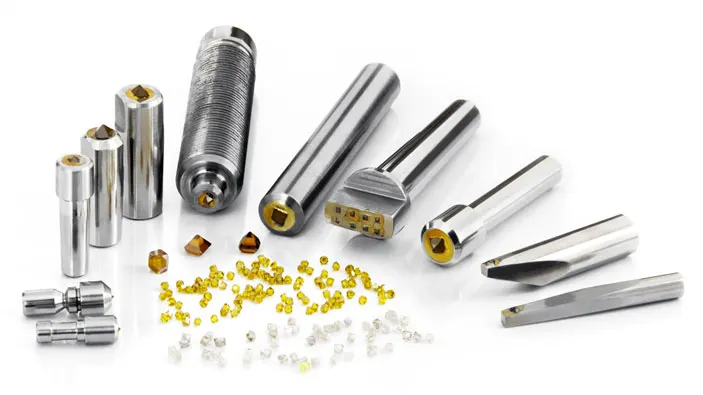
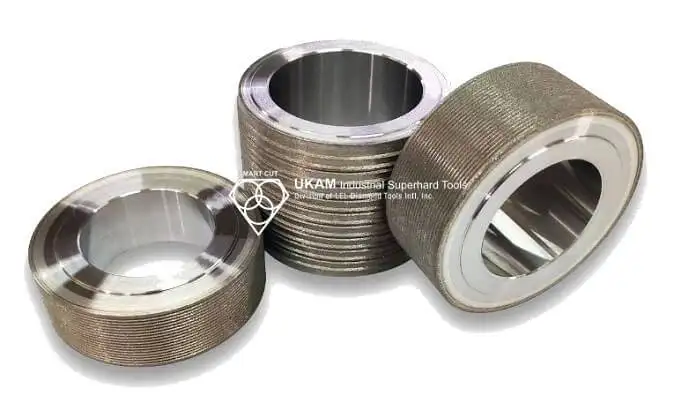
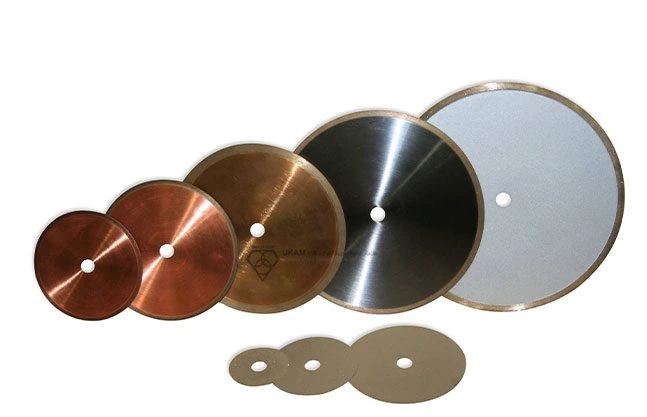
Sintered (Metal bonded) diamond tools have multiple layers of diamonds impregnated inside the metal matrix. Diamonds are furnaces sintered in a matrix made of iron, cobalt, nickel, bronze, copper, tungsten, alloys of these powders or other metals in various combinations. Metal Bonded Diamond Tools are “impregnated” with diamonds. This means that selected diamonds are mixed and sintered with specific metal alloys to achieve the best cutting performance possible on any materials such as sapphire, advanced ceramics, optics, glass, granite, tile and etc.

Continue reading
resin bond

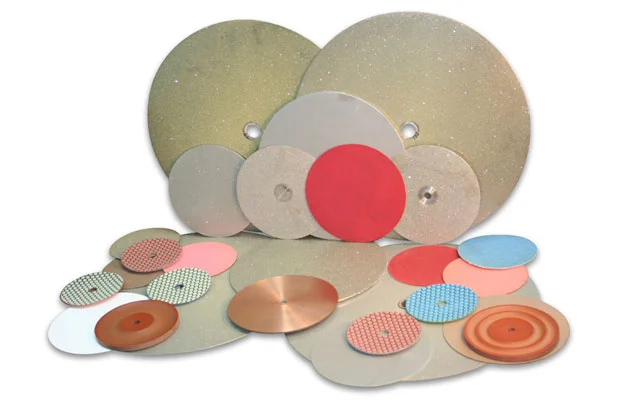
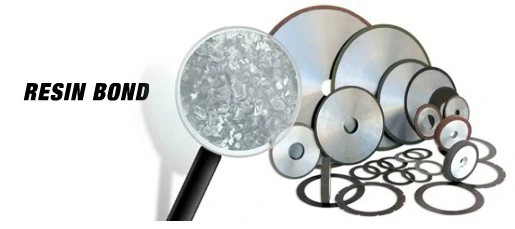
Resin Bond Tools

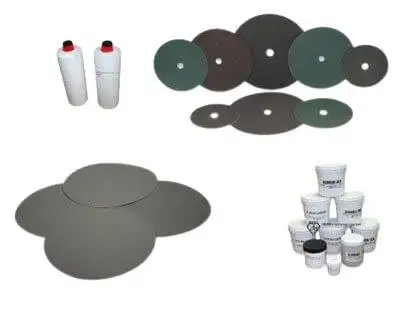
Learn everything you wanted to know about resin bond diamond tools. How they are made, what types are available and their application Trusted by Tens of Thousands of Manufacturers, Laboratories,Research Institutions Worldwide Since 1990 American...
Continue reading
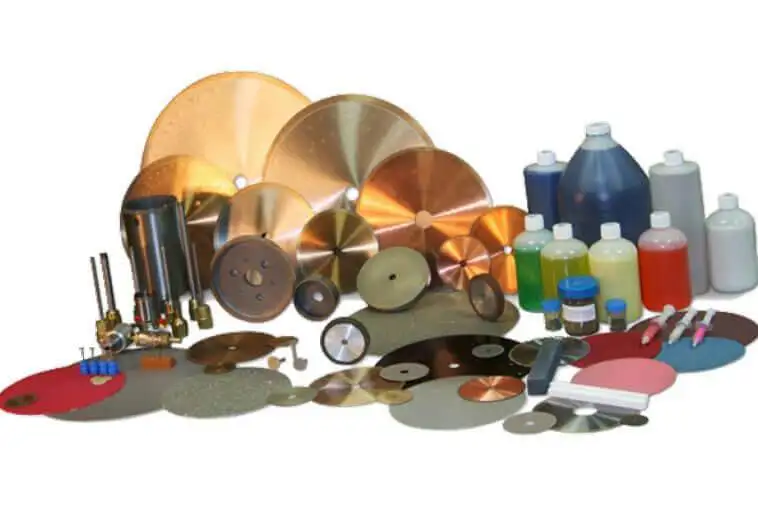
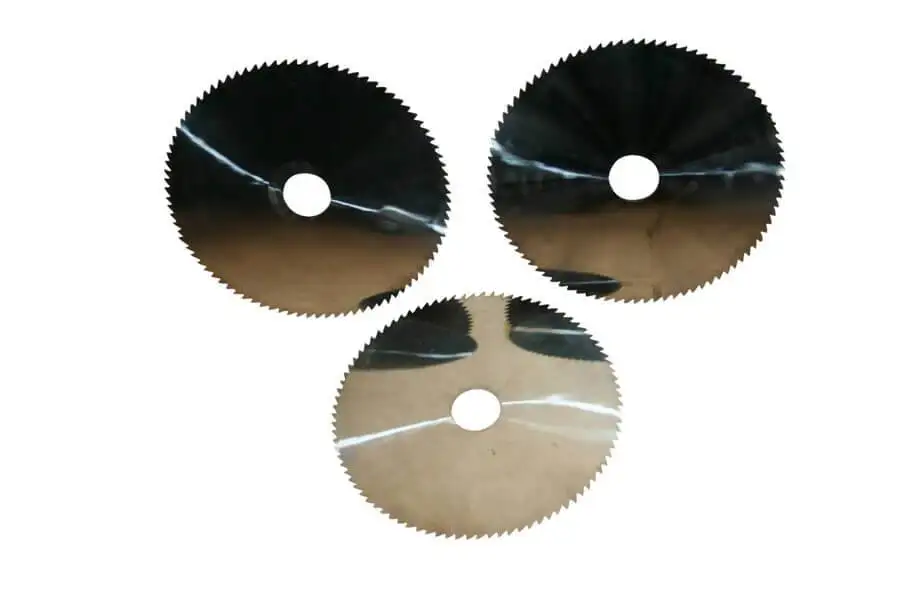
diamond cutoff wheels Designed for cutting various materials including glass, gems, ceramics, and metallographic samples.

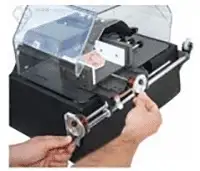
Selecting Right Wafering Blade for your application

Cross Sectioning is the first and most important step in the sample preparation process. Getting the best results involves obtaining a smooth surface finish, minimum chipping, material deformation, without sacrificing cutting speed. Today, most laboratories, work  with dozens...
Continue reading
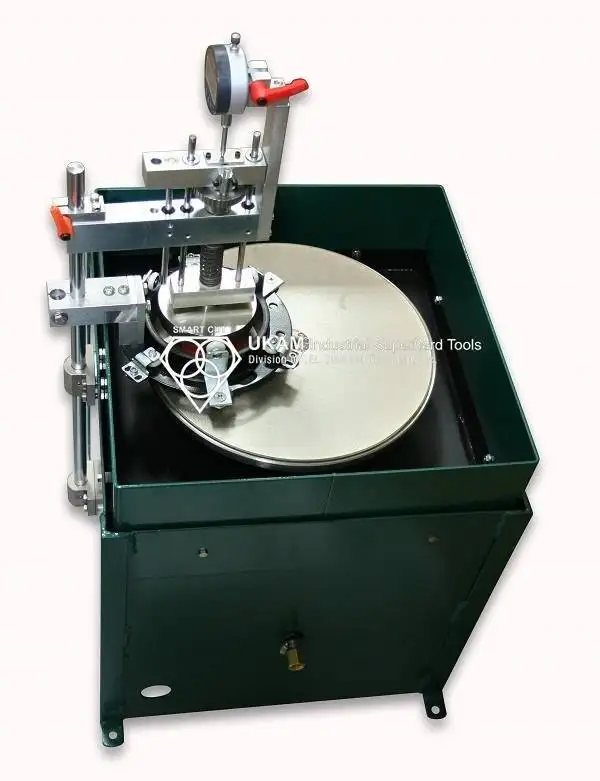
diamond drill

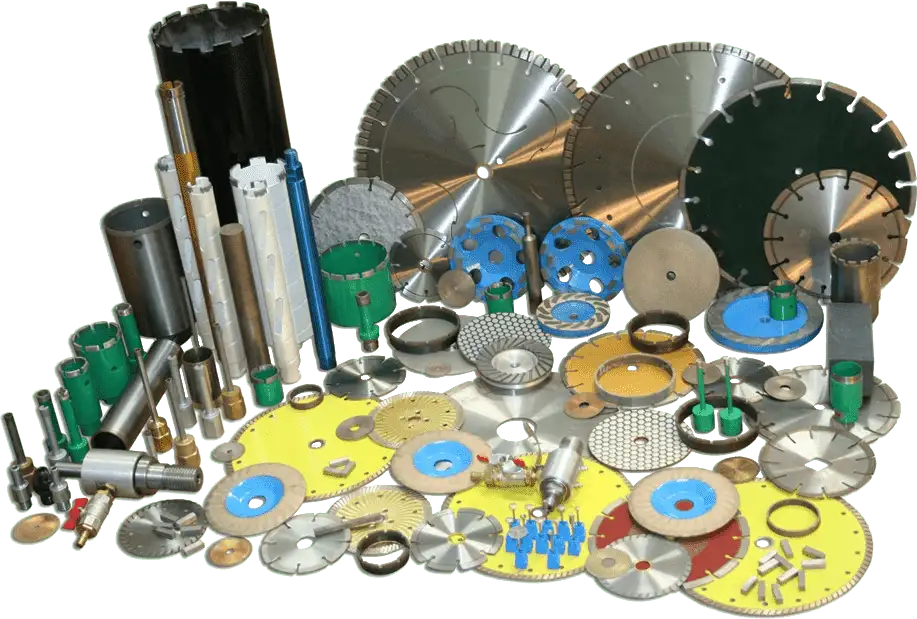
Select Right Diamond Drill for your Application

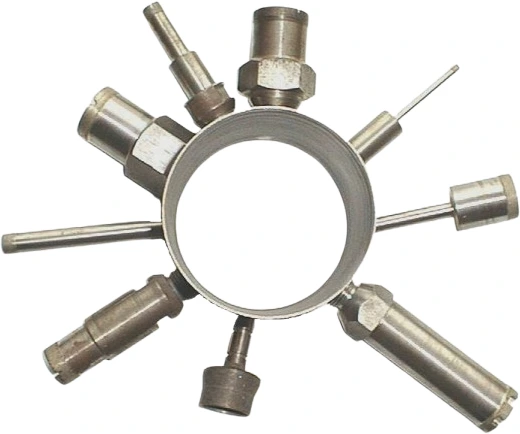
Learn important diamond drill methodology. understand diamond drill specifications and their differences Selecting the right Diamond Drills/Bits for your application is key to obtaining desired diamond drilling results. Using the Right Diamond Drill will help you Save...
Continue reading

Troubleshooting Diamond Sawing Problems

Trouble Shooting Blades present most common issue involved in the cutting operation. The issue is lustrated indicating the possible cause and symptoms to help you identity the cause. Next to the issue is a list of Possible Causes, their Affect on Cutting Performance, and Solutions in resolving these issues. This troubleshooting guide is presented for client convenience purpose only. Although, every effort has been made to accurately identity and present all issues and their solutions. The company shall not be held responsible for any omissions or the results these recommendations may obtain. Contact our technical support team or Application Engineering group for advice & best solution to your cutting issues.
Continue reading

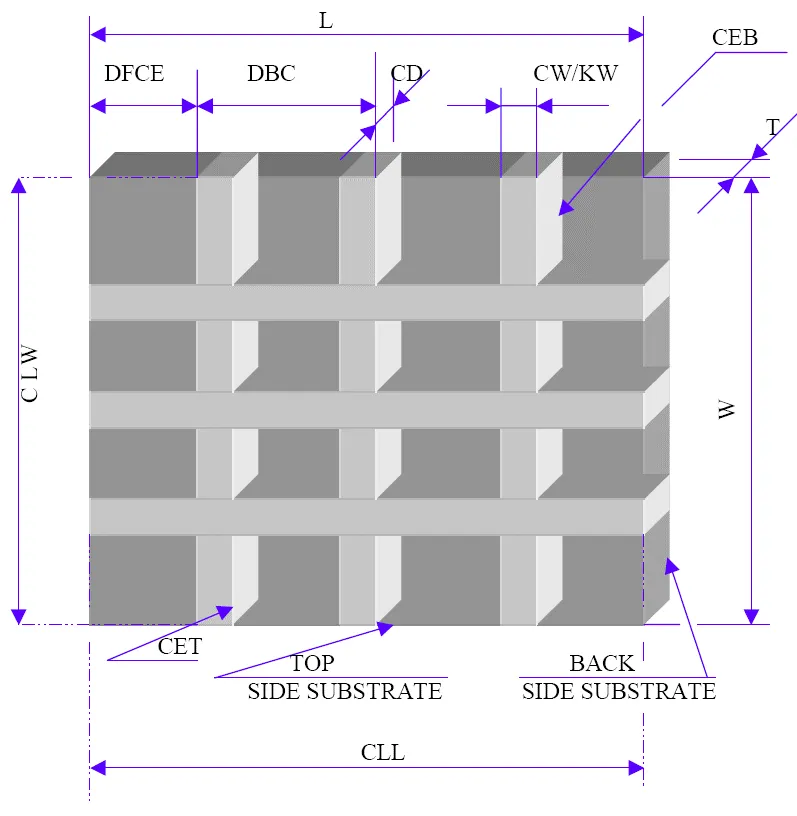
Trouble Shooting Dicing Problems

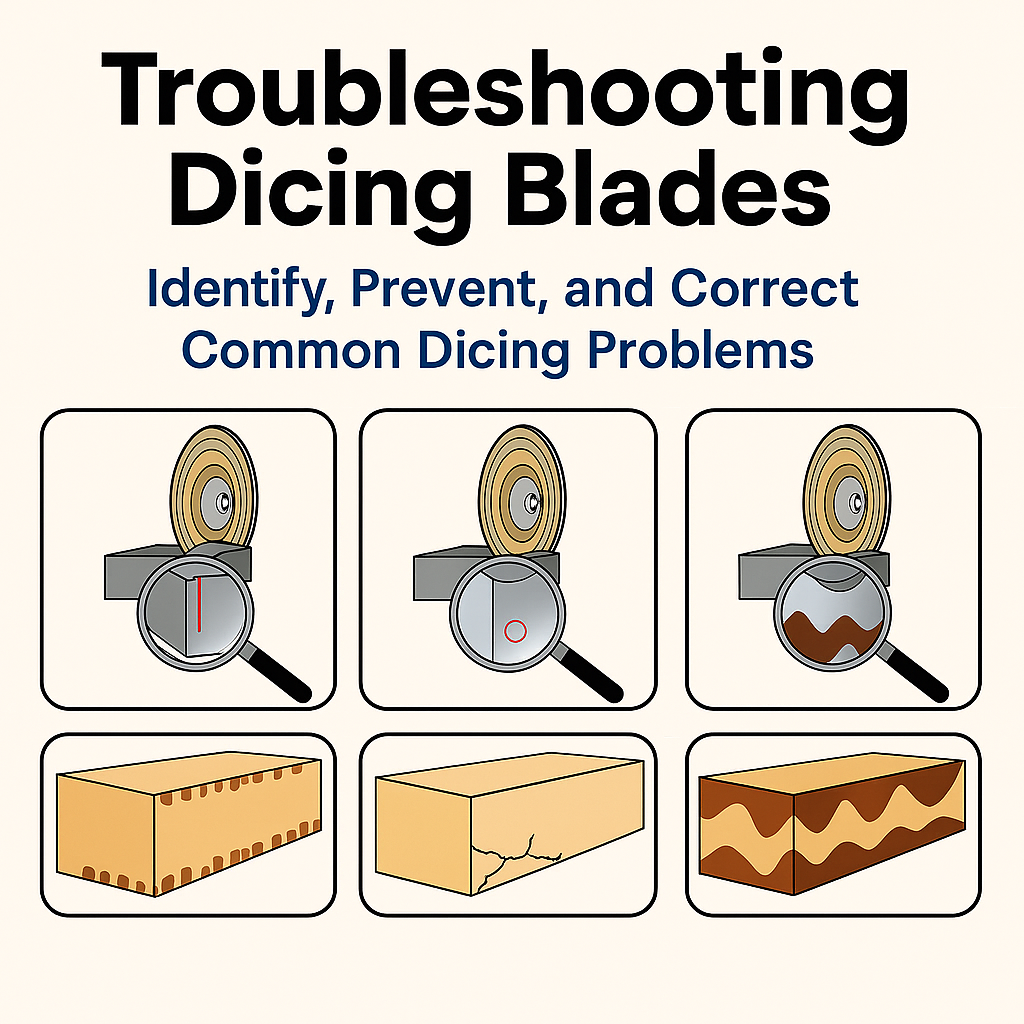
Guide on most common dicing problems and how to resolve them Share this Article with Friend or Colleague ARE YOU USING RIGHT TOOLS FOR YOUR APPLICATION? LET USHELP YOU CONTACT US HAVING ISSUES WITH YOUR CURRENT TOOLS? What you should...
Continue reading
RPMs & Feed Rates

RPMs & Feed Rates Guide | UKAM

Selecting the right RPM (revolutions per minute) when using industrial diamond tools is a critical factor in achieving optimal results for a variety of applications. Whether you're slicing, dicing, drilling, grinding, or polishing, the RPM...
Continue reading